
Bureaucracy Battles & What to Expect in Mongolia
Hey there, Travellers,
It's a good-news-bad-news kinda week in travel. Let's start with the bad news:
As you've no doubt seen, wildfires continue to rage on across much of Europe and North America. Beyond simply affecting summer travel plans, some of us will have been feeling the effects at home as well. Wherever you are, stay safe: skip the disposable barbecues for now and follow local guidance. If you are travelling in the coming weeks, take another look over our Travel Contingency Checklist to make sure you're prepared for the unexpected.
And now for the good news:
Despite continued volatility in jet fuel prices, Japanese airlines ANA and JAL have said they'll be lowering their fuel surcharges for flights booked in September and October. This is particularly good news for anyone looking to travel to Japan but avoid a layover in the UAE or Qatar, as it should hopefully make those lovely non-stop routes more competitively priced. We're sure crossing our fingers 
Happy travels and safe landings,

Katy - Editor of The Detour
Question of the Week
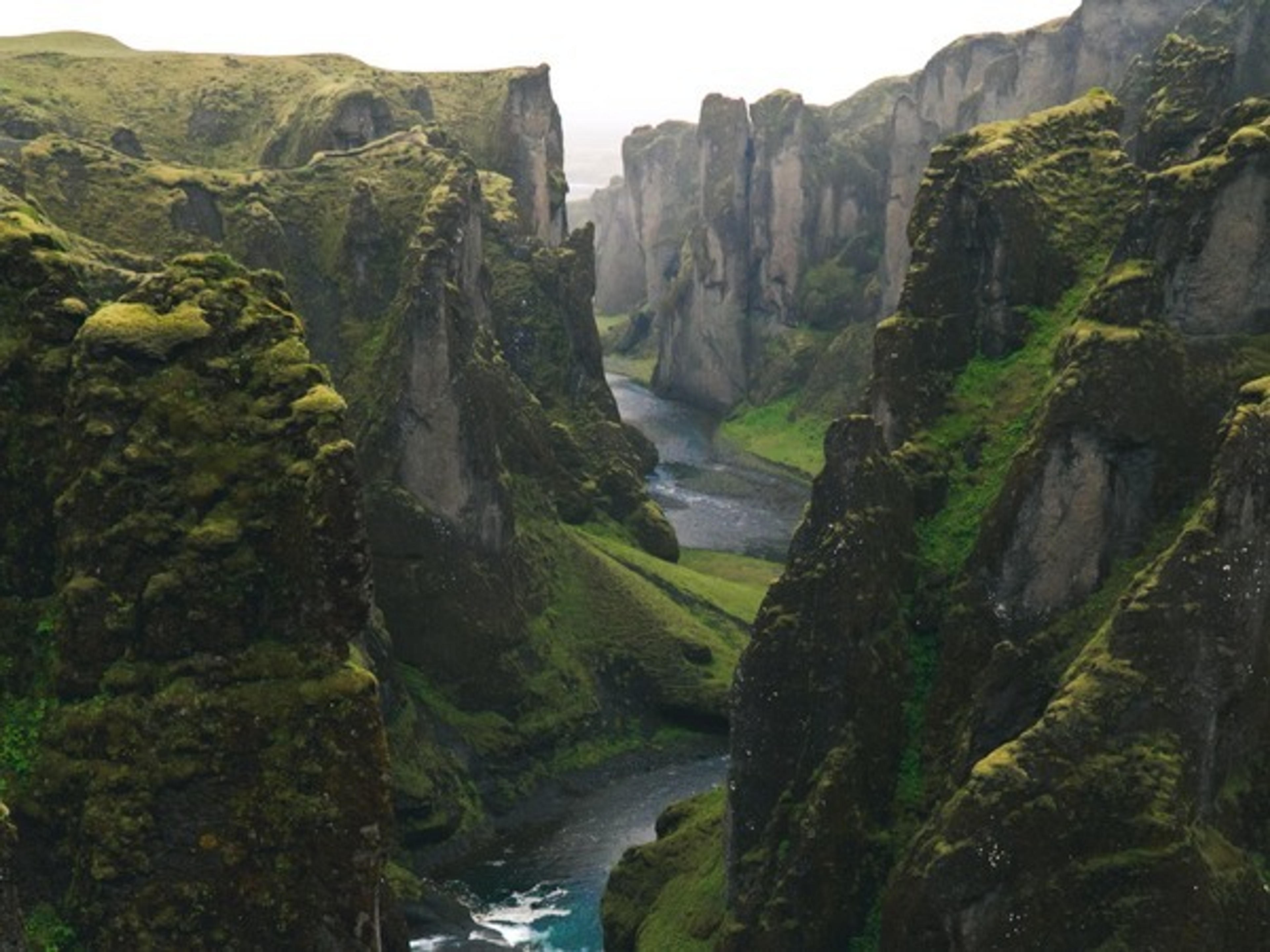
We're dreaming of cooler climes and the great outdoors - Icelandic style!
What are your favourite hikes in Iceland? Where are those killer views?
The Great Visa Bureaucracy Battle

By Genora
Genora loves spotting (and bagging) a good deal. She's lived all over the world and always enjoys adding new countries to her ever-growing travel bucket list!
POV: Your heart is calling you to a distant land... then suddenly Jack's Flight Club finds an error fare for next weekend.
What do you do?
- Book it immediately — you only live once.
- Check your budget and your calendar. It's doable, but you'll need to move a few things around.
- Laugh (or cry) because you know it'll take weeks just to get a visa.
If you answered 3, you probably have a weak passport.
Having a weak passport is very much an IYKYK situation. Those who have one understand the frustration. For the rest of the class, a weak passport is simply one with limited global mobility, so you need to obtain a visa before travelling to many countries. Many passports from parts of Africa, the Middle East, South Asia, Southeast Asia, and some Caribbean nations fall into this category.
So what do you do when you love travelling but also have to navigate layers of geopolitical bureaucracy?
Well... you can hope your country signs more visa waiver agreements with places on your wishlist. Until then, here are a few tips to make travelling with a weak passport a little easier.
Before You Apply for a Visa
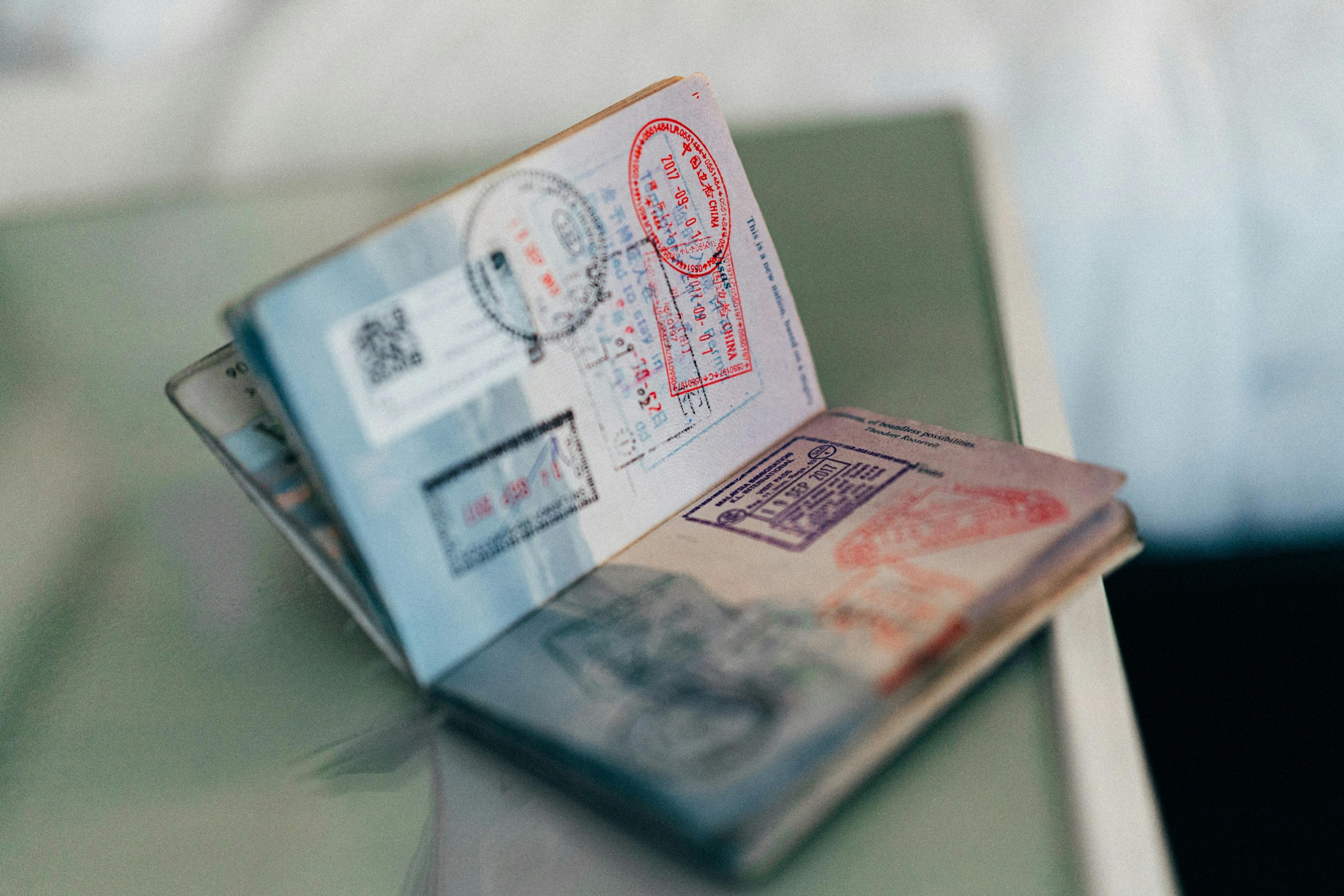
1) Check if you actually need one.
This sounds obvious, but it's always the first step.
"I want to visit Peru... wait, do I need a visa?"
If you travel on a weaker passport, that's automatically the first thought after choosing a destination.
Don't just Google it or ask AI. Always confirm with the embassy or consulate responsible for your country. They'll have the most up-to-date information, including any recent policy changes or special requirements that may apply to you.
2) See if another visa already gives you entry
Before starting a brand-new application, check whether an existing visa gives you access. For example, a multiple-entry Schengen visa allows visa-free entry to countries such as Mexico and Panama under certain conditions.
If you already qualify through another visa...
Congratulations! You can probably skip the application process and book that trip. (Although... maybe finish reading first.)
3) Plan your flights around your visa situation
If you do need a visa, now's the time to start researching flights. Ask yourself:
- Are there nonstop flights?
- If not, do the transit countries require a visa? (Even if the layover is short and you’re not getting off the plane, you may still need a transit visa — so definitely check!)
- Will I be transiting within a visa zone, such as the Schengen Area?
- Is there an embassy, consulate, or visa processing centre in my country?
- If not, where is the nearest one? Do I need another visa to get there? (Unfortunately, visa application inception is a real thing.)
Once you've narrowed down your routes, choose the route with the fewest stops and triple-check every transit country's visa requirements. Again, the embassy or consulate is usually the most reliable source.
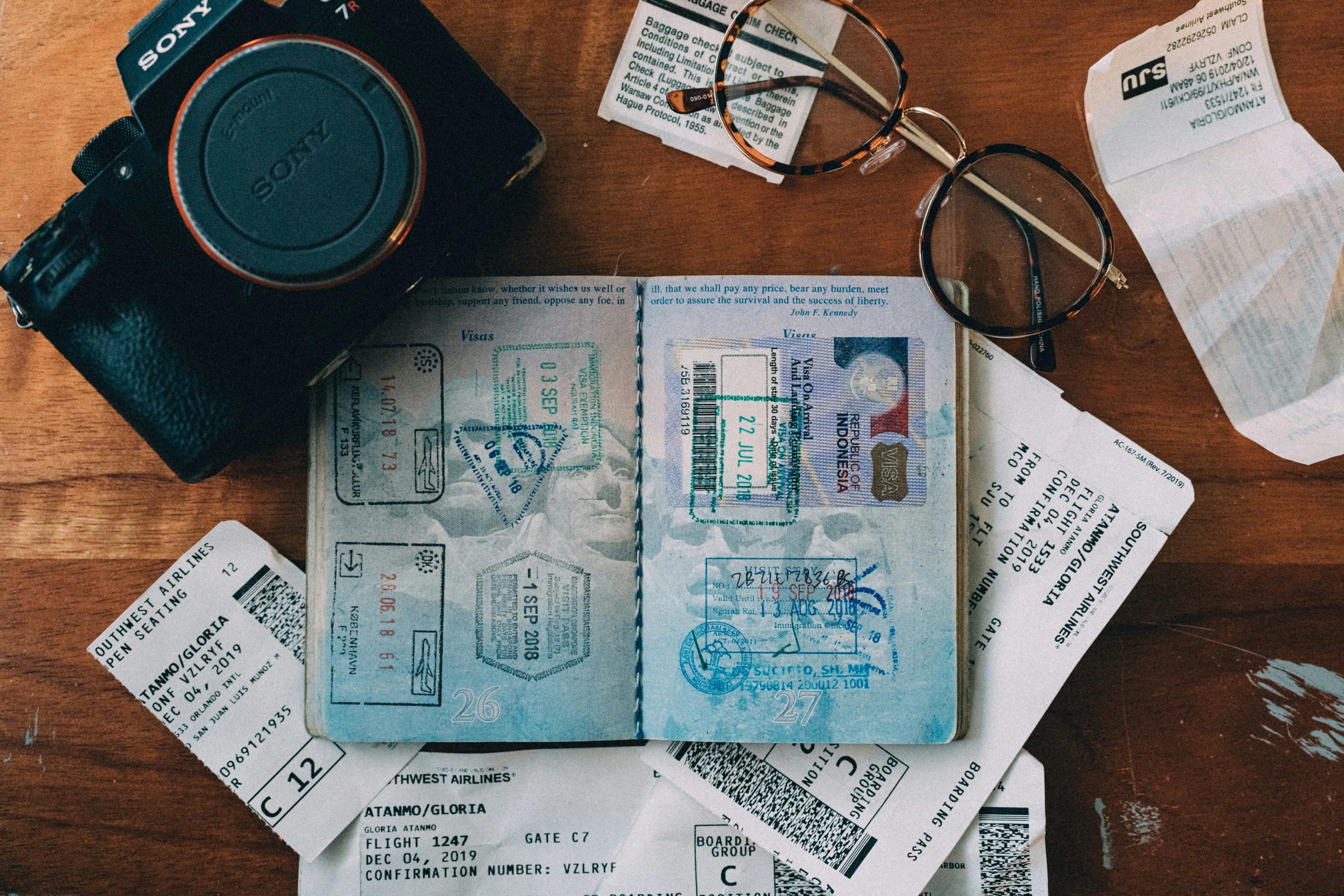
Applying for a Visa
Disclaimer: These tips are mainly for short-stay tourist visas. Student, work and long-stay visas often have different requirements.
Now that you know which visa you need and where to apply, the next step is understanding processing times.
Pay close attention if your destination uses VFS Global or another third-party processing center. These companies usually collect your documents and courier them to the embassy, which adds extra processing time.
Some countries also carry out additional background checks. For example, Nigerian passport holders applying for certain visas may experience longer processing times.
Genora's Top Tip for Visa Processing
My personal rule of thumb is: Embassy processing time + 1 week for VFS + 1 week for additional checks.
That usually gives a realistic estimate of around 3–4 weeks after submitting documents, not including however long it takes to get a visa appointment.
Keep in mind this is only a rough estimate. Processing times vary depending on your travel history, previous visas, the embassy, and even the time of year.
Be prepared to show proof of funds
One requirement that catches a lot of people off guard is proof of funds.
Many tourist visas require you to show that you have enough money to support yourself during your stay. The exact amount varies by country, so always check the requirements on the official embassy or consulate website.
For example, Schengen countries often expect applicants to show around €45–€120 per day, depending on where you're staying and the country you're visiting.
If you travel regularly, it's worth keeping a dedicated travel savings account. Try to contribute to it consistently over time rather than making one large deposit right before applying, as embassies can ask for 3-6 months of bank statements, so a steady savings history generally looks much stronger than a sudden spike in your account balance.
A little planning here can save a lot of stress when it's time to submit your application.
Should you book flights before your visa is approved?
The short answer?
It depends.
Keep reading for Genora's insights on travelling when you need a visa...
What to Expect in the Most Sparsely Populated Country in the World

By Olivia
A San Diego native, Olivia left home three years ago to live on the road. Since then, she's had homebases everywhere from Quebec to England to New Orleans, but she always ends up back on the West Coast. When she's not hiking through the desert or the woods, she can usually be found exploring her current city and scoping out the best bars and coffee shops.
The 2020s are definitely shaping up to be the era of Central Asian tourism. Post-pandemic trends have travelers finally appreciating the region’s vast untouched landscapes, nomadic cultures, and (most importantly) lack of crowds. Turns out there’s something about surviving a global virus that makes people really want to get away from each other and disappear into the scenery!
Result? The “Stans” have exploded in popularity over the last few years. Folks who never once thought about Kazakhstan before 2020 are suddenly clambering to traverse those grasslands on horseback. A few of Jack’s own writers went to Kyrgyzstan last year to see it for themselves, and it did not disappoint.
But head further east, and you find a country that’s even more spacious, even more off the grid, and even less crowded.
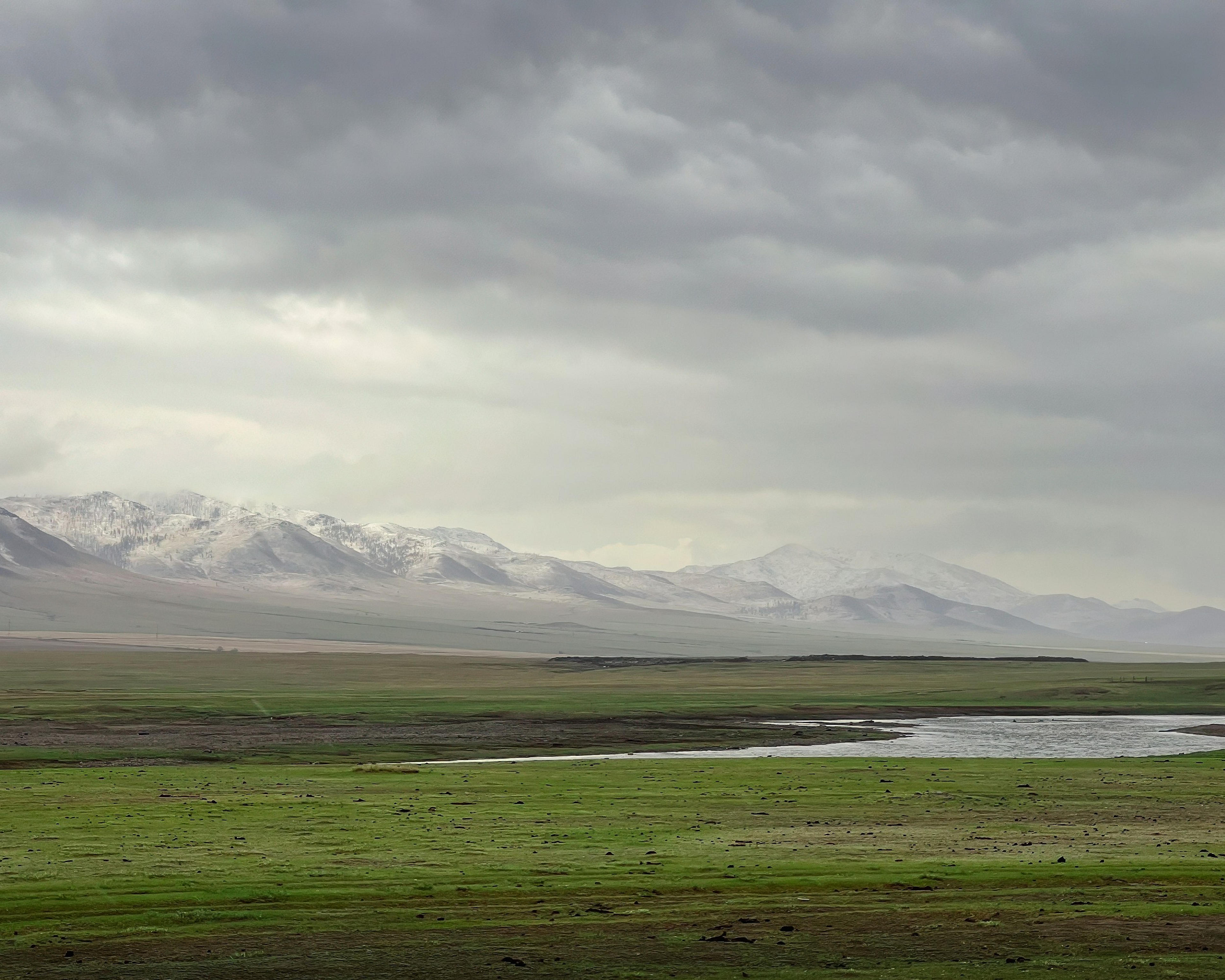
Remote and rugged, Mongolia isn’t exactly a “beginner-friendly” destination — even by Central Asian standards. This is the most sparsely inhabited country in the entire world, with a population smaller than Berlin’s spread out over a nation double the size of Turkey. Show up ill-prepared, and you might find yourself stranded hundreds of miles from civilization, surrounded by nothing but an endless sea of steppe.
In spite of those challenges (or perhaps because of them), Mongolian tourism is still climbing. Its growth might be dwarfed by the Stans, but it’s been booming for the first half of 2026. This might be the first year the country cracks one million visitors!
So… what are all those visitors doing in Mongolia? What’s it like to experience a country where 99% of the land is void of people?
Contrary to what you might think, it usually starts off a little chaotic. In order to reach the tranquility of the open grasslands, you’ll first need to brave Ulaanbaatar. The country's capital and only major urban center is a sprawling, mazelike metropolis that houses half the Mongolian population. It's confusing and hectic and definitely not set up for tourists, but as a dense cultural melting pot of a city, it rewards those who are willing to dig.
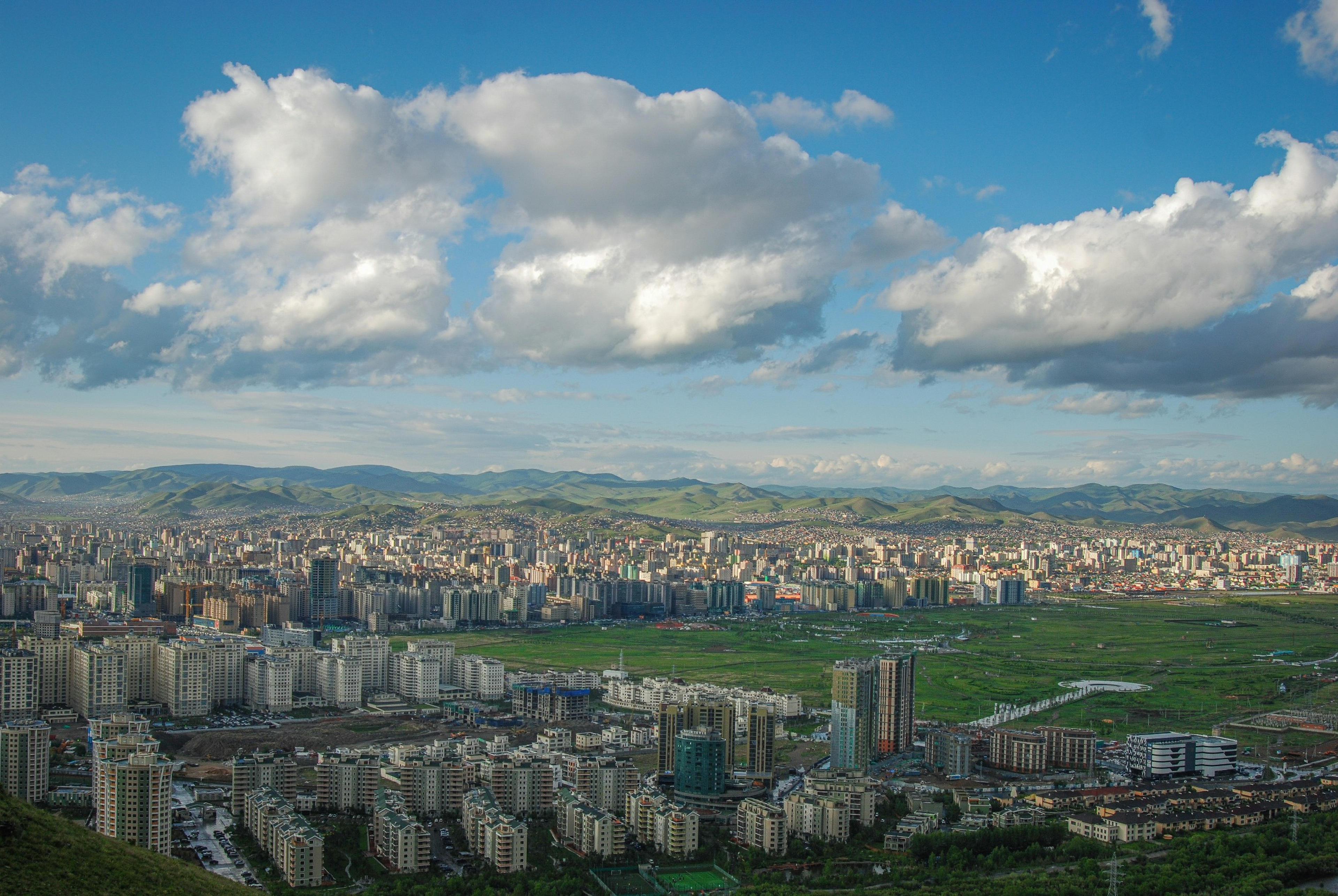
You'll spot Buddhist temples next to Soviet housing blocks next to Irish pubs. You can take selfies with statues of both Genghis Khan and Paul McCartney. Museums range from the typical fine art and natural history fare to quiet dirt lots dotted with shamanic offerings.
And then there’s the nightlife scene. The crazy, vibrant nightlife scene. When two-thirds of your population is under the age of 30, and you pack them all into the coldest capital city on Earth, you're basically guaranteed to produce a next-level bar and club culture. Spots like ZÜ are said to get pretty wild, but you can find anything from laid-back dives to upscale cocktail lounges.
But despite its twists and turns, most people don’t visit Mongolia for the capital. It’s hard to remember when you’re lost in the labyrinth of Ulaanbaatar, but this is the most sparsely populated country in the world.
Time to get our steppes in!
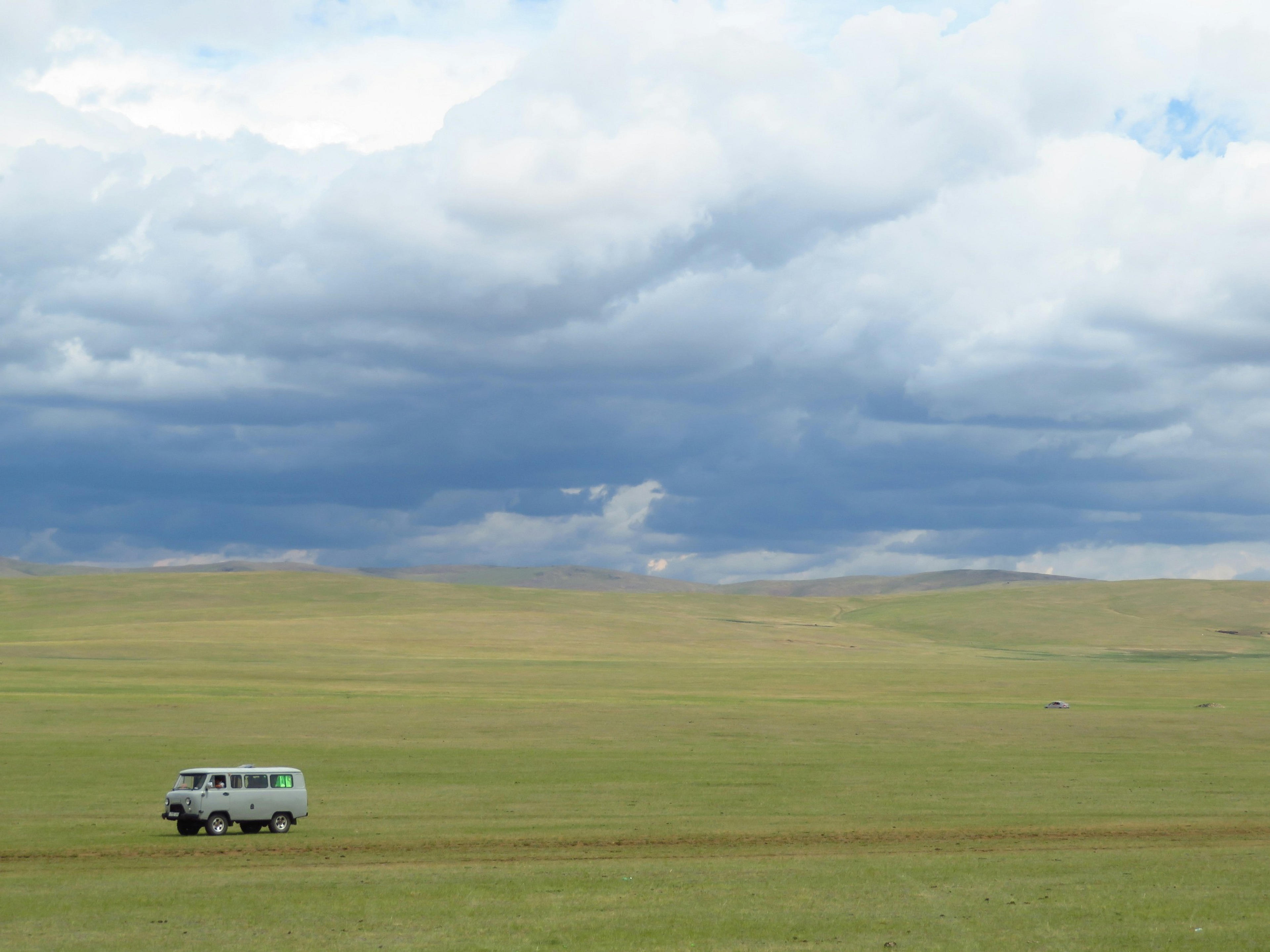
Mongolia has almost zero infrastructure outside the city, so this isn’t really a place for wandering aimlessly. Traversing those vast landscapes definitely requires a gameplan.
The simplest option is to hop aboard the Mongolian branch of the Trans-Siberian Railway — the train stops right in Ulaanbaatar. From there you'll head across the eastern half of the country and onwards to Beijing, passing through miles of grassy steppe, the Gobi desert, and the Great Wall of China along the way.
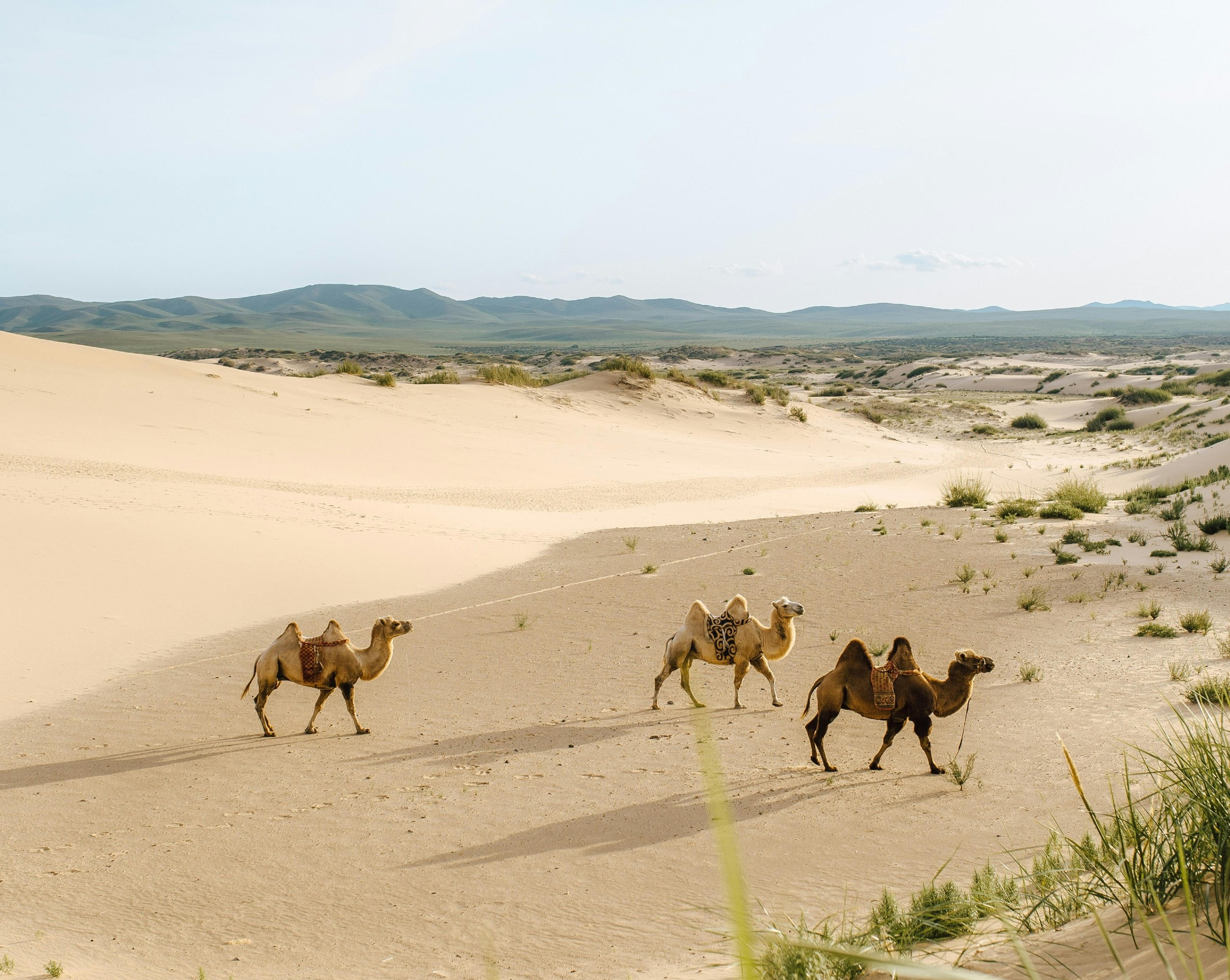
A once-in-a-lifetime set of views, to be sure, but folks who choose this method won’t get the full effect of Mongolia’s majesty. For that, you’ll need to dig a little deeper.
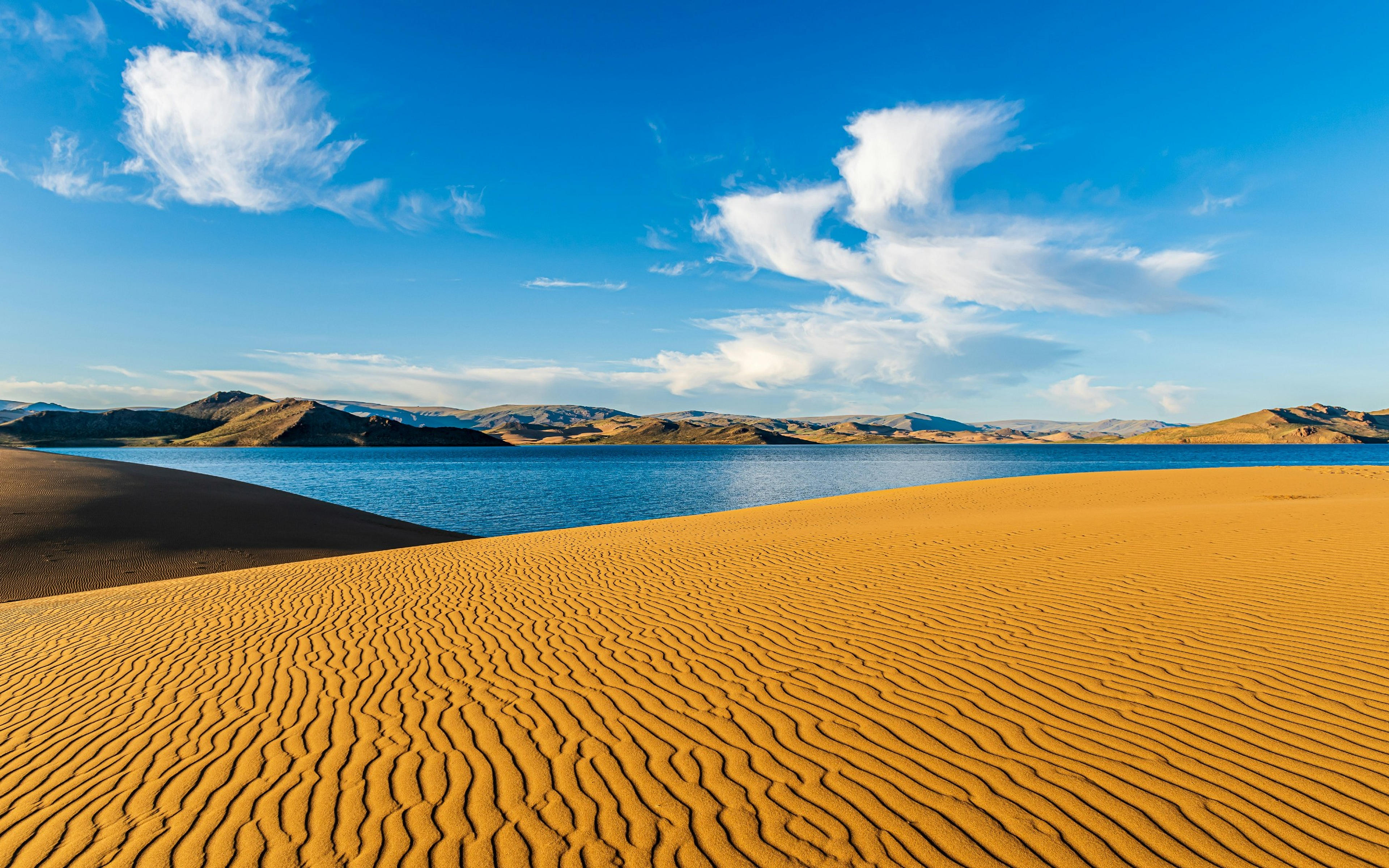
While it might be tempting to grab your rental car and disappear into the wilderness by yourself, remember that you’ll be dealing with rough terrain and a total lack of services. A dashboard light turning on could quite literally signal your death. Because of these constraints, planning a trip to Mongolia tends to be about booking a tour.
Pick of the Clicks
All the important (or silly, or strange) travel news from across the web this week.
- Did you miss the solar eclipse this week? Check out the spectacular photos from across the path.
- A boat passenger in Svalbard was fined 50,000 kroner for using the foghorn to wake a sleeping polar bear. That might seem steep, but it’s much more lenient than the usual punishment for rudely awakening a sleeping polar: becoming breakfast.
- A Canadian flight was canceled after a child refused to wear a seat belt, and the internet (obviously) had a lot to say about it.
- If you happen to see 200 miniature gold statues of Mozart for sale on eBay anytime soon, don’t buy them — they were stolen from a celebration in Salzburg. Yes, Navigators Katy and Larissa were there last week. No, we don’t have any reason to believe they were involved…
- And finally, two unsupervised goats in Portland, Oregon boarded a city bus this week. No one’s quite sure how the goats got on the street at all, which begs the question: Where did you come from, where did you go, where did you come from Portland bus goats?