
The Magic of Mongolia: Why people visit the most sparsely populated country in the world

Olivia Louden
The 2020s are definitely shaping up to be the era of Central Asian tourism. Post-pandemic trends have travelers finally appreciating the region’s vast untouched landscapes, nomadic cultures, and (most importantly) lack of crowds. Turns out there’s something about surviving a global virus that makes people really want to get away from each other and disappear into the scenery!
Result? The “Stans” have exploded in popularity over the last few years. Folks who never once thought about Kazakhstan before 2020 are suddenly clambering to traverse those grasslands on horseback. A few of Jack’s own writers went to Kyrgyzstan last year to see it for themselves, and it did not disappoint.
But head further east, and you find a country that’s even more spacious, even more off the grid, and even less crowded.
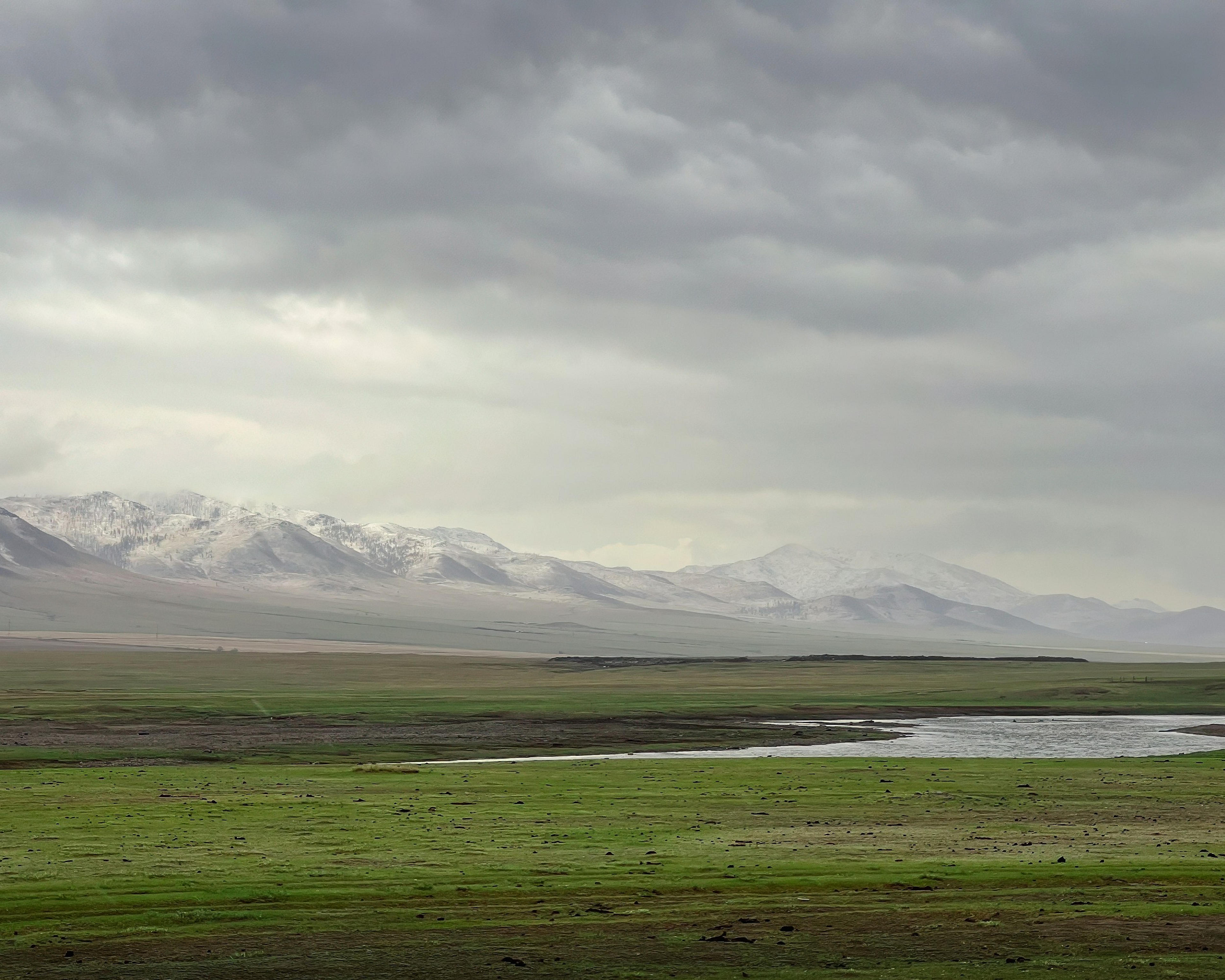
Remote and rugged, Mongolia isn’t exactly a “beginner-friendly” destination — even by Central Asian standards. This is the most sparsely inhabited country in the entire world, with a population smaller than Berlin’s spread out over a nation double the size of Turkey. Show up ill-prepared, and you might find yourself stranded hundreds of miles from civilization, surrounded by nothing but an endless sea of steppe.
In spite of those challenges (or perhaps because of them), Mongolian tourism is still climbing. Its growth might be dwarfed by the Stans, but it’s been booming for the first half of 2026. This might be the first year the country cracks one million visitors!
So… what are all those visitors doing in Mongolia? What’s it like to experience a country where 99% of the land is void of people?
Contrary to what you might think, it usually starts off a little chaotic. In order to reach the tranquility of the open grasslands, you’ll first need to brave Ulaanbaatar. The country's capital and only major urban center is a sprawling, mazelike metropolis that houses half the Mongolian population. It's confusing and hectic and definitely not set up for tourists, but as a dense cultural melting pot of a city, it rewards those who are willing to dig.
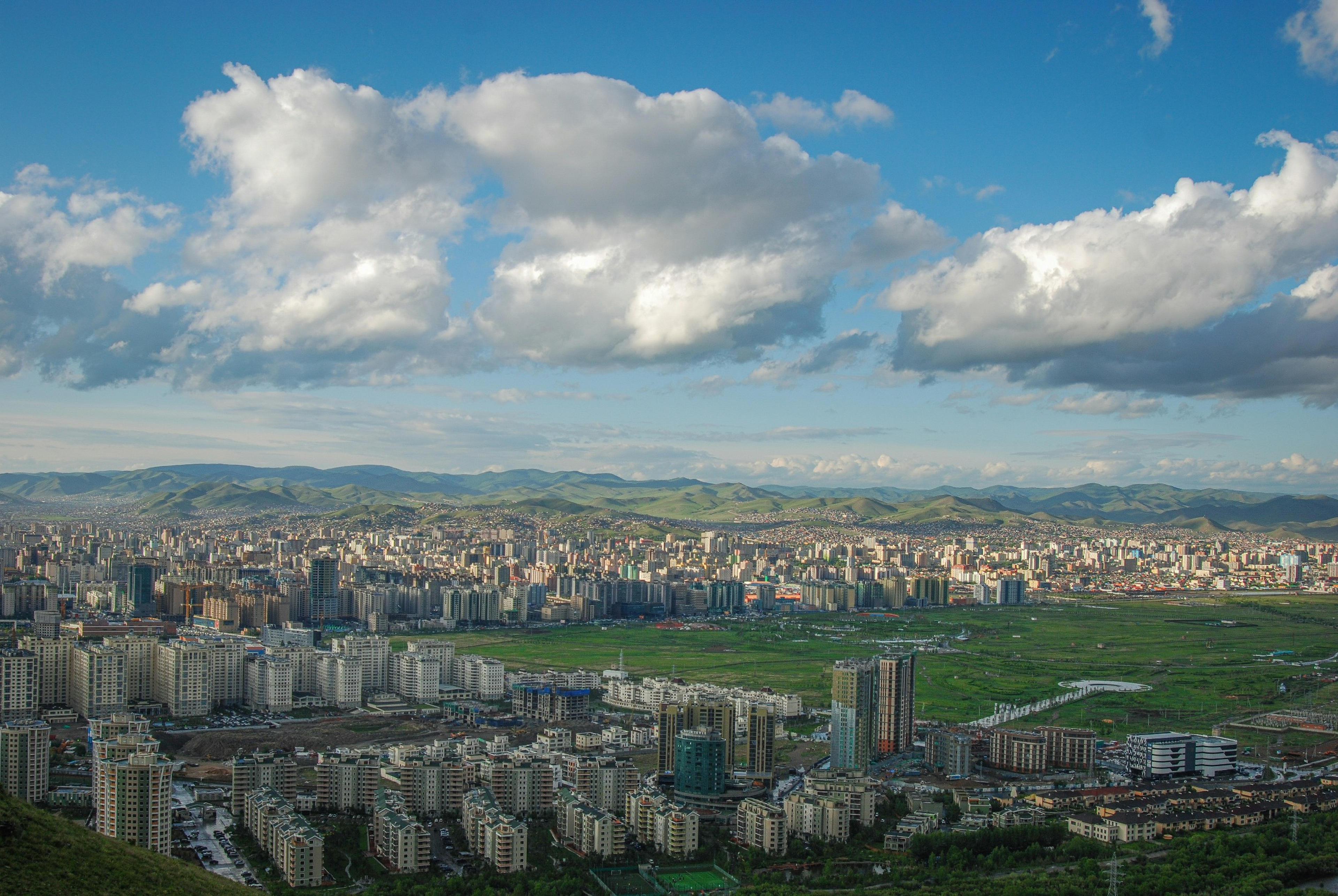
You'll spot Buddhist temples next to Soviet housing blocks next to Irish pubs. You can take selfies with statues of both Genghis Khan and Paul McCartney. Museums range from the typical fine art and natural history fare to quiet dirt lots dotted with shamanic offerings.
And then there’s the nightlife scene. The crazy, vibrant nightlife scene. When two-thirds of your population is under the age of 30, and you pack them all into the coldest capital city on Earth, you're basically guaranteed to produce a next-level bar and club culture. Spots like ZÜ are said to get pretty wild, but you can find anything from laid-back dives to upscale cocktail lounges.
But despite its twists and turns, most people don’t visit Mongolia for the capital. It’s hard to remember when you’re lost in the labyrinth of Ulaanbaatar, but this is the most sparsely populated country in the world.
Time to get our steppes in!
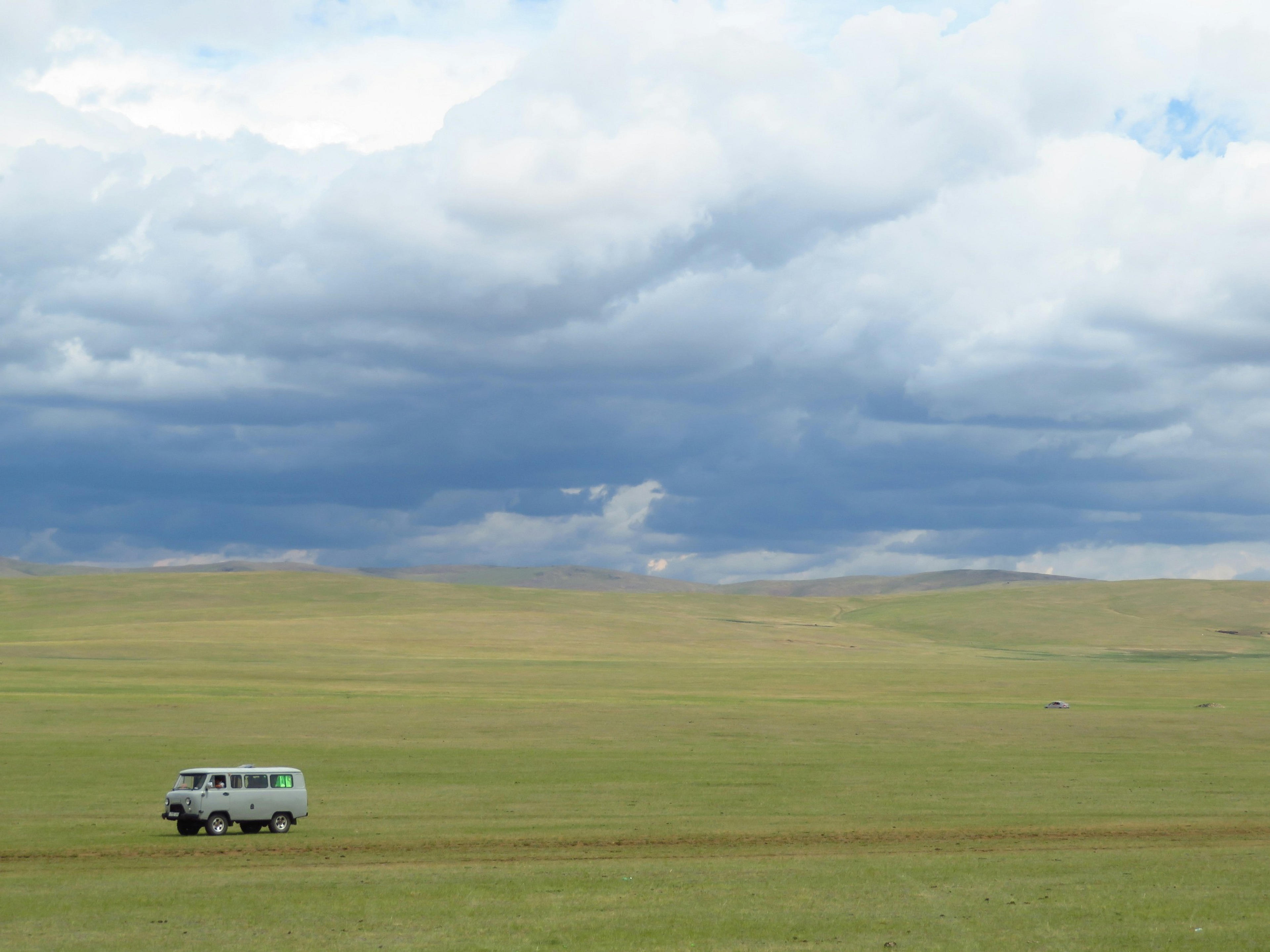
Mongolia has almost zero infrastructure outside the city, so this isn’t really a place for wandering aimlessly. Traversing those vast landscapes definitely requires a gameplan.
The simplest option is to hop aboard the Mongolian branch of the Trans-Siberian Railway — the train stops right in Ulaanbaatar. From there you'll head across the eastern half of the country and onwards to Beijing, passing through miles of grassy steppe, the Gobi desert, and the Great Wall of China along the way.
A once-in-a-lifetime set of views, to be sure, but folks who choose this method won’t get the full effect of Mongolia’s majesty. For that, you’ll need to dig a little deeper.
While it might be tempting to grab your rental car and disappear into the wilderness by yourself, remember that you’ll be dealing with rough terrain and a total lack of services. A dashboard light turning on could quite literally signal your death. Because of these constraints, planning a trip to Mongolia tends to be about booking a tour.
That’s not as easy as it sounds — there are tons of options online, but getting a booking confirmed can be an obstacle. A lot of companies won’t take you unless they have enough guests to justify the journey, so you’ll often have better luck if you collect your own group of intrepid travelers (usually around 5-6 total) before trying to book. It can also be easier (and cheaper) to book in person, so some folks either ask their accommodations to do it for them or spend some time in Ulaanbaatar hunting for a tour.
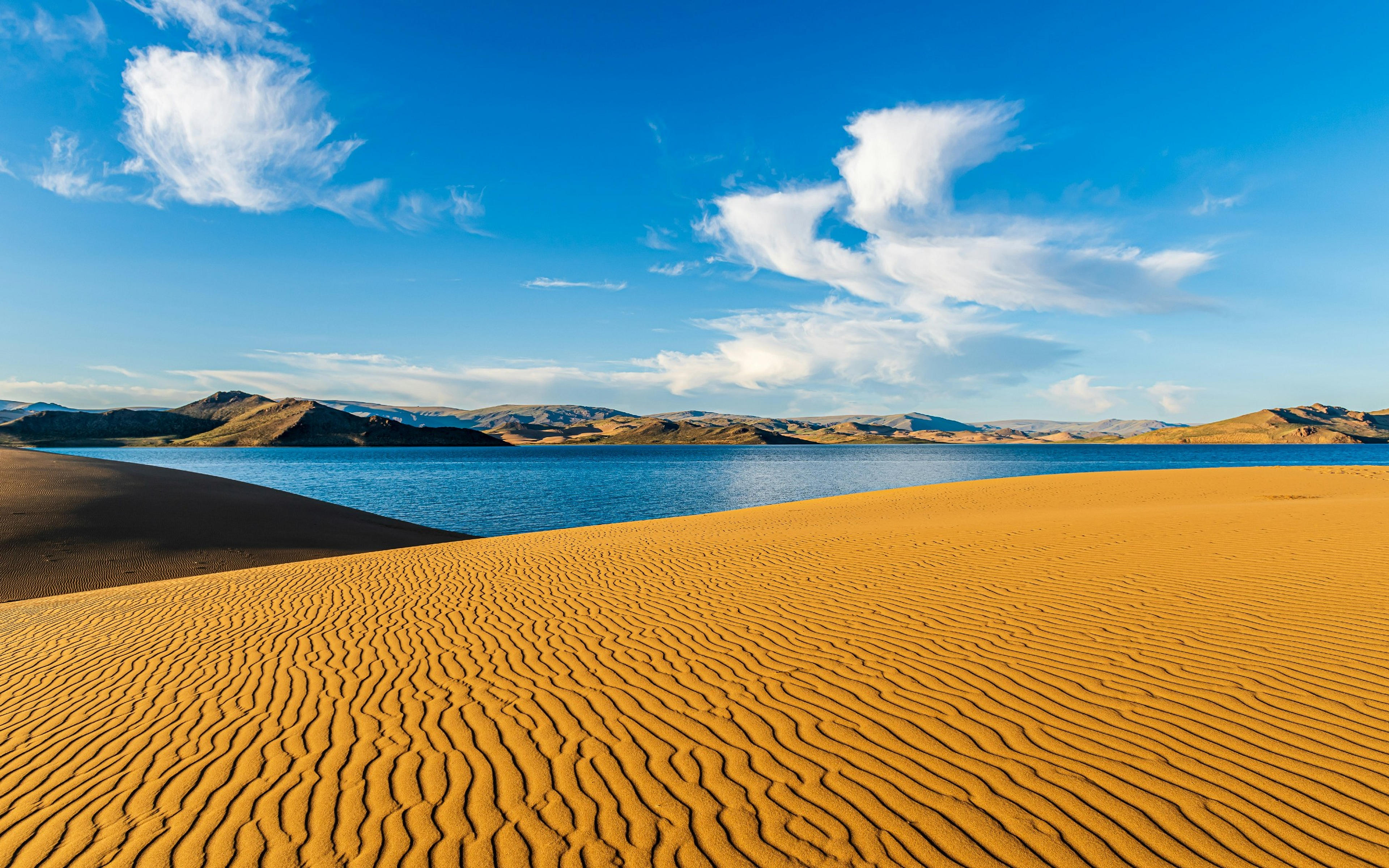
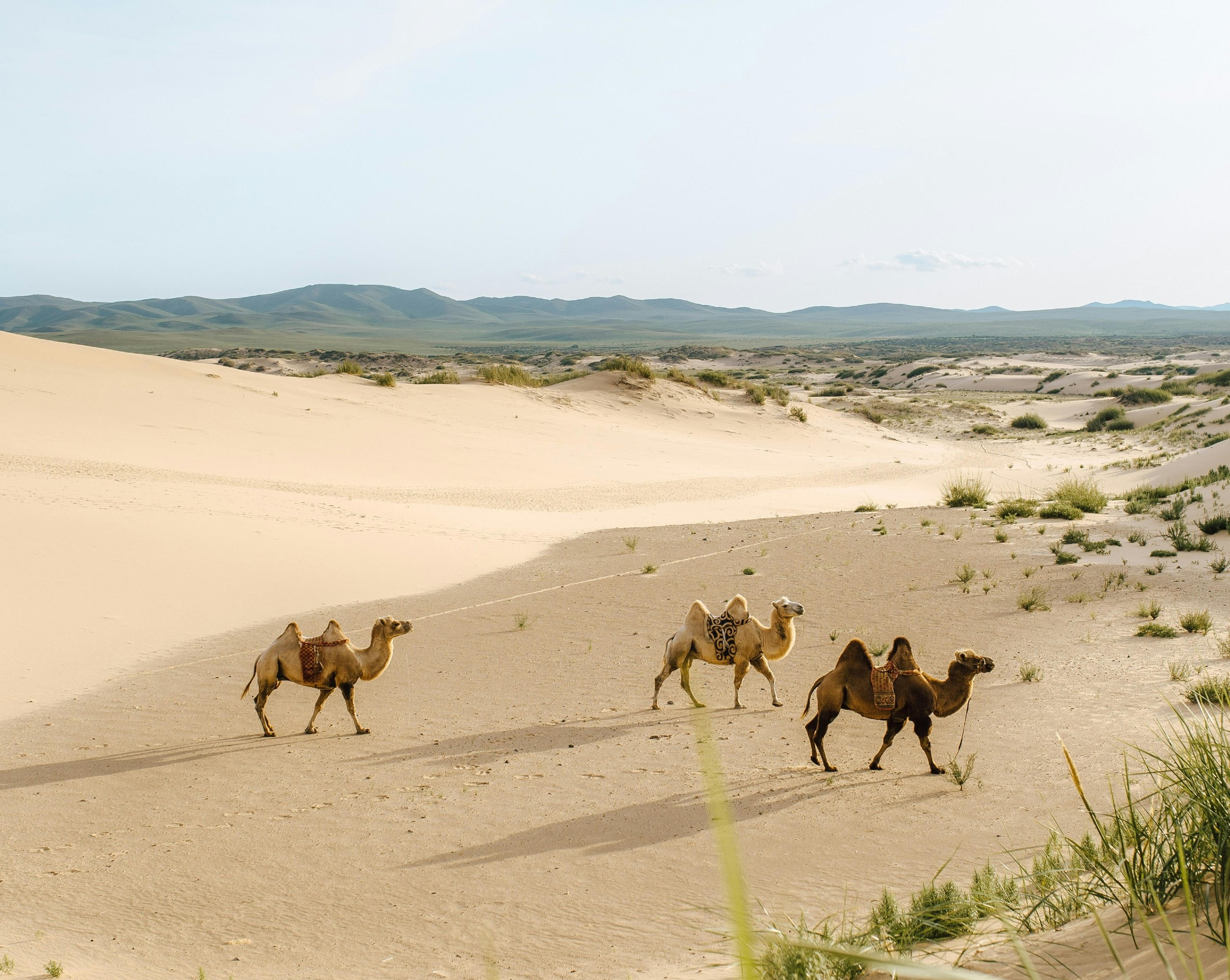
As with any tour across a country this size, you’ll also have options on which region you want to explore. The most popular are Central Mongolia (closer to the city, full of steppes and ancient ruins, THE classic “Mongolia scenery”) and the Gobi Desert (camels, dunes, the works). Other areas have woodlands, massive sparkling lakes, or rocky mountains. Longer tours will take you through multiple regions, whereas the simpler, shorter tours might just take you out into the steppe for a few days.
Let’s say you’ve gotten your tour confirmed, and you’re heading out tomorrow. For most folks, that means packing into an all-terrain vehicle bright and early in the morning, but some tours offer travel by horse, camel, or motorcycle.
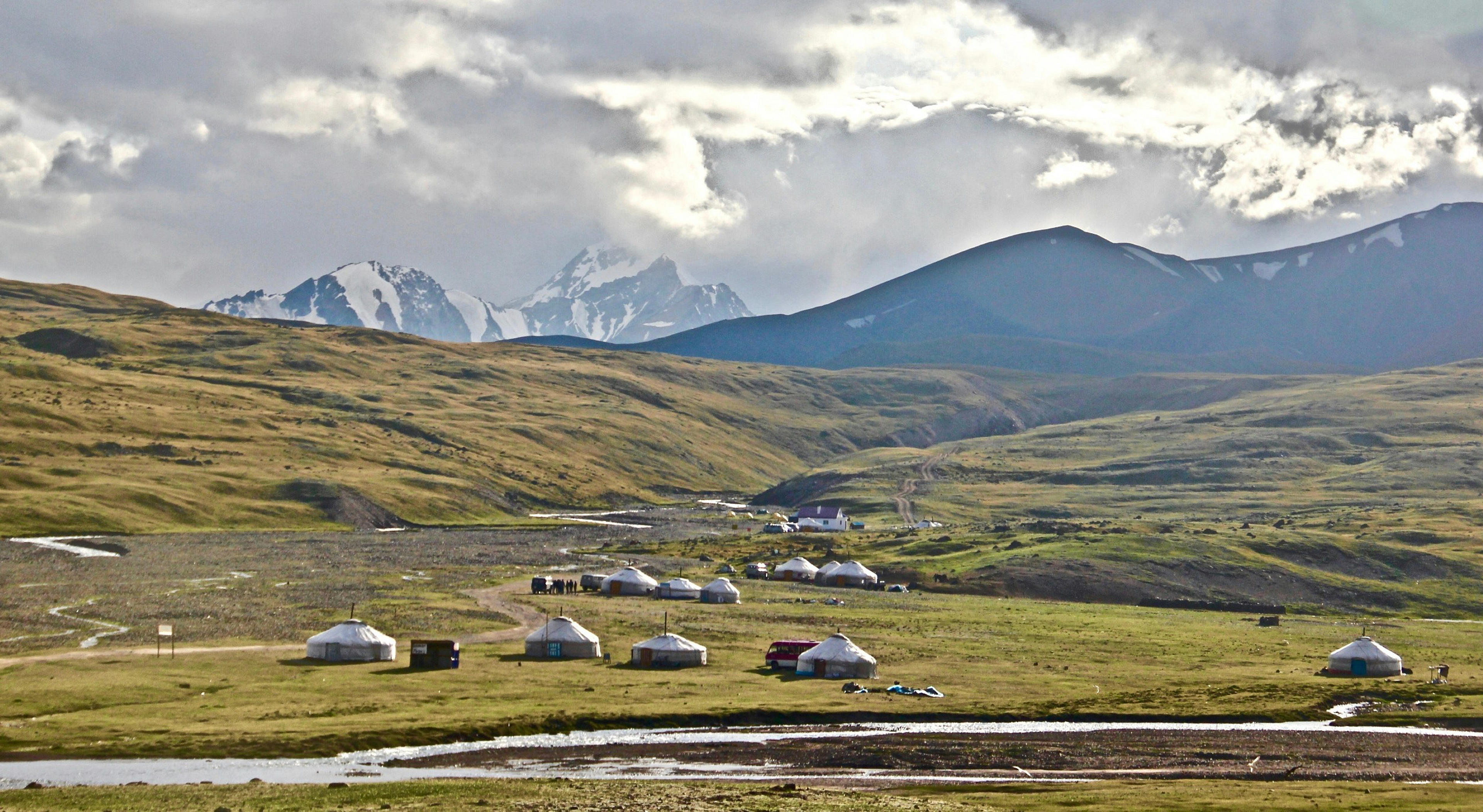
Whatever locomotion you’re using, you'll most likely be staying in yurts called ger camps. This is where you’ll start to feel that “miles off the grid” sensation — totally cut off from the rest of the world, it’s just you, your group, and the local hunters and nomads taking care of you. While there’s not exactly a lot of amenities at most of these camps (midnight bathroom runs might involve carrying a lantern to a quiet spot in the field), you’ll have a bed and plenty of hearty, meaty Mongolian meals.
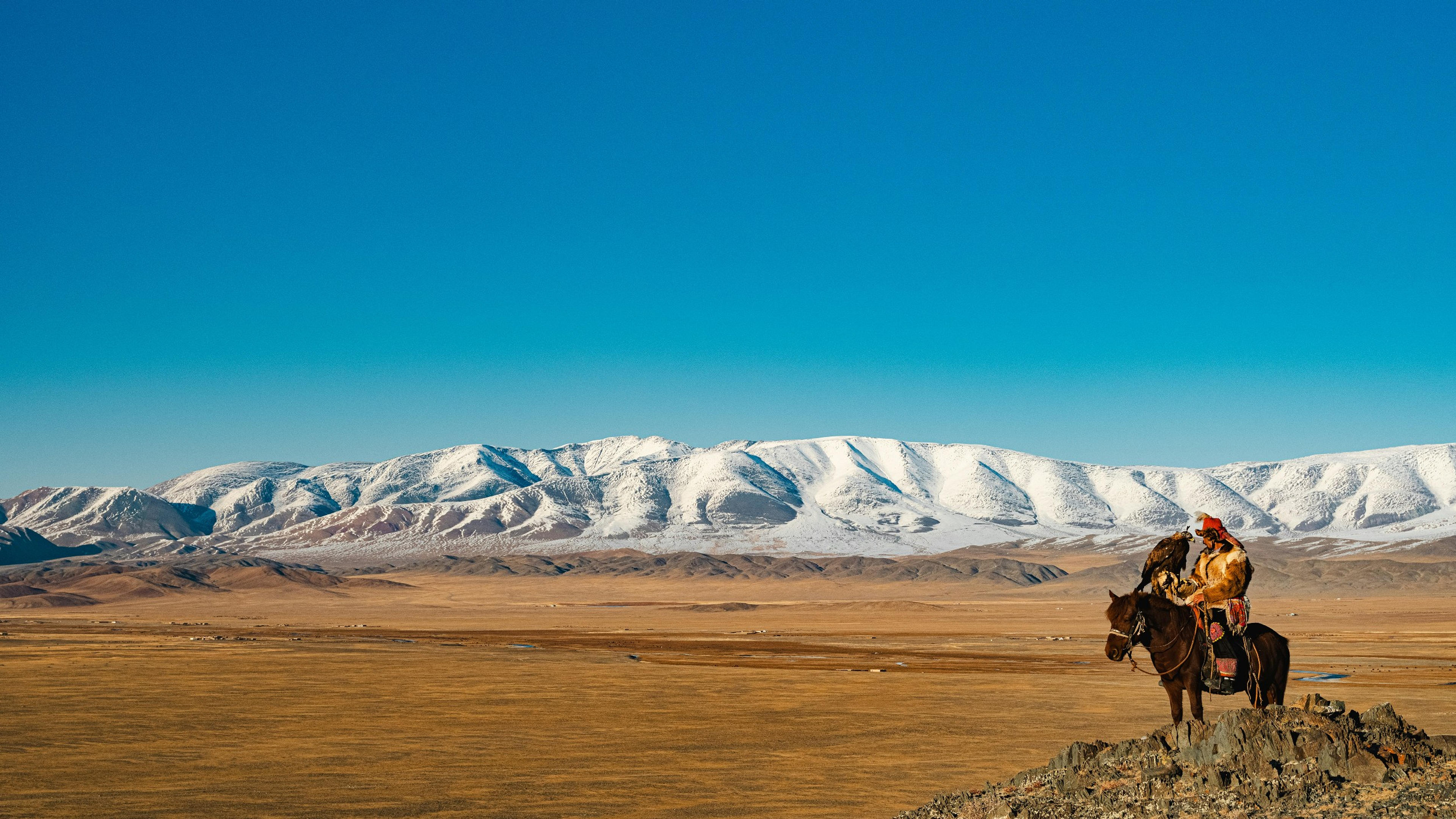
When you’re not asleep in your yurt, you’ll be experiencing some of the most remote, unique cultures in the world and witnessing natural landscapes that only a tiny percentage of humanity will ever see. Maybe you’ll watch wild horses gallop across the grasslands. Maybe you’ll see the local hunters compete with trained eagles, or trek the taiga with nomadic reindeer herders, or hike to isolated monasteries in the desert.
When all is said and done, you’ll be taken back to Ulaanbaatar. The urban chaos will feel even louder now, but this time you’ll be able to crawl back into your memory of those quiet nights under the Milky Way, listening to the wind blow through the grass.