Top Tips for Visiting Glorious Ghana

Katy Maclure
More than a few of you lovely readers have been asking us for recommendations for West African travel, and where better to shine a light than glorious Ghana?
Whether you're mingling in the bustling bars and clubs of Osu in Accra, saying hello to the famously friendly elephants of Mole National Park, or hiking around the shores of the gigantic Lake Volta, here’s a few handy tips to help you plan your trip:
Wondering when to visit?
October to March is the best time overall for a Ghana trip, according to Responsible Travel - but watch out for the harmattan Saharan winds that blow southwards from November-December. (You may want to pack a bit of moisturiser and ditch the contact lenses when those dust-filled breezes hit.)
#1: Take in a festival
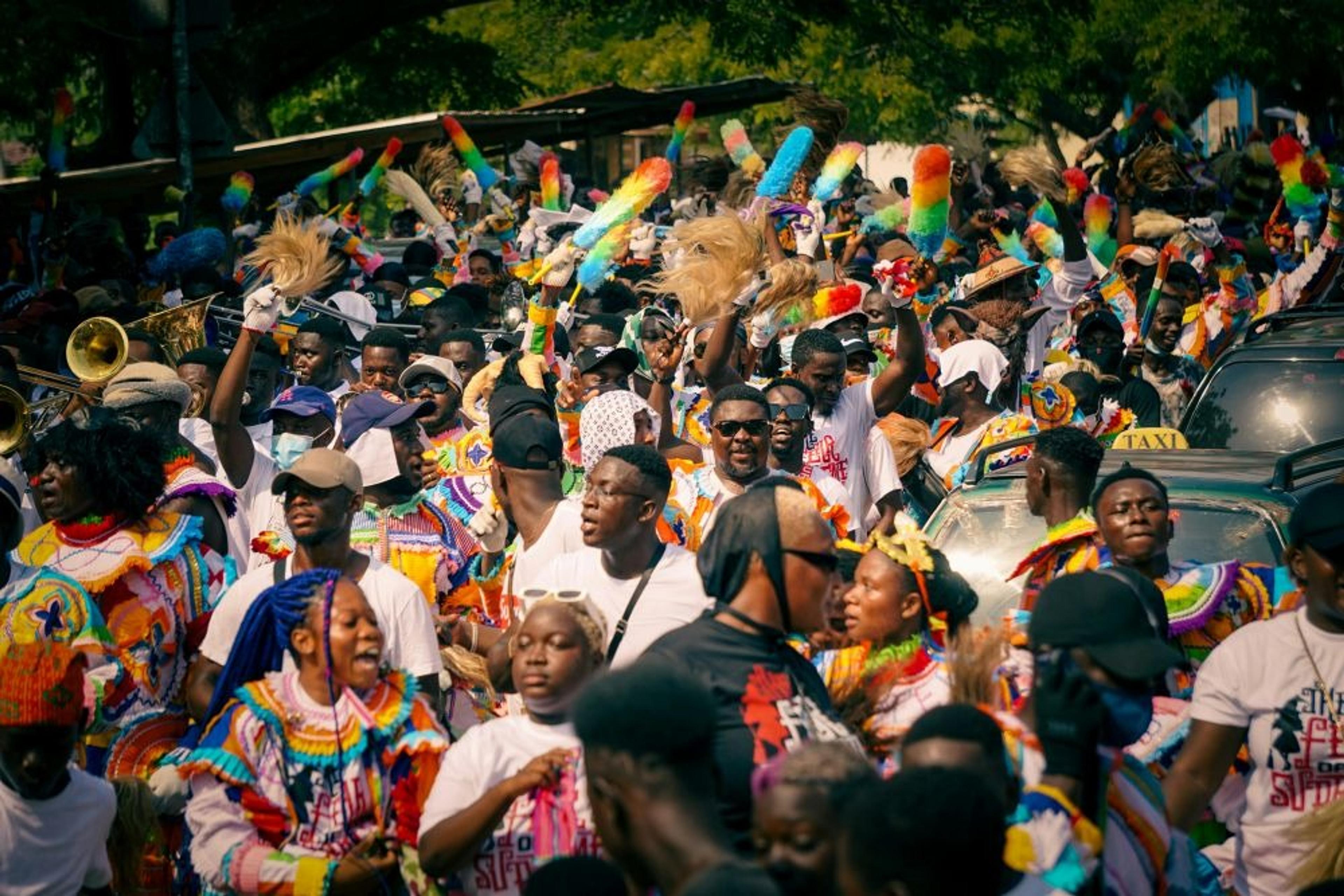
Ghana’s cultural calendar is ludicrously packed with exciting events, and you should definitely make sure you’re factoring them into their next big trip.
There are dozens of traditional ceremonies, durbars and festivals to take in - perhaps most famously the Homowo harvest celebrations in June-August. (In the Ga language, the name roughly translates to ‘jeer at hunger’).
But time your visit right and you can also enjoy world-class poetry jams and writers' festivals, sumptuous food-fests and some of the biggest Afrobeat celebrations across the continent (Accra’s AfroFuture festival takes place in December every year).
Chale Wote Street Art Festival - August
Head to Accra in August and you’ll experience a world-class week-long event across the entire city that features performance art, pop-up murals, fashion, a vibrant alternative music scene, and even bouts of street boxing. (The sport is locally beloved - close to Jamestown, the small suburb of Bukom has produced no less than five world-champion boxers.)
This year’s theme at Chale Wote is ‘Stargate to Africa’ - it promises to be an epic, afrofuturist return to town after 2021’s virtual-only experience.
Ankos Festival - 24-26 December
Every year at Christmas-time, the joint city of Sekondi-Takoradi in western Ghana celebrates the Ankos Festival - a wild and delightful masquerade event where local ‘fancy clubs’ take part in a procession of dancing and astonishingly intricate costumes, often with scary masks.
(Werewolf masks are popular, as are scary clowns, Chuckie masks...and the occasional Donald Trump.)
Hit the beach (and support local business)
At Jack's, we're all about supporting locally-owned businesses when we travel - and Ghana has some stunning locally-owned hotels along its Atlantic coastline that you really won’t want to miss.
(Huge credit to Sara Jabril and Fatimatou Diallo for their Sleep in Africa project, which collates African-owned hotels and rentals across the continent.)
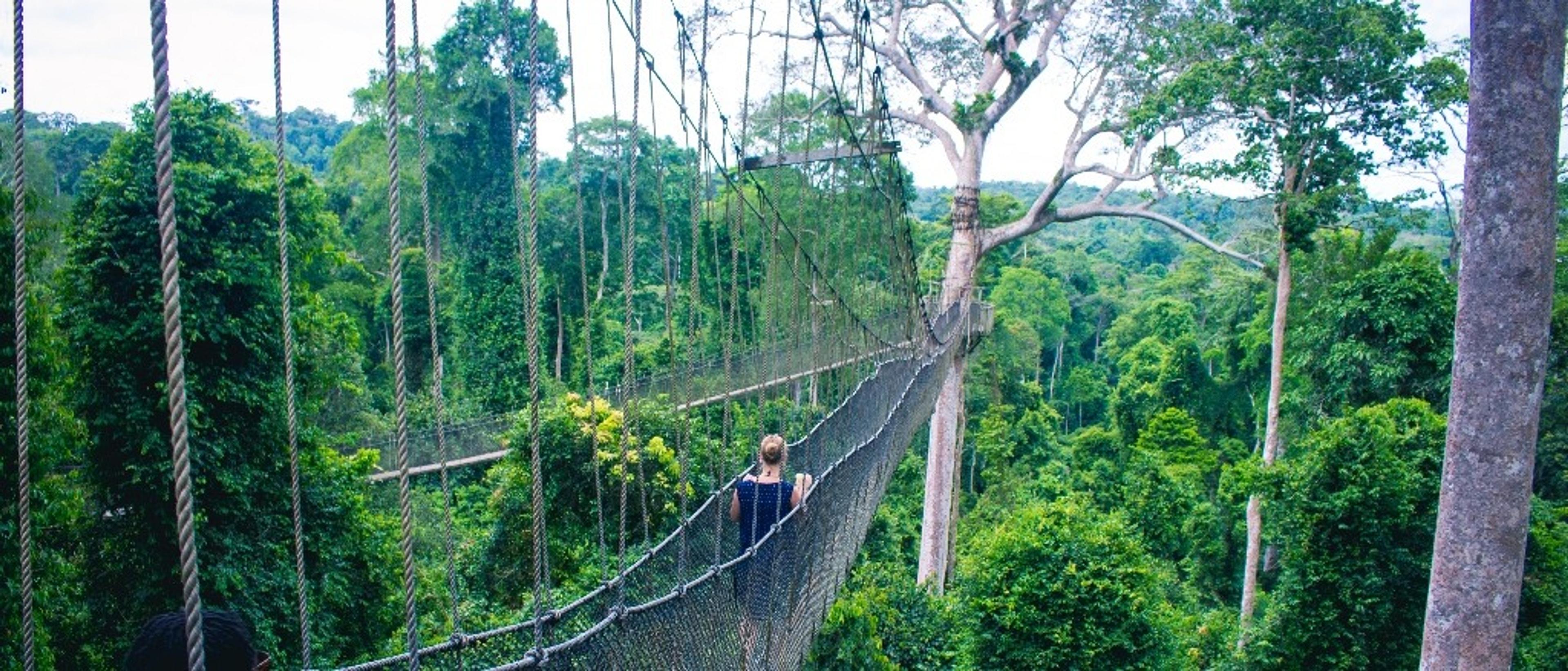
In particular, we'd recommend beautiful Busua, which you can reach by heading westwards from Accra and Cape Coast - where we’d also suggest you make a stop-off to see Kakum National Park’s astonishing canopy walk.
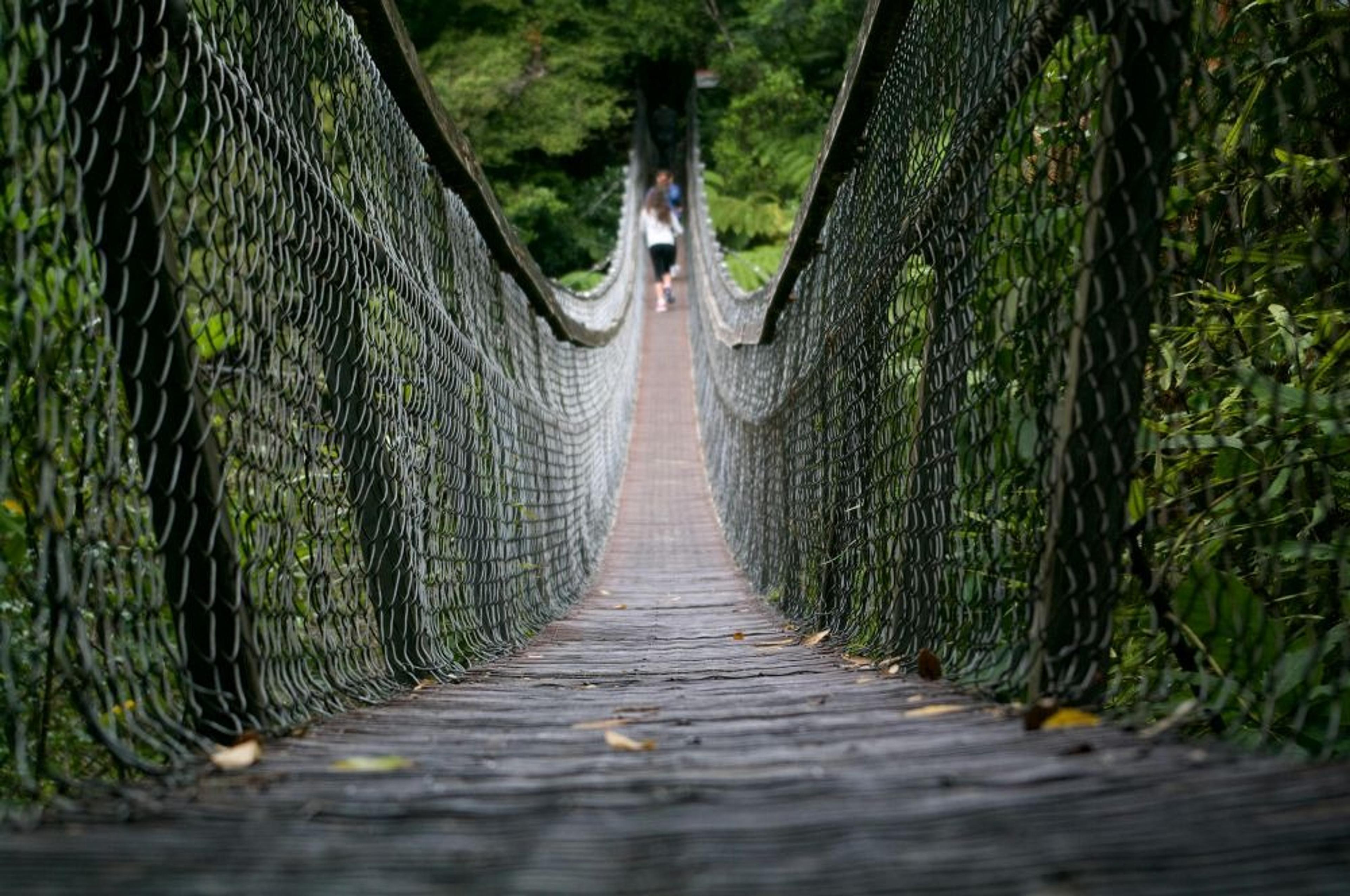
At Busua, you’ll find some of Ghana’s best surf (the village’s wave-loving community is covered in a brilliant Guardian profile here) as well as the deservedly-renowned Ahanta Waves.
Founded by Busua surfer Peter Ansah back in 2014, this budget surf-school comes with rave reviews from its guests and a laid-back eco-lodge of six rooms on the beach (price start from 200 Ghanaian cedi a night, or £20).
Take in the architecture inland
The southern beaches of Ghana may be difficult to tear yourself away from, but set out on a journey northwards from the Atlantic coastline and you’ll find yourself with nearly limitless options for the seasoned adventurer: want to hike or mountain-bike through Kyabobo National Park’s peaceful hills?
Or maybe you’d prefer to head to Paga and meet the sacred (and domesticated) crocodiles of the local ponds?
Us, we’d take the opportunity to drink in the wonders of traditional Ghanaian architecture, which changes radically from north to south as different building materials become available.
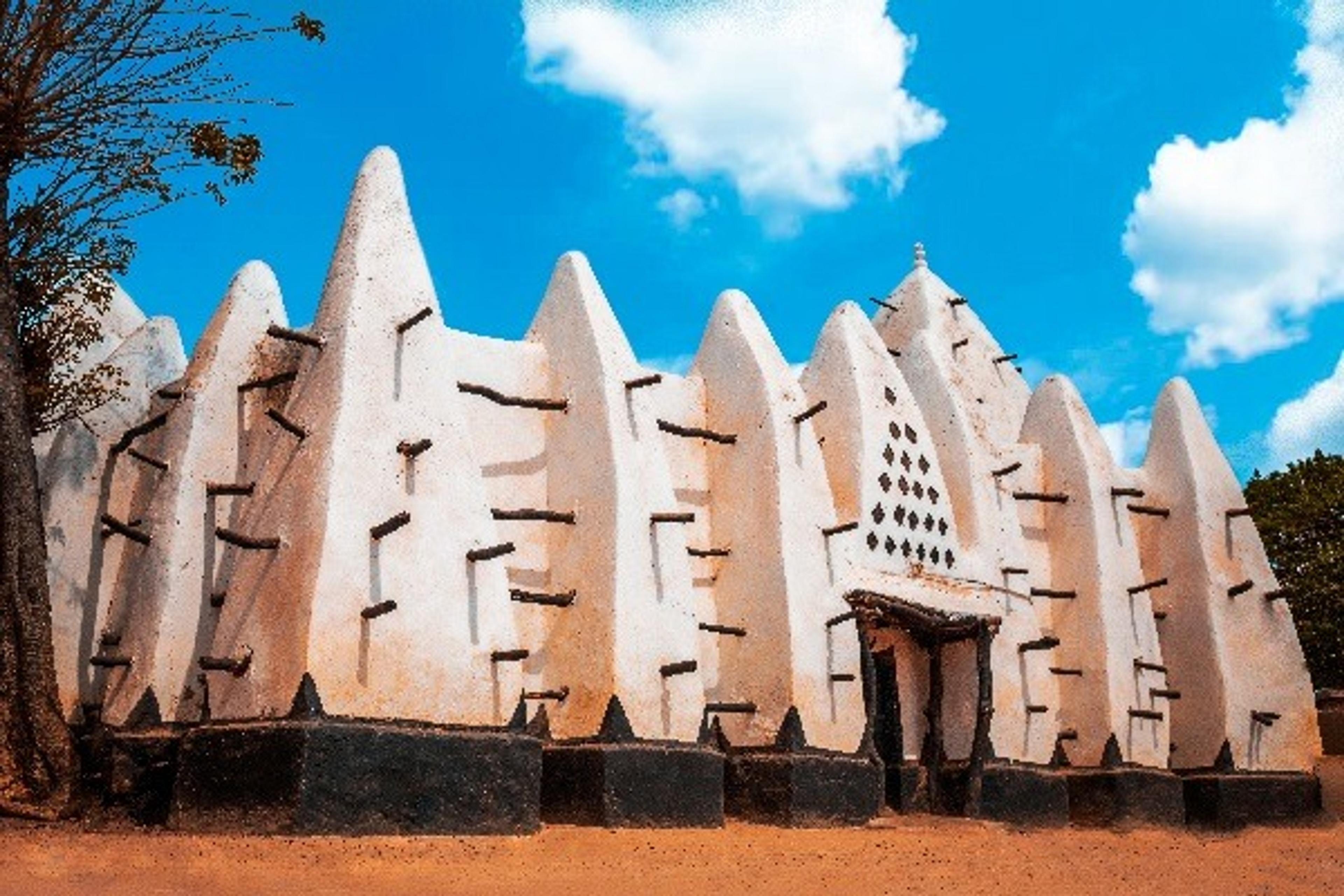
A great example is Larabanga Mosque, pictured above - just eight metres by eight metres, one of the oldest mosques in Western Africa, and an absolute marvel: built from traditional stick-and-mud methods and painted white, this remarkable structure has stood since the 14th century.
While visitors aren’t allowed inside unless they’re actively worshipping, the village’s guides will gladly tell you more about the ancient mosque’s history. (Atlas Obscura recommends you ask for Ibrahim, one of Larabanga’s villagers and a local guide.)
Further north and close to the Burkina Faso border, you can stop off at Sirigu, the ‘painted village’ - the walls of its homes painted in stunning colours of red, black and white. It even comes with with its own eco-lodge built to support a community of 400 local women artists - all the brainchild of Sirigu resident Melanie Kasise, who was recognised by the UN for her efforts.
What else do I need to know before visiting Ghana?
- From Ghana’s safe and affordable bus network to the (slightly less safe) motorcycle taxis, here’s Lonely Planet’s advice on getting around.
- While English is the lingua franca of Ghana, the nation has over 80 different languages, so get your phrasebook ready and start brushing up. Here’s a few common phrases and words in Twi, the second-most spoken language, from The Culture Trip.
- Here’s OkayAfrica attempting to settle the eternal cuisine question - who does jollof rice best? (Ghanaian chef Patti Sloley also has a fun deep-dive on the West African jollof wars here.)
- Travel Noire has a great series of tips for travellers to Ghana (from getting your jabs to dodging the infamous dumsor blackouts), while Lonely Planet has a handy article that focuses on good manners (remember to eat your fufu with your right hand; avoid using the thumbs-up sign).
Have you visited Ghana? We'd love to hear all about it! And please do share your tips for first-time visitors in the comments 