Passport to the Parks: Kenai Fjords National Park

Olivia Louden
Since the first US National Park was established in 1872, sixty-three others have popped up. Each one does things a little differently, and this series is our chance to break them down. Today, we’re heading alllll the way up to the Alaskan coast to check out Kenai Fjords National Park.
Alaska’s rugged, wild national parks tend to have a bit of a learning curve, and this beautiful icy gem is no exception. Hopefully you packed your sea legs!
Quick Facts about Kenai Fjords:
- Established: 1980
- Size: 1,047 square miles (2,711 km²)
- Location: Kenai Peninsula, on the Southern Alaskan coast
- Nearby towns: Seward is directly outside the park, but Cooper Landing (an hour away) sometimes has cheaper accommodations.
- Closest airports: ANC in Anchorage (about a 2.5-hour drive away) is the only airport in the region, but it’s connected to the park via train (about a 4-hour ride).
- Best time to visit: June-August
- Biggest highlight: Those insane coastal views!
Unlike most US National Parks, where cars and campers are king, Kenai actually has very few roads and very little traversable land. The park is centered around the Harding Icefield (the largest icefield entirely in the US) and the roughly 40 glaciers that it spawns, so about half its land is actually frozen solid in a big chunk of ice.
Since Alaska’s climate can be just the tiniest bit brutal, this is really a summer destination. From October to May, the park is unavailable for pretty much anything besides snowmobiling and cross-country skiing, so we’ll be focusing on the warmer months.
We’ll start our tour up at Exit Glacier, the only corner where you can drive around and hike like any other national park. If you don’t book a boat tour, this is where you’ll be spending your time. Here you can observe the edges of the icefield, where plants are slowly beginning to retake the gravel valleys that used to be under the ice. Look for the lupines – those purple flowers are one of the first signs of new life.
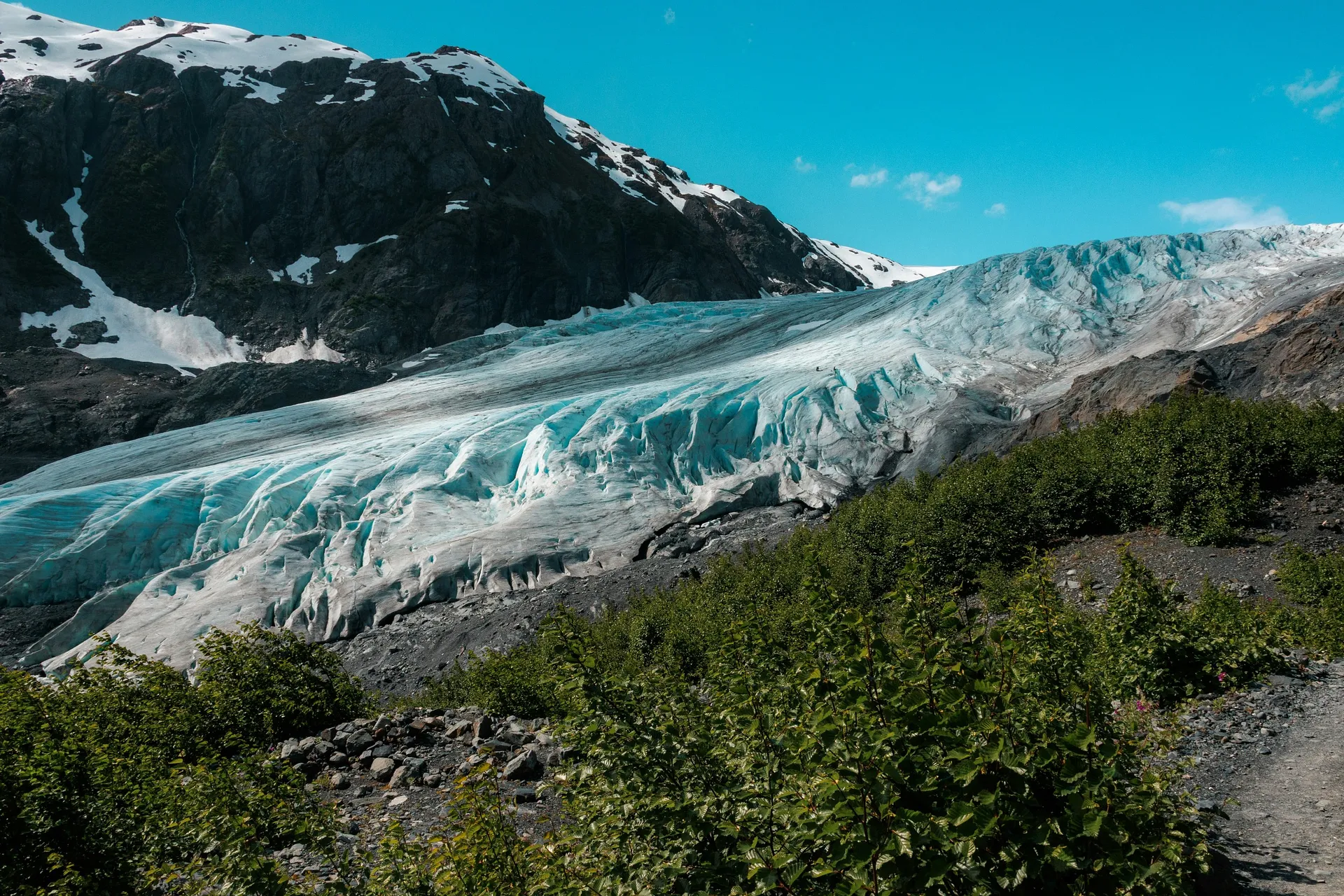
This section of the park is actually pretty easy to reach and worth a stop even if you don’t have time to get on the water. You can catch great views of the titular glacier with just a 15-minute drive from Seward and a hop down a short, wheelchair-accessible trail from the visitor’s center.
You’ll find a handful of gorgeous icefield trails up here too, along with Kenai’s only campsite. It’s first-come, first-serve and only has 12 spots, so arrive first thing in the morning if you’re visiting during peak summer.
Whether you’re pitching a tent or just traversing along the glacier by foot, keep an eye out for bears, moose, and mountain goats. And if you hear a noise that sounds like someone blowing a whistle, don’t assume it’s a bird – it’s probably one of these critters.
Aaaaand that’s about it for land-based adventures at this park! Experienced outdoorspeople can take on a treacherous backcountry trek, but for most of us, it’s time to get out on the water.
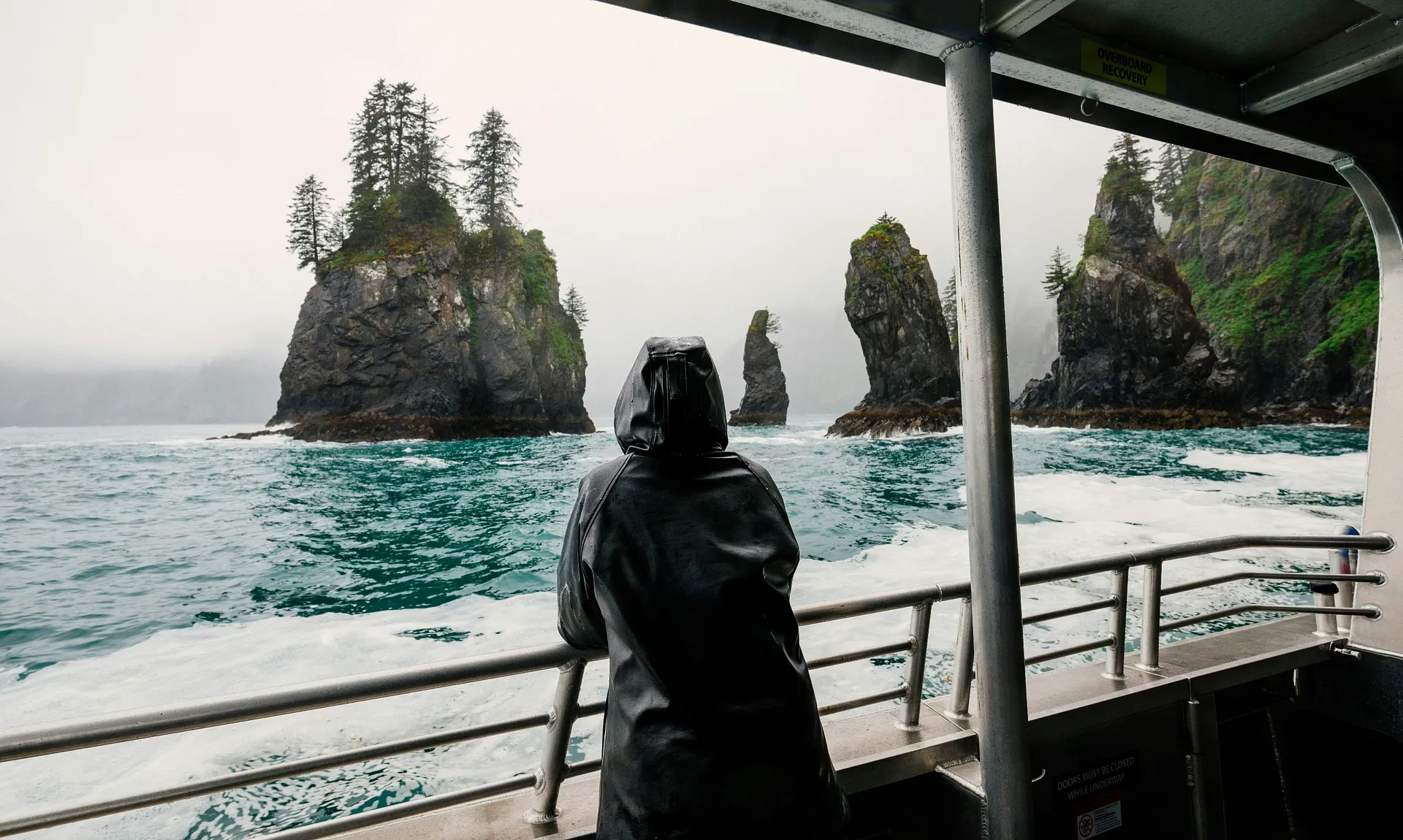
The NPS doesn’t run any official boat tours, so you’ll have to pick from a handful of local operators. The official Seward city website lists several options to get you started, and you can see quick comparisons of the major operators in this review. The most popular offerings are half-day and full-day excursions, but you can also find short tours that last only a few hours, as well as longer, multi-day cruises that take you to more remote regions of the park.
Most tours leave from the Seward Harbor, meaning you can land at Anchorage, take the train to Seward, and hop right on a boat to see the park, all without needing to rent a car. Who’da thought one of the most car-free-friendly National Parks would be in Alaska, of all places?
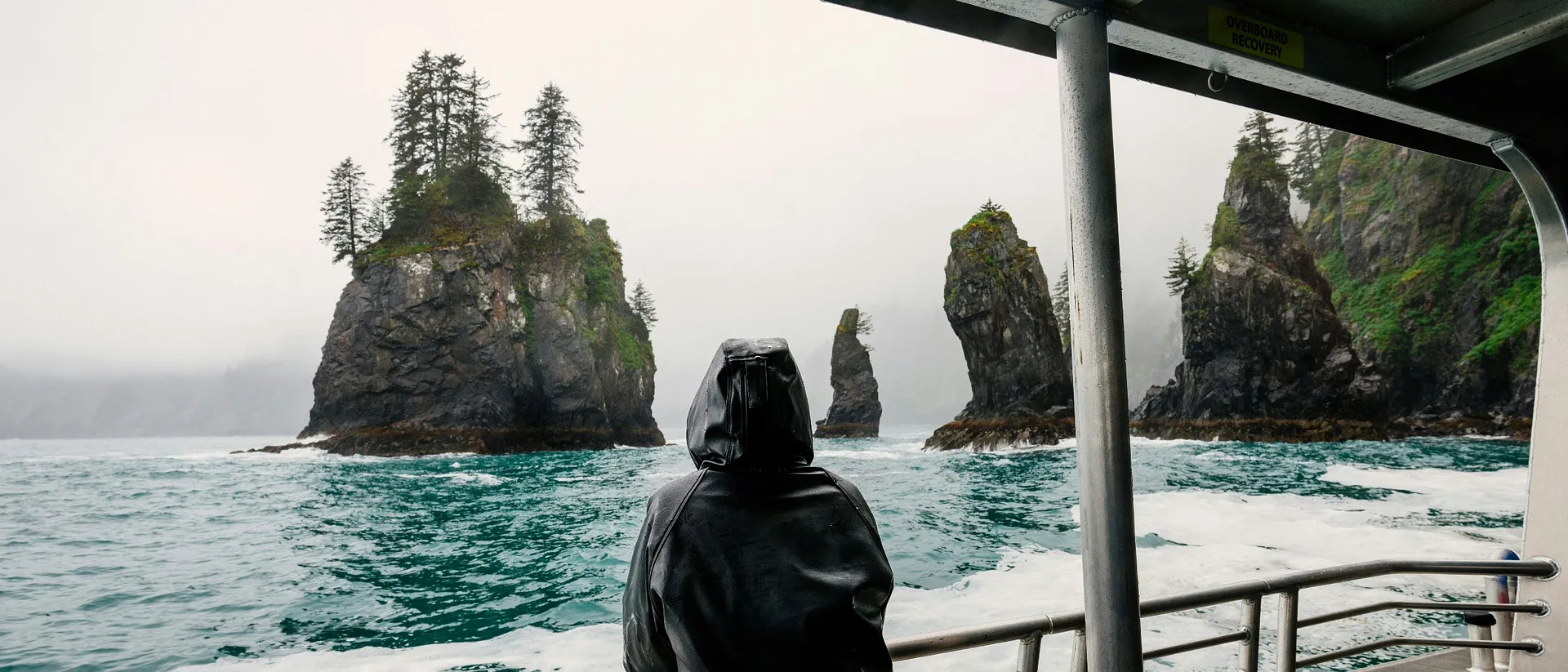
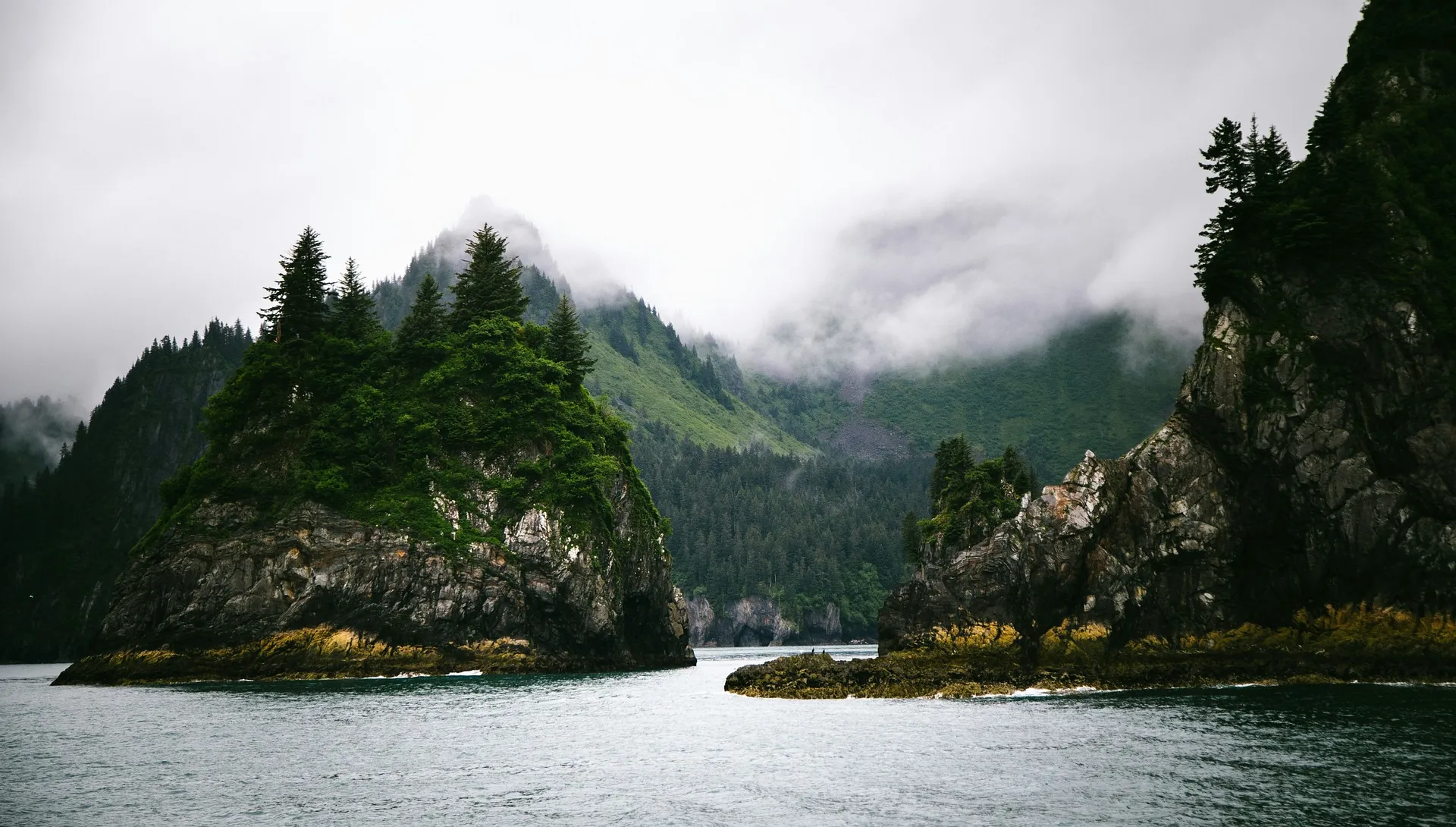
Hop aboard your chosen vessel, and soon you’ll be skirting along the Alaskan coast, dipping past icebergs into different bays and inlets to view glaciers, dramatic sweeping valleys, and rocky evergreen cliffsides. Shorter tours usually spend their time in Resurrection Bay, with its pine-topped pillars rising up out of the sea (pictured above). Longer routes might take you around Cape Aialik, through island chains, or deep inside fjords, bringing you face to face with behemoth walls of blue glacial ice.
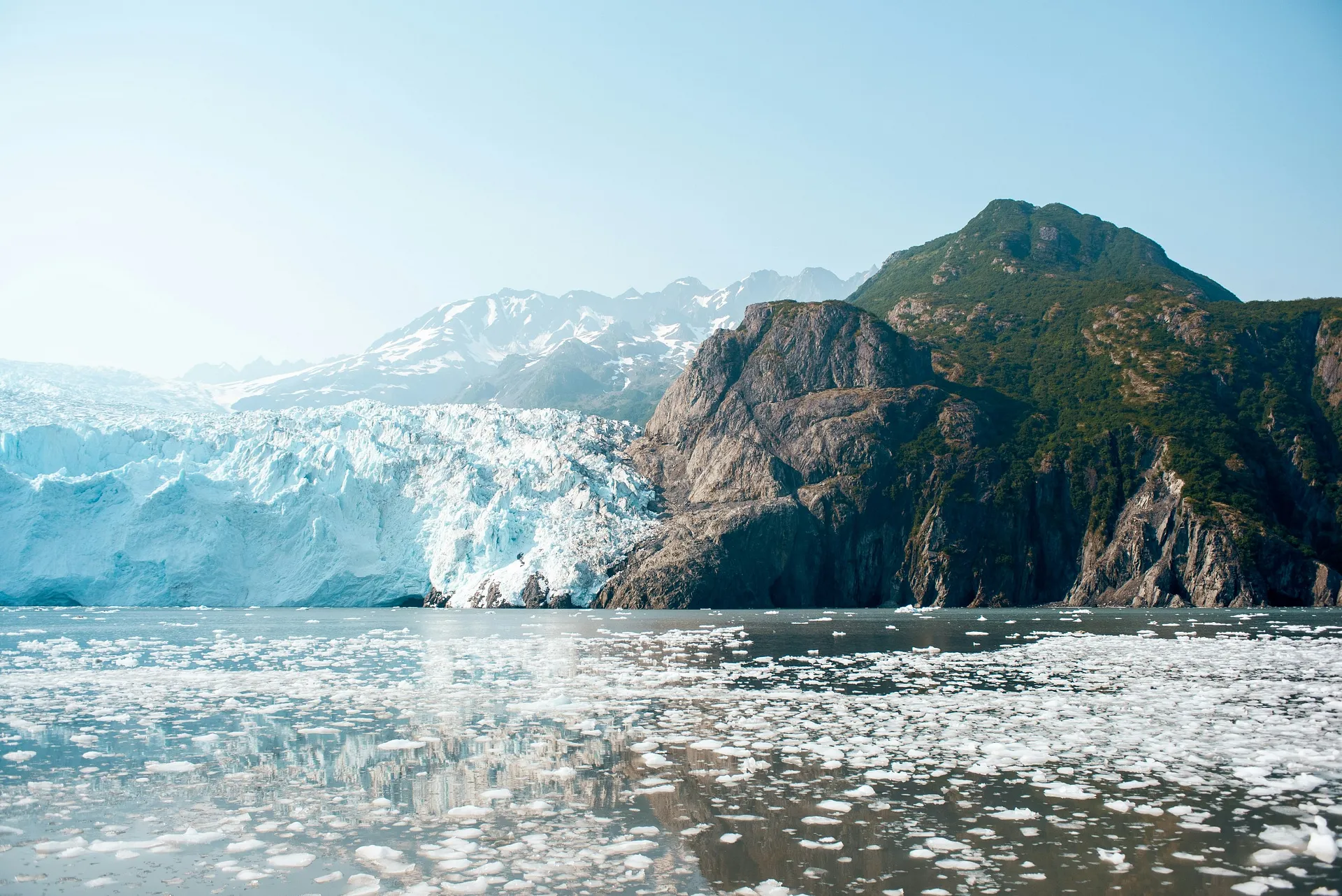
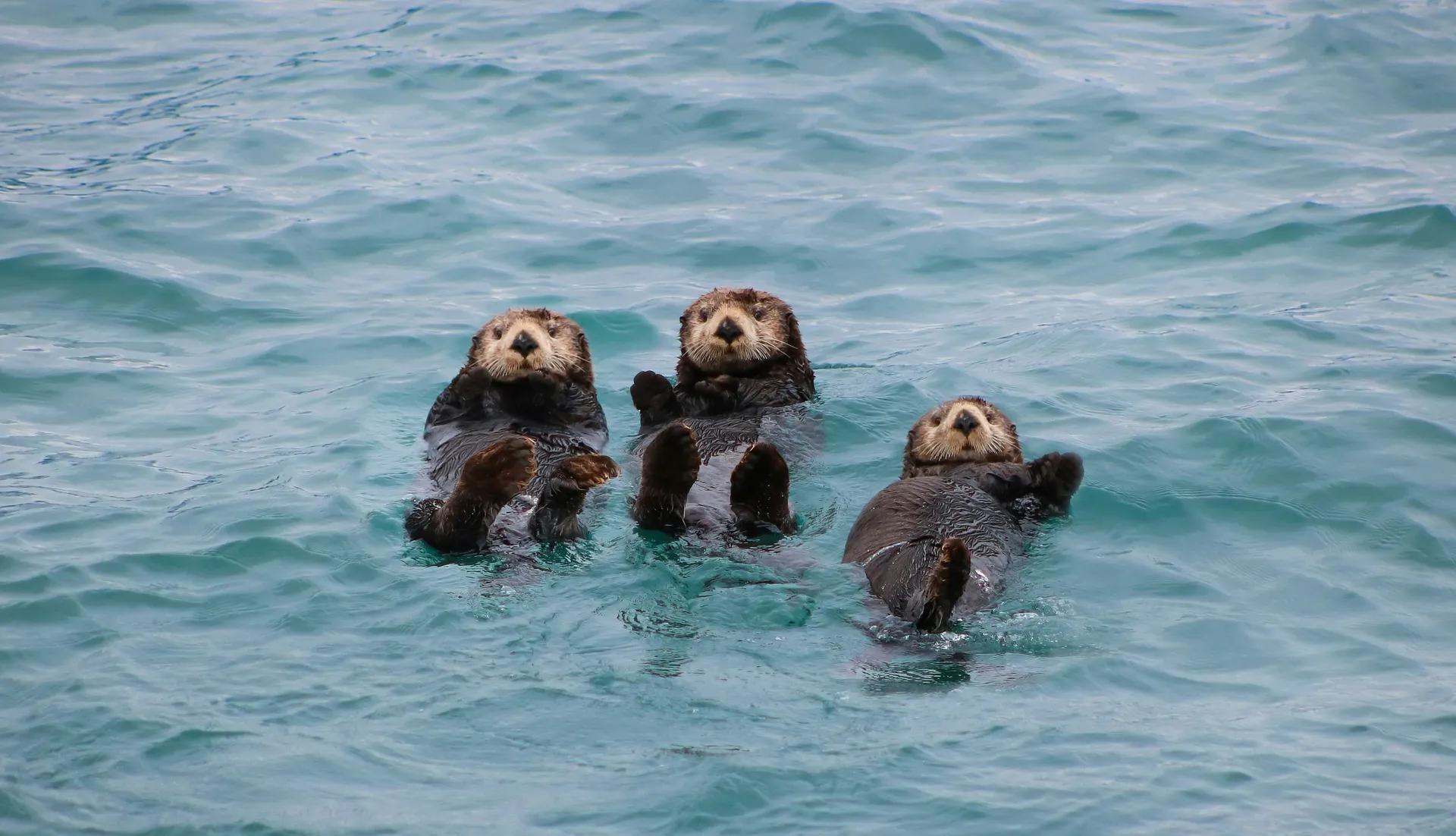
The longer your tour, the wilder the scenery, and the more likely you are to meet the local fauna. With so many islands and hidey-holes along the water’s edge, this is paradise for marine mammals. Sea lions tend to colonize some of the more secluded beaches, and you might spot seals, otters, and porpoises diving around and enjoying the chilly subarctic water.
Summer is also when whales pass through Alaska, and many tours are specifically designed for whale watching. Depending on your timing, you can see humpbacks, gray whales, fin whales, and even orcas cresting through the water.
Birdwatchers are in luck, too – Kenai Fjords has so many bird species that there’s an entire Wikipedia page just to list them all. Keep a sharp eye out for bald eagles, cormorants, and auklets. In June and July, the place is covered with puffins, and you can book a tour that takes you past their rookeries.
If you want to get even closer to the water, you can ditch the big boats and see the park via kayak. This is the traditional method of travel in the region, and people from the native Sugpiaq (also known as the Alutiiq) culture have been navigating these waters by qayaq for centuries. You can even admire a traditionally built qayaq in the park’s visitor center.
While cruising at water level past the rugged Alaskan scenery might be the most authentic way to experience the park, it can also be a bit of a challenge. It’s extremely dangerous to paddle the rocky waters from Seward into Kenai, so kayak rental shops tend to have strict screening processes and require various certifications and skillsets. Unless you’re a highly experienced kayaker eager to test yourself, you’ll want to book a tour to guide you to the more suitable paddling spots.
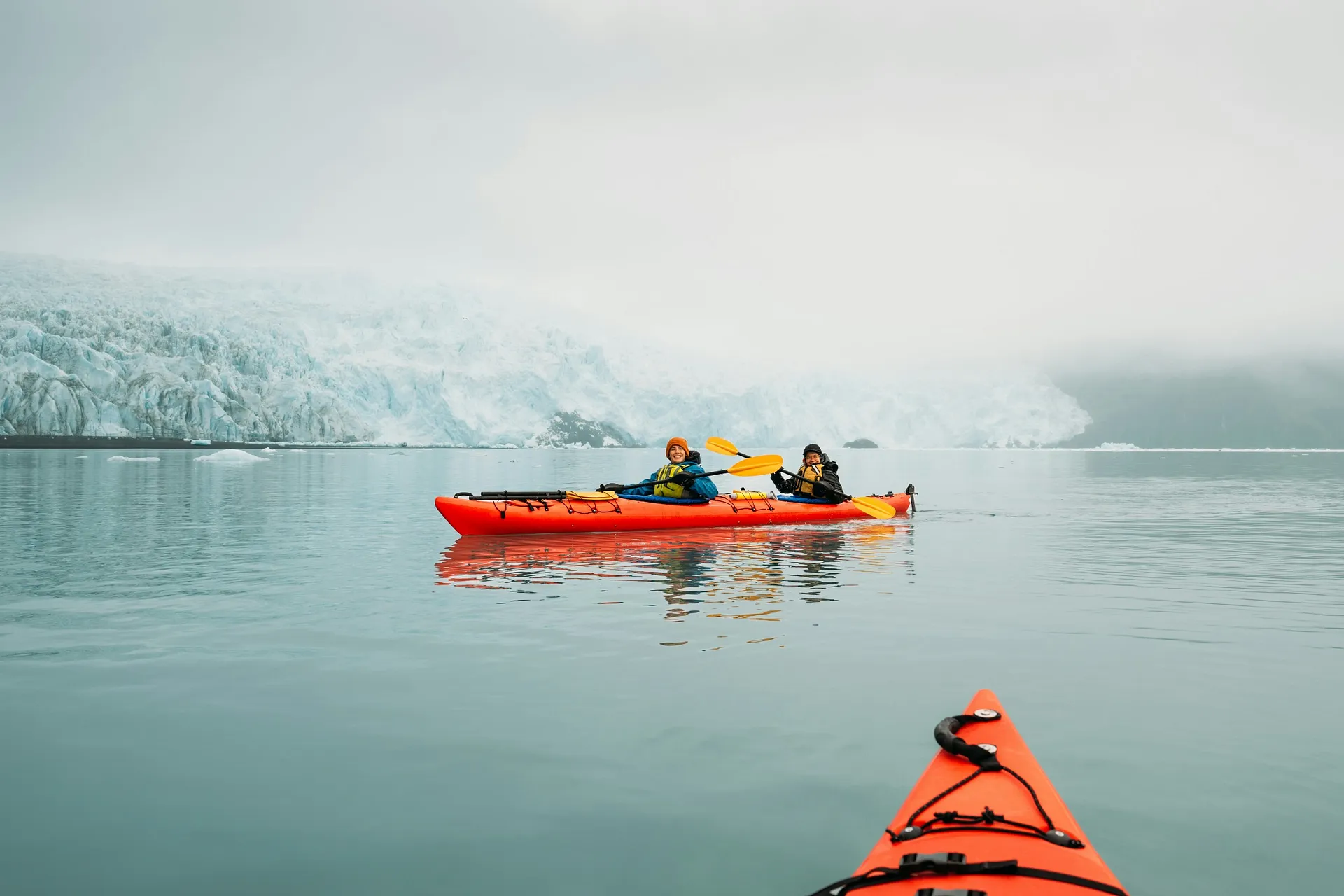
Even when traveling with a guide, this isn’t the easiest kayaking spot, so you’ll want to err on the side of caution as you shop for tour tickets. Most companies’ descriptions clearly state the skill level required, so be sure to take heed. Come prepared, and you can get to know the park in a whole new way, up close and personal with the otters and puffins.
Because while Alaska may be harsh and wild, its rich history and raw landscapes reward those who take the plunge.
Have you ever been to Kenai Fjords? Got any tour company recs or must-see viewpoints? Drop it all in the comments!