The Modern Miracle of Jet Lag (and all its wacky cures)

Olivia Louden
There’s something so fascinating to me about the concept of jet lag. After millions of years of naturally waking and sleeping in rhythm with the sun, humans finally figured out how to outrun it. We now treat the disruption of one of our most basic biological systems like an everyday nuisance, even though it was an unimaginable experience for most of Earth’s history.
People have been aware of “time zones” in some form for a lot longer than we’ve been dealing with jet lag. Dante even mentioned the concept in Purgatorio, when he wrote that it was midnight in India and noon in Spain, but he had no way of knowing what would happen if someone made that entire journey in one afternoon.
The first person to actually experience and record the sensation of jet lag was the aviator Wiley Post, who wrote about changing his sleep schedule across time zones when he circumnavigated the globe in 1931. That makes jet lag younger than Mickey Mouse and David Attenborough!
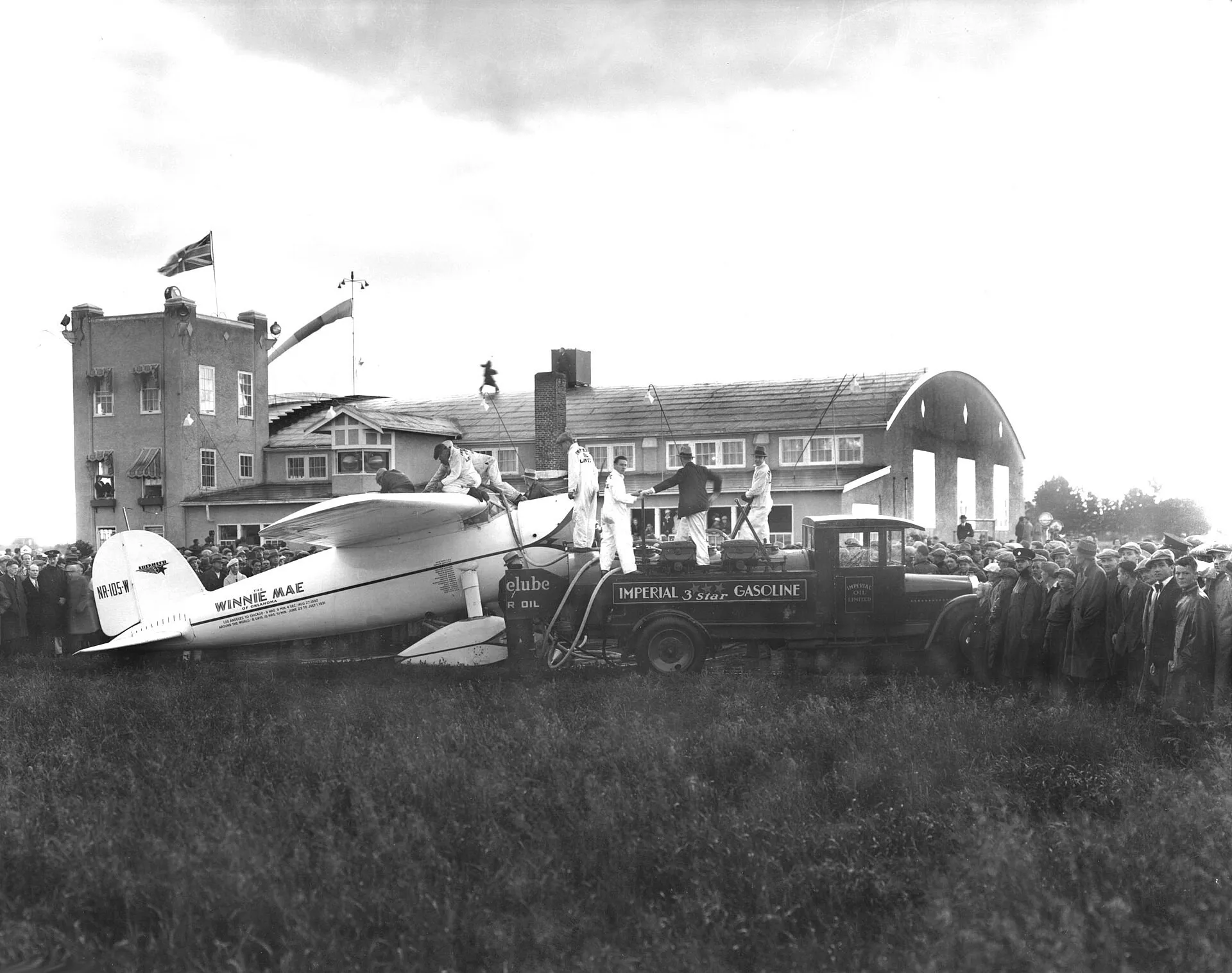
The Winnie Mae — the plane that Wiley Post flew around the globe
Newspapers in the 1960s (when commercial flight was starting to boom) wrote about the condition like it was a bothersome new side effect of the modern era, similar to how we write about doomscrolling or deepfakes in 2026. So while jet lag may seem like a commonplace nuisance, we’re actually the first few generations to feel that way.
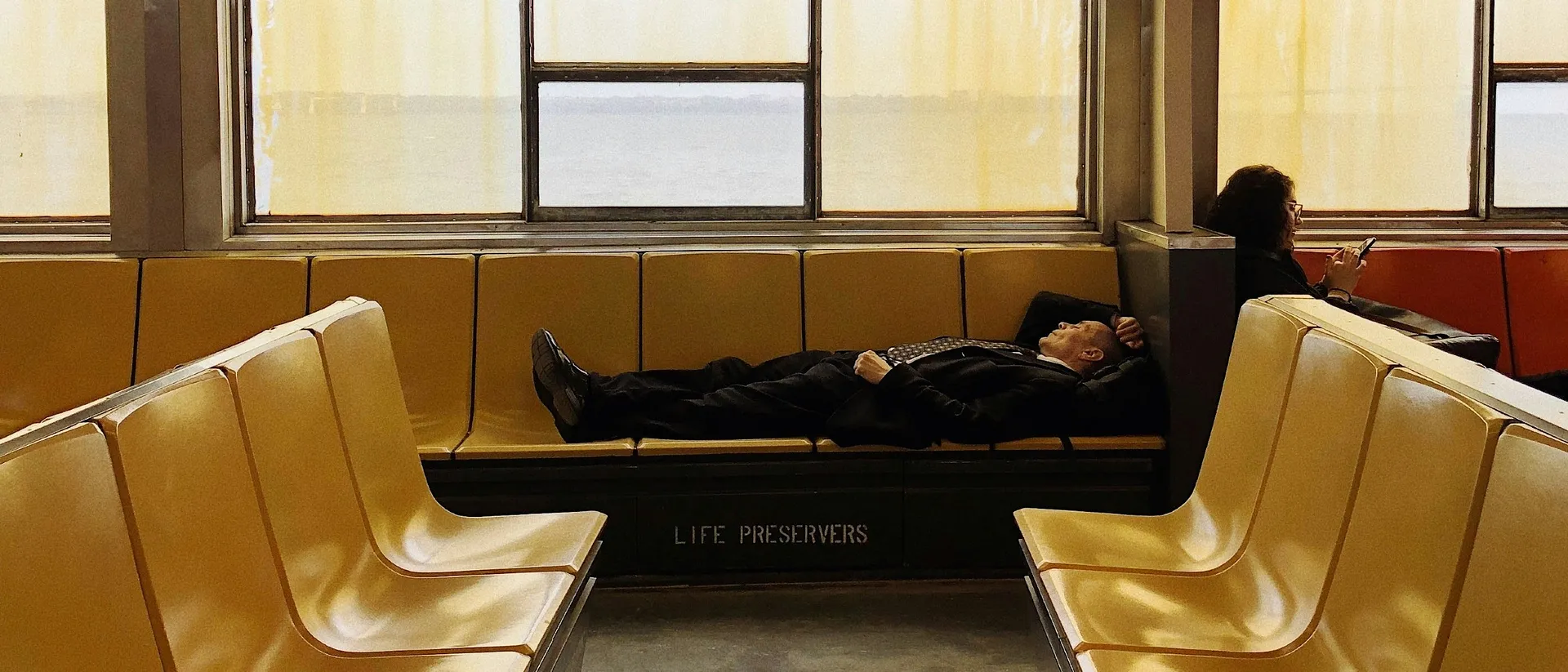
This is what I was thinking about in the days after my return from Europe last month, which gave me a nine-hour shift backwards in time. I’ve done that time zone shift before and never had the slightest problem with jet lag, so I always figured I was mostly immune to it. But for whatever reason, this one hit me hard. I crashed immediately when I got home and ended up on a seemingly unbreakable 6pm-2am sleep schedule, physically unable to stay awake until sunset no matter what I tried.
I spent an entire week in that weird limbo that most travelers find eventually, where you feel half like you’re at home and half like you’re still overseas. To quote a delightfully vintage newspaper article from 1966, “There you are having martinis with Grace and Rainier when you should be sipping orange juice.”
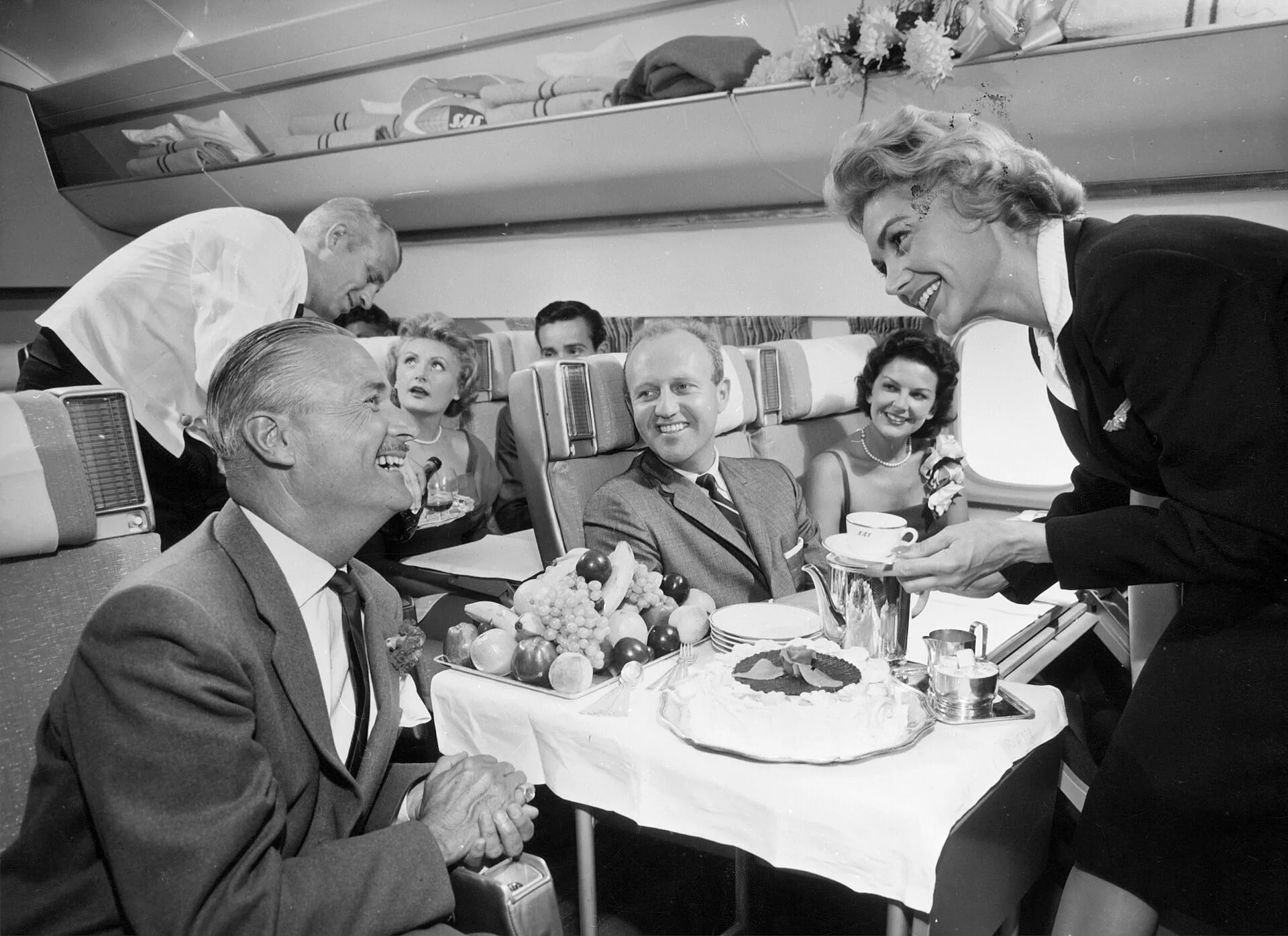
Unfortunately, the only jet lag cures that article could offer were avoiding overnight flights (not exactly feasible for today’s travelers) and resisting the urge to drink too many cocktails on the plane even though “there is nothing else to do.” Who knew those in-flight movies were also minimizing the spread of jet lag?
Lucky for me, the condition has been around long enough now that everyone and their mother has a cure they swear by. I had the Jack's team ask our community for theirs, and they did not disappoint. Digging through your answers (and doing some trawling in the depths of Reddit), I found a wide range of approaches.
First, you have your folks who carefully plan ahead. These travelers try to prevent jet lag before it ever hits by adjusting their schedule before they depart. This is what Wiley Post did before his record-breaking flight, so it’s actually the oldest jet lag cure in the book!
The most extreme (and reportedly reliable) version of this approach is known on travel Reddit as “the pilot’s method,” and involves a 16-hour fast that functions as a body reset, followed by a big breakfast at your destination’s breakfast time. Less intense variations might include getting up earlier or going to bed later than usual for a few days before your flight.
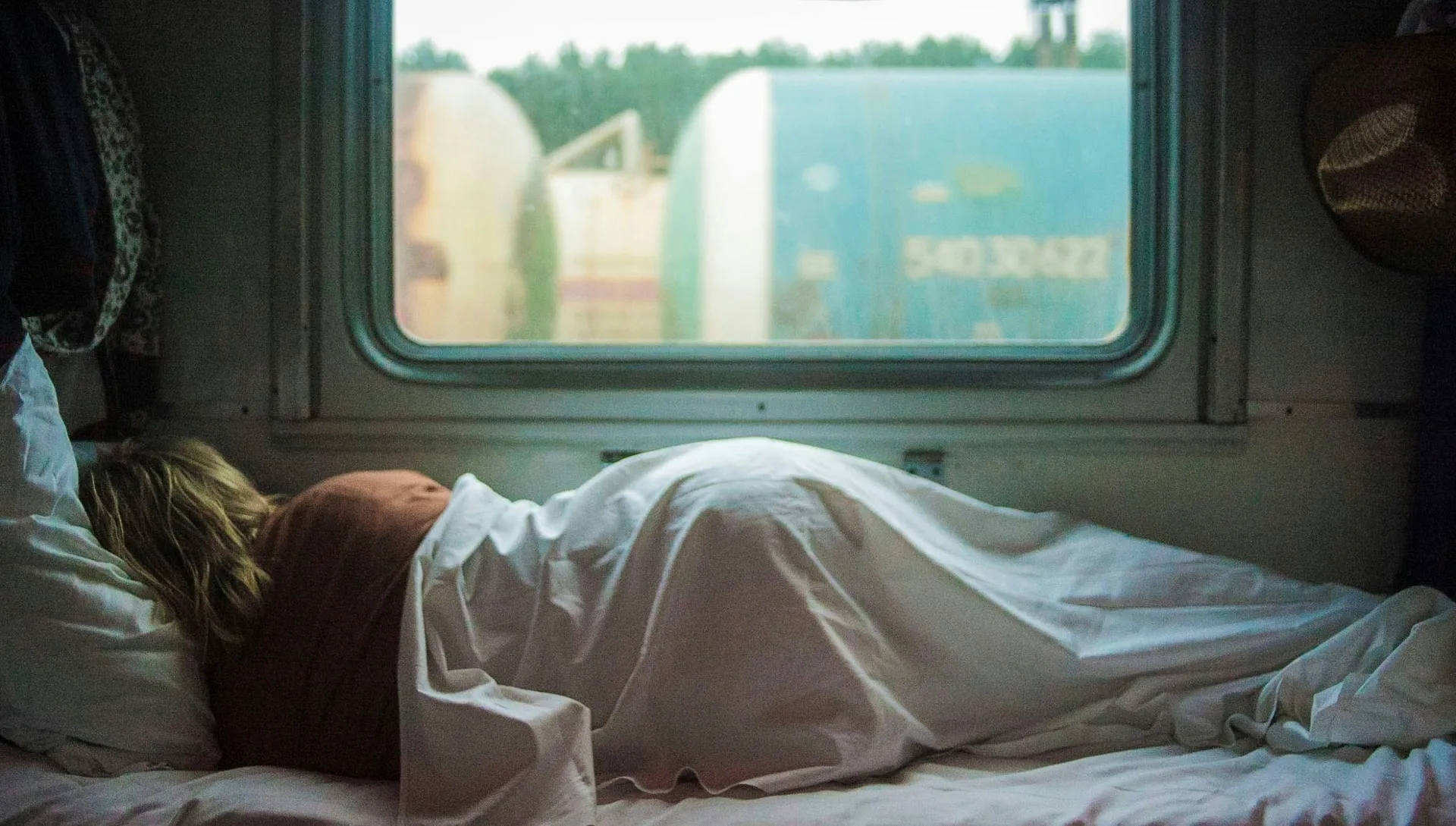
These methods put a spotlight on the core of most jet lag strategies: No matter how uncomfortable it gets, you have to force yourself to match the schedule of your surroundings. Eat at mealtimes even when you’re not hungry, stay up till bedtime no matter how tired you are, and so on. Your body takes so long to naturally adjust that you’ll lose half your trip if you let it call the shots.
To speed up that adjustment period, a lot of you swear by an app called Timeshifter. This app provides sleeping and eating schedules tailored to your trip, so it might be something to try if you’re the organized type and want to stick to a strict regimen.
Other popular “rescheduling” tips include taking sleeping medications or wearing yourself out with exercise when you’re too wired to sleep, and starting your trip with a low-key day when you’re too tired to go out much. People disagree on the effectiveness of caffeine — some point to it as an obvious cure for daytime sleepiness, and others say to avoid it because it doesn’t actually affect your circadian rhythm.
Another common type of jet lag advice is the concept of “grounding,” or connecting your body to a new environment shortly after you arrive. These methods harken back to the idea that jet lag is a new and unnatural experience for humans to undergo, so they take a gentler and more naturalistic approach to help you settle in.
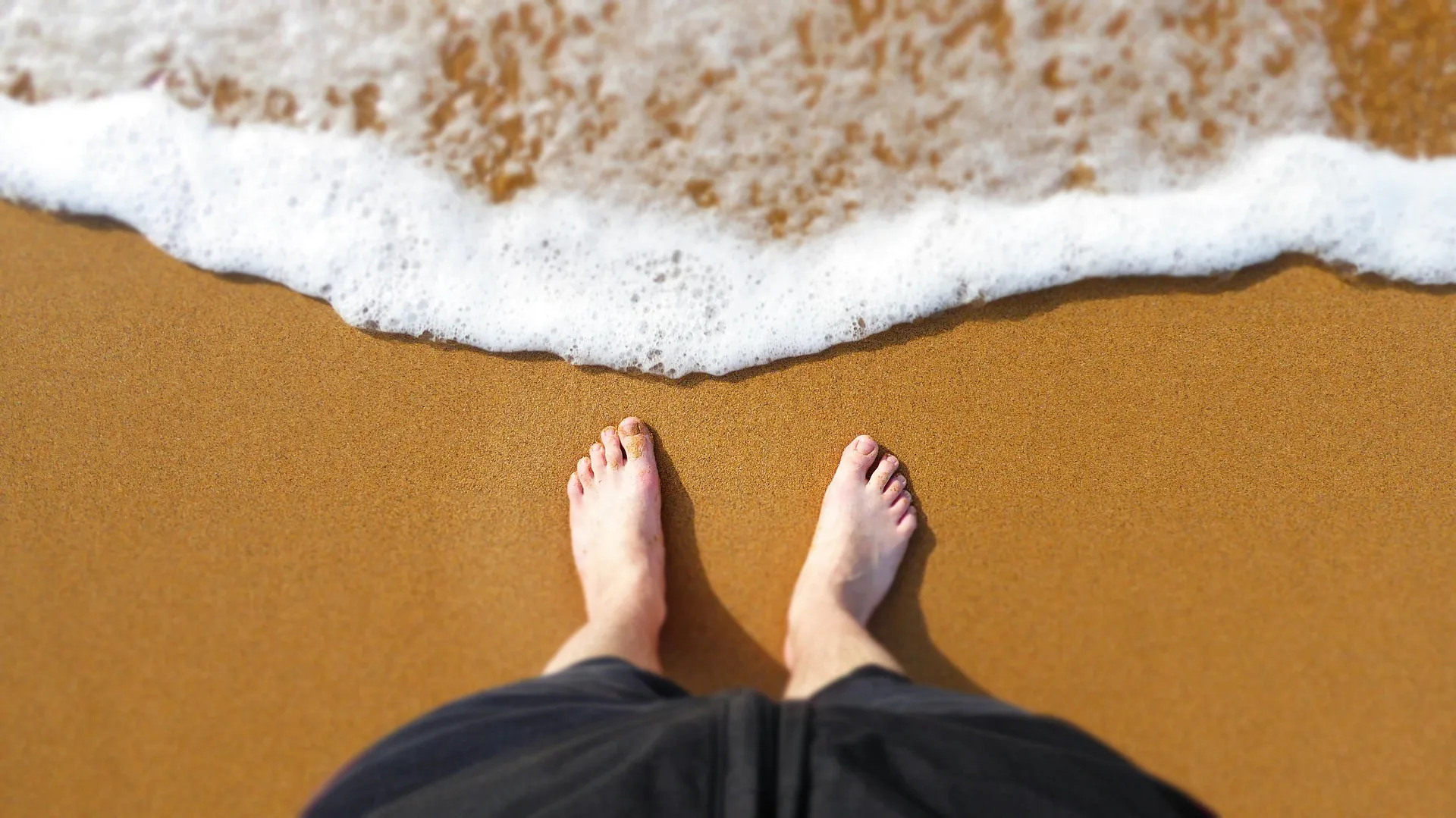
The most popular tricks in this category are getting lots of sunlight during the day and walking barefoot on grass or sand. So if you’re not the “fast for 16 hours and download a scheduling app” type of traveler, maybe just plan to start your trip with a lazy beach day?
What goes in your body might also have an effect. Meals rich in protein can wake you up, and those rich in carbs can make you sleepy, so planning your diet ahead of time could help take the edge off. One recent study even found that eating chili and chocolate helped some passengers recover more quickly.
A lot of other “jet lag cures” are really just health tips that could apply to any strenuous experience, like drinking lots of water, limiting alcohol intake, and wearing compression socks to soothe any aches or swelling. As with anything, jet lag is easier to handle when your body is at a healthy baseline.
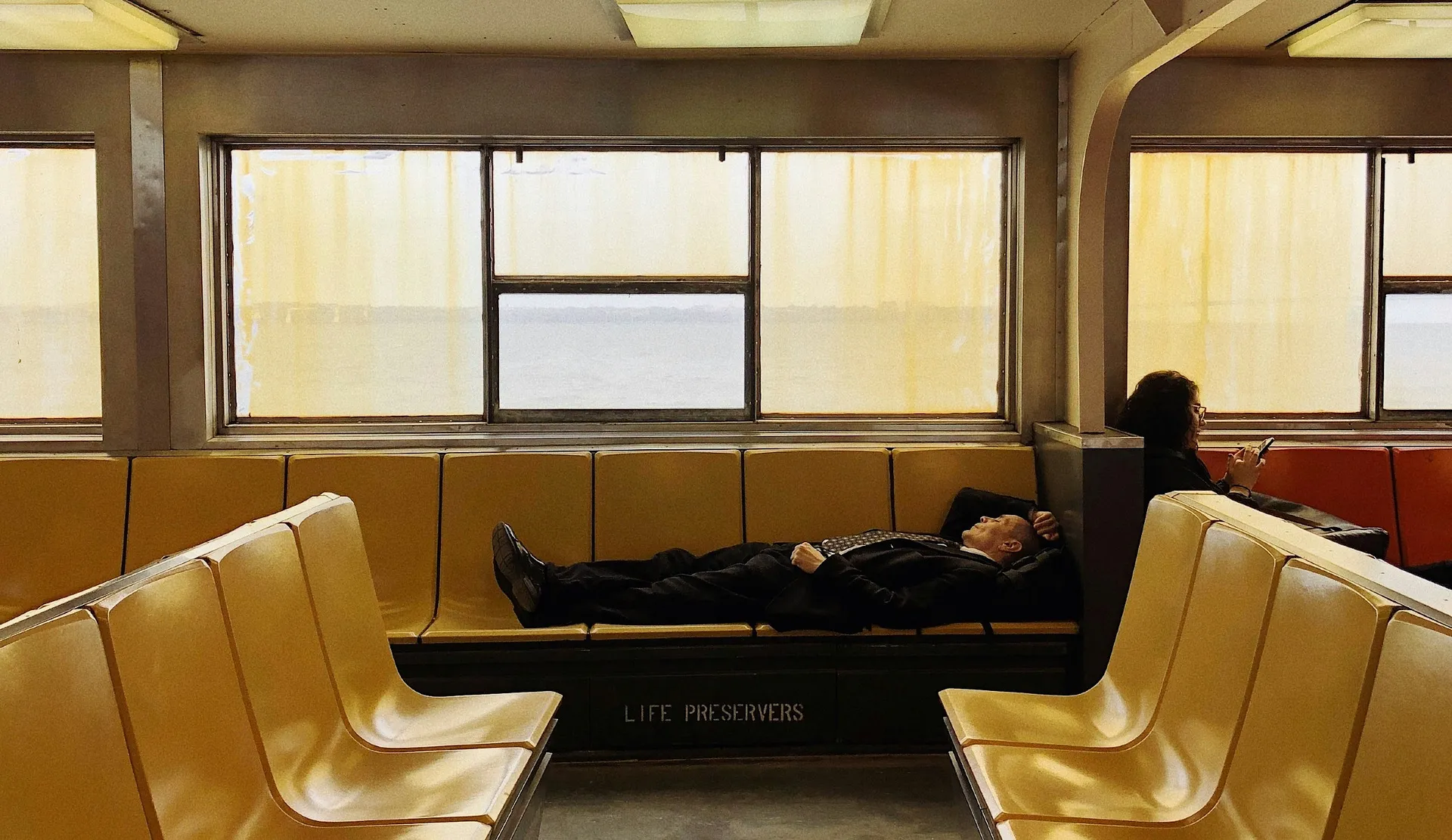
And if all else fails, you can always fall back on this succinct response to a Reddit post requesting jet lag advice:
“Just pretend everything's fine while feeling like sh*t.”
Spoken like the great poet Dante himself.
Ultimately, I ended up appreciating my jet lag for what it was: a strange, uncomfortable experience that I’m among the first few billion humans to have.
Plus, jet lag science has gone from “don’t get drunk on planes” to “download this app that reschedules your body clock” in just sixty years! Maybe in the future, jet lag will be a thing of the past, and we’ll be the lucky few who know how it feels to be mentally having martinis in Monaco when we should be drinking orange juice :-)