Four Places to Sink Your Teeth into Vampire Lore

Olivia Louden
While they might be most associated with goth clubs and glittering heartthrobs these days, the legend of the vampire actually goes back millennia. The ancient Mesopotamians were spinning yarns about bloodsucking undead over 5,000 years ago. The popular image of a vampire has evolved numerous times since, leaving bloody fingerprints (or fangprints) all over the world.
And with that chill autumn breeze in the air and a cold mist hanging low over every creepy moor and haunted castle, it feels like the right time to sink our teeth in!
So whether you’re hungry to walk through the world of your favorite vampire novel, drown yourself in gothic aesthetics, or dig into some real-life macabre history, here are four vamp-related destinations with plenty of bite.
Haunt a Romanian Castle (or two)
While Eastern Europe didn’t invent vampires, they definitely set the tone for our modern depiction. Bram Stoker heavily borrowed from the region’s folklore to write Dracula, and the connection has stuck ever since.
This is most obvious in the link between Count Dracula and Vlad Dracula, better known by the cheery title Vlad the Impaler. You might know him from the legends about staking his defeated foes, drinking blood, and pulling tricks to convince enemies that his troops could turn into bats. Most of these tales are likely apocryphal, but they sure do make for satisfying vampire lore origin stories.
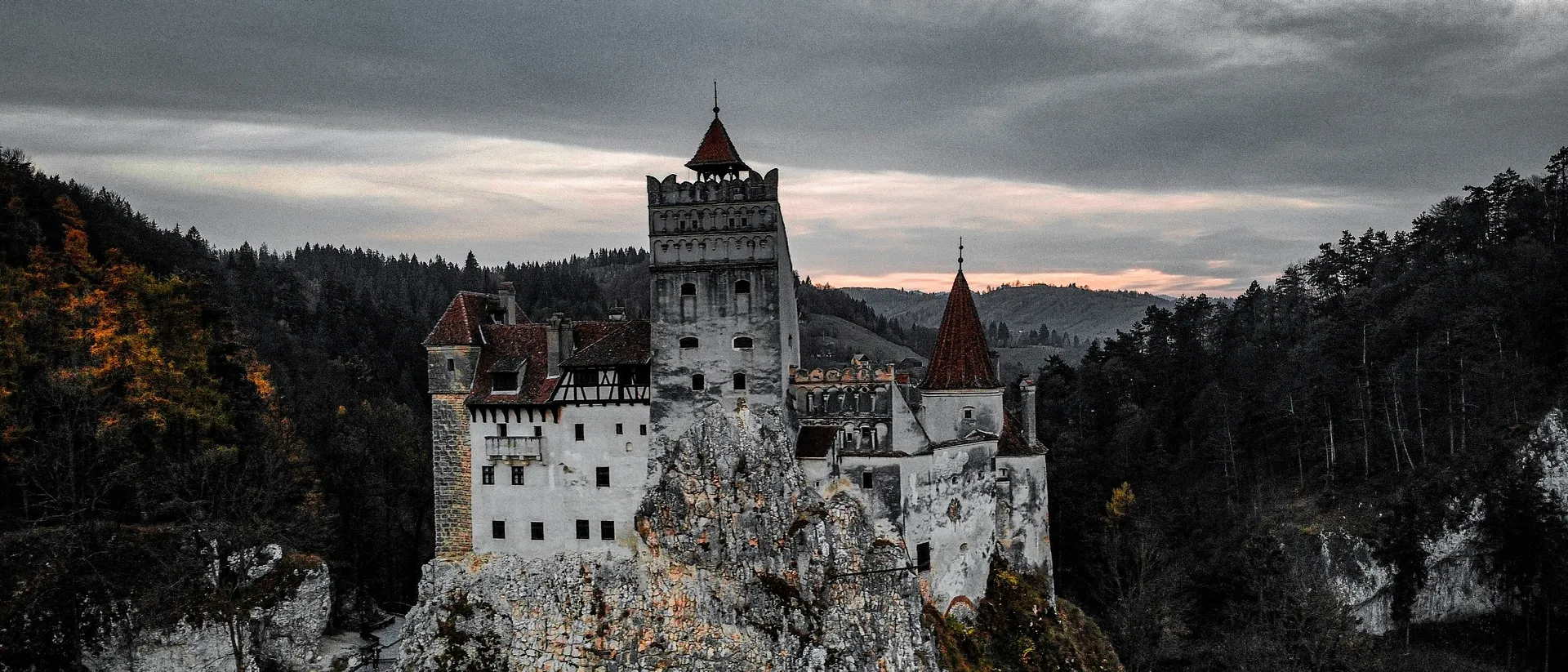
Today, several Romanian castles draw in vampire enthusiasts by playing up their connection to Vlad Dracula. Bran Castle is the best known and it certainly looks the part, perched up on the cliffside exactly as Stoker described:
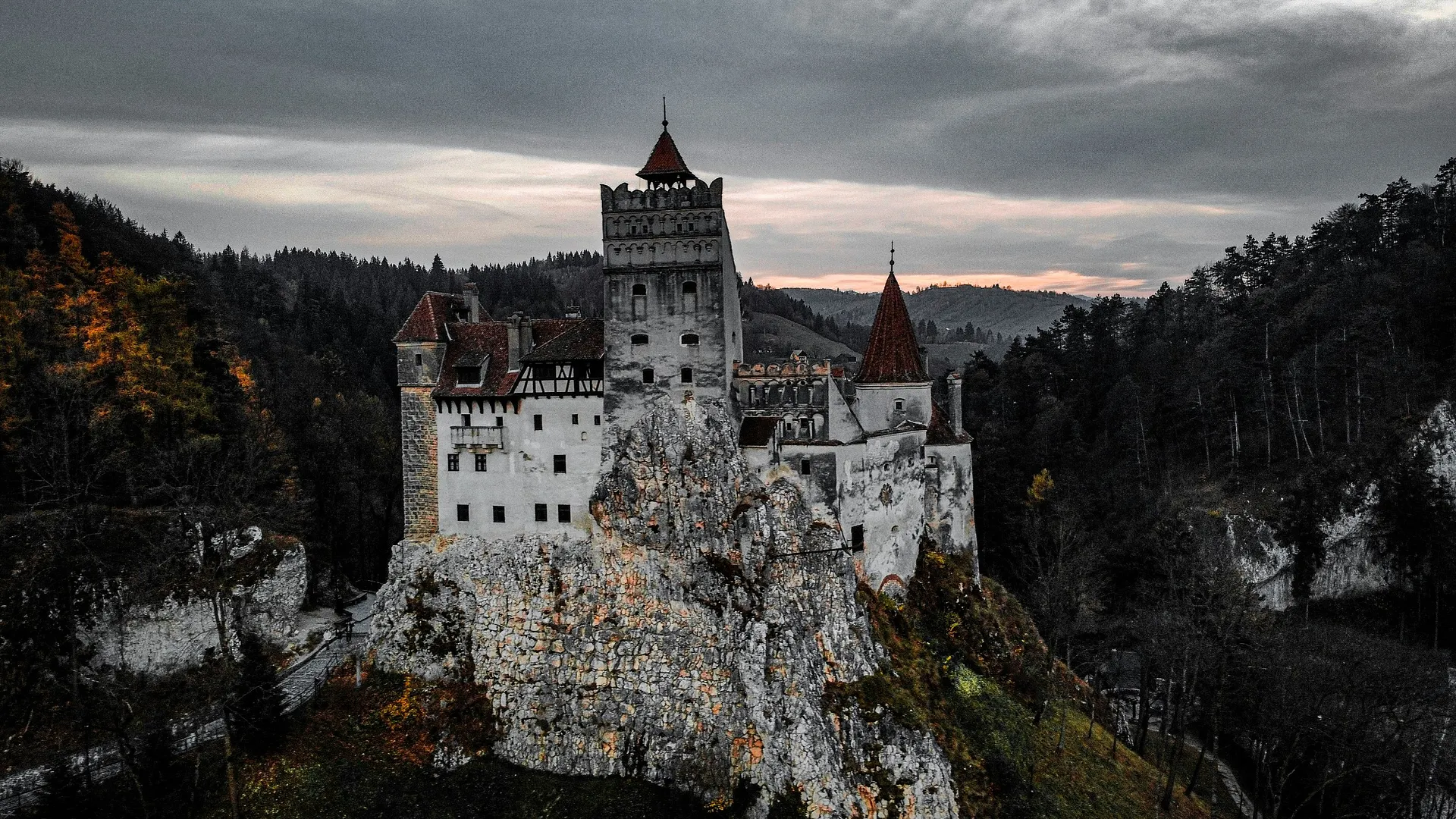
Unfortunately, Bran Castle doesn’t have any real historical connection to either Stoker or Vlad, but it’s still a fun visit for vamp fans. The entire area is rife with touristy vampire-themed gift shops and tours, and the castle puts on quite the Halloween party every year.
If you’re more interested in the actual history of Vlad Dracula, you’ll want to head to Poenari Castle instead, a few hours’ drive west through the Carpathians. This was the tyrant’s actual residence, but it’s a lot tricker to reach than Bran – not only is it more isolated and dilapidated, but it also requires you to climb up 1,000 steps.
There are a few more spots around the area with Vlad-related claims of varying believability, but one thing’s for sure: Visit a Romanian town with any connection to the ruler, and you’ll find vampire vibes galore.
Explore the real-life Yorkshire town from Stoker’s novel
Another spot for the Dracula fans!
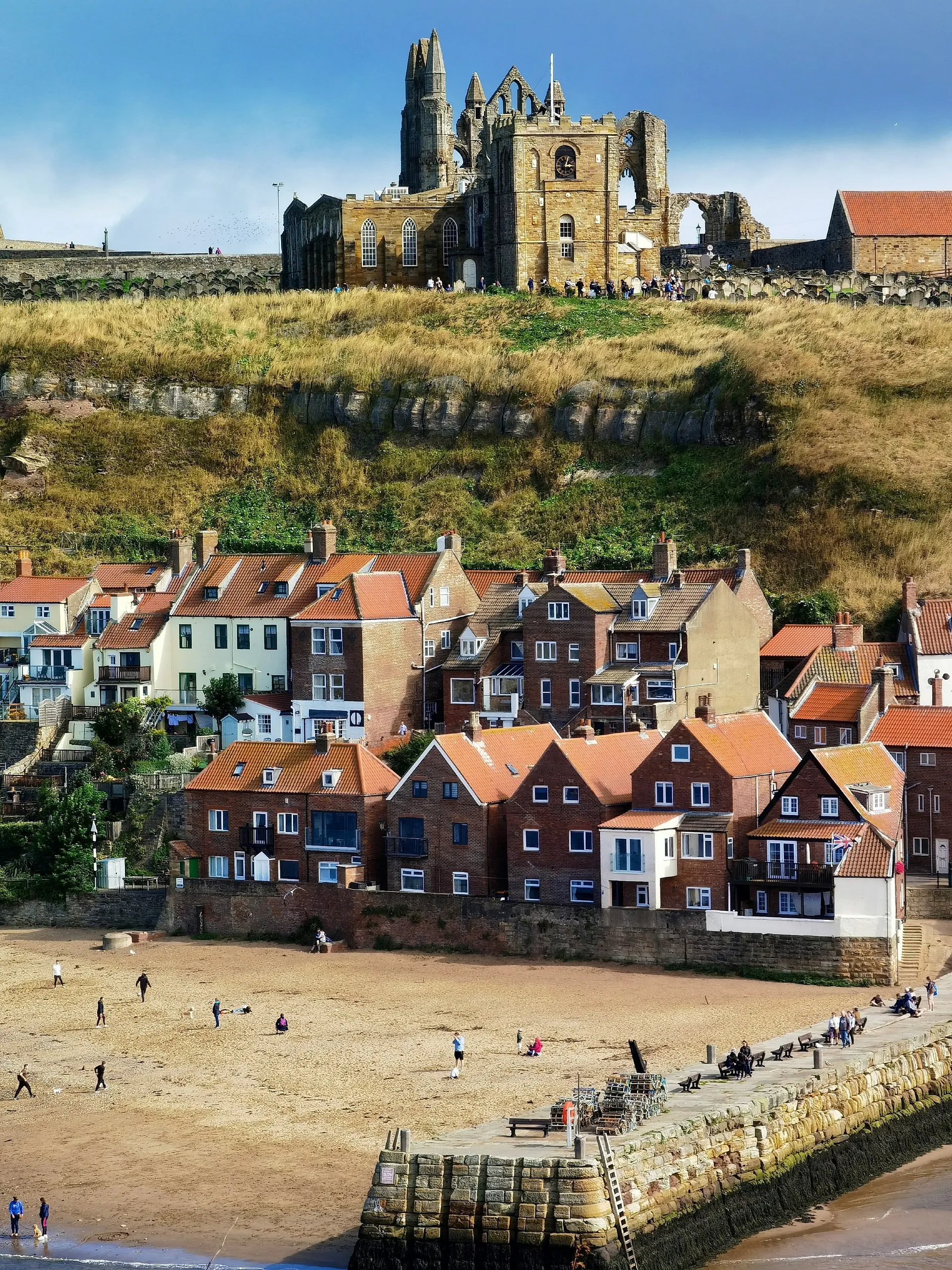
While Romania may have served as a cultural influence for the book, the coastal Yorkshire town of Whitby provided a more concrete inspiration. Bram Stoker spent time here while he was planning the novel and decided to incorporate the town itself into his tale.
When Dracula first lands in England, he crashes the ship Demeter into Whitby’s shore, transforms into a large black dog, and races up the 199 steps to Whitby Abbey. His first local victim is mentioned to be a man named Swales, and he later tangles with Lucy Westenra, who finds herself sleepwalking through the churchyard late at night.
Fans will be pleased to learn how many of these details are based in reality. There is, in fact, a Whitby Abbey overlooking the beach, and it really does take exactly 199 steps to reach it. The churchyard that Lucy sleepwalks at night is a real place, and you can even spot a headstone for a man called Swales – Stoker’s inspiration for the name.
Even the crashing of the Demeter has a basis in Whitby history. A Russian ship called the Dmitry ran aground on the same shore about five years before Stoker’s visit, and he wove it right into his story.
Today, Whitby leans into their claim to fame, and you can sign up for any number of Drac-themed tours around town. You can also enjoy a walkthrough attraction called The Dracula Experience, whose reviews can basically be summed up as “cheesy, but not bad for £7.”
If you still haven't drunk your fill of Dracula, head up to Scotland – the fishing town of Cruden Bay contributed a lot to the novel's mood and aesthetics.
Wander New Orleans like Louis and Lestat
Now we’re heading across the Atlantic to meet some New World vamps! Novelist Anne Rice, creator of the Vampire Chronicles (and about a million other spooky tales), was a New Orleans local and set many of her most popular books in the city.
Seemingly every NOLA landmark makes an appearance in her work at some point, from Jackson Square to Café du Monde to the famous above-ground cemeteries. Even Louis and Lestat’s French Quarter home is based on a real townhouse on Royal Street, known as Gallier House.
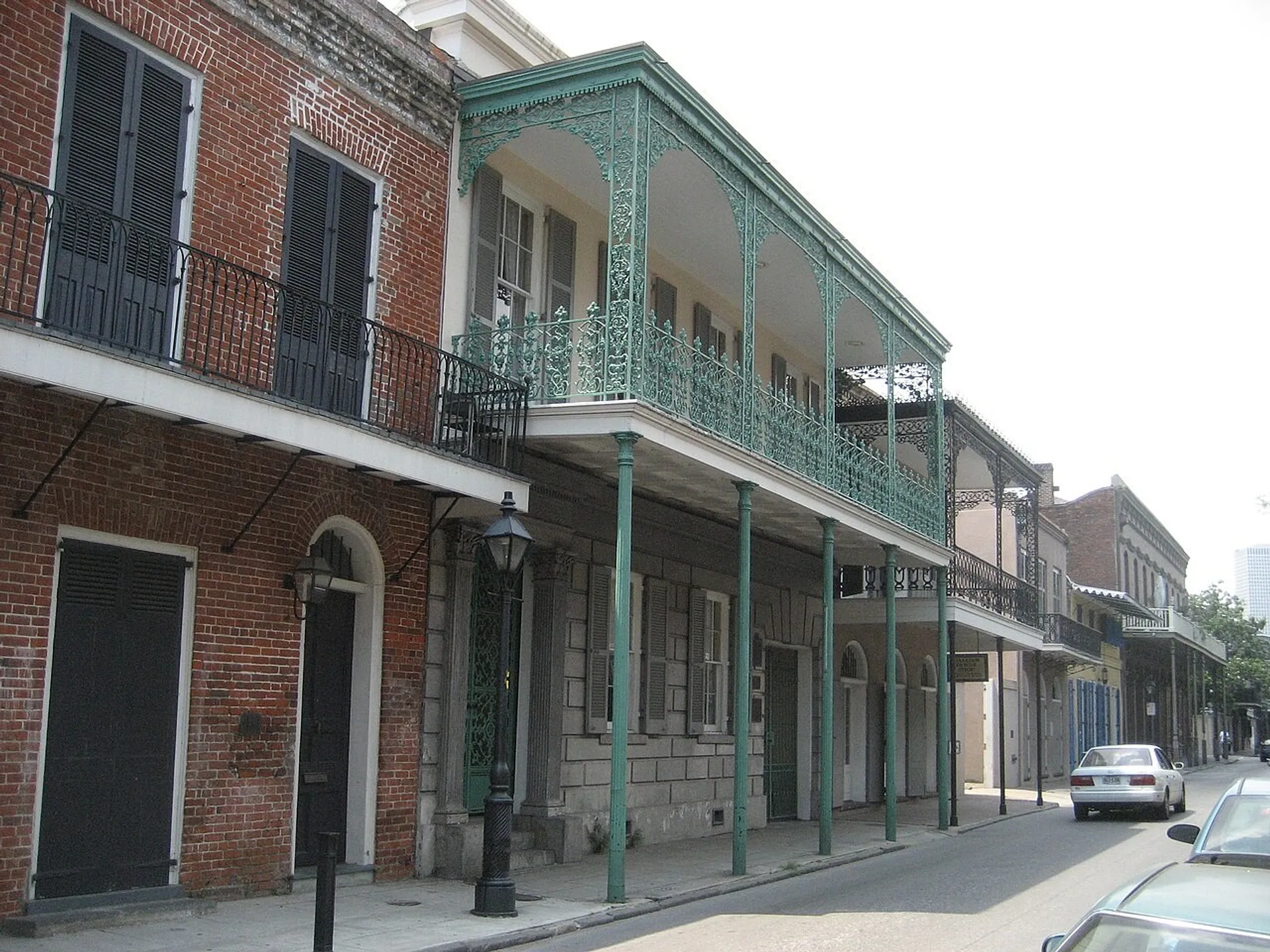
Gallier House in 2008, by Infrogmation of New Orleans
Both adaptations of Interview with the Vampire were filmed on location in New Orleans too, so these landmarks aren’t just inspiration for the books, they’re also real-life pieces of vampire film history. If you’ve seen either version a few times, it’s easy to feel like you might turn a corner in the Quarter and bump right into the characters.
Diehard fans can also make a pilgrimage out to Rice’s mausoleum at Metairie Cemetery, which is frequently adorned with flowers, beads, and gothic offerings from admirers.
Beyond Anne Rice’s books, there’s plenty more vampire ambience in NOLA. Other undead highlights include the ever-popular Vampire Café (where you can devour blood bags, along with some Louisiana staples), the Vampyre Cabaret (a recurring vamp-themed burlesque show), and even a New Orleans Vampire Association, where self-identified vampires can meet with likeminded folks. That’s NOLA for you!
Observe anti-vampire burials in Poland
A few centuries ago, Polish villages kept having the same problem: A townsperson would pass away, but their limbs would stay limber. Their faces would stay flushed. Sometimes there’d even be traces of blood underneath their fingernails. If buried in the standard fashion, these unnatural bodies would rise from their graves, devour their own flesh, and then set about eating everyone in town.
These creatures were called vjesci, and they’re Poland’s take on the vampire legend. So what’s a village to do if a newly deceased local turns out to be a vjesci? Well, you’ve got to bury them very, very carefully, lest they come right back.
Vjesci-prevention methods have been discovered in graves around the country, with approaches including decapitation, burying the deceased face-down, covering them with heavy chains or stones, and yes, inserting a stake through the heart.
While anti-vampire burials like this have been found in several places, Poland definitely seems to have been WAY more into it than other countries.
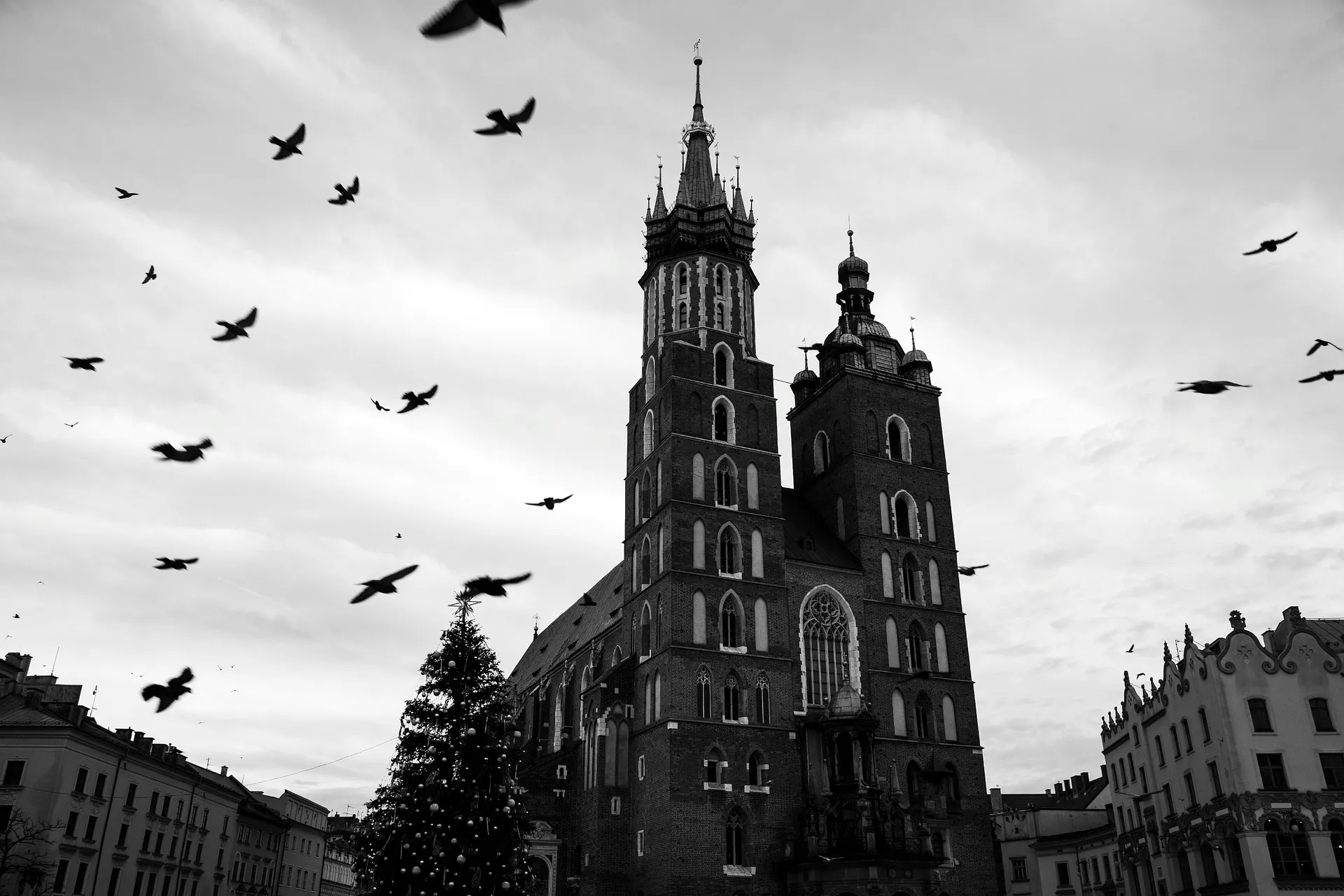
If you want to peer into such a grave yourself, there’s really only one place to do it: the Rynek Underground Museum in Kraków. This 4,000 m² subterranean museum is a fascinating historical site in its own right. When a medieval city was discovered beneath the surface of Kraków, rather than removing all the artifacts and placing them in museums, they simply excavated around them and built the museum right through the underground town itself.
The medieval city includes a cemetery with views right into open graves… graves that have a suspicious amount of restraints, with oddly positioned remains. Whether such measures can actually prevent a vjesci is impossible to prove, but one thing’s for certain: these poor souls never did rise from the dead.
Bonus Bites: More vampire graves?
If you’re starved for more vampire burials, consider a tour around New England. While it might be better known for witch-related paranoia, the region also has its fair share of vampire lore.
In Rhode Island, for example, we have the tale of Mercy Brown. In 1892, a deadly disease ripped through her family, leaving the distraught survivors to consider supernatural explanations. On the off chance that Mercy was rising from the dead to infect her relatives, her body was exhumed, and her heart was… uh… used medicinally, so to speak. Modern historians believe the disease was tuberculosis rather than vampirism (a surprising number of symptoms are the same!), but the deaths did stop shortly after her exhumation. She’s since become a well-known piece of local folklore in the area, and you can visit her grave in Exeter.
An eerily similar tale happened to the Ray family of Connecticut in the 1850s. Several members died of a mysterious disease that was likely TB, bodies were exhumed and destroyed, and the family forever earned a reputation as vampires. Their family plot can be visited at Jewett City Cemetery in Griswold.
And lastly, across the pond on the Isle of Man, we have one of the most mysterious tombs on our list. The Hassal grave is easy to spot, as it’s lined by metal spikes and protected by heavy iron chains, but no one knows how or why those barriers were placed. According to legend, after Matthew Hassal’s death in the 1850s, a groan was heard emanating from the earth. Precautions were taken to keep him contained.
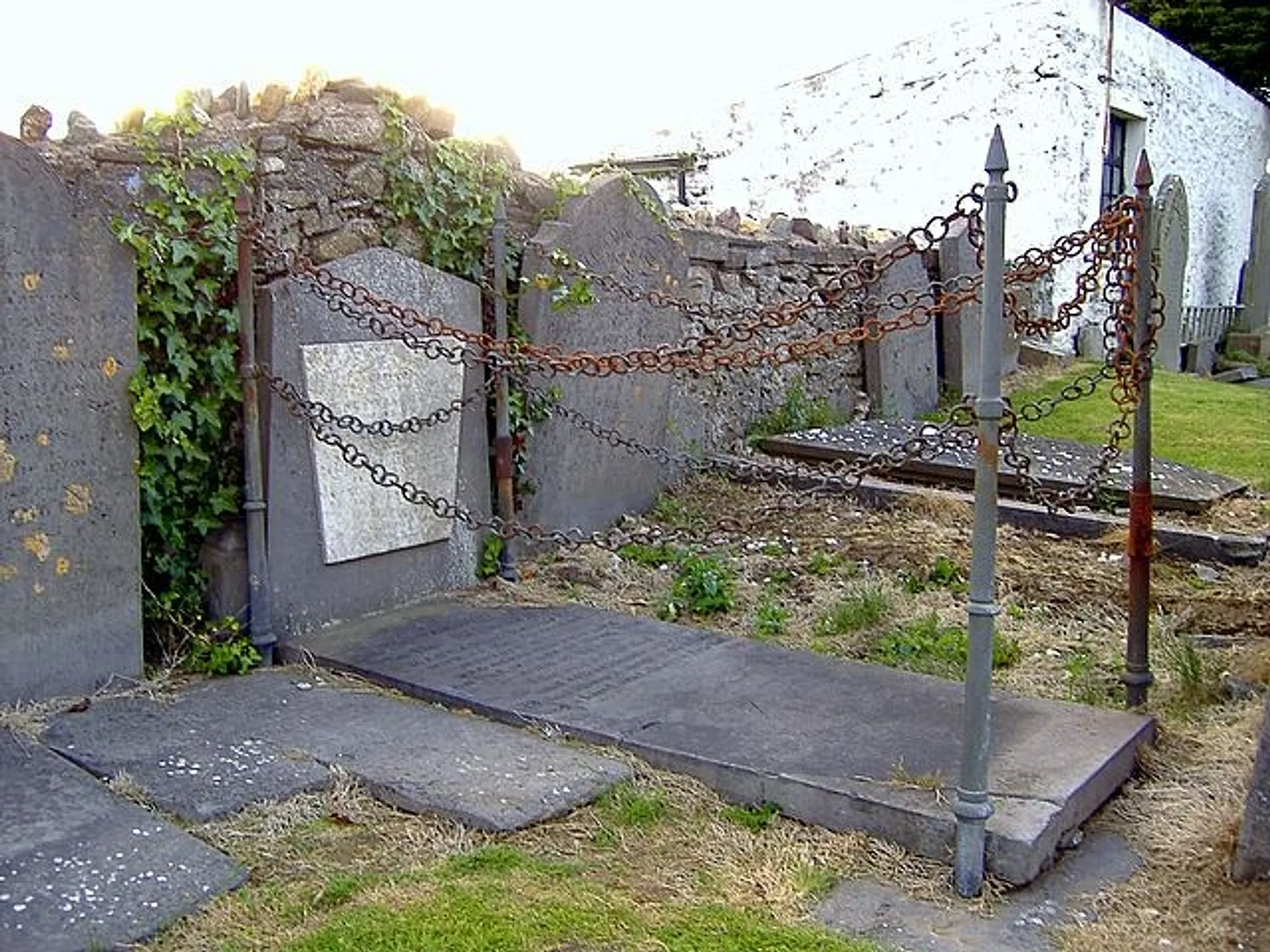
Kevin Rothwell / The Vampires grave, Malew, Isle of Man / CC BY-SA 2.0
Of course, there’s no actual evidence that such a thing happened, and it’s far more likely that the explanation for all that iron is a lot more mundane. Just as it’s far more likely that Vlad Dracula was just a regular human tyrant, and that the vjesci were just a tall tale.
But if you ever happen to walk through a cemetery at night as the mist creeps through the headstones and the full moon bleeds through the clouds, you just might find yourself believing otherwise :-)