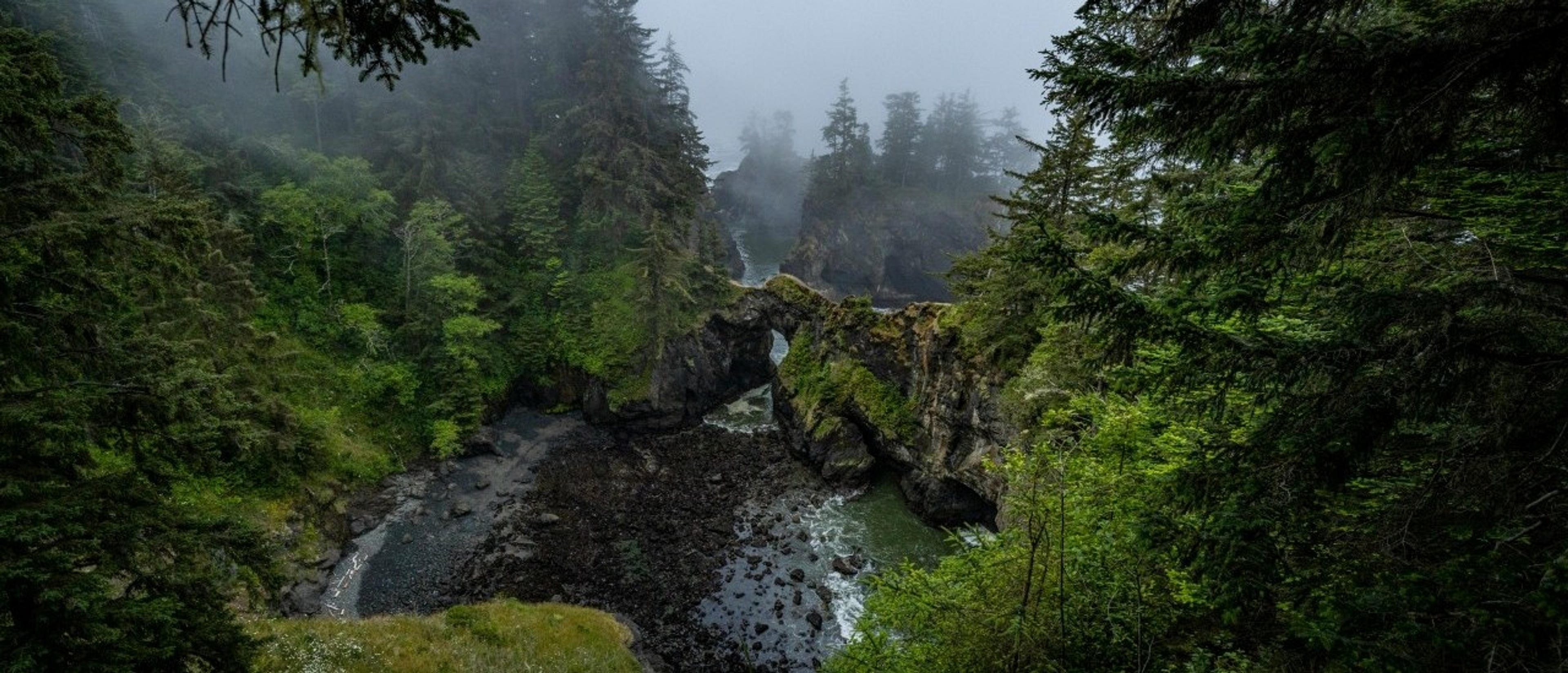
How to plan the best Oregon Coast road trip

Olivia Louden
The misty, windswept coast of Oregon state stretches on for 362 miles (583 km) of beaches, cliffsides, and lighthouse-strewn capes. Plenty of states happen to have a coastline, but Oregon’s is special – due to some early pioneer history and 20th-century pushes for preservation, it’s been elevated to a protected, beloved region.
Thanks to its dramatic views, rock formations, lush woods, and towering sand dunes, it’s become quite a popular road trip route. US Highway 101 (the West Coast’s premier scenic route) traces along its edge, guiding you through beach town after beach town.
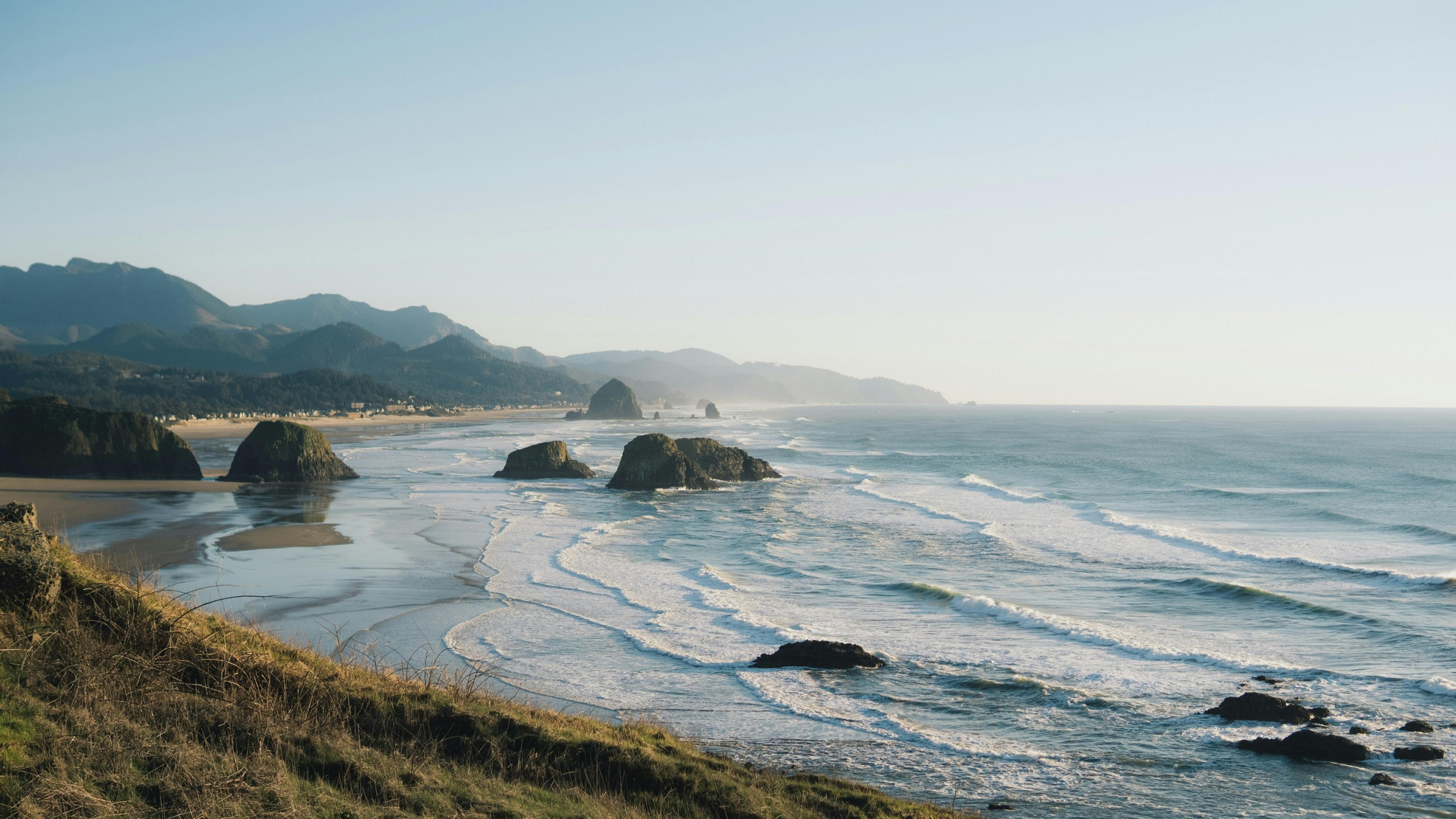
Cruising down that road is one of the main things I wanted to do during my year in the Pacific Northwest, and I’ve finally made the journey!
What I learned was that (while the views are just as dreamy as the photos would have you believe) there’s actually quite a bit more logistics involved than I expected. I hoped my road trip experience would make it easy to breeze through my jam-packed itinerary, but the 101 is a fickle beast and your plans need to account for its chaos.
That’s what I’m here to help you do! There’s no shortage of listicles online detailing “things to do on the Oregon Coast,” but after getting stranded for hours in the rain, losing an entire day of sightseeing, and screaming at the backs of RVs driving 15mph while the daylight rapidly disappeared, I wished I’d spent less time bookmarking viewpoints and more time researching the nitty-gritty facts required to build a more realistic itinerary.
So before you answer the siren call of Haystack Rock or Newport Aquarium, here’s what you need to know about road tripping the Oregon Coast.
How to start building your Oregon Coast itinerary
The Coast is covered in fun stops and eye-catching scenery, so it’s easy to overbook yourself. With so many hiking trails, cool beach towns, and picture-perfect overlooks, it’s tempting to star every single item on the map and devise an itinerary that has you stopping every 100 yards. But thanks to the 101’s shenanigans (more about that below), this is definitely one of those places where you want to pick fewer stops and spend more time at each one.
Most Oregon Coast road trip routes include a few entries in each of these categories:
Beaches
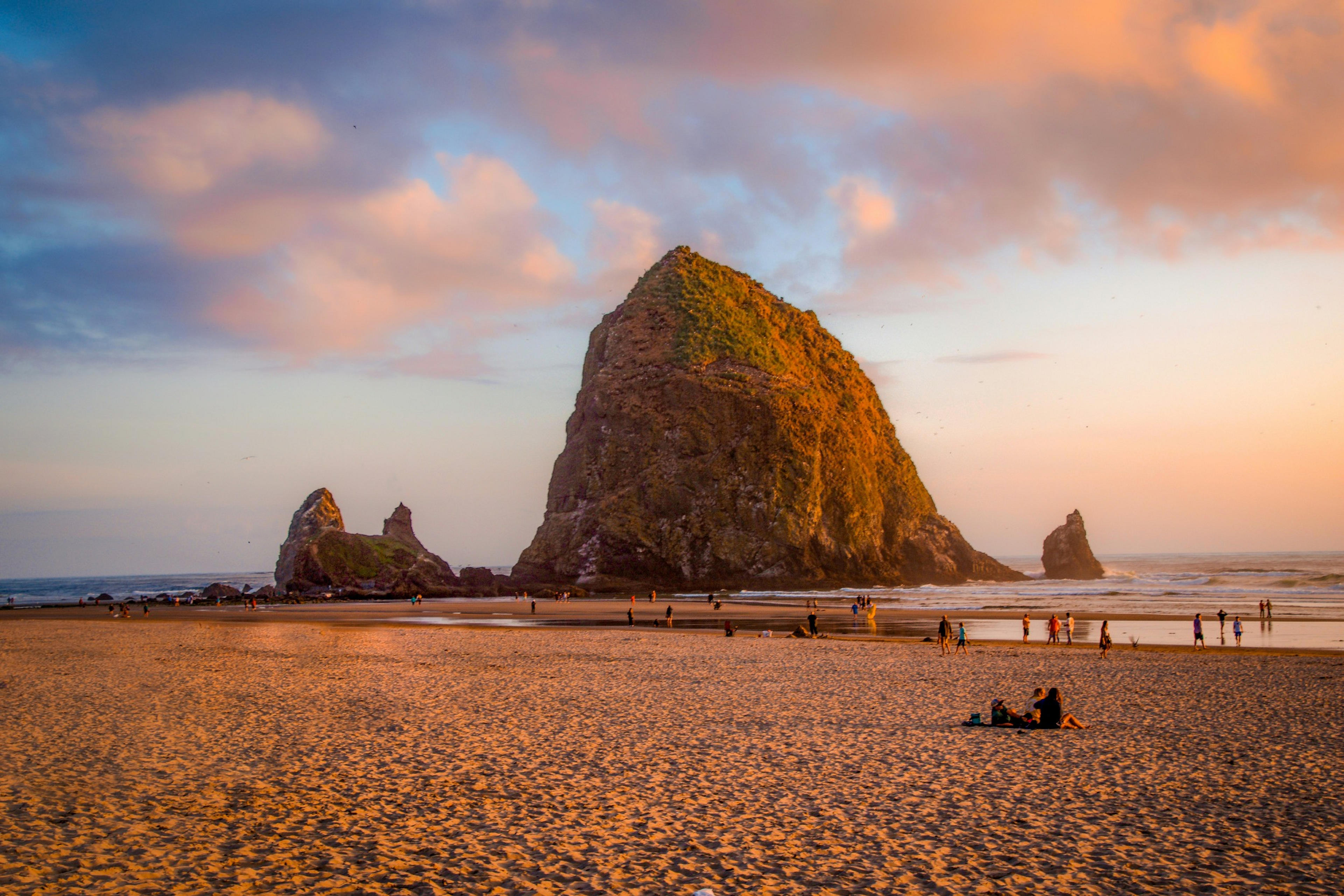
Visit in summer, and you’ll almost definitely be spending some time laid out on the beach. There are a few loooooong stretches of sand (especially down in the dunes area), but the coolest beaches here are often secluded little inlets surrounded by dramatic rock formations. Cannon Beach is easily the most iconic spot and is pretty hard to beat, but you can pretty much pull up to any beach on the map and get one of those gorgeous, classic Oregon Coast views.
If you’re taking a short trip, I’d schedule at least a few hours to relax at the beach, but you can often easily pull over and veg out for a bit whenever you need a break and see open parking spots.
Beach Towns
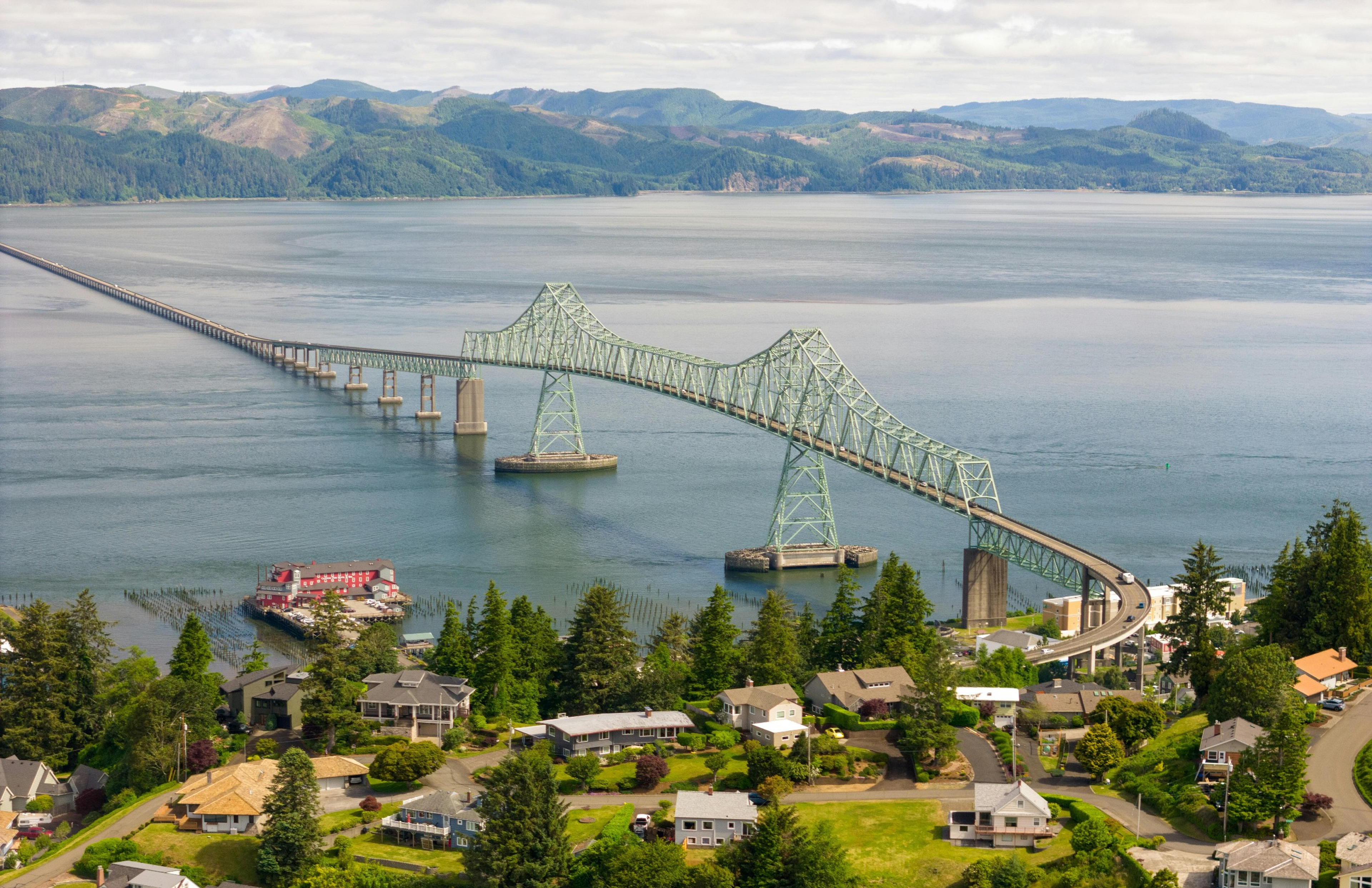
Scattered along the coast, you’ll find cute little beach town after cute little beach town. Most of them are pretty tiny, with a few hotels, a couple restaurants, and a gift shop or two. The largest hub in the area is Astoria (technically a riverside town and not a beach town, but it functions as the start of the Coast). Other popular towns include Seaside (touristy, beach boardwalk vibes), Newport (best known for its aquarium), Yachats (hippie central and my personal favorite), and Brookings (the last stop before California).
These are the most fun and convenient spots to stay overnight (if you’re not camping), but they can also get pretty pricey in summer. If you stop in Yachats, check out the Drift Inn – I stayed in one of their hostel-style private rooms, and it was a good balance between affordability and fun beach town vibes.
Even if you don’t stay overnight in any towns, it’s worth taking the time to explore a few, grab a bite, and shop for local art.
Hiking Areas
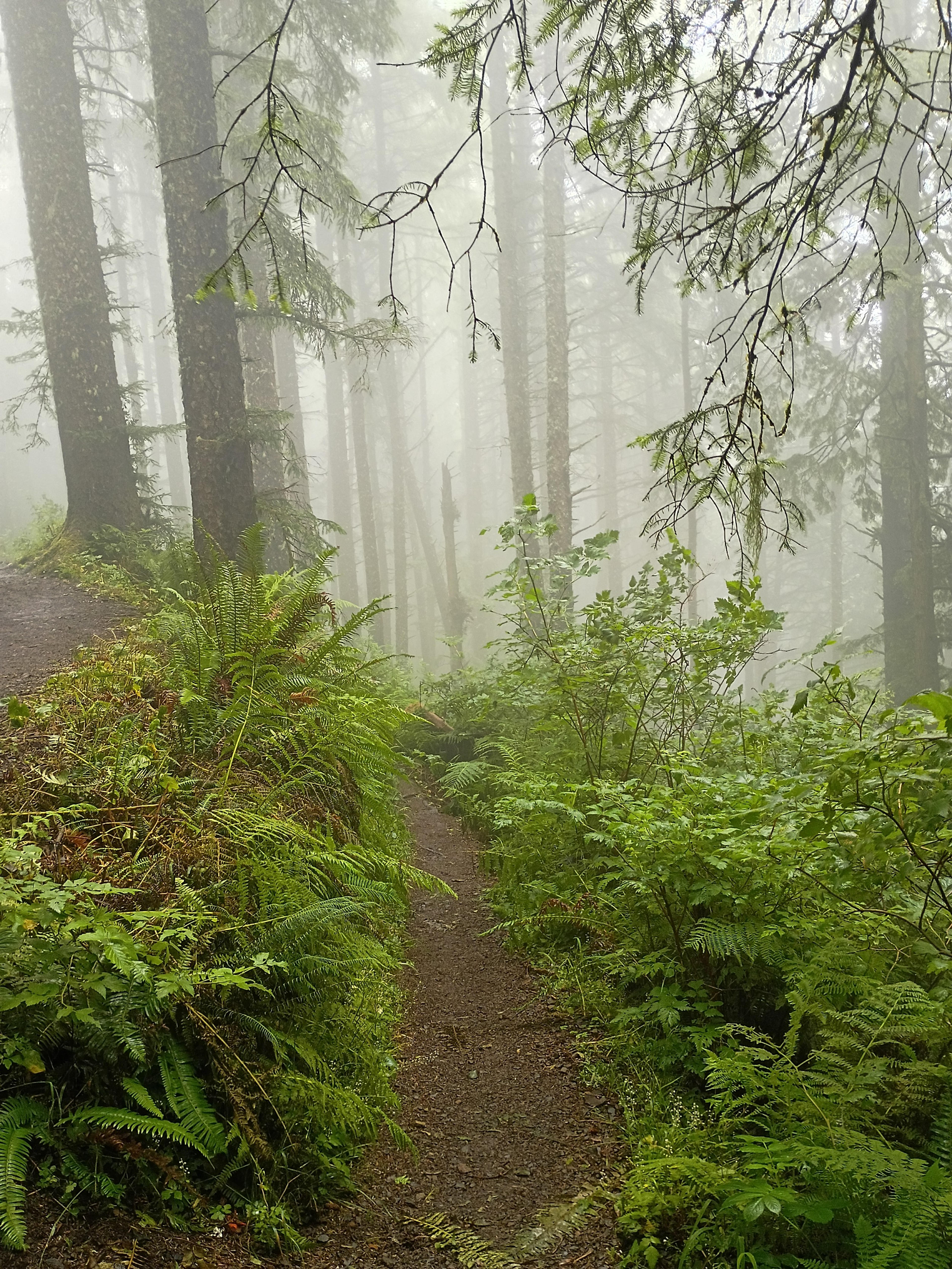
There are trails snaking all around the region, including breezy beach walks, intense climbs to cliffside viewpoints, and a myriad of loops through a myriad of beautiful pine forests. Ecola State Park and Hug Point might be the most popular hiking stops in the area, but I’m also a big fan of the viewpoint trail at Cape Lookout.
If you want to incorporate some hikes into your itinerary, I’d aim for variety – like one forest hike and one beach walk, or one dune trail and one cliff climb, etc.
Viewpoints
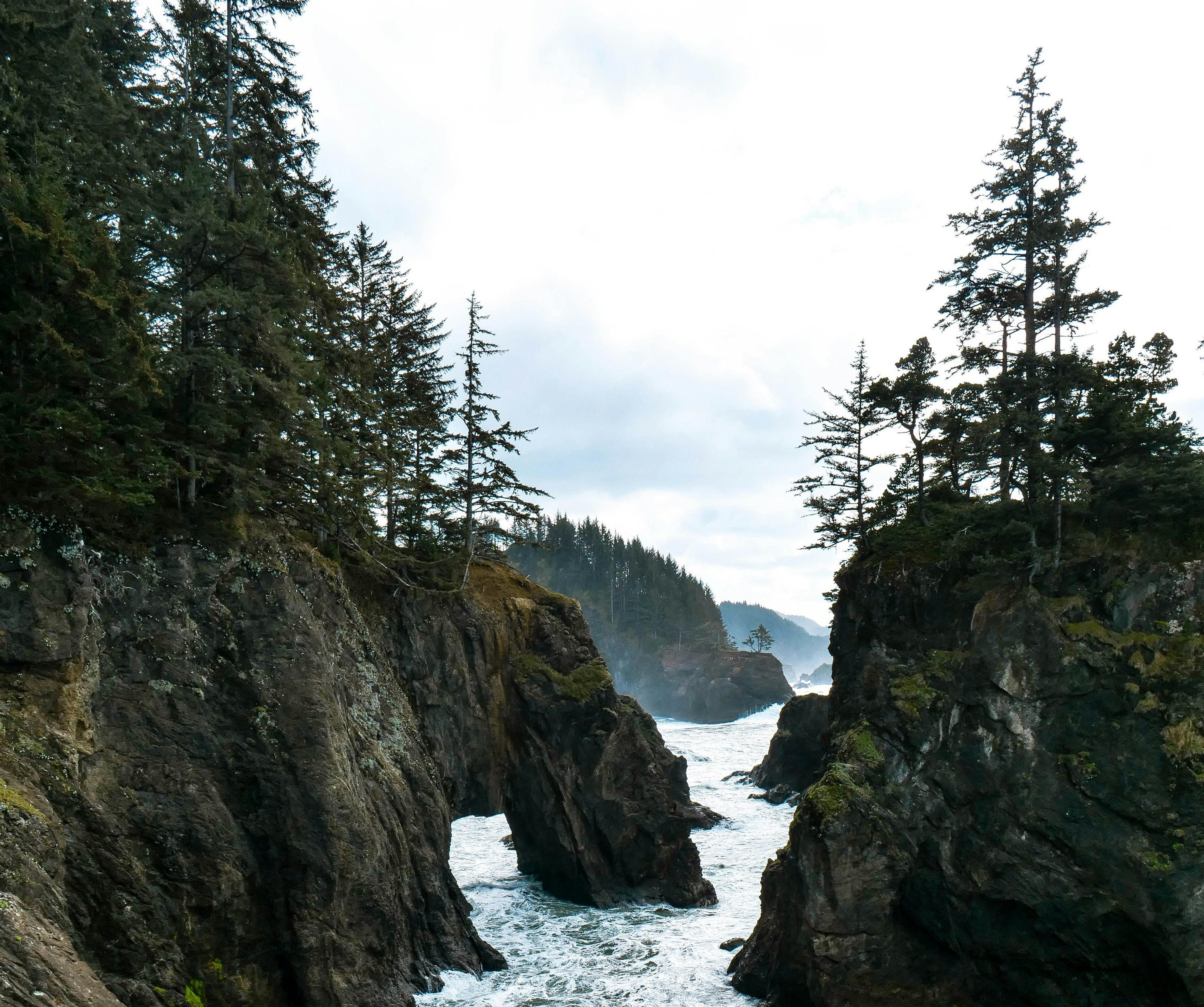
I can’t even begin to list all the ridiculously stunning viewpoints and overlooks along the Coast. There must be hundreds. Some of them are connected to short walking trails or picnic areas, and others are just simple pull-offs that take your breath away. If you look up images of the Oregon Coast, chances are that a lot of those views will fall into this category.
I made the mistake of showing up for my trip with a massive laundry list of viewpoints, which made some sections feel like I was just stopping and going, ticking off boxes. Instead, I suggest approaching them with more flexibility – there are so many pretty views that missing a few isn’t the end of the world.
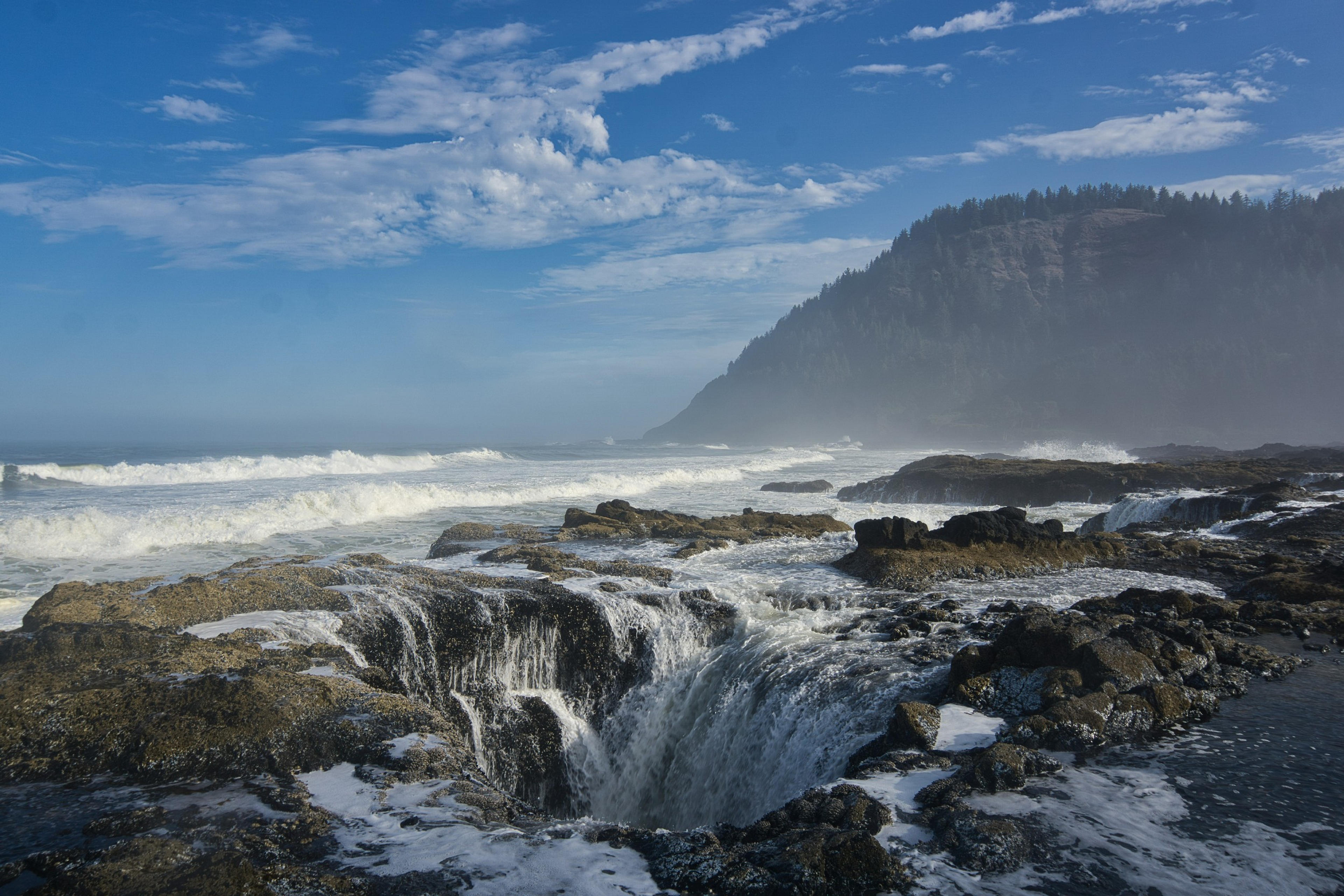
That said, there are a couple that I definitely recommend you try to hit. The Boardman Scenic Corridor is packed with them, and I think I’d pick Natural Bridges as my top stop there. Other favorite views include Depoe Bay, Devil’s Punchbowl, and Thor’s Well.
Things to keep in mind as you plan
Now that you’ve got a rough idea of what to do on the Oregon Coast, it’s time to start getting your plans together. Here’s what you need to know to avoid the major pitfalls...
It takes a lot longer to get anywhere than it says on the map.
Google Maps says it only takes about eight hours of drive time to cover the entire Oregon Coast, but that’s the best-case scenario. And when it comes to the 101, you’re not likely to encounter the best-case scenario.
Despite being a major tourist thoroughfare, most of the 101 has only one lane in each direction, typically without any viable side roads. If anything goes wrong, there’s no avoiding it. From minor nuisances like slow trucks, to catastrophes that necessitate road closures, you are firmly at the whims of the highway.
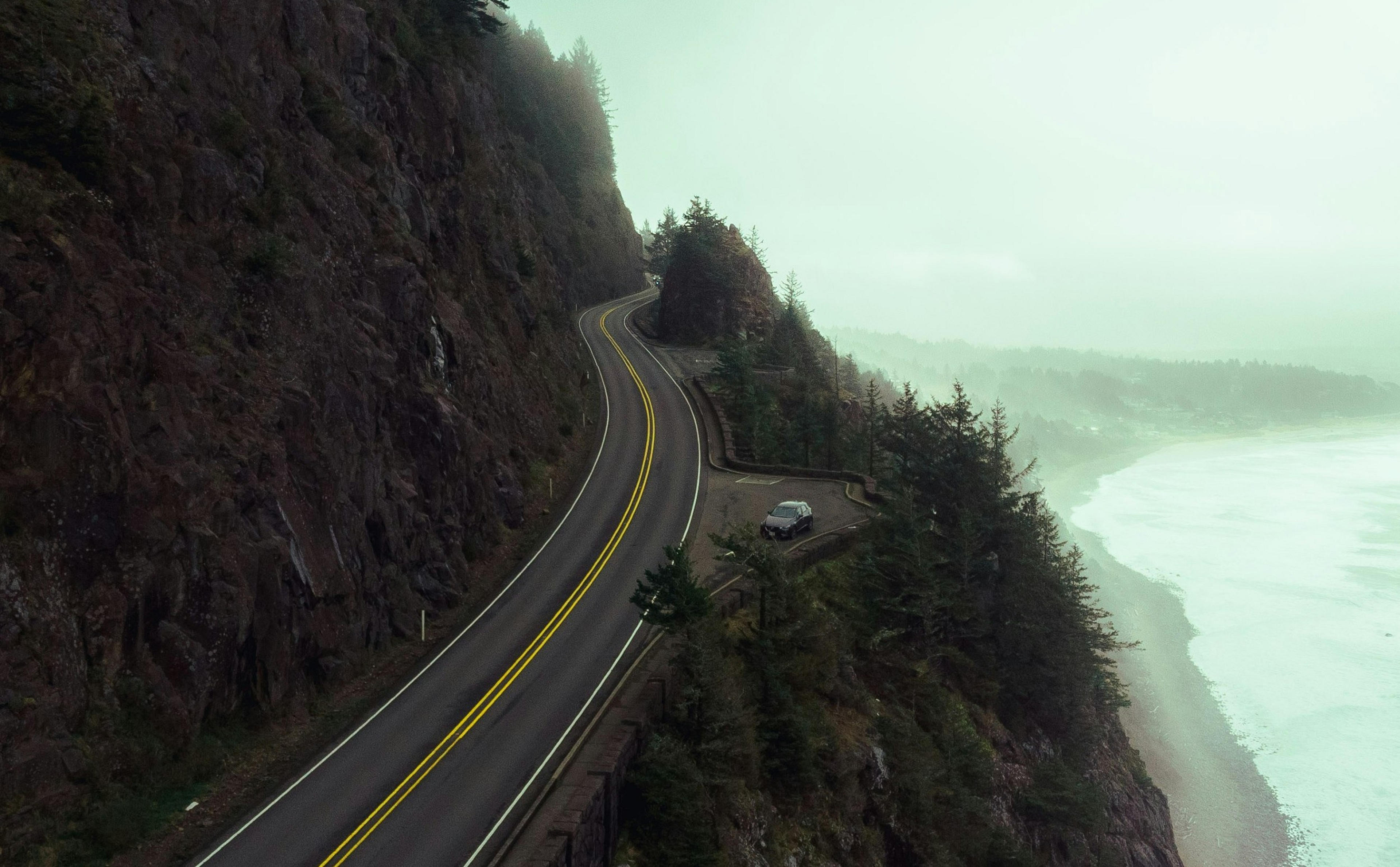
You might be making great time and then suddenly have to stop and wait in line for thirty minutes to get through a construction zone. An accident can completely close the road and leave you stranded with no way to know how long you’ll be stuck (which is what happened to me!). Miss your turn-off? Have fun driving three extra miles down the highway before there’s any room to make a U-turn!
So when you’re mapping out your route, you need to keep in mind that actual drive times will likely be significantly longer than your apps say. Seriously – this is easily the most regrettable mistake I made on this trip.
And remember that you’ll be constantly passing those beautiful viewpoints too, so leave yourself some time to stop and take your pics!
Weather can make or break your trip.
The Pacific Northwest (or PNW) is green for a reason. It rains a lot up here.
The rainy season on the Oregon Coast tends to run from about October to April, with very few dry days during those months. Even if you visit in summer, you still shouldn’t be shocked if you get rained out.
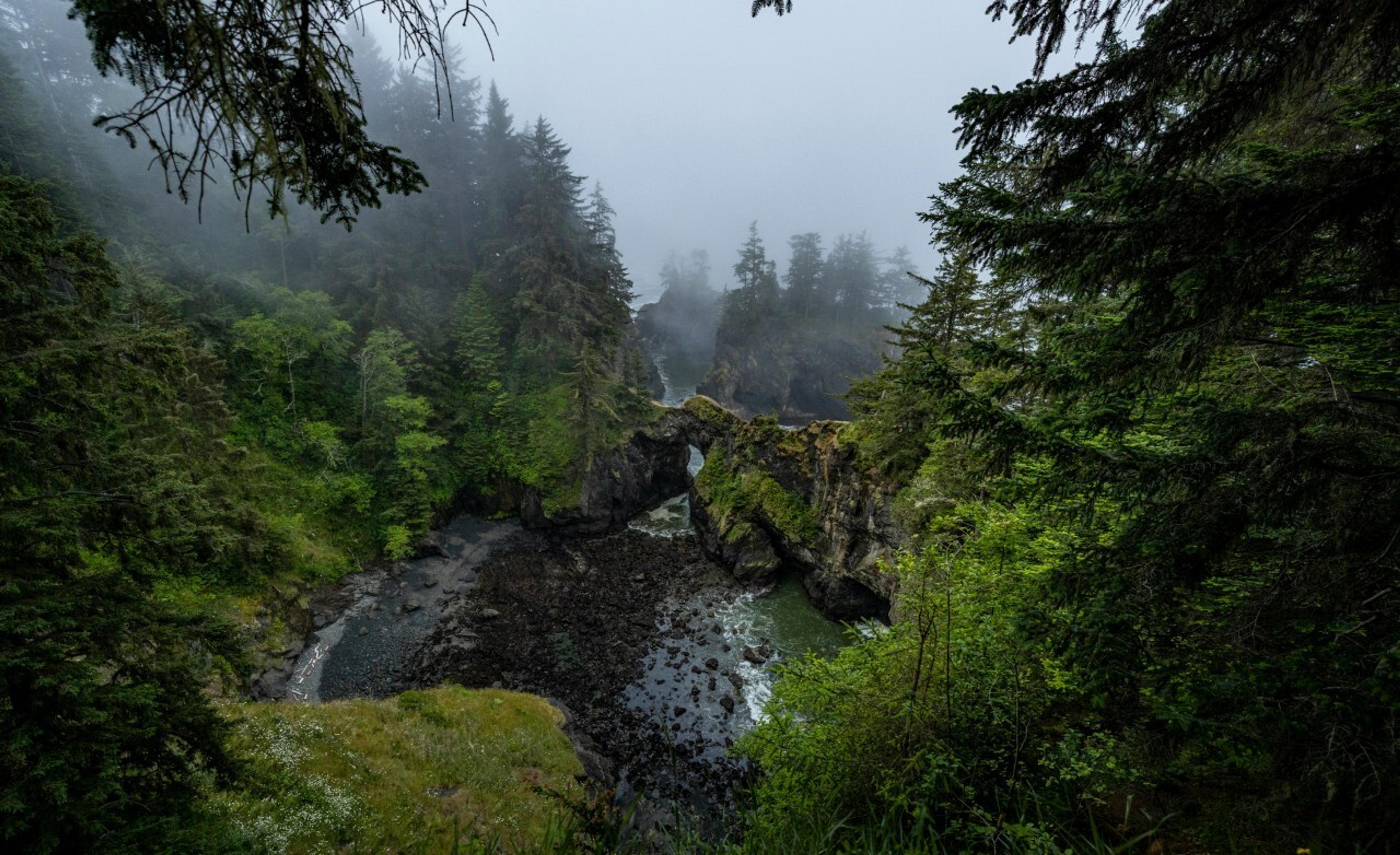
The good news is that PNW rain is generally pretty light. Heavy downpours are fairly rare, and most days are just drizzly. It’s often the type of day that you wouldn’t call “rainy,” but your hair is still damp when you go back inside. My article about Seattle rain has some advice on dealing with this sort of weather.
How much your Oregon Coast trip will be impacted by wet weather really depends on what you want to do there. If you’d like to lie out on the beach and swim in the Pacific Ocean, you’ll need to plan for peak summer and hope you don’t get unlucky. Hiking is still on the table (and often gloriously misty and moody) during the other seasons, but bring a windbreaker and make sure you’re prepared for mud. And if you want to pretend you’re in a movie as you stand dramatically on the shores and watch the coastal fog roll through pillars of rock, then you might even prefer the off-season!
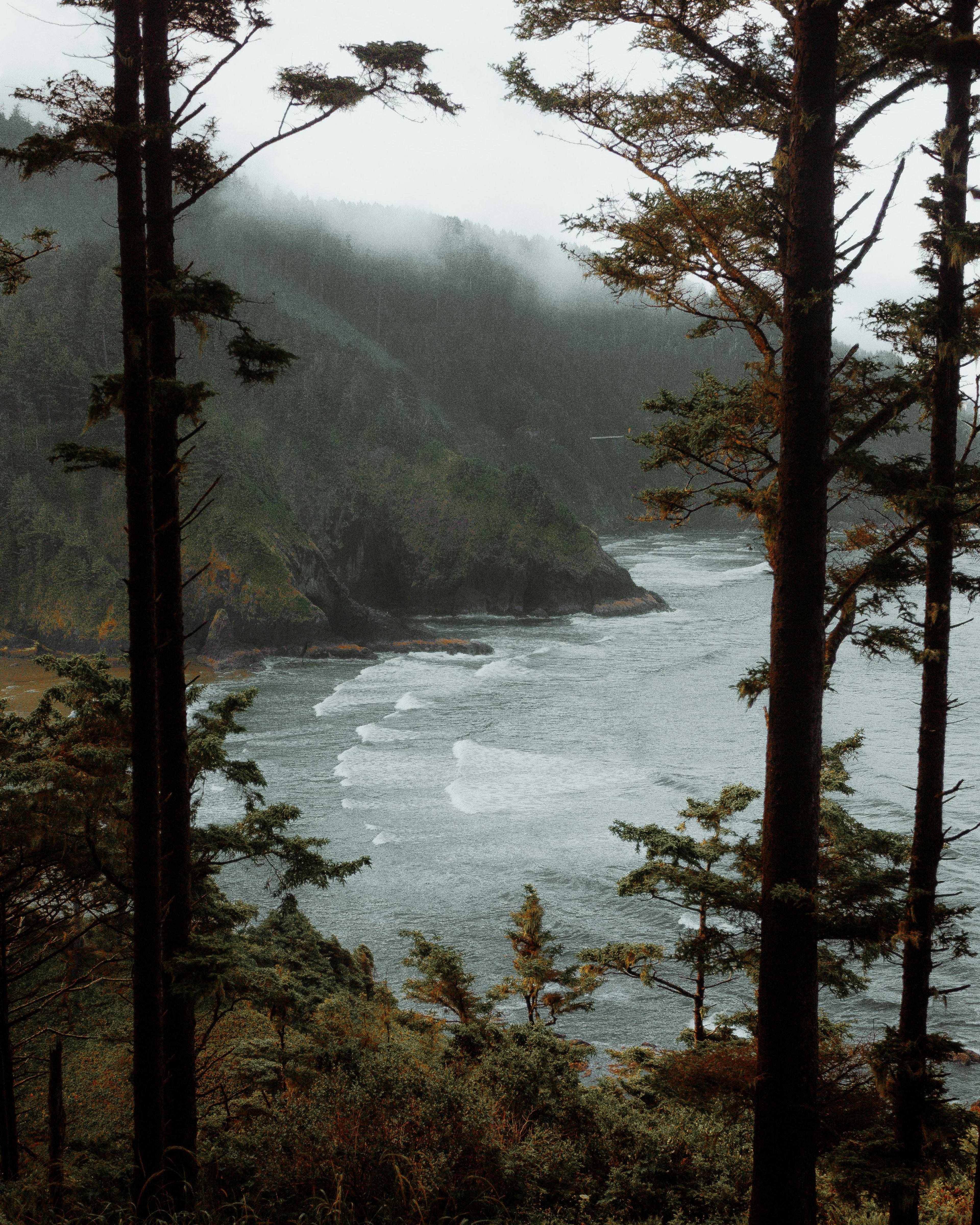
Watch out for that fog, though – if it’s too foggy, you won’t be able to see anything from the lookout points.
There’s a learning curve to booking hotels out here.
This bit of advice mostly applies to summer trips. During the off-season, you can expect to pay pretty standard American hotel prices for the major Oregon Coast hubs. During summer? Even low-end chain motels along the 101 typically cost at least $200 a night. Nicer rooms can easily put you out $300-$400 or more per night for those peak summer dates.
So if you want to see the Coast in all its summertime glory without breaking the bank, you’ll need to do a little extra planning. To score the cheapest spots, you can try to trade costs for convenience by looking for accommodations that are 20-30 minutes inland off the 101. The further you go from the main thoroughfare, the cheaper it gets. For example, I stayed in this woodsy cabin in Nehalem instead of shelling out for a room in the larger hub of Manzanita.
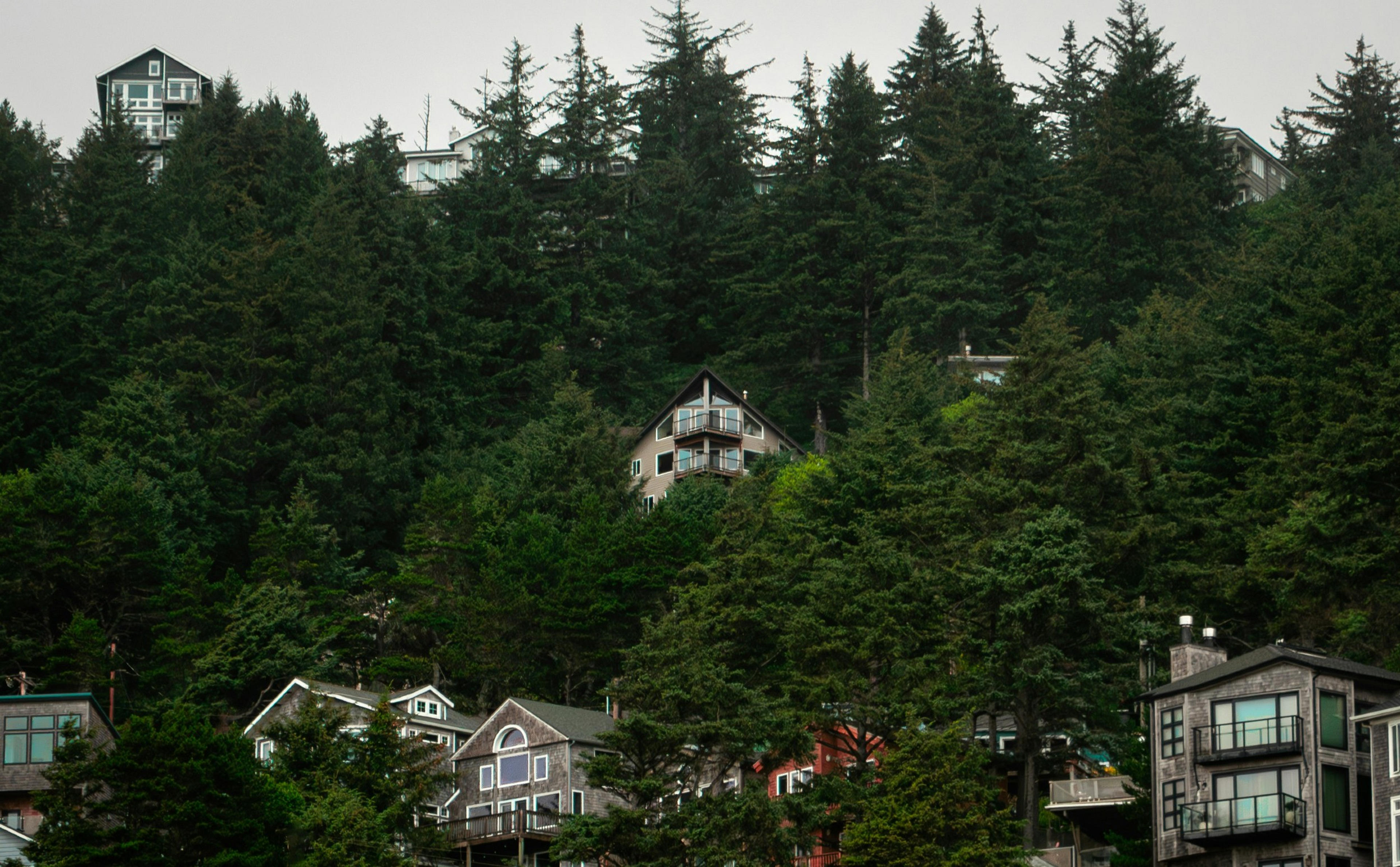
Be warned though, the further you stray from the main road, the more extra cushion time you’ll want in your schedule. It sucks to find yourself rushing through a really neat section of highway in one afternoon because you wanted to save a few bucks by staying on the other side of it.
If you’d rather skip the hotel hassle altogether, camping is a super popular cost-saving option.
There might be fewer services than you expect.
Although it’s a major tourism hotspot, you might be surprised at how undeveloped some sections of the Coast are. Towns along the 101 vary from full-fledged cities like Astoria to tiny outposts that maybe have one gas station or diner.
The quiet spots are mostly in the south end, where larger hubs become few and far between. At one point between Port Orford and Brookings, it took me about an hour to find a bathroom (even though I would have happily settled for a pit toilet!). I also found a lot more gaps in cell service than I would have expected along such a major road.
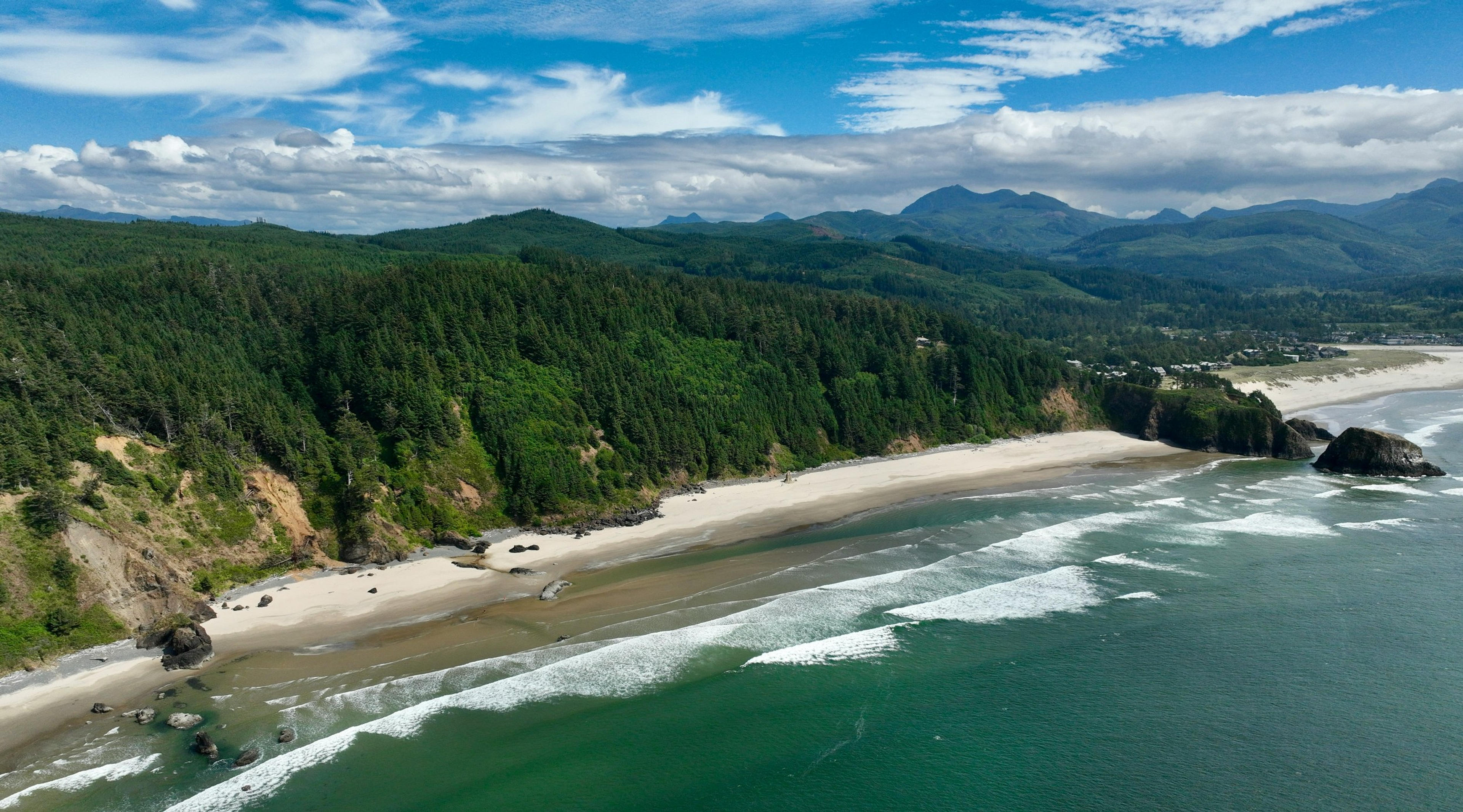
If you’re used to road trips or spending time in the wilderness, this won’t be challenging for you. It’s still a much easier route than those long drives through the Southwestern deserts or Rocky Mountains. I only mention it because I had an image of the Oregon Coast as this jam-packed tourist track, not a place where you might be struggling to find an open restaurant at 8pm, so I was a little surprised at how sleepy the southern side was. Plan accordingly (bring extra supplies, keep an eye on the gas gauge, etc.) and you’ll be fine.
Sample 5-Day Oregon Coast Itinerary
Like I said, this is a place where you really want to take your time and go slow. But if you don’t have unlimited PTO and a bottomless travel budget, I’d recommend focusing on the northern half of the Coast.
Using my advice above and starting your trip from Portland, here’s what that might look like:
Day One
- Leave Portland early for Astoria and spend the morning exploring the town. Grab lunch.
- Head to Ecola State Park for an afternoon hike.
- Watch the sunset by Haystack Rock, then spend the night in the town of Cannon Beach.
Day Two
- Bring a packed lunch to Hug Point and enjoy your morning on the beach.
- Drive down to Tillamook, stopping at viewpoints along the way.
- If you’ve got enough daylight left, drive out to Cape Meares.
- Spend the night in Tillamook.
Day Three
- If you’ve got little ones, head to the Tillamook Creamery. If not, hike at Cape Lookout.
- Head down to Cape Kiwanda and enjoy the beach.
- Spend the night in Pacific City or Neskowin.
Day Four
- Spend the day driving to Newport, stopping for picnic and beach breaks as needed. Hit Devils Punchbowl and Boiler Bay.
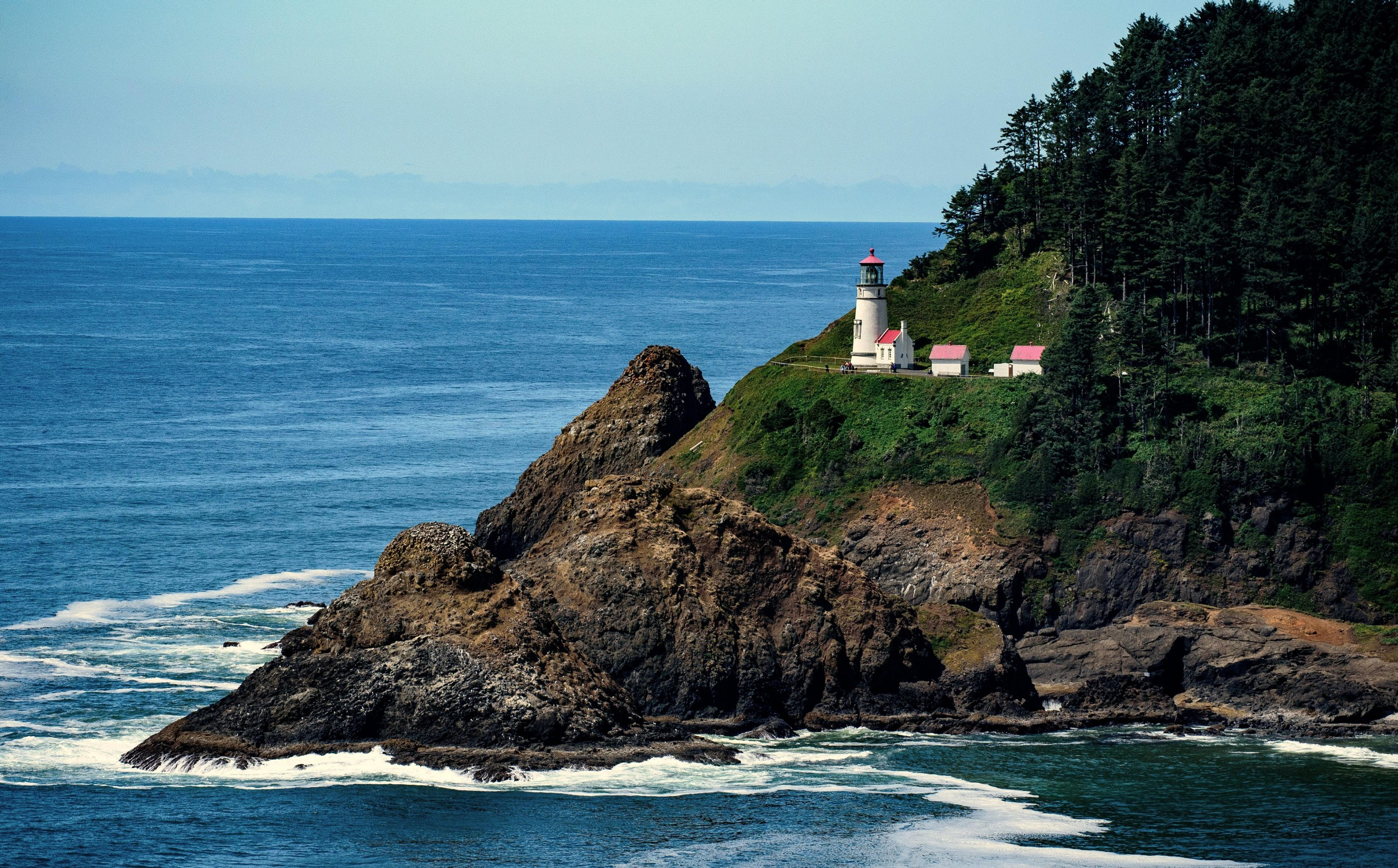
- Stop at Yaquina Bay Lighthouse.
- Spend the night in Newport.
Day Five
- Head to the aquarium as soon as it opens. Get lunch in town.
- Drive to Yachats and explore the town and nearby viewpoints. Either stop here for the night or push on to Florence, stopping at Heceta Head.
By now, you’re about halfway down the Coast, and have hit the most famous highlights! If you’re out of time, take the 126 east to Eugene and head back up to Portland. If you have a few more days to spare, spend some time hanging out in the dunes or stopping at every overlook in the Boardman Corridor.
Either way, your camera roll will be envy-inducing.
Have you ever road-tripped the Oregon Coast? Got any tips to share or favorite must-do stops? Leave it all in the comments: