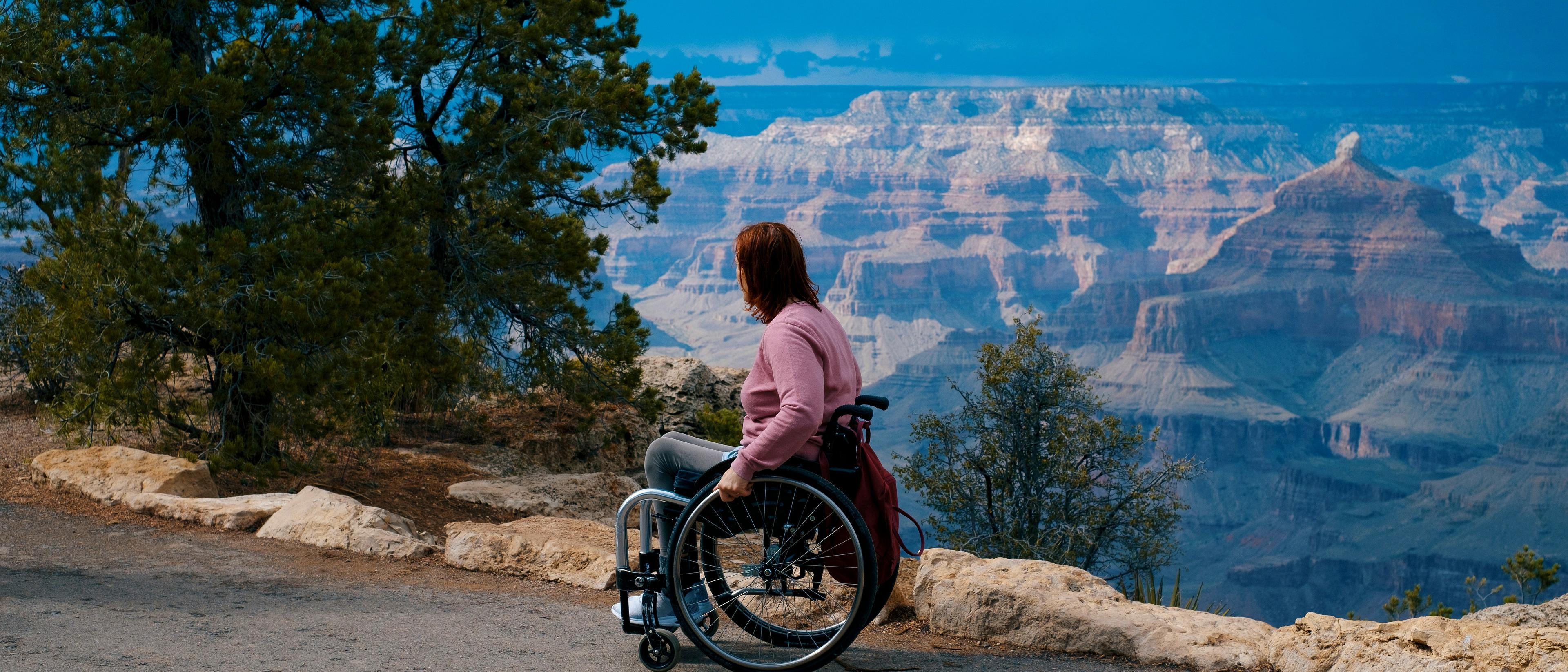
Disability-Friendly Travel Destinations You Might Not Have Considered

Olivia Louden
If you look up “disability-friendly travel destinations,” you’ll likely find the same sorts of results over and over. Most articles just list the biggest urban areas from touristy countries with good accessibility regulations and then call it a day.
It bugs me to see such a limited approach to scoping out disability-friendly destinations! There are more possibilities than just cities, and laws are really just the beginning of what makes a place accessible. To provide some more interesting ideas, I’ve rounded up a few destinations that aren’t on most of those lists but still have a lot to offer to folks with various disabilities.
Of course, not every trip will work for everyone, but I’ve tried to cover a lot of bases and highlight the unique qualities of each destination that might be helpful for different people. Although not disabled myself, I grew up surrounded by people who are, and I’ve almost exclusively relied on firsthand accounts from disabled travelers in my research. This article from JourneyWoman has been a useful guiding light as well.
So whether you have a disability or want to travel with someone who does, here are a few ideas that you might not have considered!
Slovenia
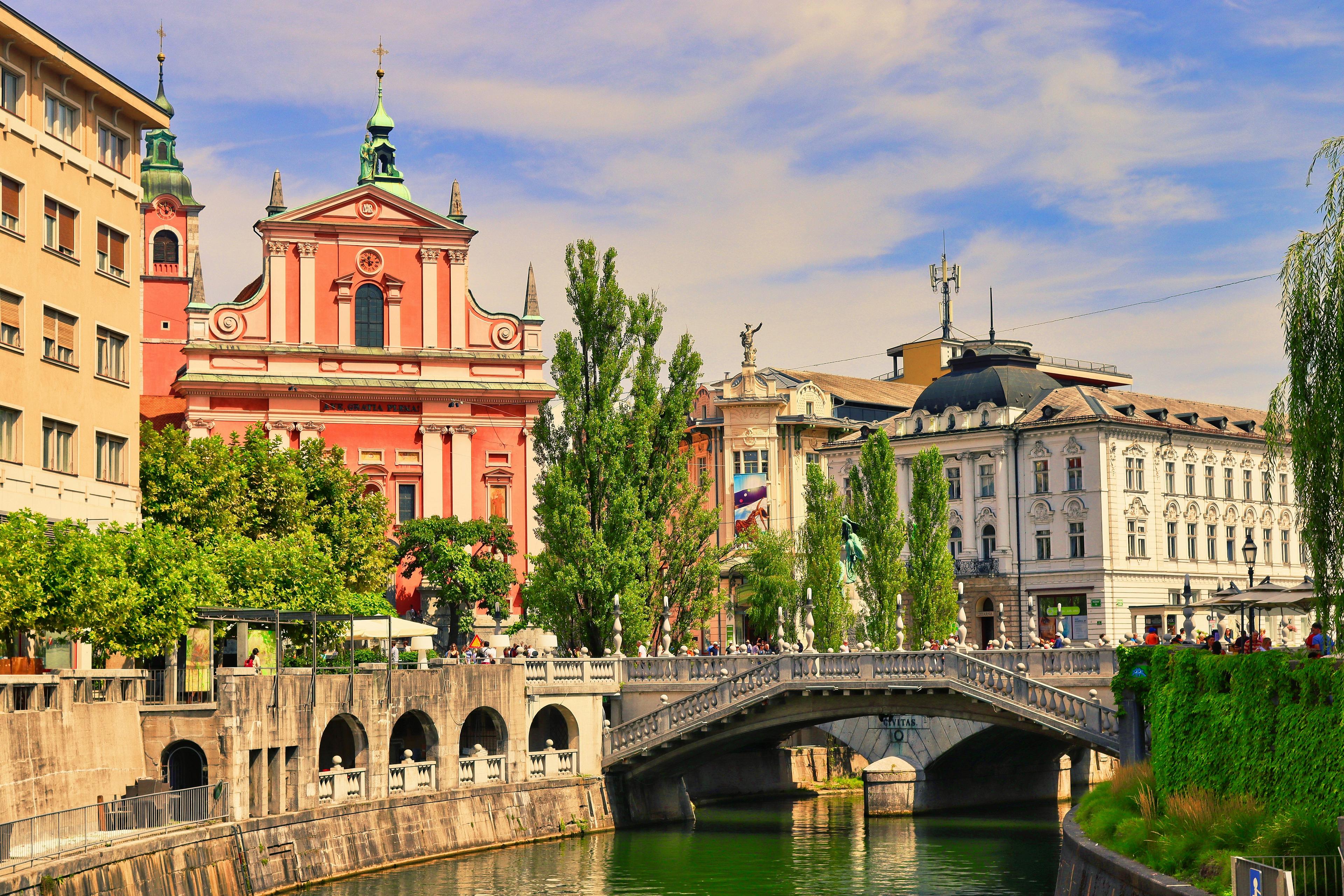
Why did it make the list? A taste of Old World Europe, minus the Old World infrastructure.
While Europe’s most charming historic cities might be gorgeous, they weren’t exactly built with mobility issues in mind. Sometimes strolling down those worn-down cobblestone streets feels more like a rock scramble.
That’s where Slovenia comes in. They’ve got those solid EU accessibility regulations, but without sacrificing the fairytale vibes. Sylvia from Spin the Globe called Ljubljana “the most amazing wheelchair accessible city that most people have never heard of,” and it’s not hard to see why — smooth curbs, tons of cycle paths, free motorized wheelchair rentals, and a generally flat environment put it leagues above most towns that offer similar scenery.
Even Ljubljana Castle (a 12th-century medieval fortress) is pretty accessible, with a funicular, a courtyard, several exhibits and restaurants, and a guard tower that are all fully wheelchair-friendly. Tactile models and audio guides are available for folks with vision impairments, and there’s a huge disability discount on tickets.
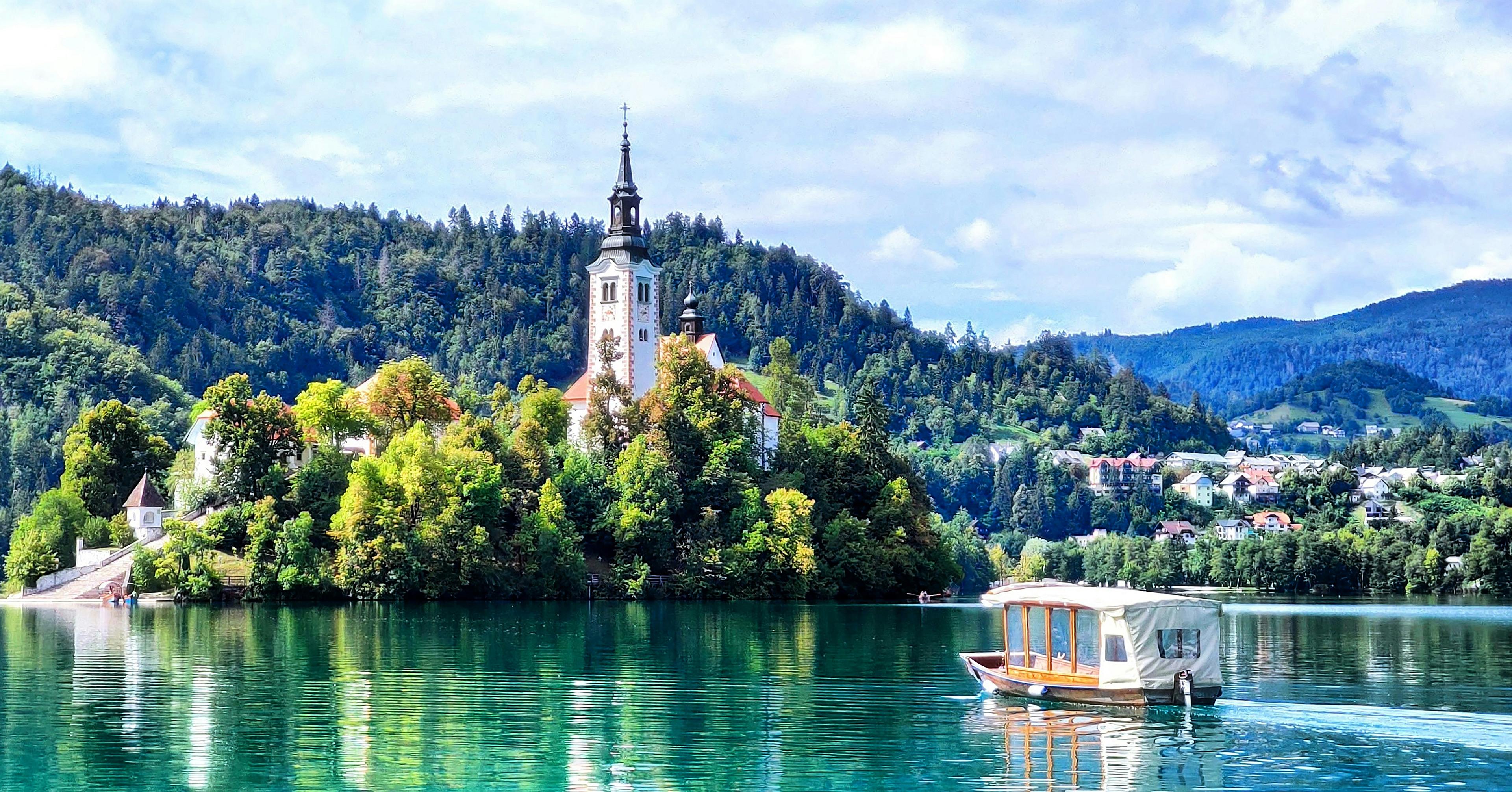
Leave town, and the storybook sights only get more magical. Bled isn’t nearly as accessible as Ljubljana, but the postcard-perfect lake has a smooth, flat trail around it so you can enjoy the views anyway. Another blogger recommended trying Lake Blohinj and their soaringly high cable car.
Slovenia also gets a good score in the “overstimulation potential” department — it’s consistently rated as one of the most peaceful and calm countries in the world. Ljubljana's laid-back vibe and limitations on traffic make it a lot less noisy and chaotic than most European capitals.
Cape Town
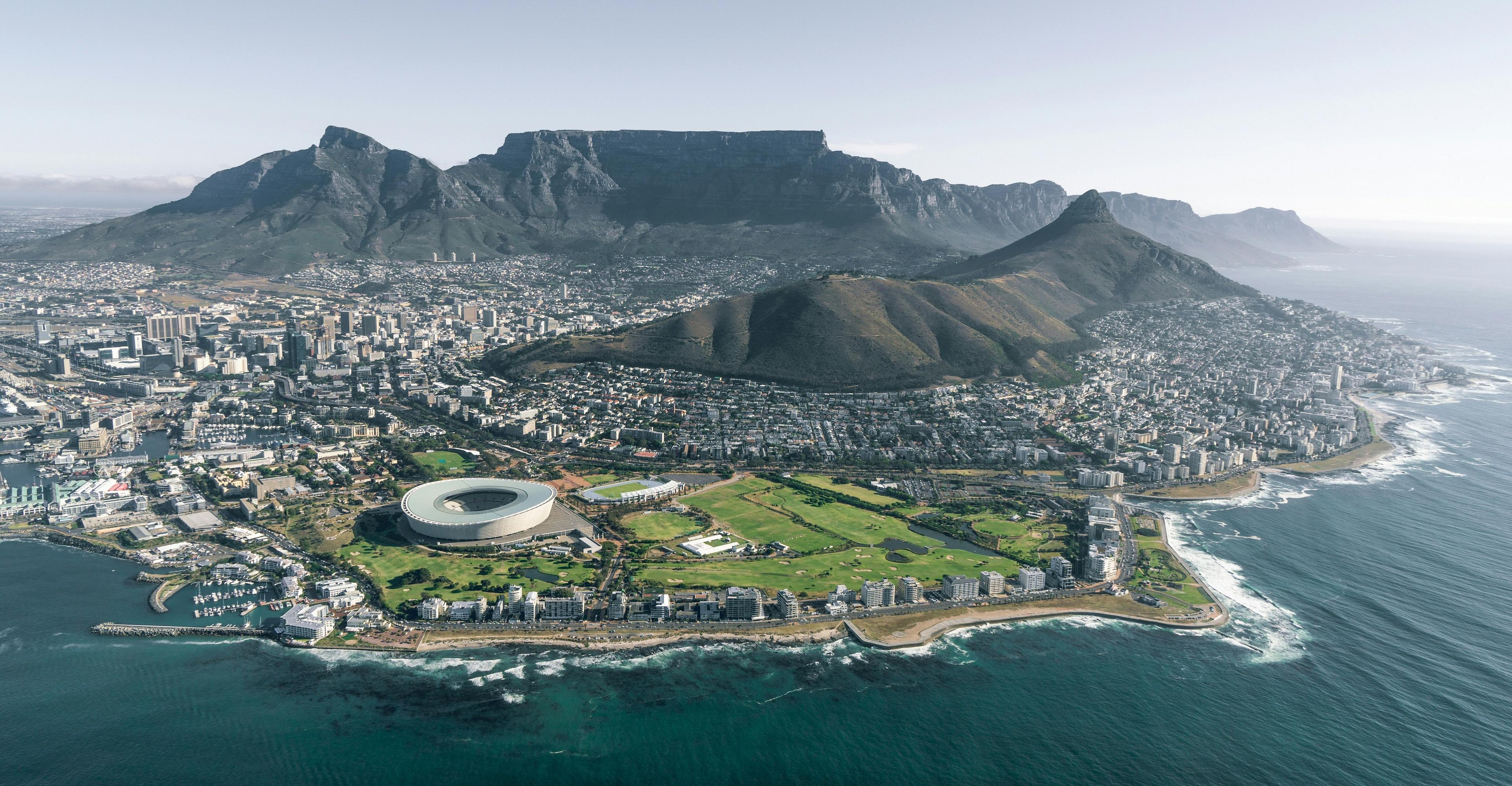
Why did it make the list? A generally wheelchair-friendly city made even better with a feast of safari tour options.
This jewel at the southern tip of Africa is likely the most disability-friendly city on the continent. The MyCiti transit system is widely accessible (if a little under-maintained), and you might be surprised by the range of attractions that are equipped for wheelchair users. The biggest sights in town are actually pretty rollable!
Table Mountain National Park, for example — one of the New 7 Wonders of Nature — is completely accessible, according to the accounts I’ve read from past visitors. There’s a cable car and elevator to the top, then a 1.8 km flat loop path with panoramic views of the city’s coast, neighboring mountaintops, and Robben Island (where Nelson Mandela was once imprisoned).
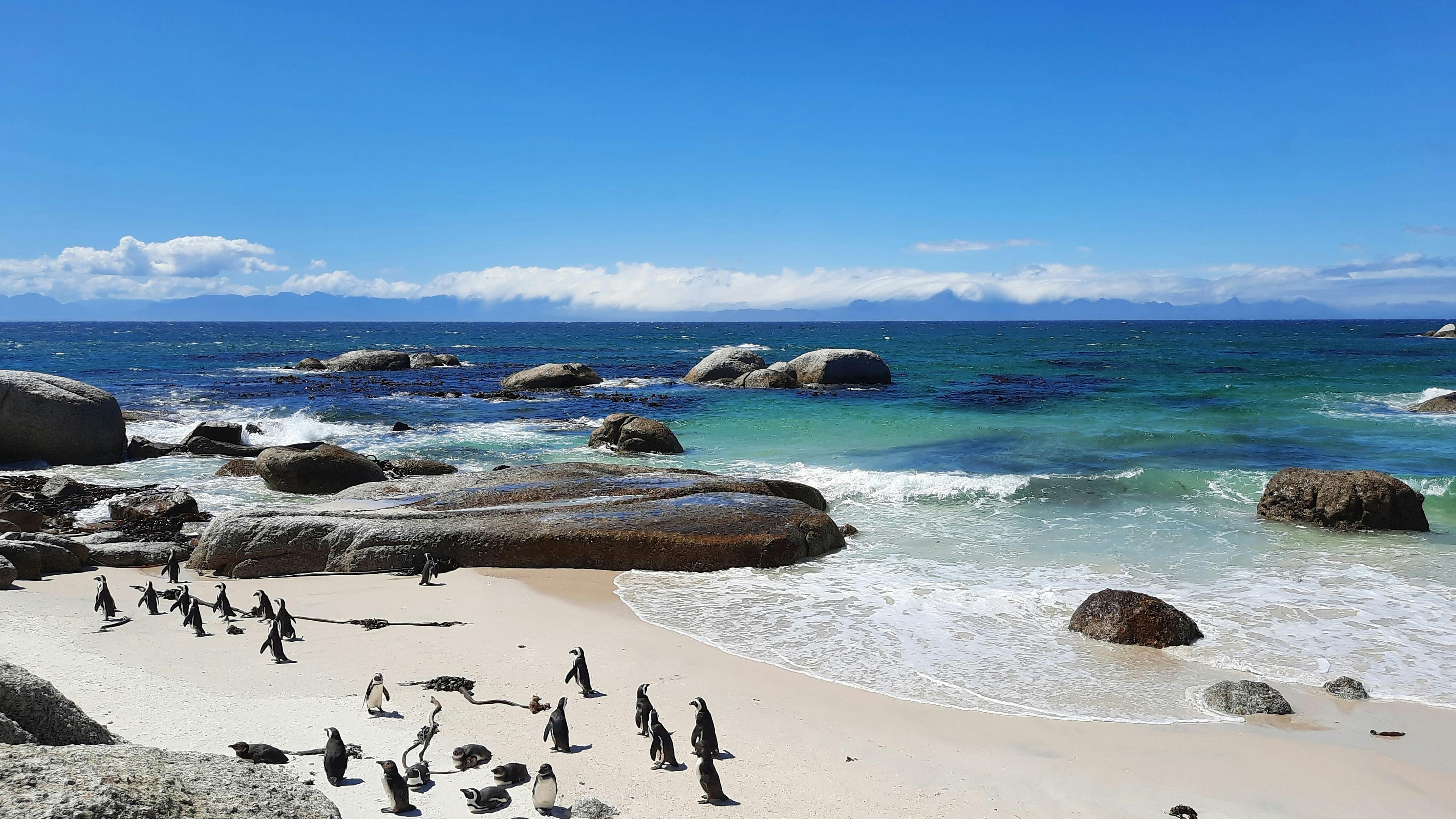
Down below, still a part of the national park, you’ll find Boulder’s Beach. It’s best known for its penguin residents, who are easily spotted from the wheelchair-friendly viewing areas.
But the best thing about Cape Town is its charcuterie board of safari tour companies. The larger ones pretty invariably offer some degree of accommodation, but there are also several companies whose entire shtick is catering to various disabilities. It’ll take some research to find the right fit, but with this many options, I’m confident most folks can find their perfect match.
Wheelchair users might want to start by taking a look at Epic Enabled — they come highly recommended. I’ve seen a few (like Access 2 Africa and Flamingo Tours) that claim to provide tactile, sensory experiences for people with vision impairments, but I couldn’t find a firsthand account about them. If you’re able to branch out to Johannesburg (also decently accessible!), you’ll find even more options.
Sedona, Arizona & the Grand Canyon

Why did it make the list? Wild Southwestern desert views with minimal physical requirements.
The entire American Southwest is littered with some of the prettiest desert scenery in the world, but a lot of it is hidden behind long, rocky trails or bumpy drives with no services. Enter Sedona: relatively flat, PACKED with a huge range of trail options, and with 360° views so gorgeous you’ll be taking photos out the car window before you even pull up to the lookout point!
My family visited Sedona last year and only had good things to say about the town’s accessibility. My sister’s disabilities mean she can’t really get off-grid and explore the wilderness, but Sedona offered a place for her to enjoy the desert on her own terms. Tlaquepaque market is pretty flat, the Chapel of the Holy Cross offers golf cart shuttles to the top of the hill, and the sheer quantity of trails means you’re never far from a short, flat path through the red rocks. Ashley from Wheelchair Traveling has several roll-friendly trail suggestions if you need them.
Sedona also has a laid-back, “peaceful escape into nature” vibe that can help you avoid sensory overload. My sister gets overstimulated by a lot of places, but Sedona is calm and quiet enough that she was able to enjoy being out on the street or around the most popular attractions.
But possibly the biggest selling point for Sedona is its proximity to another desert icon. The Grand Canyon, one of the most famous (and most accessible!) national parks, is just a two-hour drive away. While the canyon offers plenty of tricky treks, the iconic postcard views are along the top, visible from a flat paved trail close to the parking lot.
Singapore
Why did it make the list? Top-tier accessibility regulations combined with a clean, maintained environment.
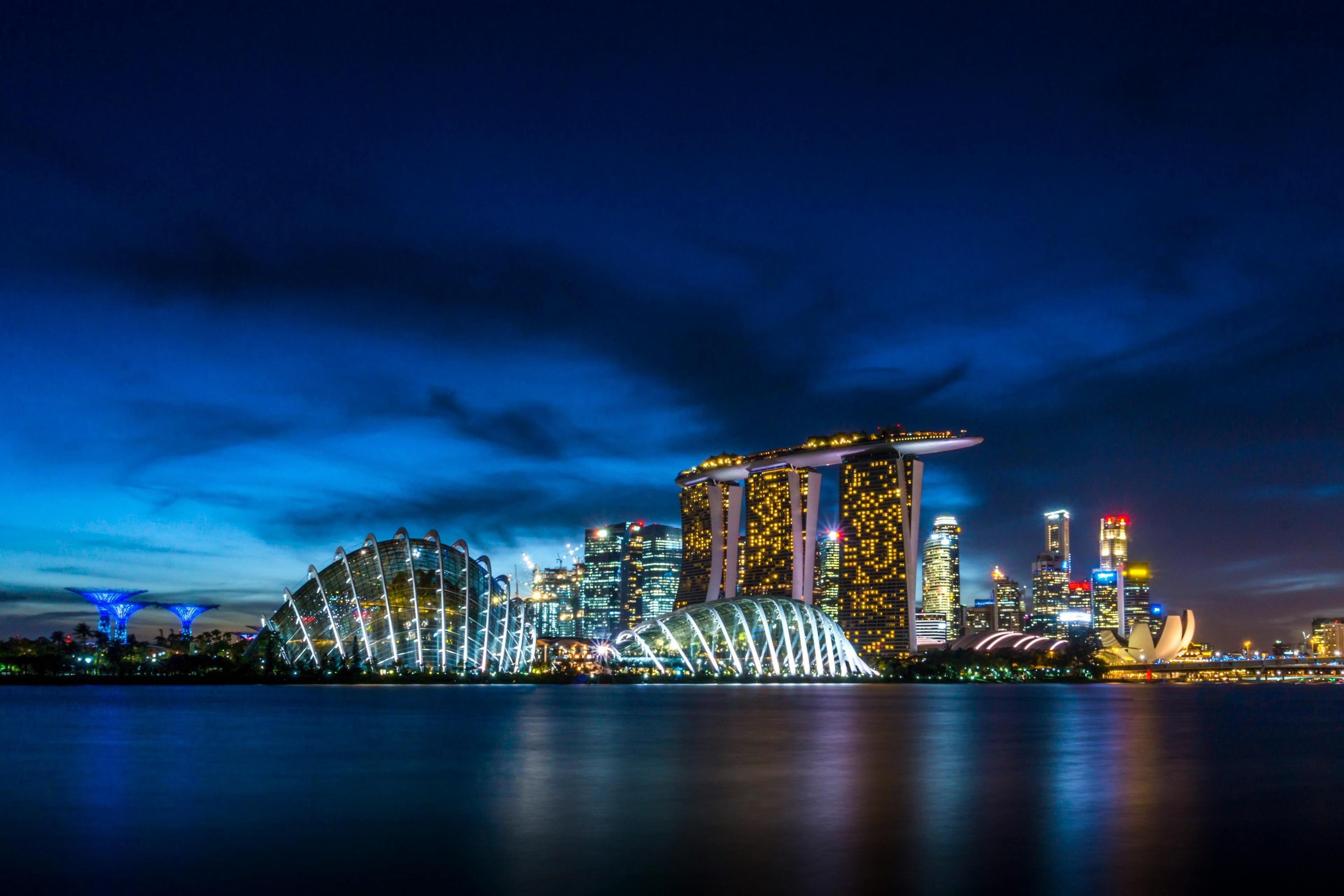
I know I said I was avoiding the most common urban recommendations, but I’d be remiss not to mention Singapore. If you’re hankering for an East Asian city break, this one is pretty tough to beat! The greenery-covered, sparkling metropolis has made accessibility a top priority. The BBC estimates that a whopping 95% of sidewalks in Singapore are fully accessible for folks with “a variety of impairments,” as are most bus stations and all rapid transit stations. Accessibility here really is treated as the default instead of an optional add-on.
Attention to detail elevates Singapore even higher. One deaf resident noted that train announcements are always simultaneously displayed as text on a screen. A visitor with mobility issues mentioned that crosswalks have an option to extend the time limit for crossing. And because the city is so clean and well-maintained, you’re not likely to run into too many sidewalk bumps or annoying pieces of litter.
That level of care and consideration carries over to sensory concerns — while the city can definitely be overstimulating, designated quiet areas are provided at many attractions. Singapore has a reputation for being more organized and less chaotic than most Asian hubs, so a lot of folks find it less overwhelming than you might expect.
If Singapore’s year-round muggy weather doesn’t work for you, but you still want a super convenient Asian metropolis to explore, I’ve also heard good things about the accessibility in Tokyo.
Iceland

Why did it make the list? Peaceful, otherworldly scenery with drive-up convenience.
A volcanic country best known for its vast wilderness doesn’t immediately sound like a disability-friendly destination, but here’s the thing about Iceland: most of its popular sights are either right by the road or down short, flat paths. Much like Sedona, it offers a ton of trails that cater to range of abilities, making it a great spot to admire jaw-dropping natural landscapes without needing to trek for miles first.
Skogafoss (that famous waterfall on the cover of every Iceland photobook), several other falls, the Strokkur geyser, the Blue Lagoon, and most of the Golden Circle are all wheelchair-friendly. While the black sand beaches don’t usually have ramps, some of them do have accessible viewpoints or sections of packed sand.
I’ve heard incredible things about the tour company Iceland Unlimited — seemingly every blog or Reddit thread about disabled travel in Iceland has praise for them. They offer a variety of tour types ranging from self-guided drives to bespoke multi-day adventures, so if you want to do as much in Iceland as you can, they might be a good place to start.
Keep in mind that Iceland’s most popular attractions get pretty crowded in the summer months, so maybe stick to September-May if that doesn’t work for you. Otherwise, Iceland is another country routinely considered one of the calmest and most peaceful.
Lastly, I highly recommend Cory Lee’s Iceland articles for wheelchair users because he covers just about everything you could want to know!
The Canary Islands

Why did it make the list? A sun-soaked island vacation that comes with a side of unique experiences.
The Canary Islands, an arid archipelago off the coast of Africa, are easily the trickiest destination on this list and come with the most caveats. However, I still think there’s a lot to offer here! For starters, they’re a territory of Spain, so we get to enjoy those decent EU regulations again. That means that while not every area is rollable, you can generally expect most modern hotels and public transit to have ramps and elevators. The ferries have also gotten the wheelchair-friendliness stamp of approval from a previous visitor, so you’re free to island-hop from a chair.
But the main reason I think the Canaries deserve a shout is because they offer some pretty unusual experiences. Teide National Park on Tenerife is a great example. This volcanic desert park is another spot that might look rugged and remote on the surface, but it actually has good paved roads, wheelchair tours, and a wide enough variety of trails that most folks can find one that works for them. The cable car sadly isn’t wheelchair-accessible, but if you’re able to walk short distances, you can use it to catch great views of the caldera from above.
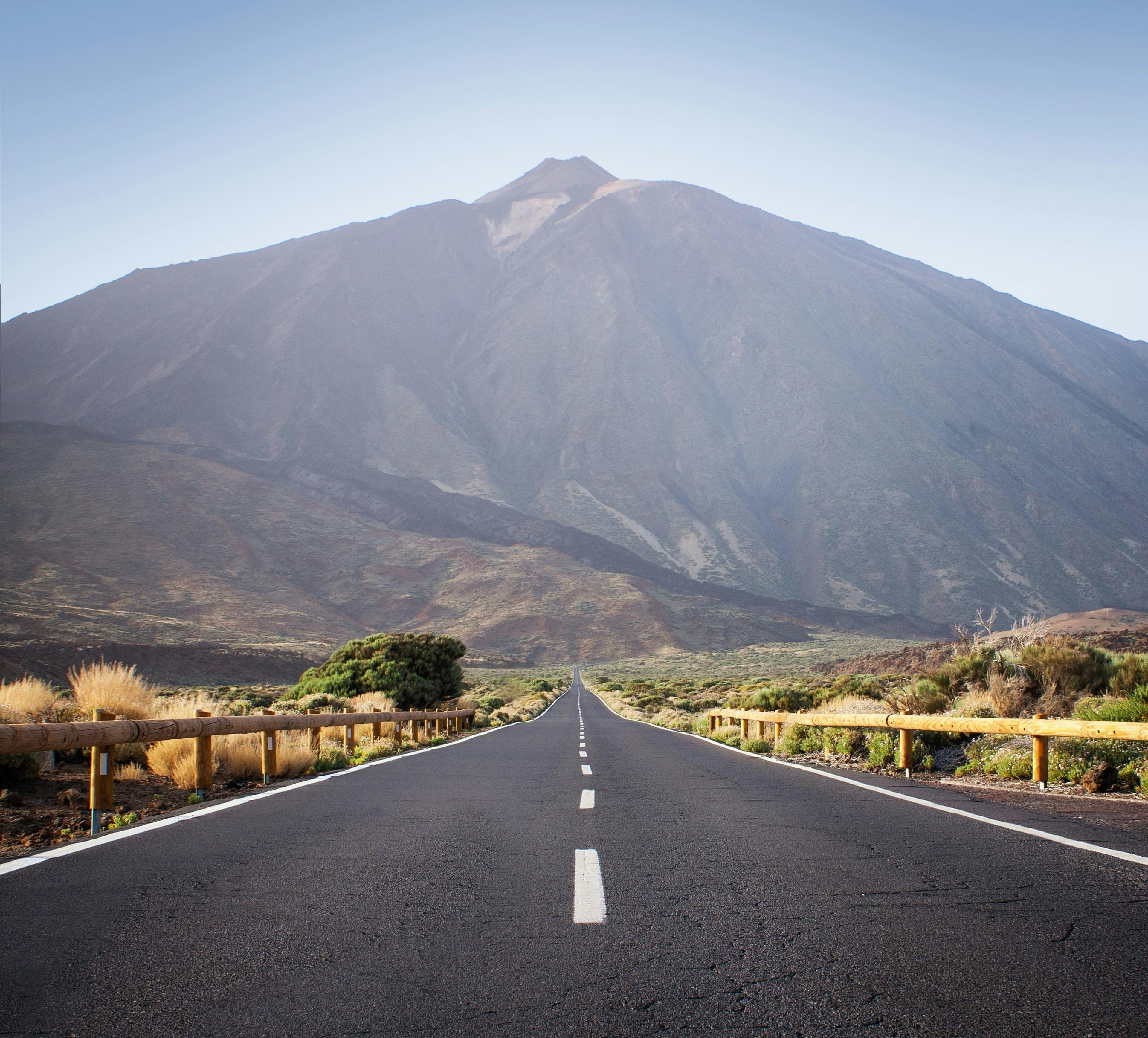
My favorite thing about Teide is that it’s a dark sky zone, meaning it’s recognized as one of the best stargazing spots in the entire world, and you don’t have to hike or camp to enjoy it! The cable car basecamp is said to offer the best view, but the Masca area is another recommended spot that doesn’t require walking.
Another highlight in the Canaries is the accessibility of the beaches. Flat boardwalks, wheelchair ramps going over the sand, and great facilities can be found at various spots around the islands, but Las Vistas Beach in particular is known for its disability-friendliness. Alex from The Life Quadriplegic said he was able to get into the ocean for the first time in ages there.
Finally, I found this extremely detailed guide about the Cueva de los Verdes Cave on Lanzarote that was written by a blogger with mobility issues. It’s definitely not wheelchair-friendly, but if you can do short bursts of scrambling and ducking, it could be a great opportunity to step into a lava tube while knowing exactly what you’re getting into.
If you or your travel partner have a disability, then I hope this list introduced you to a couple of new travel ideas! Let me know in the comments if you have experience with any of these spots, or if there are any other places you think deserve a shout.
I’d love to share another article made up of your suggestions. I’m especially interested in finding destinations that go above and beyond for folks with vision or hearing impairments because I found it difficult to find firsthand accounts on that topic.
And if you don’t have any experience with disabilities, then I hope this is a reminder to think about accessibility in your city and the roadblocks that able-bodied people tend to overlook. It’s a big world, and so much of it is off-limits to so many of us.
Safe and happy travels :-)