Dancing with the Dead: A Día de Muertos Fiesta in Guanajuato

Akasha Loucks
Mexico City, Oaxaca, Michoacán, Yucatán… all major, and somewhat expected, names that made National Geographic’s listicle on where to experience Day of the Dead. Joining the crowd is somewhere that might not be on your radar: Guanajuato, a city I was fortunate enough to call home for 6 months.
From the concrete jungle of Mexico City, to the actual jungle of Chiapas, and the remote beaches of the Yucatán. My 2 years living here were nothing short of magic, but it was this color-outside-of-the-lines city that left an indelible mark on my travel journals - and my heart.
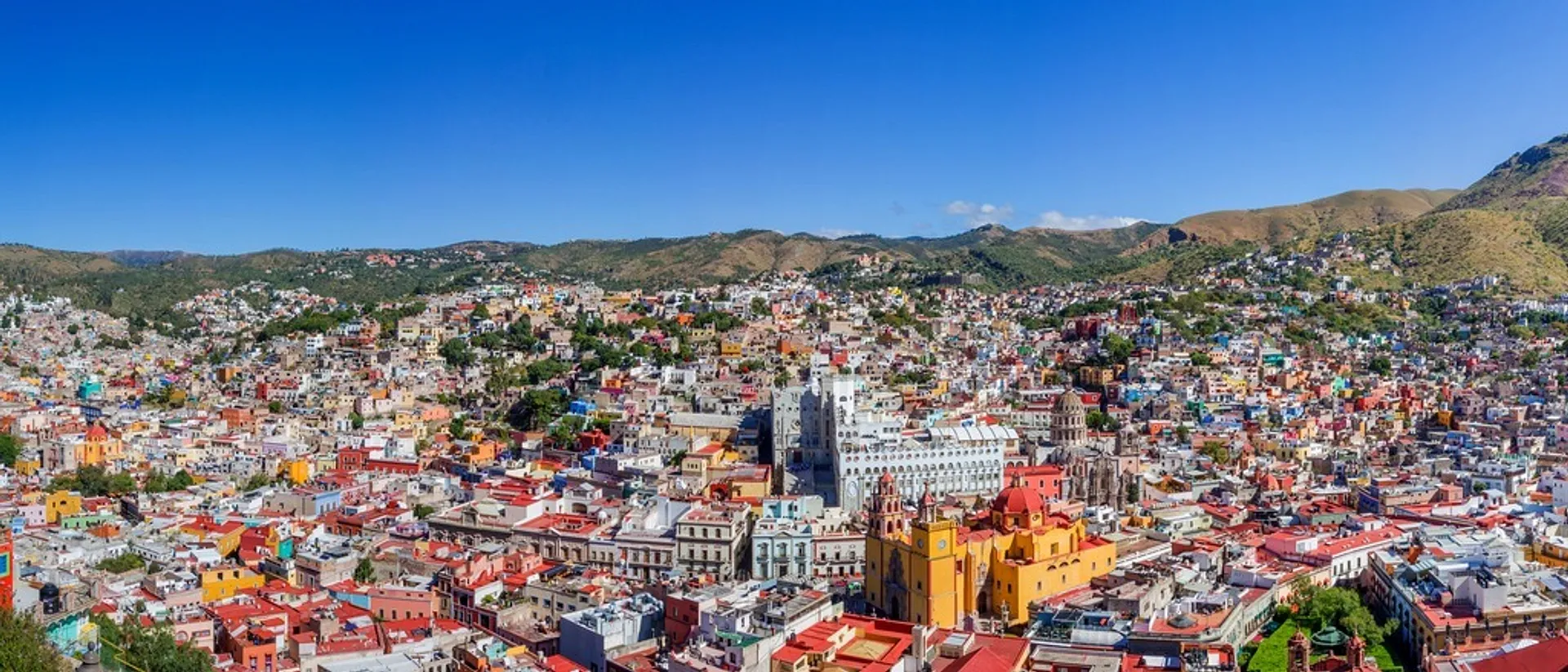
See, there’s vibrant, and then there’s Guanajuato — the city looks as if it's been built atop an acid-fueled game of monopoly, in the best possible way!
But the true beauty lies in its contrasts and its energy. Stately colonial palaces and churches tower above the crayola-colored houses, all stacked on top of each other in the valley.
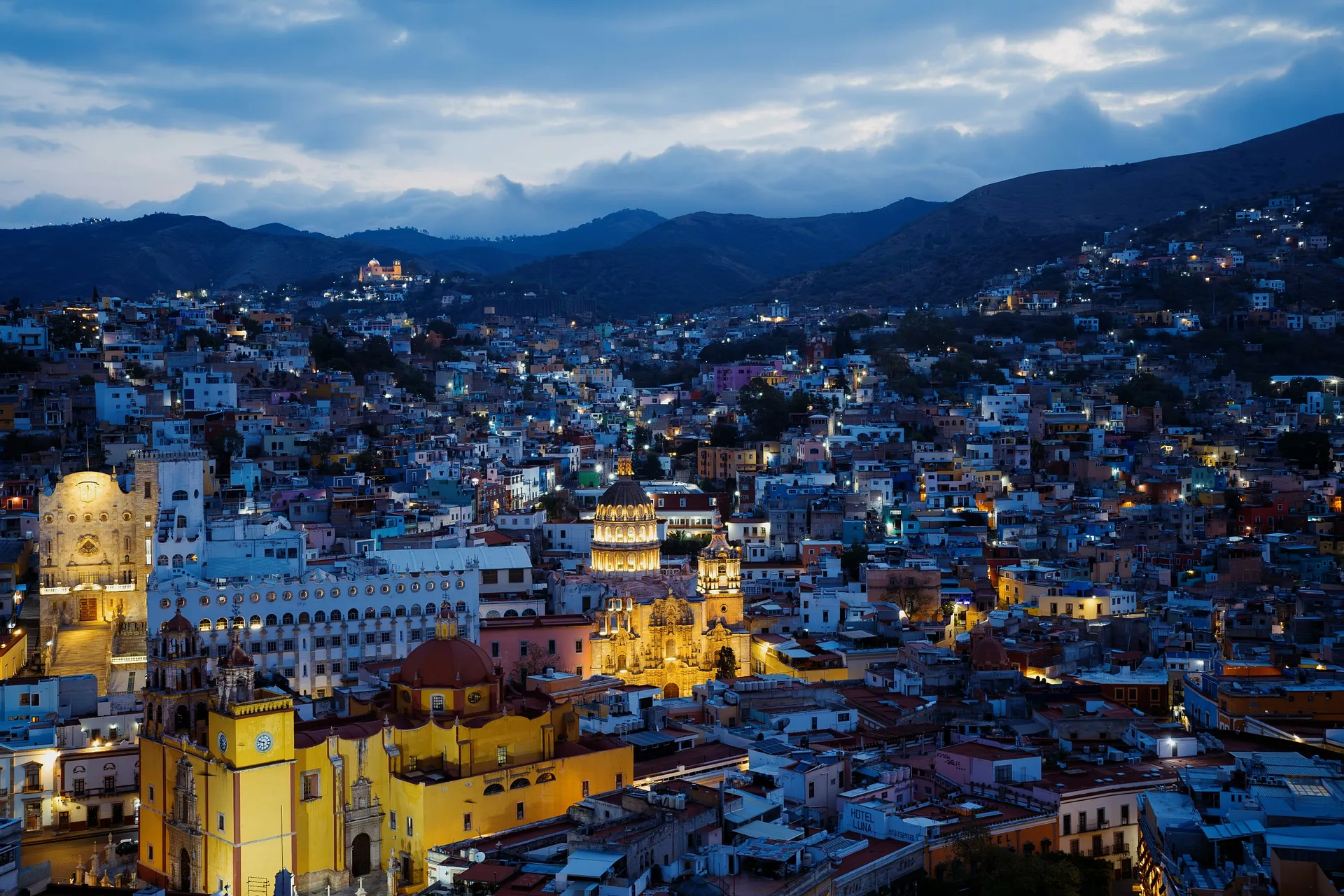
Manicured gardens bursting with bougainvillea drop hints of a genteel past and a lingering wealth. Yet its pastel walls featuring bold political graffiti and the coils of barbed wire show signs of an entirely different reality.
Venture up one of its winding callejones, and chances are you’ll find yourself stuck behind a donkey and cart or swept up in a callejoneada — a brass-wielding parade of university students ensuring their city is one that definitely never sleeps. And don’t be surprised if you hear any of these as you pass by their crowds of followers:
“Yes, that is a museum of decomposed people”
“Nope, you DID just see a devil dancing through the streets, cracking a whip”
“And yes, that is, in fact, a street vendor peddling electric shocks strong enough to knock out a horse — for a price”
In my opinion, there’s never a bad time to visit Guanajuato. But there’s one magical event that truly deserves a spot on your bucket list: Día de Muertos/Day of the Dead.
This ancient tradition rooted in pre-Hispanic Aztec, Toltec, and Nahua cultures spans thousands of years. It began as a way to celebrate and honor the lives of those who have passed on, recognizing that mourning was considered disrespectful to the lives of those passed. Instead, the holiday was created to commemorate their lives joyfully.
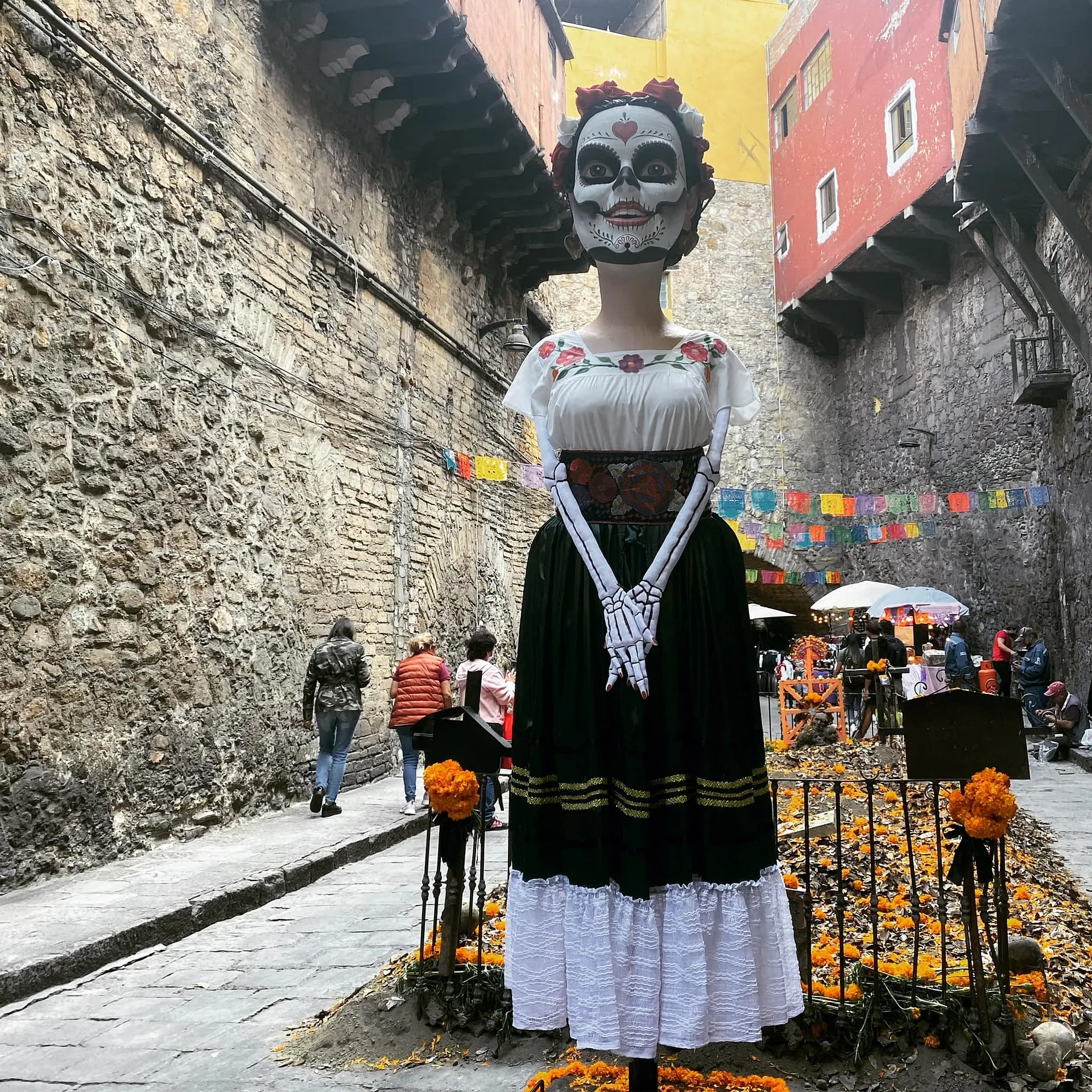
On the Day of the Dead, it is believed that the spirits of the deceased return to join the living. Ofrendas, or altars, which are set up to welcome back the spirits of those who’ve passed, are a huge part of the Día de Muertos tradition. Each element of the altar has its own meaning: water to quench their thirst after the long journey, and their favorite alcohol (or cigarettes) help make them feel at home again.
You’ll often see bright golden marigolds, or flores de cempasúchil, used to create paths for the spirits to follow. And of course, photos of the loved ones and their favorite items, celebrating their lives and inviting them to join in the celebration.
In Guanajuato, Día de Muertos is almost a week-long affair, this year kicking off on October 31st until November 3rd.
Here’s a rundown of what not to miss:
The Unveiling of Ofrenda Monumental
On the first day of celebrations, the University of Guanajuato unveils their grand altar, known as Ofrenda Monumental. This multi-level altar takes more than 300 students to painstakingly make from sawdust, colored sand and flowers. Sprawling across the University steps, it honors key figures from Mexican history, with each level representing the natural elements: earth, wind, water, and fire.
The Catrinas and Calavares Parade
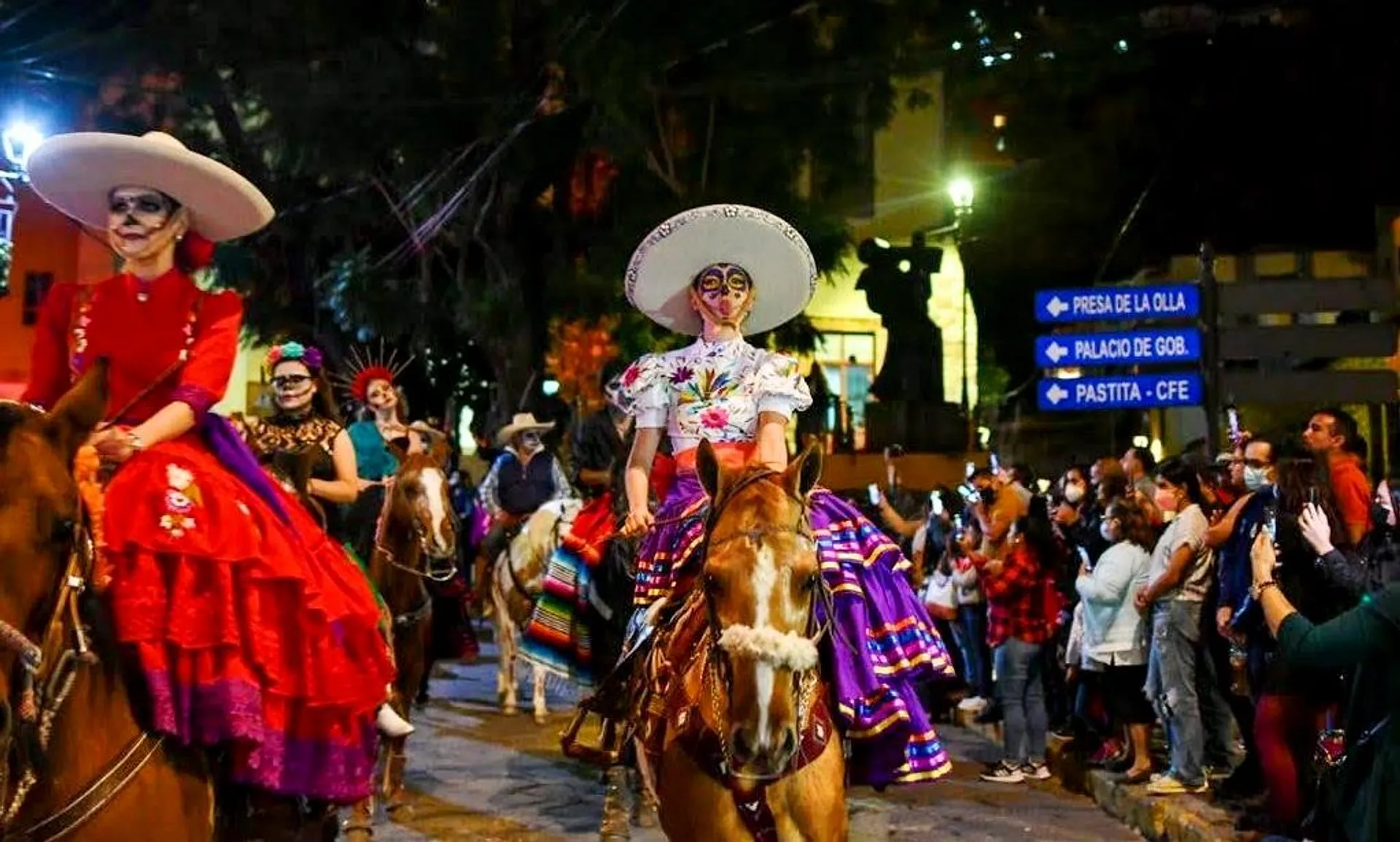
At 8 p.m. on November 1st, the main parade leaves from the Embajadoras Garden. It features hundreds of people — kids and adults — all decked out in incredible costumes, along with colorful floats and decorated vehicles and horses. The procession makes its way down Avenida Benito Juarez and ends at the Plazuela del Músico.
As evening approaches, you’ll see plenty of folks lining the parade route, so grab your spot early and bring your camera!
Catrinas Contest
La Catrina, created by the Mexican artist José Guadalupe Posada in the early 20th century, has become a symbol of Día de Muertos and Mexican culture. Posada’s Catrina was a satirical depiction of a wealthy female skeleton, dressed in elegant attire, highlighting the idea that death comes for everyone, regardless of social status.
Over time, Catrina evolved into a more iconic figure, especially thanks to the renowned artist Diego Rivera, a Guanajuato native who featured her in his mural "Dream of a Sunday Afternoon in the Alameda." Today, La Catrina represents a playful acceptance of death and is embraced in celebrations throughout Mexico.
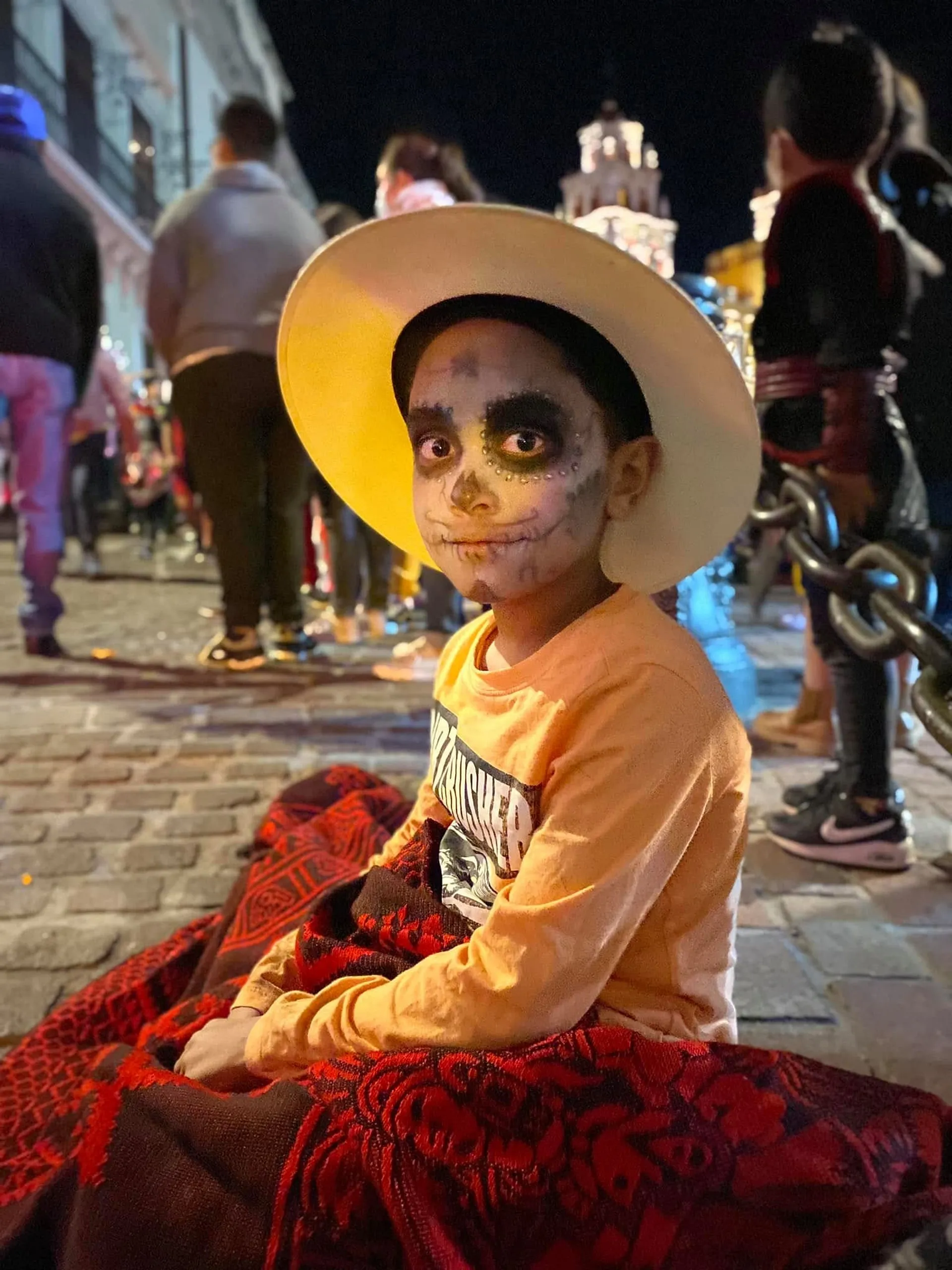
The Catrinas Contest is a fun and lively part of Día de Muertos celebrations, usually held after the parade. People get super creative, dressing up in elaborate costumes and painting their faces to embody the spirit of the Catrina and win prizes.
Tapetes de Muerte
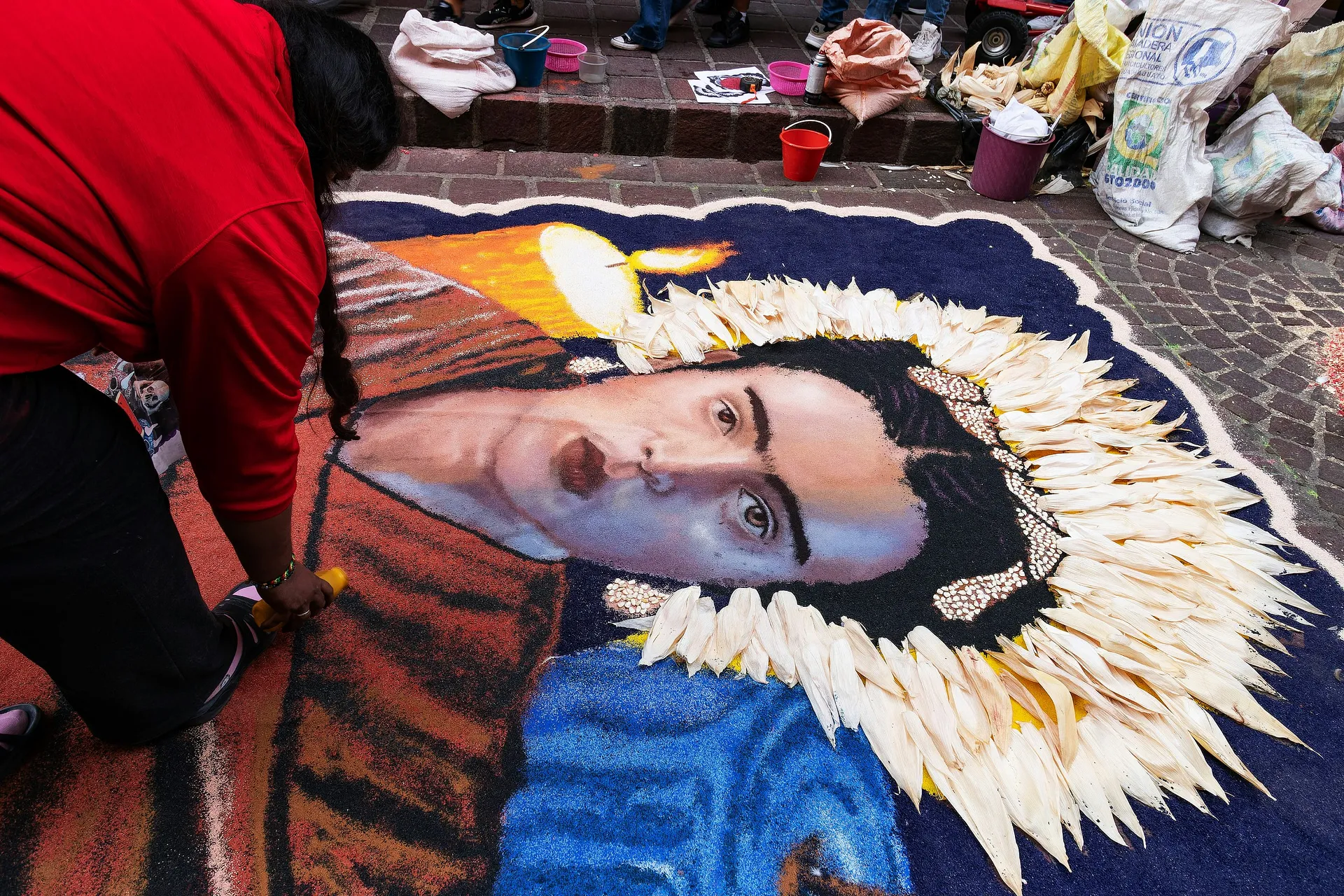
On November 2, starting bright and early at 7:00 a.m., head over to the historic center to witness student groups and professional artists rolling up their sleeves to create tapetes de muerte. These intricate carpets made of colored sawdust, flowers, and seeds feature all sorts of themes related to life, death, and the spirit of Día de Muertos.
Begin your tour at Plaza de la Paz, then stroll down the main road past the Jardín de la Unión and watch the artists bring their tapetes to life. It’s always great fun to swing by again later and see the finished masterpieces!
You’ll find even more tapetes decorating the tunnels beneath the city, too…
Túnel de Tradición
You might not know it, but Guanajuato’s got a lot going on underground! Stretching around 6 miles, the city’s historic tunnels were originally constructed to manage flooding during rainy season.
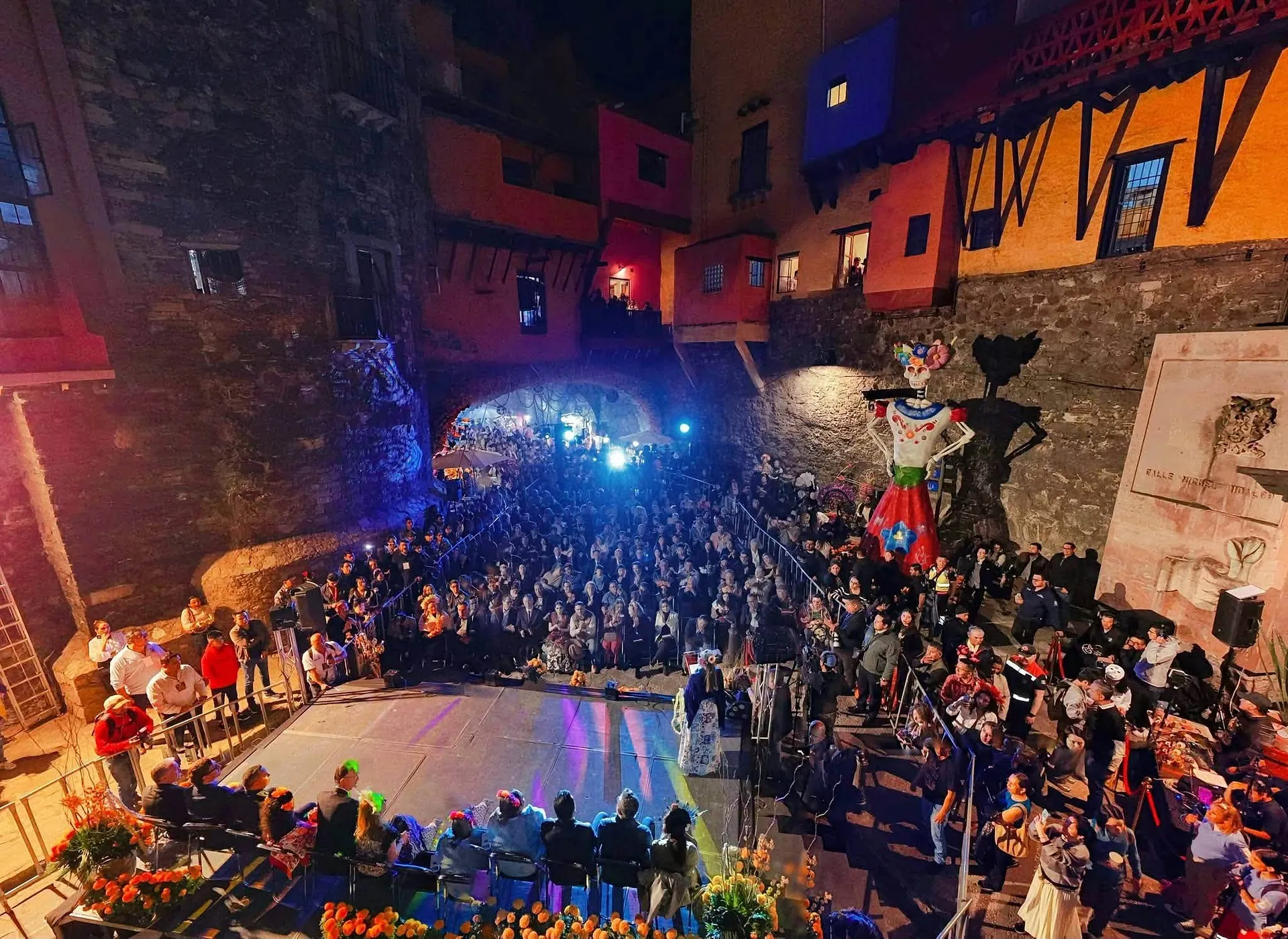
Nowadays, some are used for vehicle traffic, while others offer a detour to hidden plazas and restaurants. They also serve as cultural spaces during the city’s many festivities, particularly during Día de Muertos.
The usually quiet passageways are transformed into a lively showcase of altars and even more tapetes, the spirit of the holiday permeating the air with the scent of marigolds and incense. Local artisans often set up stalls and pop-up mezcal bars.
The tunnels can get quite crowded, especially in the evening, so be mindful of that if you’re at all claustrophobic!
Macabre Callejoneada
Ah, the Callejoneadas—the lively, nighttime walking tours led by university musicians are a staple of Guanajuato year-round. But during Día de Muertos, these tours take on a hauntingly beautiful twist.
The musicians don elaborate makeup and festive costumes, transforming the experience into a celebration of life and death. The groups weave through the city’s tunnels and alleys by candlelight, pausing to honor the many altars that spill out onto the streets along the way.
Experiencing Día de Muertos in Guanajuato, it felt like I was part of a truly authentic blend of culture and tradition. It’s something that can really deepen your understanding of life, death, and the connections that bind us, regardless of where we roam.
So, let Condé Nast wax lyrical about San Miguel de Allende and how it’s “the best city in the world.” to celebrate Day of the Dead.
With any luck, it’ll ward off the bougie crowds, allowing Guanajuato's vibrant map of marigolds to do what they do best: guide the curious travelers in and the dead back home.