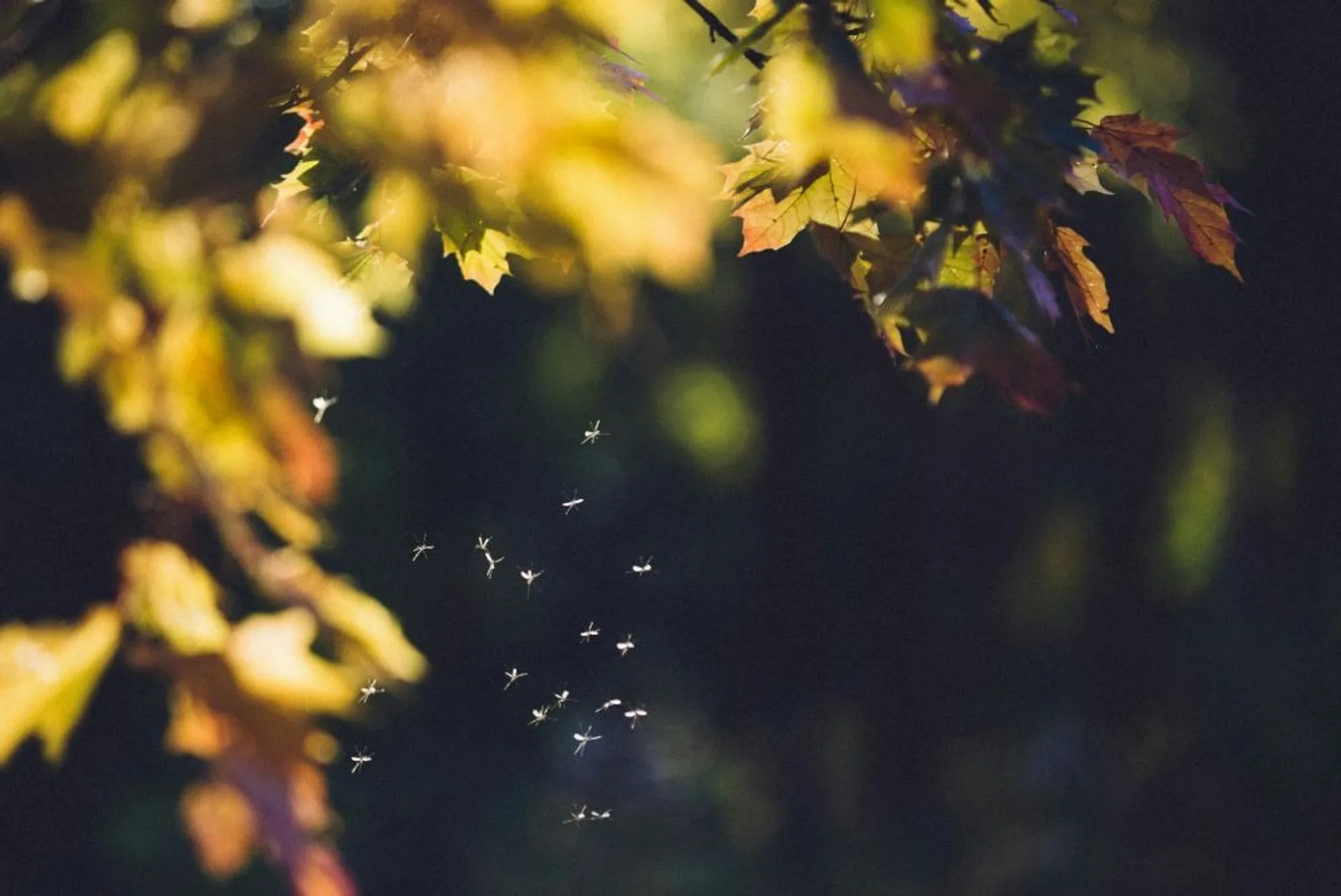
Mosquito Mayhem: Tips and tricks to avoid getting bitten on your travels

Katy Maclure
Like many avid travellers, mosquitoes are the bane of any trip to warmer climates. Although we have them here in Scotland, they still don’t seem to have learnt how to bite (unlike our demon midges), so I’m always underprepared. And apparently very tasty.
When you’re travelling to an area with virus-carrying mosquitoes, you don’t want to mess around. And even if an itch is the worst risk, one really annoying bite can make a trip pretty miserable.
An established repellent containing DEET is my go-to. However, I know there are alternatives and extras out there that can boost my mosquito-repelling powers, of which I wish to have many.
That’s why I asked our worldly-wise Jack’s Flight Club Community for tips on how to stop mosquitoes from biting me. Here’s what they had to say:
Sprays & Oils
“I use the mosquito wipes on my exposed body and it seemed to work just fine in South America where I frequent. A buddy told me BOUNCE dryer sheets also worked but I haven't tried it as the wipes do it for me along with the unscented deep woods spray.” - Gallivanter
“Avon Skin So Soft works for us. Not sold as a repellent, but it does work!” - SpiritedDiscoverer78933
“A friend who was in the army said they all use Avon Dry Oil spray. We’ve used it ever since, and the only time anyone has been bitten was when they weren’t wearing it. Smells nice too.” - LiberatedTourist51024
“A friend who was working in India told me that a mix of dettol and baby oil was very effective and cheap.” - AdventurousHiker36717
Avon Skin So Soft is a popular anti-midge solution here in Scotland. While not sold as a repellent, studies have indicated that it can be around 85% as effective as repellents containing DEET.
Mosquito wipes, on the other hand, contain chemicals like DEET or Picaridin, which is similarly effective to DEET and less likely to cause skin irritation.
Natural remedies
“Currently in India. The mozzies love to bite me wherever I go. I recently read a scientific article about studies with coconut oil & derivatives of it repelling mosquitos. I use coconut soap, coconut shampoo, coconut oil after shower + eucalyptus & citronella spray ..seems to work great & all natural (+ coconut oil for sandflies is a must)” - NomadicCommuter12627
“If you want to keep the mosquitoes off you keep a bag of limes along. Slice one open, squeeze it on any exposed skin, and that citrus smell will keep them away.” - Rich
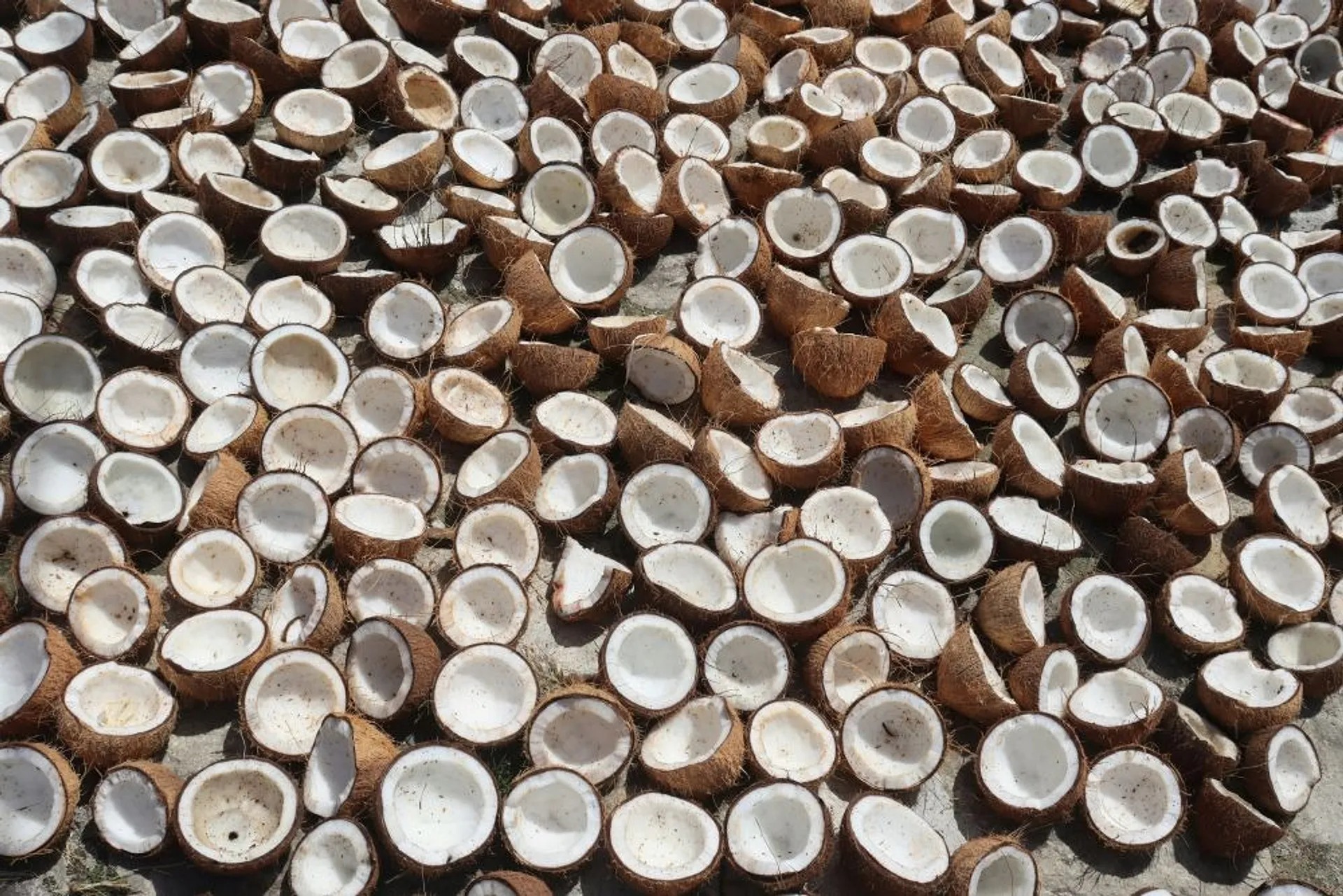
In particular, it’s the fatty acids derived from coconuts that are good at making you less attractive to mozzies. So while there’s no harm in washing with all the coconut-scented products under the sun and smelling like a piña colada for your whole trip, double up with reliable mosquito sprays containing coconut compounds.
It’s probably worth stating clearly that coconut oil alone could be a recipe for disaster in sunnier climates, offering little to no protection against UV rays.
Citronella is well-established as a repellent; however, its effects are not so long-lasting as DEET and other sprays. You’ll likely need to reapply every couple of hours to ensure you’re well protected, which isn’t ideal when you’re out and about. Lime juice has a similar effect, acting more as a short-term deterrent.
Combined, these seem to make for fairly effective options for short-term natural repellents when you’re in a low-stakes environment.
Marmite & Vitamin B
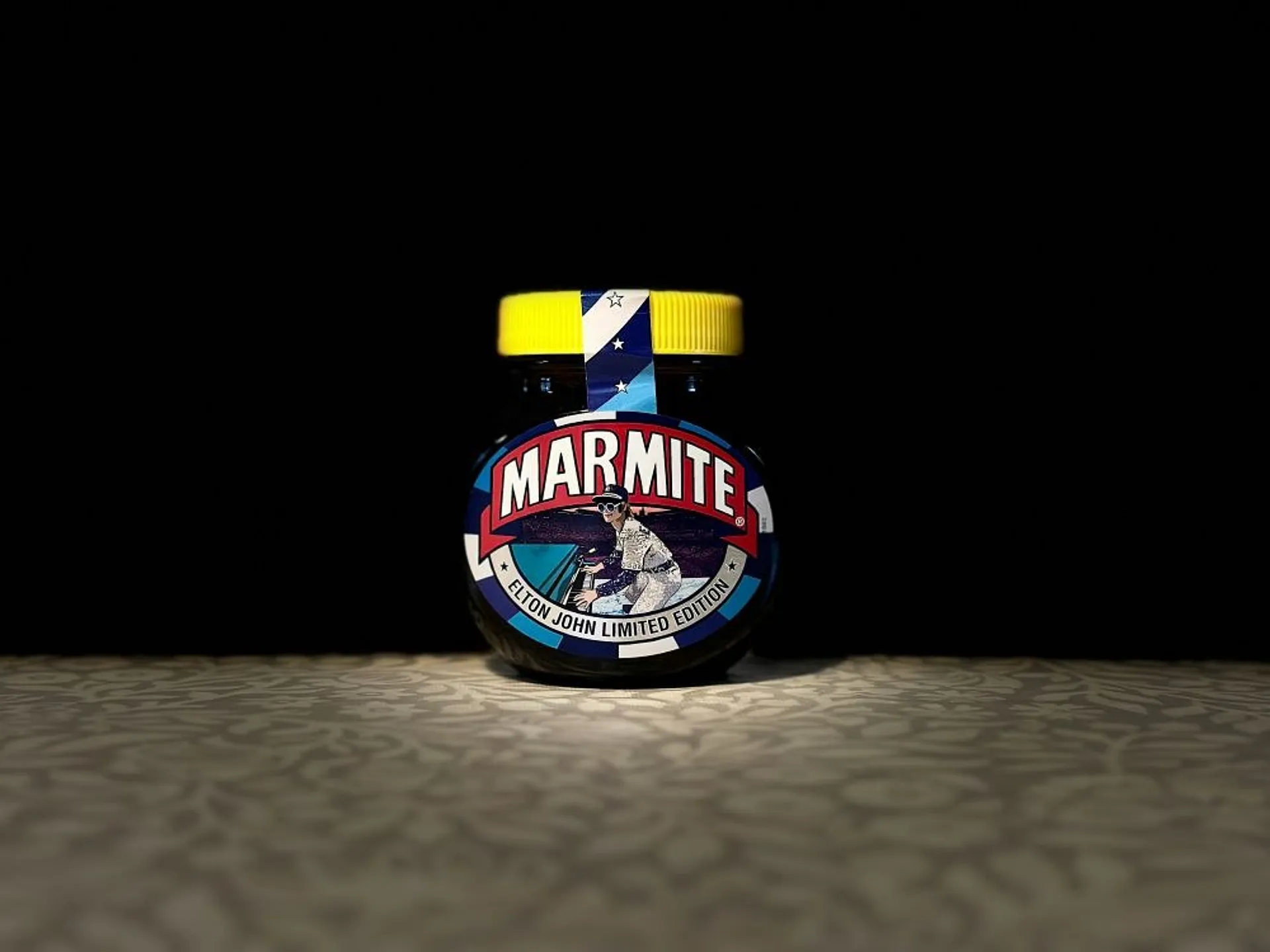
A couple of our esteemed community suggested vitamin B, or its (very British) proxy foodstuff Marmite, as an effective solution for warding off mosquitoes:
“I recommend eating Marmite every date before you go. It emits from your skin pores, they don't like it.” - Keith
“I've also been told (and found) that natural source B complex with yeast is effective because they don't like the smell…” - AdventurousHiker36717
As someone who mosquitoes find especially tasty, I tried the B complex tablet solution myself when I went to Cuba in 2017. Unfortunately, it made little to no difference for me, even when combined with repellent—I still remember the bite I got square in the middle of my forehead nine years on.
Taking vitamin B complex or eating a bucketload of Marmite (which is full of yeast and loaded with B vitamins) is not scientifically supported as a method of warding off bugs. Scientists have debunked the approach as little more than a myth, indicating that oral insect repellents simply don’t work.
So if you need a few extra B vitamins in your life or you're a fan of Marmite, it won’t hurt you. But definitely don’t rely on it!
Clothing
“To avoid getting bitten, cover up at dusk—long sleeves, long trousers, decent socks. Craghoppers Nosilife clothes are the best, as mozzies can't bite through them. Add mozzie repellent for any exposed areas, i.e. face, neck and hands. Squirt your room with mozzie killer just as you leave to go out for dinner. Yes, it's a bit of effort, but you will enjoy an itch-free holiday!” - AnimatedBackpacker29290
For going out in nature in mosquito-infested areas, covering up is a must. As a bonus, spray your clothes with repellent to ward off any hitchhiking nibblers who might lie in wait until you strip.
Bite Relief
Sometimes (often) we will still get bitten despite our best efforts. It’s best to be prepared when you do:
“I don't travel anywhere without Bug Bite Sting Relief; not a repellent, just a remedy when you get bit. I haven't experienced anything this doesn't fix, nothing from South America, innumerable islands or Europe. Dozens of countries, dozens of years!” - AdventurousItinerant20681
“For bite relief, I've found electrostatic clickers like these pretty good.” - CarCamper
Places With No or Few Mosquitoes
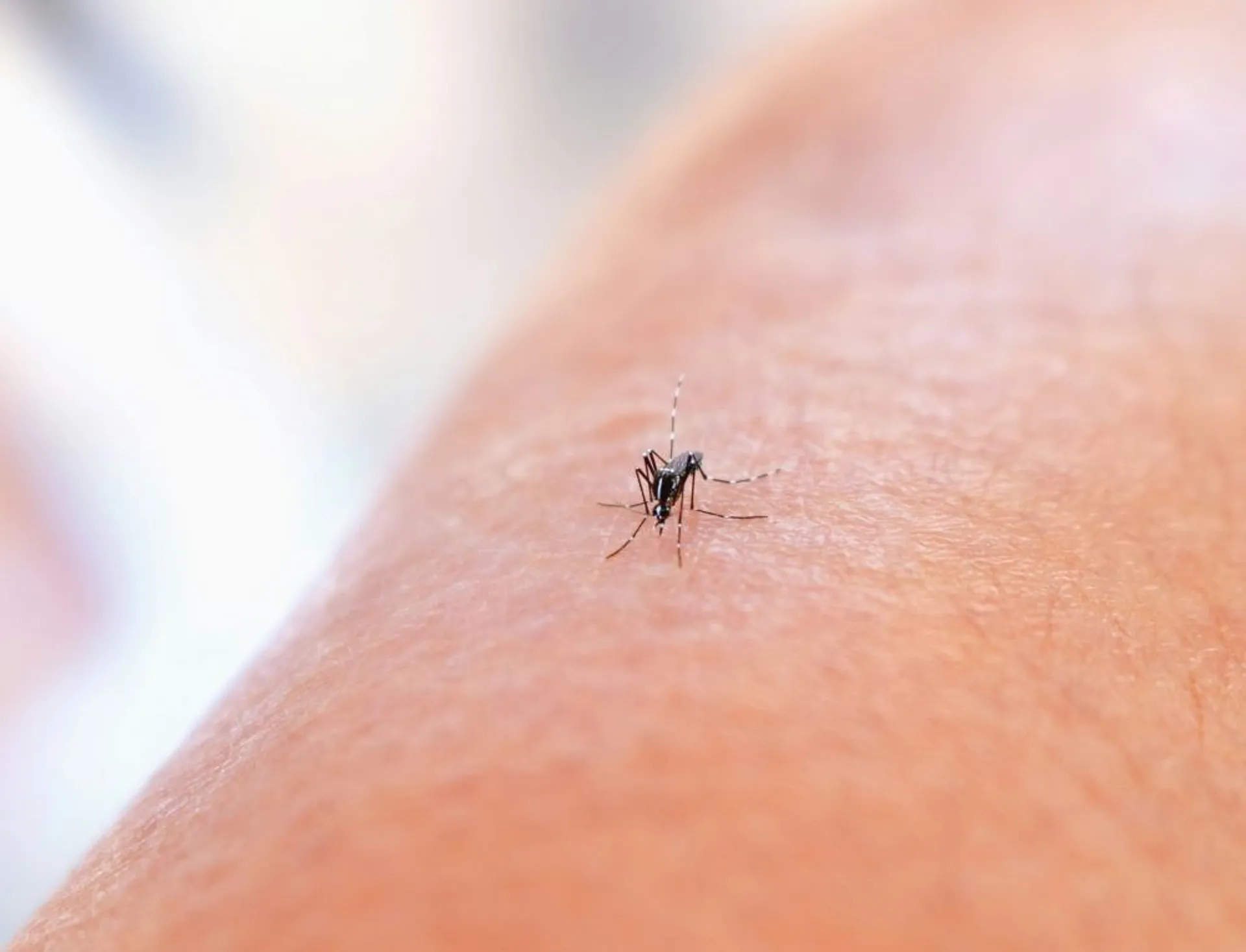
Now and then, it’s nice to know that you just don’t have to worry about getting bitten. There’s only one country in the world where you’re (pretty much) guaranteed to avoid mosquitoes, but other popular destinations can offer low-risk options, too.
Iceland
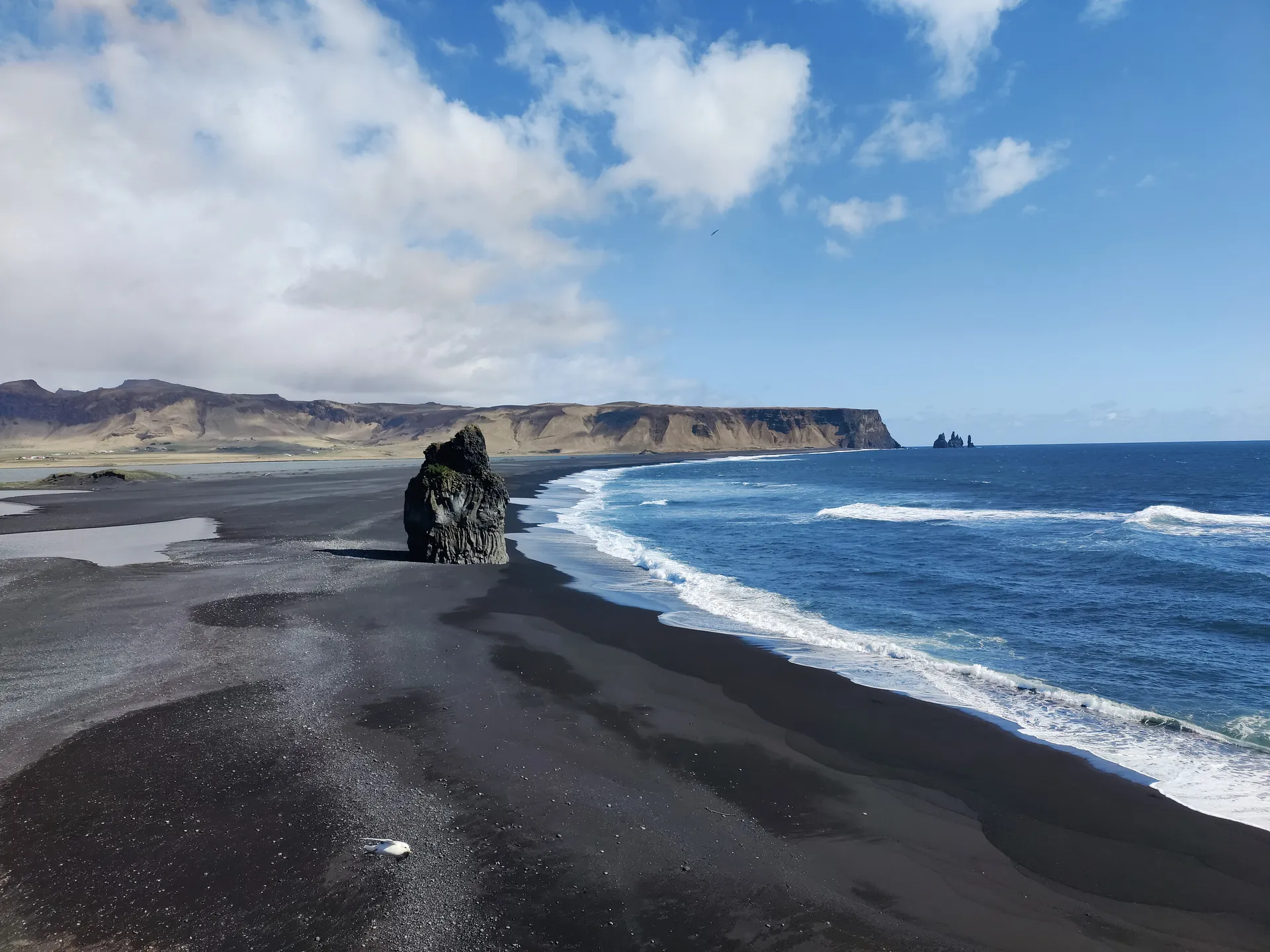
If you want to be certain you won’t be woken by that high-pitched drone circling ever closer or find yourself absentmindedly scratching your calf with your foot, Iceland is the way ahead. It’s the only country in the world with no native mosquito population.
Even if a wee gang of the bitey beasts hopped on a flight to Reykjavik, there’s little chance they’d be able to hang their coat for long. Between short summers and long, chilly winters, mosquitoes simply don’t get the chance to breed. That said, other bitey beasts are available. Sorry.
Antarctica
There’s lots to consider before heading off on an epic adventure to Antarctica. Visiting is pricey, it’s remote, and you need to pack a whole load of layers. But one thing you won’t need to bring along is repellent.
Much like Iceland, the climate in Antarctica doesn’t have the cozy conditions and standing water that mozzies typically enjoy. As yet, they’ve not found a way to procreate on an iceberg, for which we (and the penguins) are grateful.
Santorini
Let’s be clear—there are mosquitoes in Santorini. But as warm island climates go, Santorini is a safer bet than most. With no rivers or lakes and generally dry conditions, as well as the gentle Aegean breeze, there just aren’t that many spots for mozzies to set up home. You’re most likely to have a run-in once the winds calm down in late summer and autumn.
We’d still recommend that you take the usual precautions—body sprays and plug-ins for your accommodation should successfully ward off any determined nibblers.
Singapore
“Singapore has a ruthless team dedicated to identifying and removing standing water anywhere. Apparently a common case is an old tyre, its shape inevitably results in a small pool of water somewhere, whatever angle it is stored at.” - WanderingRoamer78745
This is what we love to hear. To fight the mosquito population in Singapore, the government has, in fact, released additional mosquitoes infected with Wolbachia. These guys basically pass along their virus onto other mozzies and neutralise the spread of viruses like malaria and dengue fever. In some areas of Singapore, this has apparently led to a 98% decrease in the overall mosquito population!
Caveat: there are still mosquitoes around. You probably won’t encounter many in the city and residential areas, but if you stray out into nature, be prepared.

Of course, there’s an element of seasonality to mosquito populations in many destinations. We’d always recommend you do your research before heading off on a trip and stock up on trusted, reliable products before you travel.
Before you head out for a day in the sun, apply sunscreen first, give it 15-20 minutes to absorb, and then apply your repellent. Check the instructions on your repellent of choice to see how often you need to reapply for the best protection.
So, dear readers, what did we miss? Are there any products or methods you swear by? Let us know in the comments to help other Jack’s Travellers stay itch-free :-)