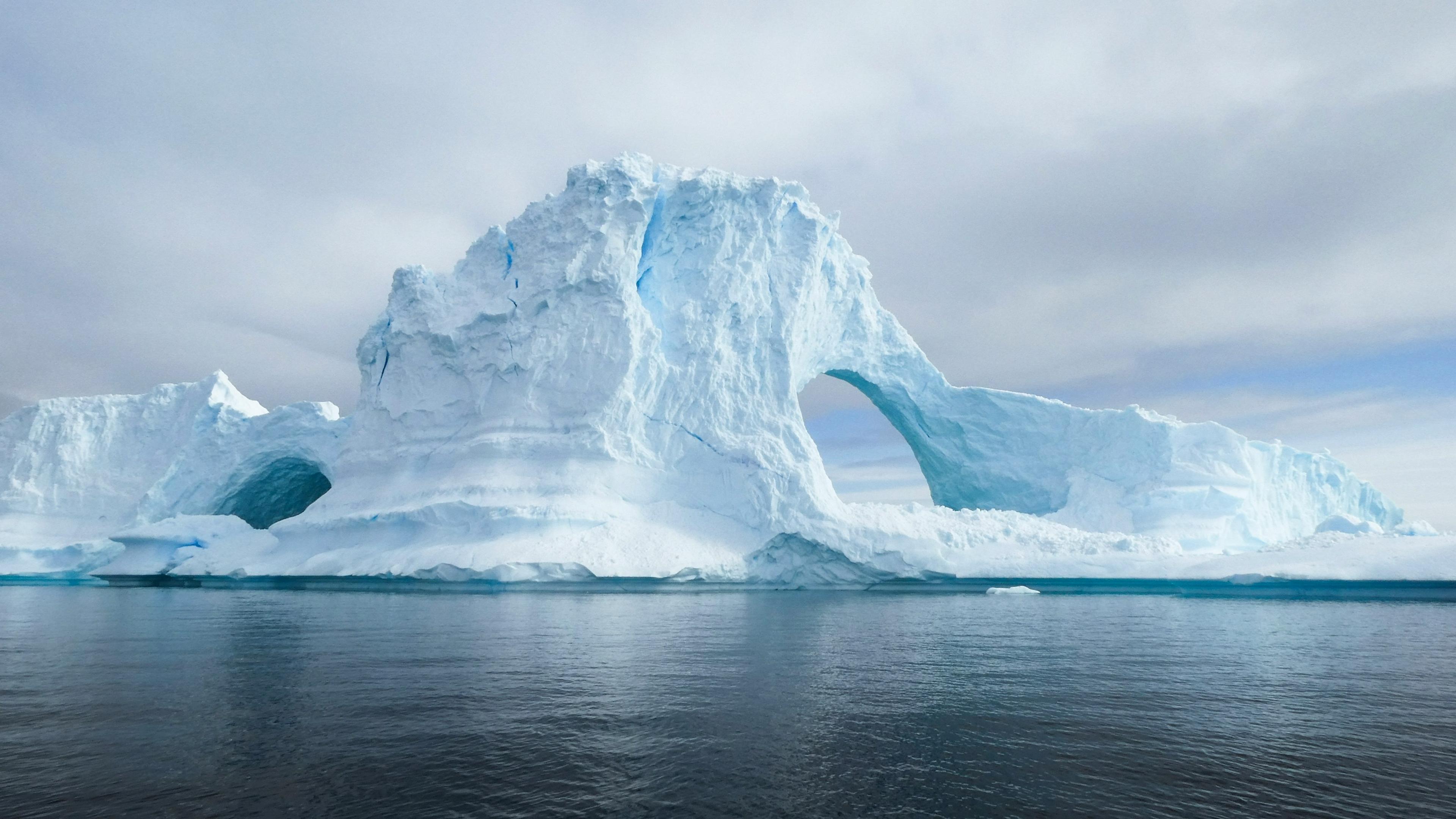
The Beginner's Guide to Visiting Antarctica

Olivia Louden
As more and more travelers seek out untouched, uncrowded places, the “beaten track” just gets harder and harder to escape. Even the tallest mountain in the world has a line to the top these days!
Maybe that’s why people are increasingly eager to travel alllllll the way to the very bottom of the Earth — to Antarctica, one of the most pristine, ethereally beautiful places on the planet.
It was nigh-impossible for tourists to set foot on its unforgiving, icy shores until the first passenger cruises started visiting in the late 60s. Back then, only a few thousand people made the journey per year. In the 2023–2024 season, that number was 122,072.
Despite the increase in visitors, strict environmental regulations and logistical nightmares have kept Antarctica exclusive, limited only to visitors traveling with an organized tour. So unfortunately, you can’t exactly book a flight to McMurdo Station with British Airways. If you want to witness this raw, otherworldly landscape for yourself, you’re going to need months of planning, tens of thousands in spare cash, and an unshakeable “go with the flow” attitude.
Fortunately, I’ve scoured the internet, read account after account, watched video after video, and interrogated as many experienced visitors as I can find, and now I’ve distilled all that information into one handy-dandy beginner’s guide.
So if you’ve just begun thinking about a trip to Antarctica and you need to learn the basics to decide whether it’s the right adventure for you, then you’ve come to the right place!
What is there to do in Antarctica?
So… why do people want to go to Antarctica, anyway? What is there to actually do in this snow-covered desert?
For starters, I wasn’t kidding about that otherworldly landscape:
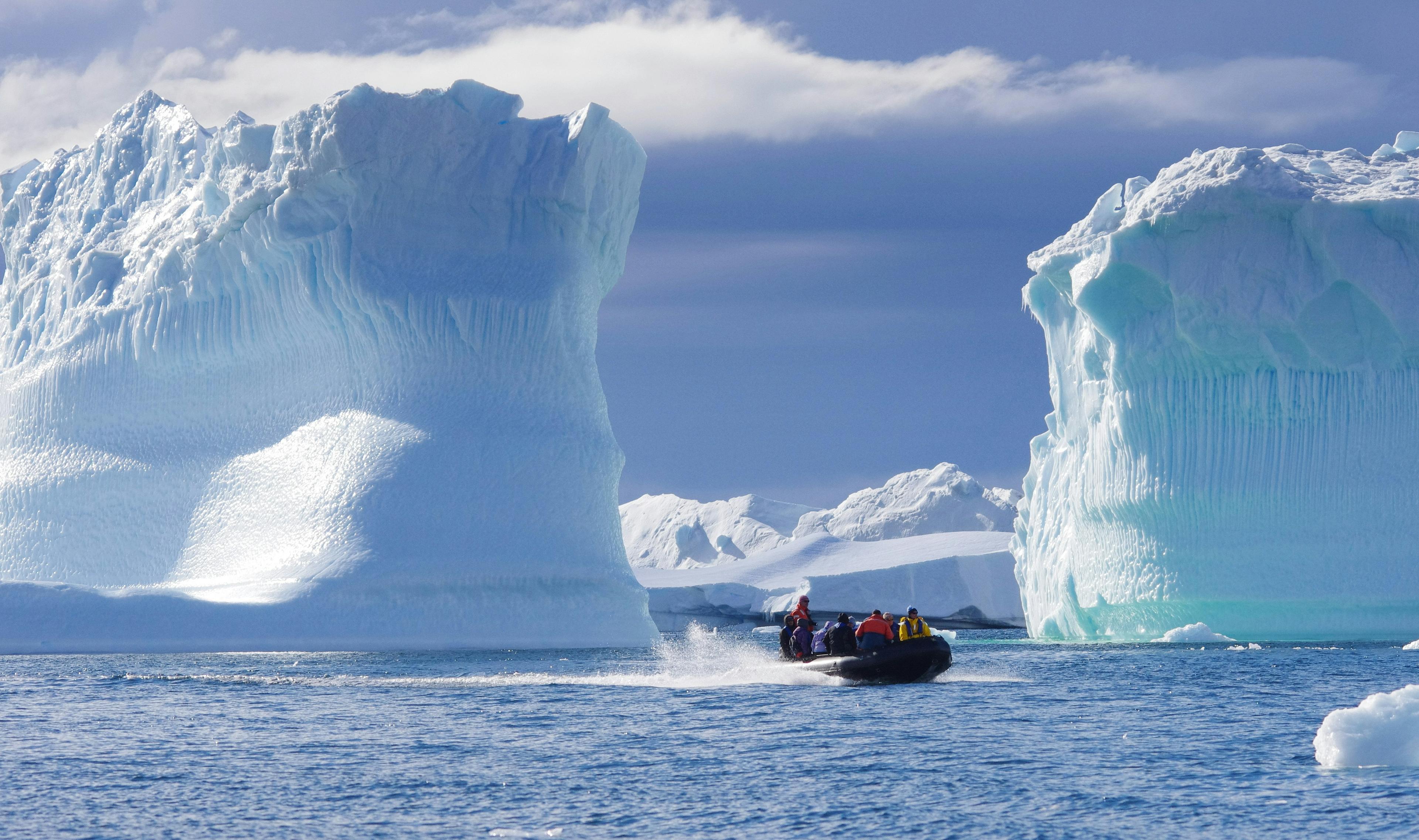
You’ll be surrounded by crackling glaciers, icy blue waters, and snowy hilltops rising up out of the sea. It’s harsh and beautiful and utterly unique. There’s a reason why one of the most popular Antarctic pastimes is photography!
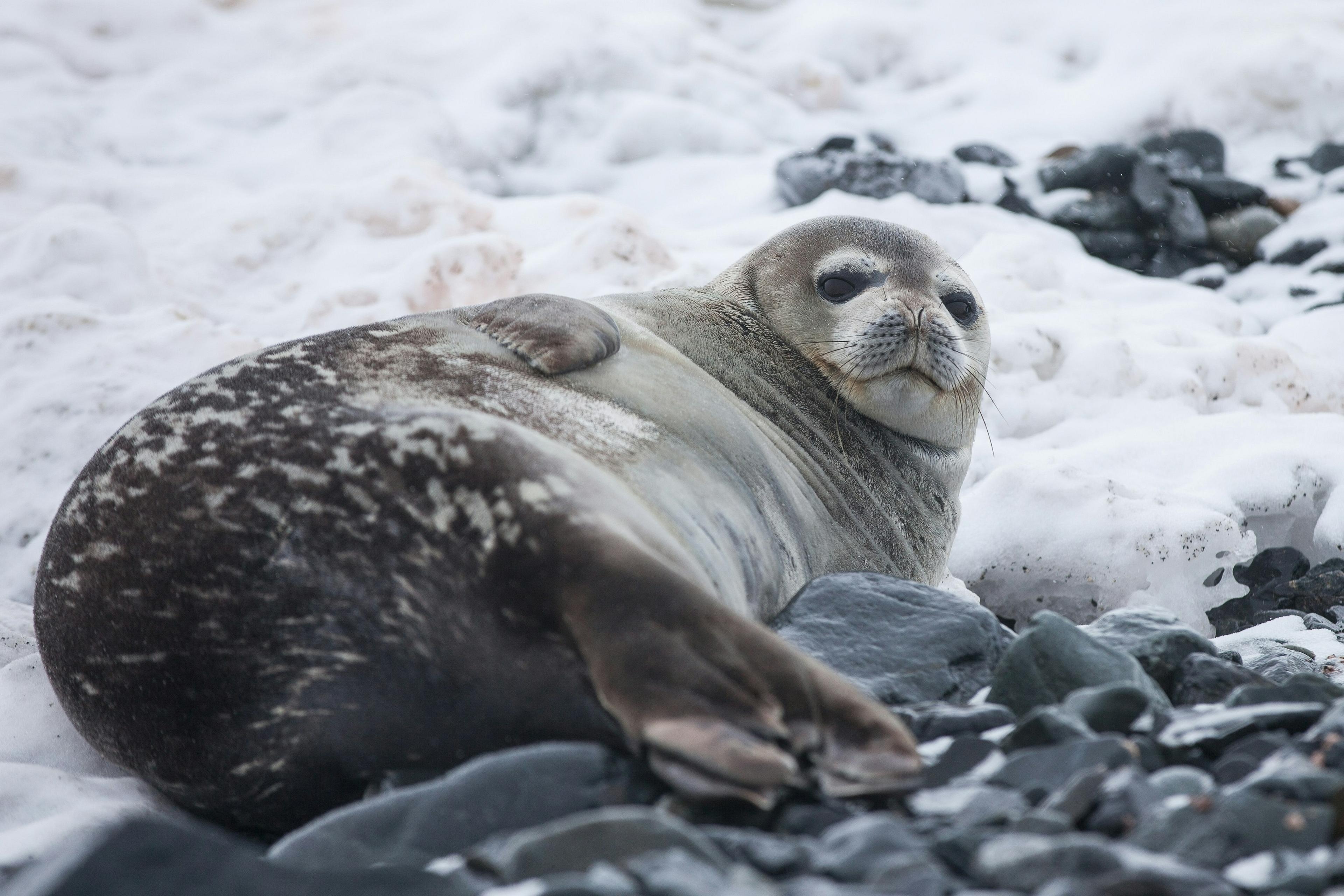
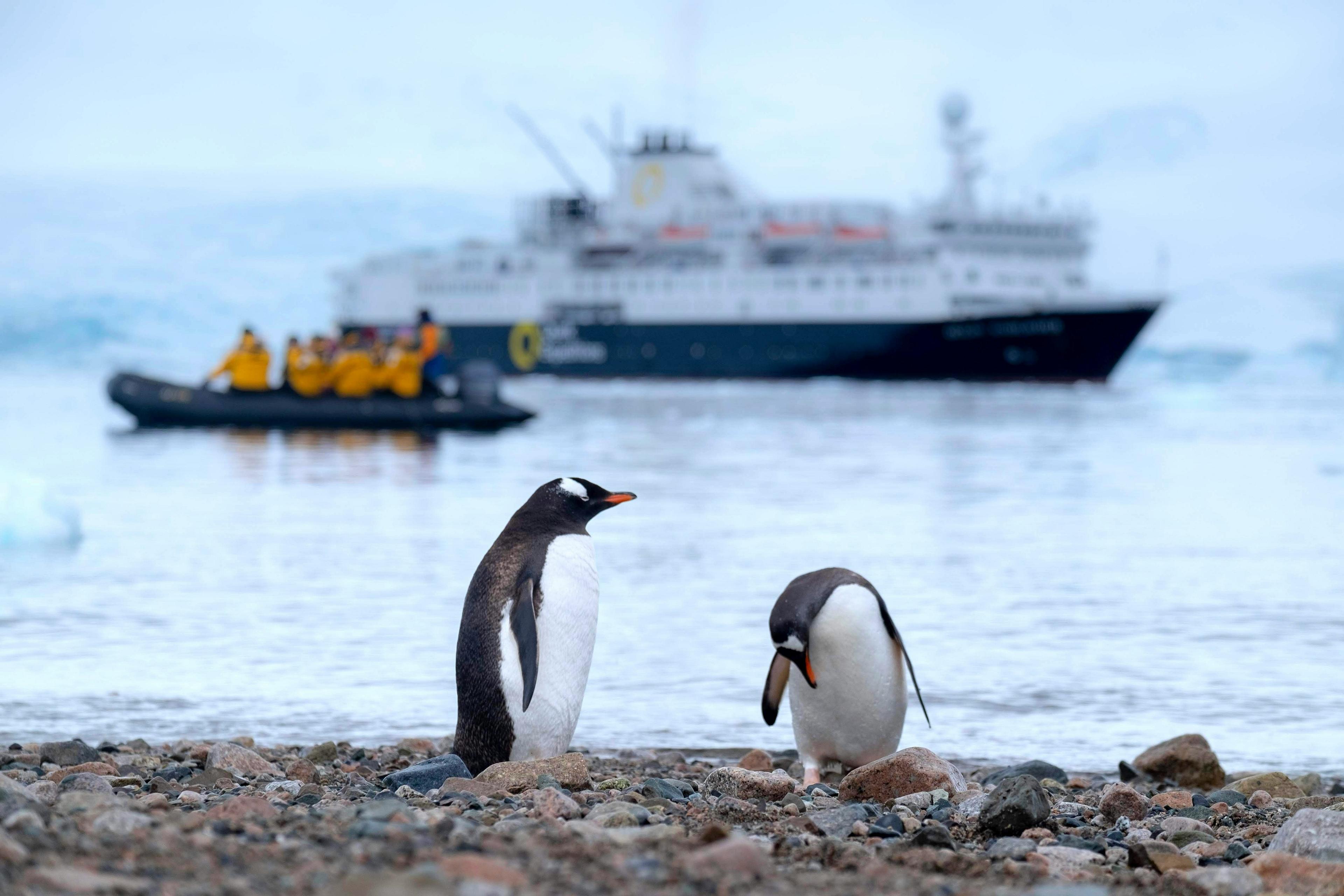
Due to the environmental regulations and lack of human influence (no resorts down here!), it’s also an incredible place to see wildlife. Antarctic animals are abundant and generally don’t fear people. The big stars are the penguins (mostly gentoos and chinstraps), plus whales (humpbacks, minkes, orcas) and seals (Weddells and leopards). And if you’re a birdwatching enthusiast with an affinity for seabirds, Antarctica is practically heaven.
What you see and do from day to day will heavily depend on which tour you choose — but don’t worry, I’ll dissect all that for you in the sections below. Generally speaking, your trip will begin in Argentina or Chile with visits to a few nearby islands, and then cross the Drake Passage to the Antarctic Peninsula.
You won’t be allowed to explore on your own due to the regulations, but there are still plenty of ways to interact with the landscape. Lots of expeditions will include guided hikes, kayaking, and swimming stops along the way to let you get up close.
How do you get to Antarctica?
Unless you’ve managed to hitch a ride with the researchers, there’s really only one way to reach Antarctica, and that’s by cruise ship.
You have two options when it comes to cruises:
Option #1: Book an Antarctic holiday with a global company like Princess or Viking. These trips are very similar to non-polar cruises, and you’ll be aboard a large ship with tons of amenities and an emphasis on passenger comfort.
Pro: If you’re older, lack mobility, are traveling with small children, or just want to make your trip as comfortable as possible, this might be the best option for you. You’ll be sheltered from the elements as you watch icebergs roll past your window.
Con: These ships don’t make landings, so while you’ll get to admire glimmering Antarctic views, you won’t get to set foot on the actual continent or interact with the land at all.
Option #2: Book an expedition cruise with a smaller company, aboard a smaller vessel, with a smaller group of travelers (usually around 100-200).
Pro: Weather permitting, you’ll get to experience the polar desert up close, mingling with penguins and hiking over snowy drifts.
Con: These trips involve more planning, cost more money, and can also get tarnished very easily by the weather (more about that later).
Taking a larger ship is fairly straightforward (you can book them like any other cruise), and they don’t have quite the same “high risk vs. high reward” nature as the expedition cruises, so I’ll be focusing primarily on the latter for this guide.
How to choose an expedition cruise to Antarctica
If you’ve chosen to go with the more adventurous option and book an expedition cruise, the decision-making gauntlet has only just begun!
When sorting through the myriad of expedition cruise offerings, pay close attention to the itinerary. These cruises don’t just sail you on down to Antarctica; they make stops all around the area! Popular landings include South Georgia, the Falklands, and the South Shetland Islands — all penguin-covered and starkly stunning in their own right.
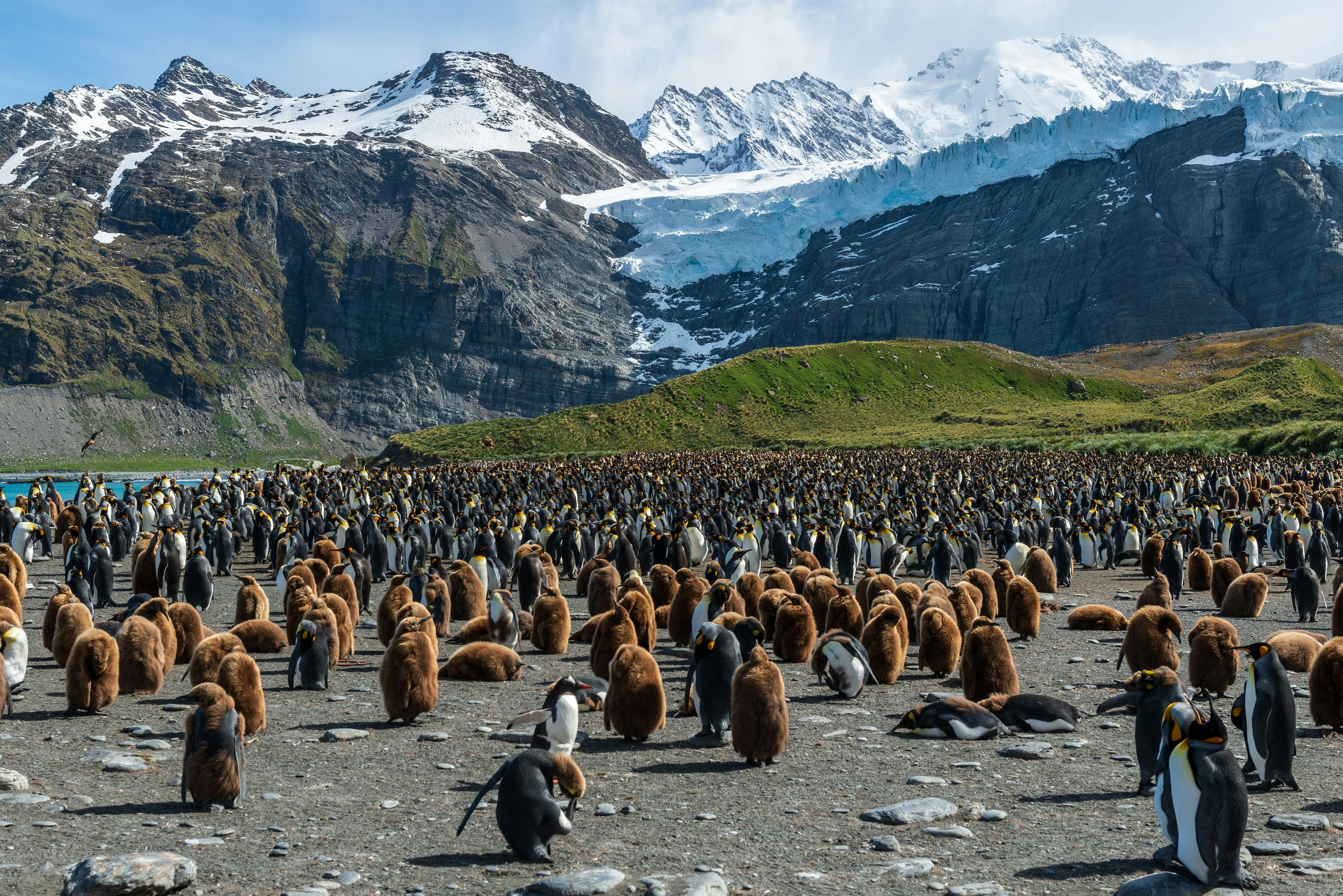
Once you reach the continent, you’ll be bouncing around the Antarctic Peninsula. This is the only section of mainland Antarctica onto which passengers can actually set foot.
Keep in mind, due to that pesky weather, your itinerary is a guideline and not a guarantee. This is where that “go with the flow” mindset becomes key — the itinerary you carefully selected could be thrown out the second you leave port if the captain hears of rough weather down south. So choose wisely, but don’t marry yourself to anything too specific.
Pro-Tip: One experienced expeditioner suggested that the most reputable cruises are actually more vague about their itinerary, rather than offering exact promises that can’t always be delivered.
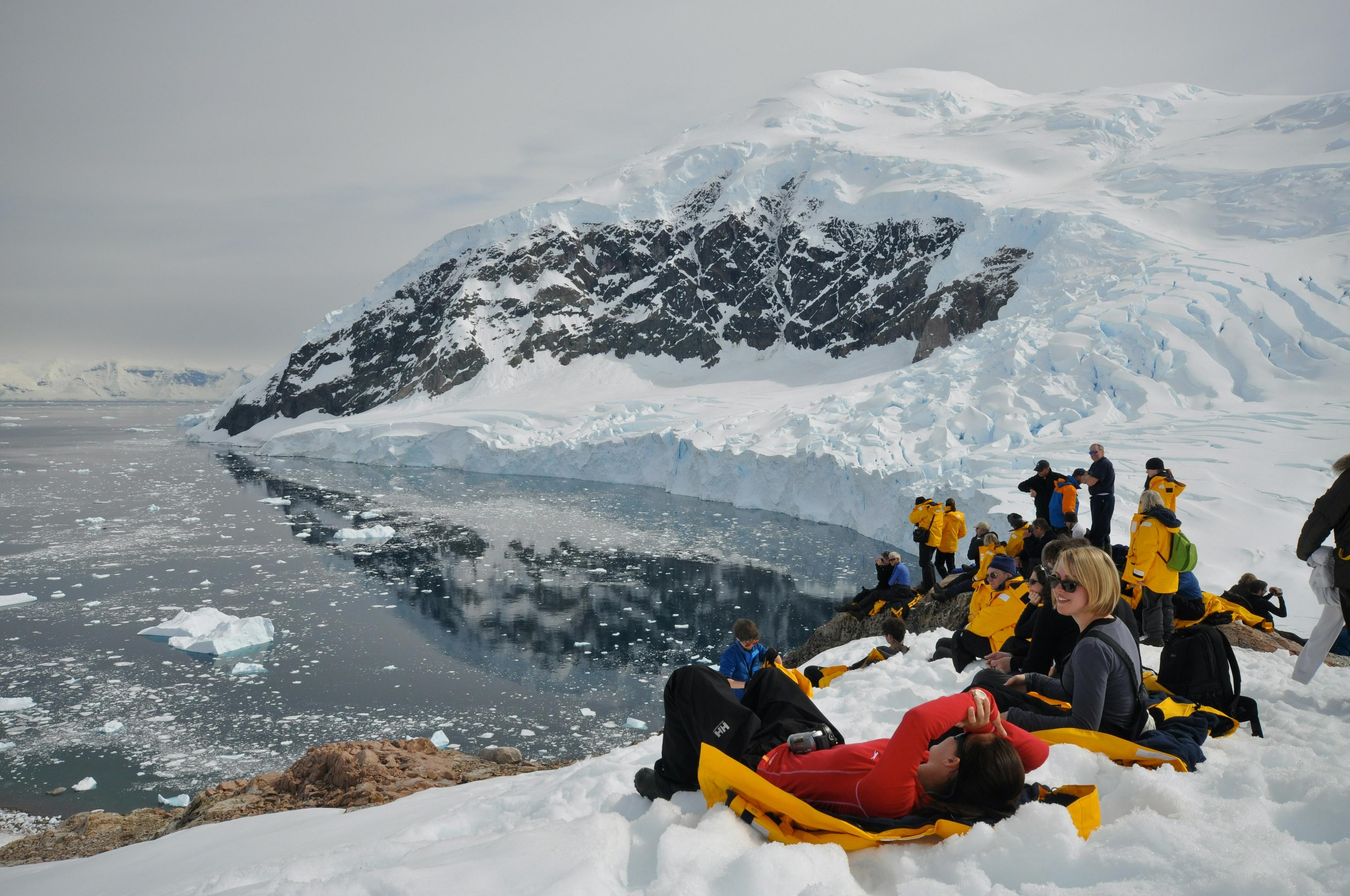
Also look closely at the activities offered on each trip. During landings, different cruises will provide different ways to soak up your stunning surroundings. Common options include hiking (for getting up close), kayaking (for calm, wildlife-filled views), zodiac trips (for speeding around an entire area), and polar plunges (for freezing your toes off).
Once you’ve got a good grasp of what you want to see in a schedule, you are free to comb through reviews and cabin photos until you find that special ship.
When to visit Antarctica
Since it’s at the bottom of the world and follows the Southern Hemisphere’s topsy-turvy seasons, summer in Antarctica is from December to February. This is peak season down here, and easily the best time to visit.
Most cruise companies offer trips in November or March at a lower cost than during peak summer. It might be tempting to save some cash by booking a shoulder season trip, but keep in mind that polar weather becomes even less predictable during these months. You might save a few bucks upfront, but you’ll also be increasing your risk of hitting a trip-ruining storm. The consensus among experienced visitors is that you’re better off splurging for peak summer, i.e. December–February.
Where do Antarctic cruises start?
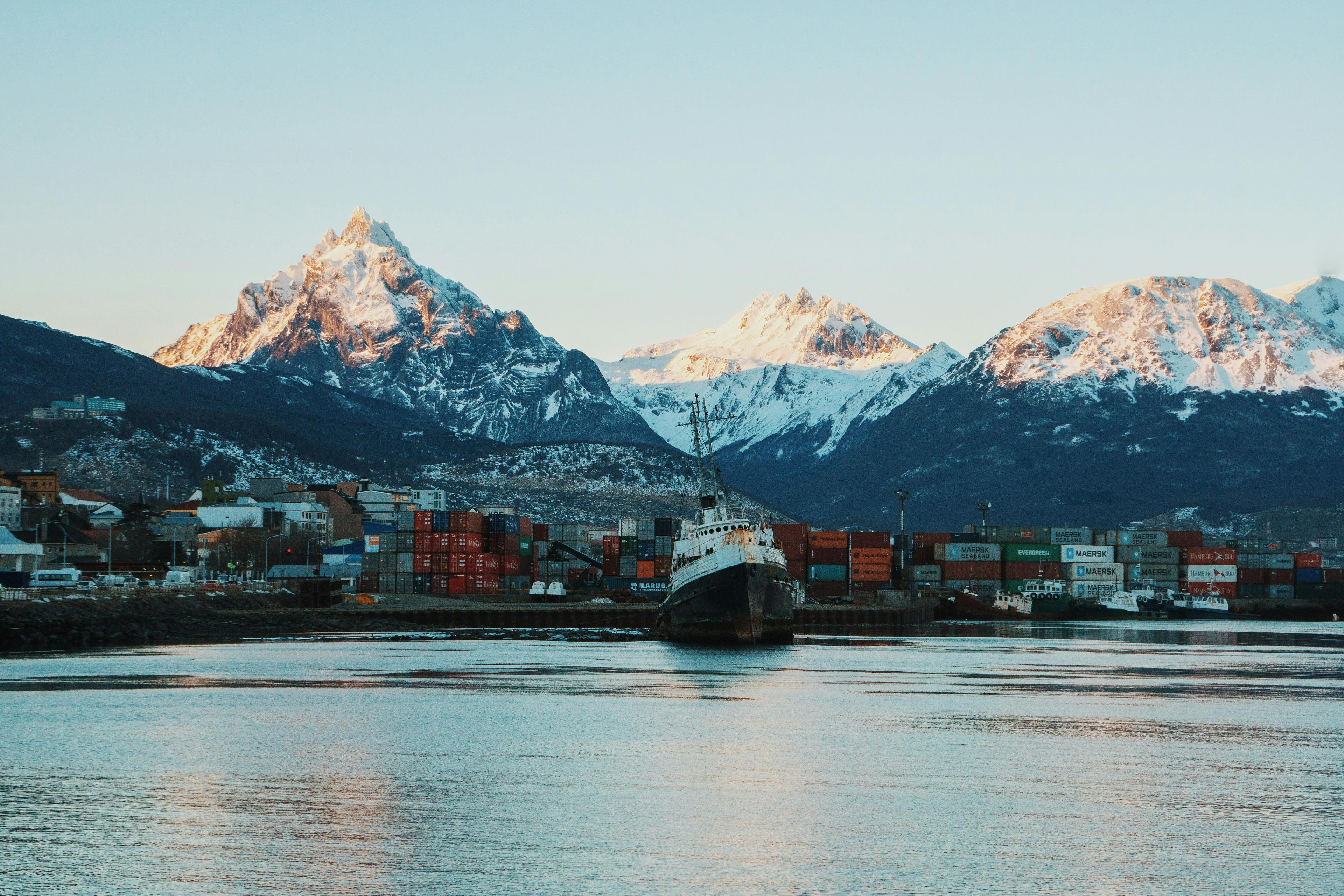
Most ships leave from Ushuaia, Argentina. You’ll see Punta Arenas, Chile pop up as an option sometimes too, and occasionally ships will leave from as far north as Buenos Aires.
It’s also not unheard of for cruises to request you arrive at a bigger city like Buenos Aires or Santiago, Chile, and then include a flight down to the ship’s port as part of your package.
While there are regular commercial flights into all of these cities, always remember that airfare prices can significantly add to your budget. For example, a flight into Ushuaia is almost invariably going to be pricier than a flight into Buenos Aires. More about that in the next section.
How much does it cost to go to Antarctica?
The big question! The answer is that it varies — a lot. I’m going to be primarily using USD for these prices, so here’s a currency converter if you need it.
After asking around and scraping through tons of cruise line offerings, I’ve spotted cruises that cost anywhere from $3,500 to $40,000.
With such a big range, what affects your total?
For starters, the larger, non-expedition cruises definitely fill up the lower end of the price spectrum. If you just want to gaze upon Antarctica as affordably as possible, the interior rooms aboard a Princess cruise are usually about $3,500 per person. More expensive cruise liner options are reliably available for under $8,000.
For expedition cruises, the bottom line is more like $10,000 for the cheapest options and $40,000 for luxury experiences, with about $12,000-$22,000 as the most common range. Where your total falls within that spectrum will depend on a few factors:
- Seasonality ( December and January are the most expensive months)
- Length of cruise (usually somewhere from 10–15 days)
- Itinerary (expect to pay more for elaborate landings or more convenient pick-up points, e.g. Buenos Aires)
- Activities offered at landings (sometimes included, sometimes available as add-ons)
- The usual cruise upgrades (nicer rooms, amenities, etc.)
Other Expenses
Unfortunately, those big numbers are only going to get bigger. Here are a few other costs to keep in mind as you budget for your trip.
- Flights: Your cruise will very likely begin in Ushuaia (USH), which isn’t exactly the cheapest place to fly into. As of right now, eight months before peak cruise season, those flights are about $1,600 round trip from New York City or Los Angeles, and about £1,800 RT from London. Punta Arenas (PUQ) is a tad cheaper at about $1,300 RT and £1,100 RT, respectively.
- Gear: Unless you have polar-level sportswear hanging in your closet already, you’ll need to do some shopping. It’s hard to estimate a price range here because your total will heavily depend on what you need for your landings, what your cruise provides, and where you shop. Check out the packing section below.
- Activities: If they’re not specifically included in your package, you’ll also have to pay à la carte for activities like kayaking and mountaineering, or you’ll be staying behind. Keep this in mind when perusing those cheaper, basic packages.
What to pack for Antarctica
To get a better grip on the costs and planning required for a trip like this, let’s talk about gear. What you wear in Antarctica will depend on your planned activities, and what the cruise company offers. It’s common for cruises to include rubber boots and matching parkas to use as your outer layer, so there’s a good chance you can avoid stuffing those in your luggage.
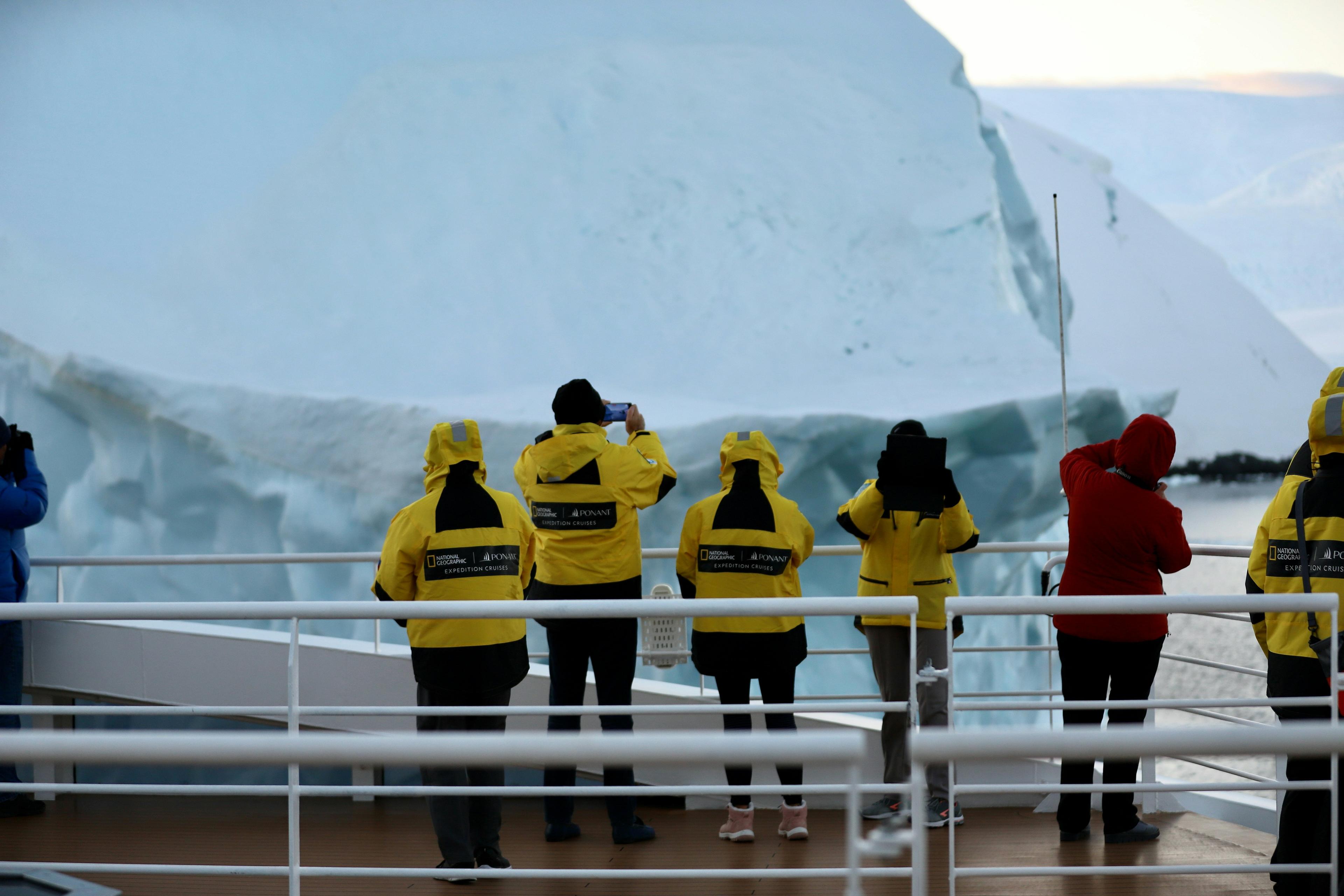
Otherwise, plan out your layers like you would for any other freezing climate. Start with a base layer, then insulation, then your outer shell. One visiting couple I found in my research was from New England, and joked that they went to Antarctica wearing pretty much the same get-up they’d use at home in the winter.
Pro-Tip: Despite being freezing cold, Antarctica is also a desert. That means you should prepare for harsh sunlight and dry conditions in addition to the low temps, so don’t forget those moisturizers and sunscreens.
Aside from your main layers, other items to pack include:
- A warm hat
- Waterproof pants/trousers
- Ski gloves
- Thick socks
- Good, sturdy sunglasses
- High SPF sunscreen
- Lip balm
- Swimwear, if you’re planning a polar plunge
- Binoculars
- Walking poles
- Motion sickness medication (the Drake Passage has a bit of a reputation)
For a more comprehensive guide to packing for Antarctica, try this article from National Geographic.
So… is going to Antarctica worth it?
This is the question that sparked my interest in writing this guide! Despite the beauty of the continent, that hefty price tag certainly made me skeptical about the cost-value ratio of such a trip.
Because when it comes to expensive destinations, few places even come close to these numbers. For the price of a $15,000 expedition cruise, one that comes with zero guarantees on itinerary and doesn’t include a flight, you could go just about anywhere else and have a pretty comfy vacation.
If you’re simply chasing after icebergs and polar views, it’s much cheaper and easier to head north and visit somewhere like Greenland or Svalbard. A quick search for similar expedition cruises in the Arctic showed me 10–14 day trips with flights included for around $10,000 total. At times, it’s hard not to wonder if Antarctica is more trendy simply because it seems more “exotic.” It’s fun to say you’ve set foot on all seven continents, but those are expensive bragging rights.
However, here’s the thing: After surveying the Jack’s Flight Club community and scouring the internet, I’ve heard dozens and dozens of accounts from people who took the leap and shelled out for Antarctica. Everyone has answered this question with “YES!!!! IT’S SO WORTH IT!!!!” The only bad review was from a couple whose trip got ruined by the weather, but after a second trip that went perfectly, even their praise was added to the chorus.
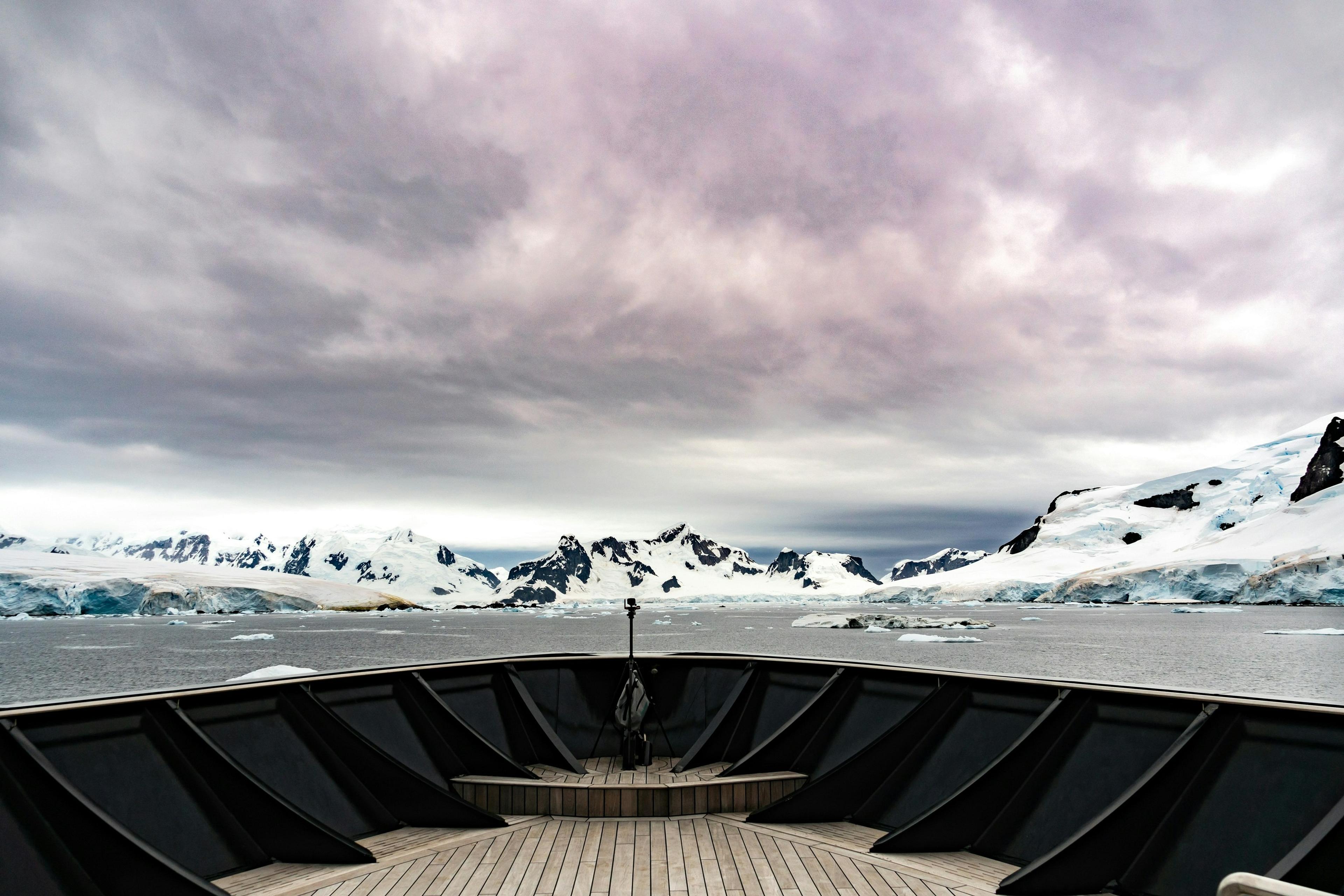
In my years of working in the travel industry, I don’t think I’ve ever seen a destination get such overwhelmingly positive reviews. While it might charge them through the nose and make no guarantees, Antarctica doesn’t seem to leave many customers unsatisfied.
So at the end of the day, I think it comes down to you, your travel style, and what you want out of your vacation. The ideal Antarctica expeditioner lives an active lifestyle, with a high tolerance for discomfort and a breezy attitude towards last-minute cancellations. They’re willing to shell out for unique experiences and love to check items off their ever-growing bucket list. They’ll arrive back at home thinking about the incredible views on their camera roll and not the money they spent to see them.
If that’s not you, then an Antarctic expedition might not be your kind of trip. But if it is you, then you might want to start saving — the penguins are waiting!
Have you ever been to Antarctica? Have you taken a similarly pricey, risky trip to another hard-to-reach corner of the world? Any other complicated adventures you’d like to see broken down this way? Lemme hear it all in the comments!