Best Rock Climbing Destinations in the United States

Mattie Engleby
Over the last two years, I’ve had the pleasure of taking up outdoor rock climbing as my newest hobby, completely of my own motivation and accord (not at all related to it being my boyfriend’s biggest passion). The sport has challenged me mentally and physically, while taking me to parts of the country I never would’ve visited if it weren’t for the abundance of well-researched crags.
Though I’ll never love rock climbing as much as some fanatics out there, one thing I genuinely appreciate is the new way you see the world when you climb. National parks and conservation areas are so much deeper, denser, and more abundant than I ever knew. As a hiker, I stay on the path prescribed to me, viewing the world from the ground. As a climber, I trek farther back in canyons and higher up mountainsides, scrambling over boulders to walls I’d never known existed. Rock climbing trips have become one of my favorite kinds of trips – even on days I don’t feel like climbing or get too scared on a route and have to come down, I’ve still seen the world through an entirely different lens.
The US has some world-class rock climbing, and I’m fortunate enough to have scrambled around several incredible areas, while others are still on the bucket list. Through a mix of personal experience, consulting with experts (by experts I mean my rock climbing friends), and some light guidebook research, I’ve compiled a list of top rock climbing* spots in the US.
*This list is limited to ropes-climbing only – sorry, boulderers!
Red Rock Canyon
Red Rock Canyon is where I first began my outdoor climbing journey almost two years ago. It’s the home base of famous rock climber and star of Free Solo, Alex Honnold, so you know it’s good climbing. Ah, that trip had so many firsts: my first time crying on a wall, my first time swinging out on the rope and screaming, my first time having to come down halfway up a route because I was starting to have an anxiety attack…good times!
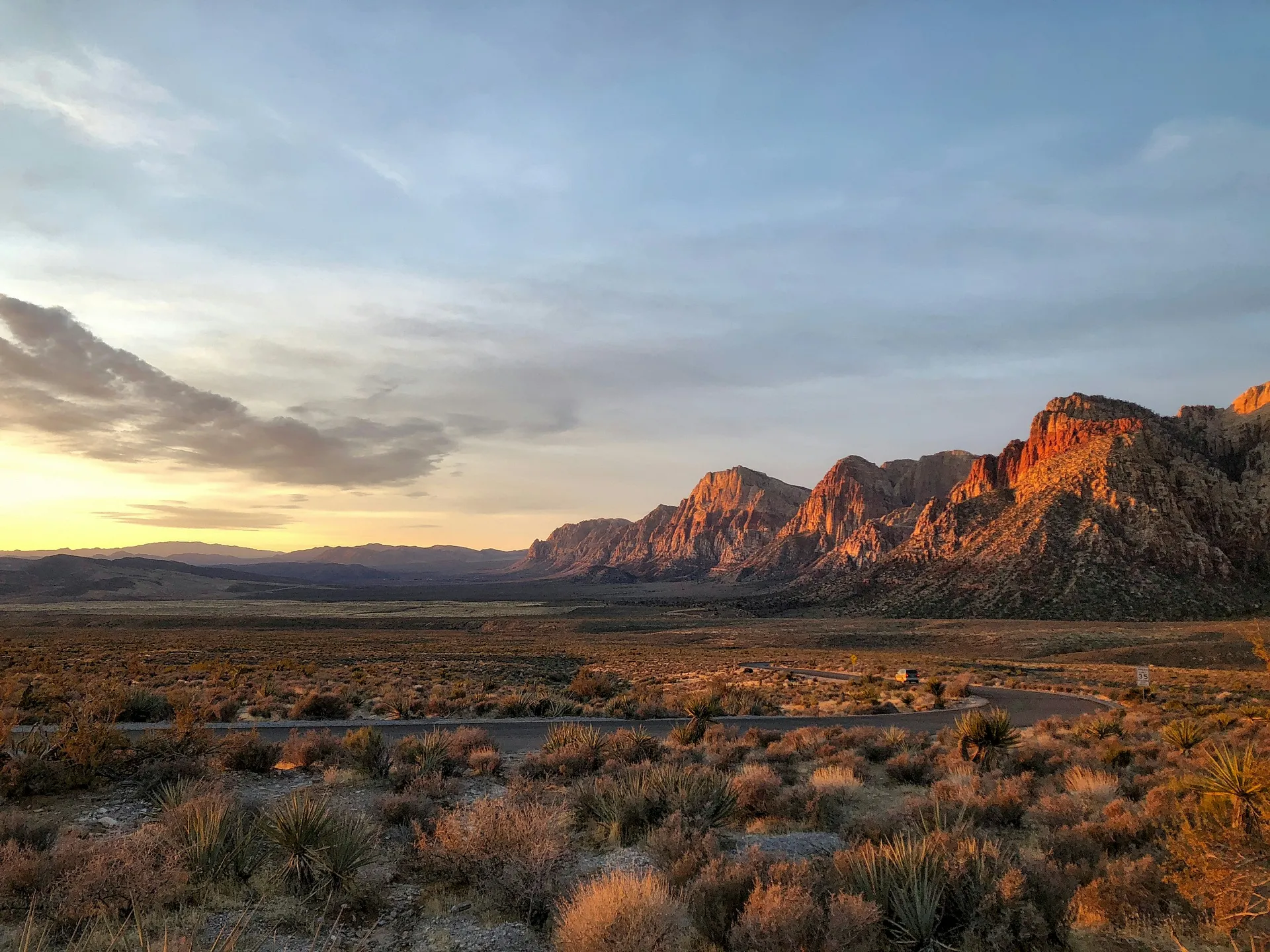
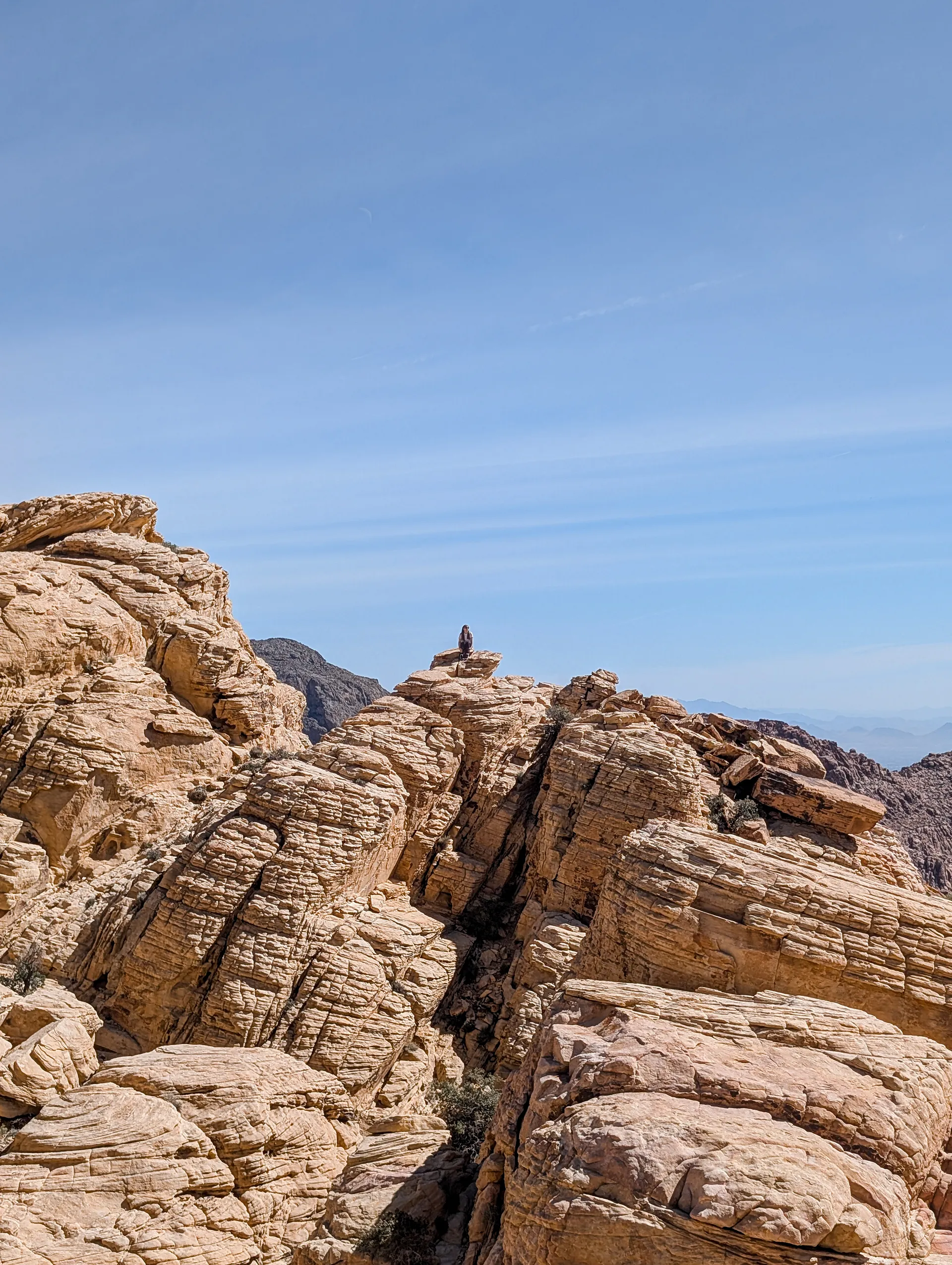
The area has a huge variety of routes, from chill single pitches to long multi-pitches. Red Rocks is famous for its Aztec sandstone, which creates those gorgeous red-and-cream striped cliffs. Sandstone is my personal favorite rock to climb because it's so grippy, making it easier to plant your feet against the wall, and the pockets and edges often provide plenty of holds to work with.
The best time to visit is fall through spring, when the temperatures are mild. I’ve personally visited twice in March and it’s been beautiful both times: 80s and sunny during the day, nice and cool at night (pro tip: book an Airbnb with a hot tub for those sore muscles in the chilly evening desert).
Another point in Red Rocks' favor is convenience. It's just around 30 minutes from the Las Vegas Strip and relatively close to the airport, making it an easy destination to get to. And when you need a rest day (or fancy a change of scenery), there's plenty to do in Vegas. Though, personally, one night on the Strip was enough for me!

The Gunks, New York
The Gunks (government name: Shawagunk Ridge) are a classic East Coast climbing destination, and somewhere I climbed numerous times when I lived in NYC. We'd regularly make day trips, and it's easy to see why the area is so popular.
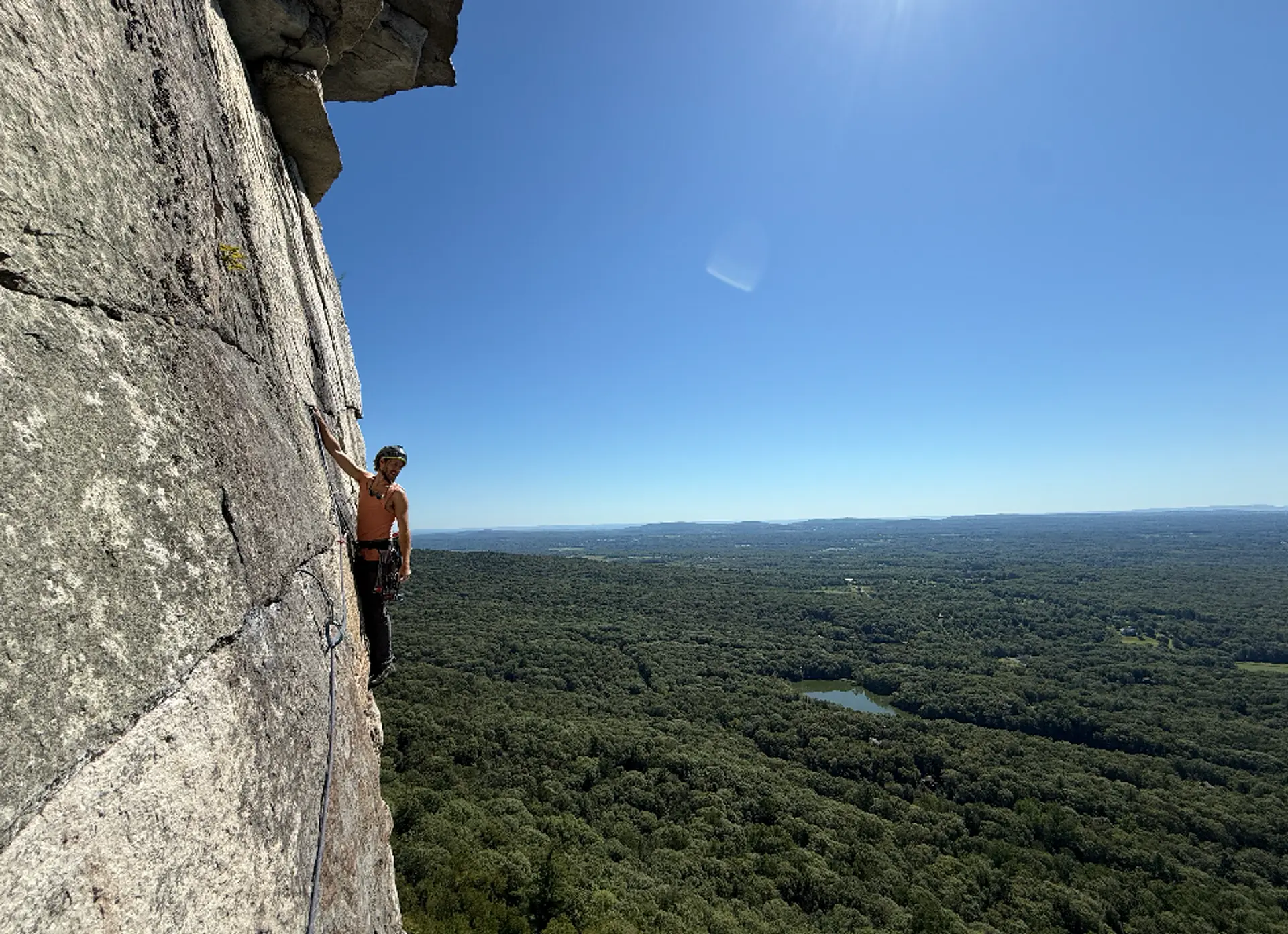
The Gunks are known for traditional climbing, with distinctive horizontal cracks, overhangs, and plenty of exposed routes. One thing to know before you go: the grades here are famously sandbagged (the climber term for “Wow, I can climb a 5.8 with no problem in the gym, but this outdoor 5.8 is absolutely kicking my bootie”). I'd recommend starting a few grades below what you're used to climbing indoors and don’t be discouraged when you cry on a 5.5 after conquering a 5.10b the week before in the gym (definitely not speaking from personal experience…)
The rock at the Gunks is a type of quartz conglomerate, so it's very pebbly and lumpy, almost like climbing on a wall covered in tiny stones. I'll admit, it’s not my favorite as a beginner, but more experienced climbers seem to love its little edges and tiny holds.
The best time to visit is spring or fall, when temperatures are generally comfortable for climbing. Summer can get hot and humid (and buggy – the mosquitoes are no joke), while winter weather can limit your options. It’s roughly a two-hour drive from NYC, making the Gunks a great option for a day trip or weekend away.
When you're done climbing, head into nearby New Paltz for food and drinks, or explore the surrounding Hudson Valley. It's a nice change of pace from the city, especially when the weather's good.
Puerto Rico
Puerto Rico offers a pretty different climbing experience from the rest of this list. There are climbing spots all over the island, and I visited Caliches and Monagas. Between the tropical surroundings and the humidity, it was definitely a change of pace from climbing on the mainland. Bring plenty of chalk because you'll be sweating a lot, and the rock itself gets pretty damp due to humidity.
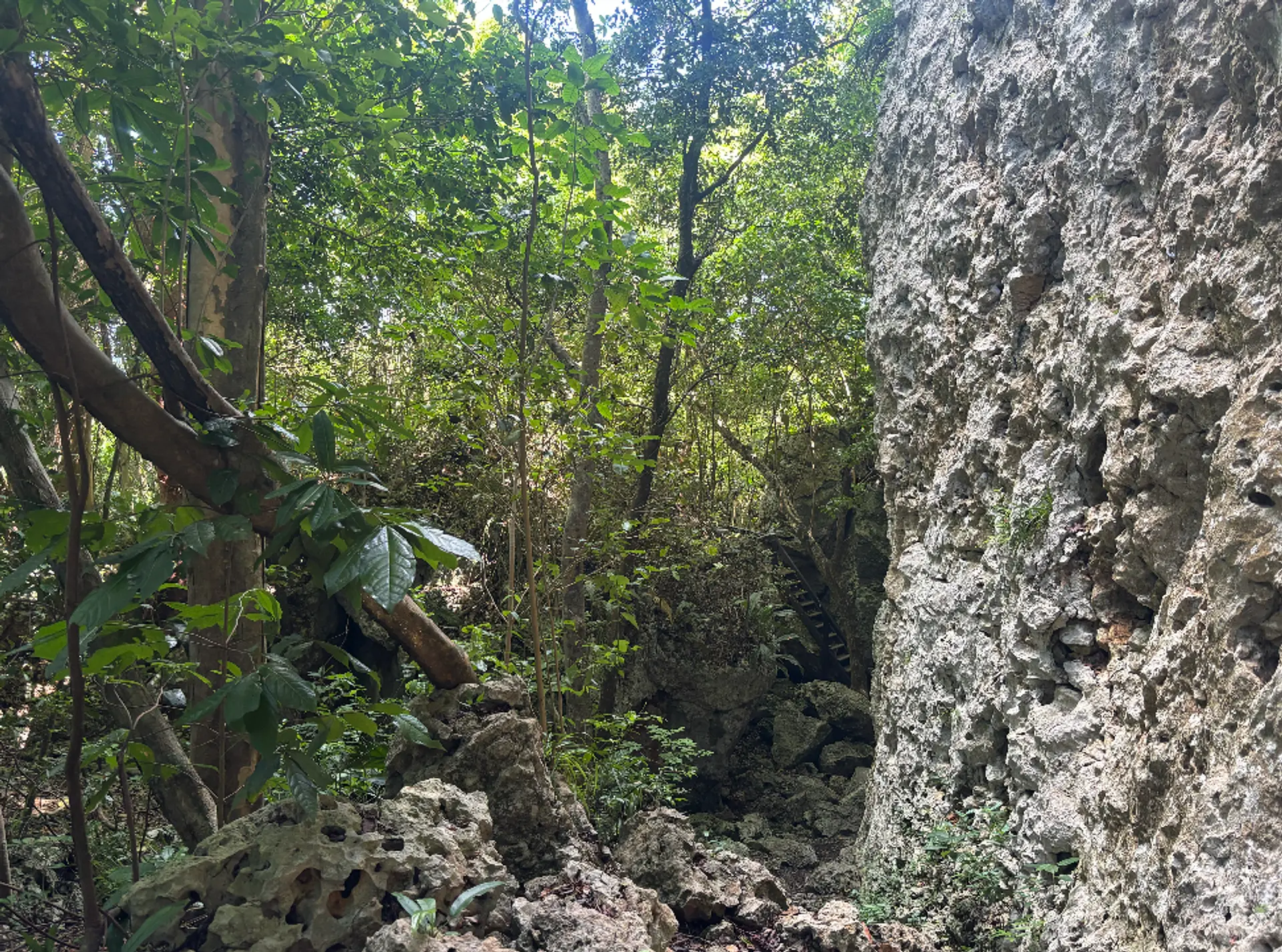
We climbed on limestone, which has some interesting features. The bottom sections of our routes were relatively smooth with big holds, while the rock higher up became much sharper. The settings at the two crags were quite different, too. At Caliches, you hike up to a more exposed climbing area, while Monagas is tucked deeper into the forest, surrounded by lush tropical vegetation.
It’s best to visit in the winter when temperatures are more mild and the island is a bit drier. That said, we visited in October, towards the end of the rainy season, and had no issues other than extreme humidity – that’s to be expected year-round, though!
Overall, it was a cool experience, although I wouldn't rank the climbing itself as highly as some of the other destinations on this list. Still, if you're visiting Puerto Rico, it's a fun way to mix up your trip and experience a different side of the island beyond its beaches and rainforest hikes.
Now onto a few places I haven’t been, but are high up on the bucket list…
Yosemite, California
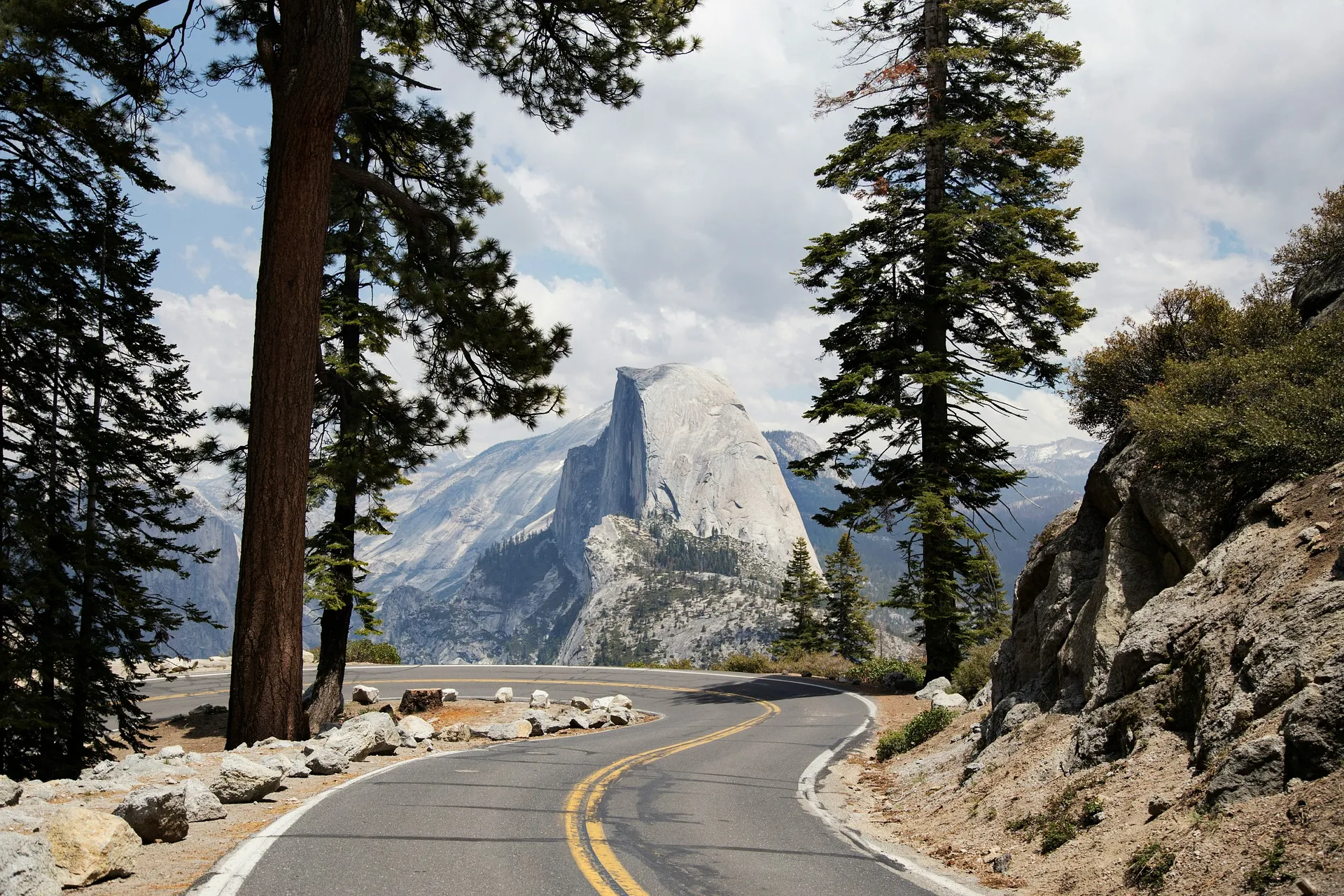
Yosemite is one of the most iconic climbing destinations in the world, famous for its enormous granite walls and some of the most well-known routes in climbing history. El Capitan and Half Dome are the big names here, but there's plenty of climbing beyond the park's most famous landmarks, from crack climbing to shorter routes and multi-pitch adventures.
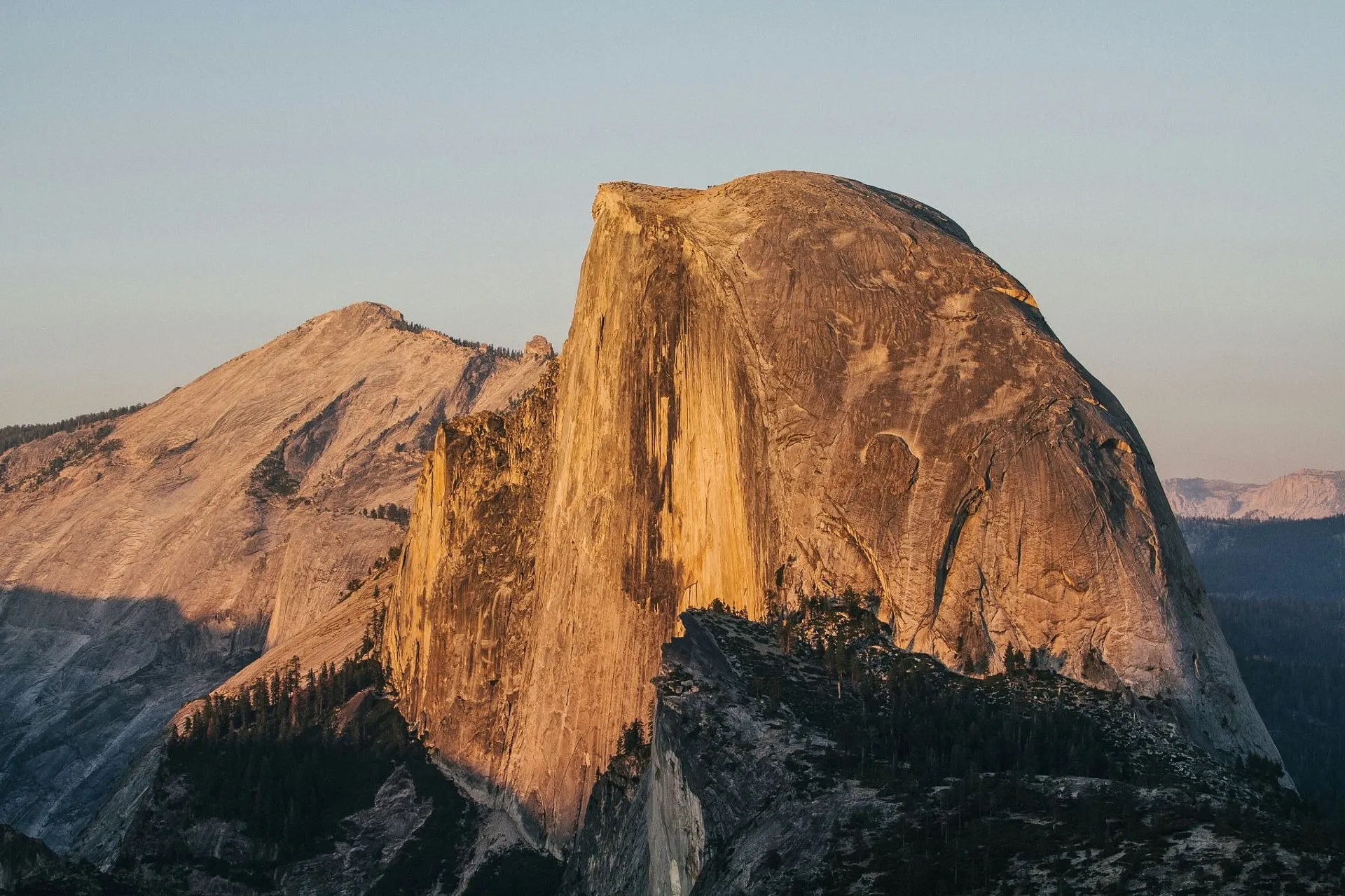
The granite is a big part of what makes Yosemite special. Depending on the area, you'll find cracks, small crystals, and smooth rock faces that require good footwork and technique. The climbing can be demanding, particularly on the bigger walls, so this is a destination where experience and preparation matter.
Even if you're not spending every day on the rock, Yosemite is worth visiting for the scenery alone. You can hike to waterfalls, explore the Valley, and take in views of the park's famous granite formations. It's also a great place to camp and spend a few days outdoors.
Red River Gorge, Kentucky
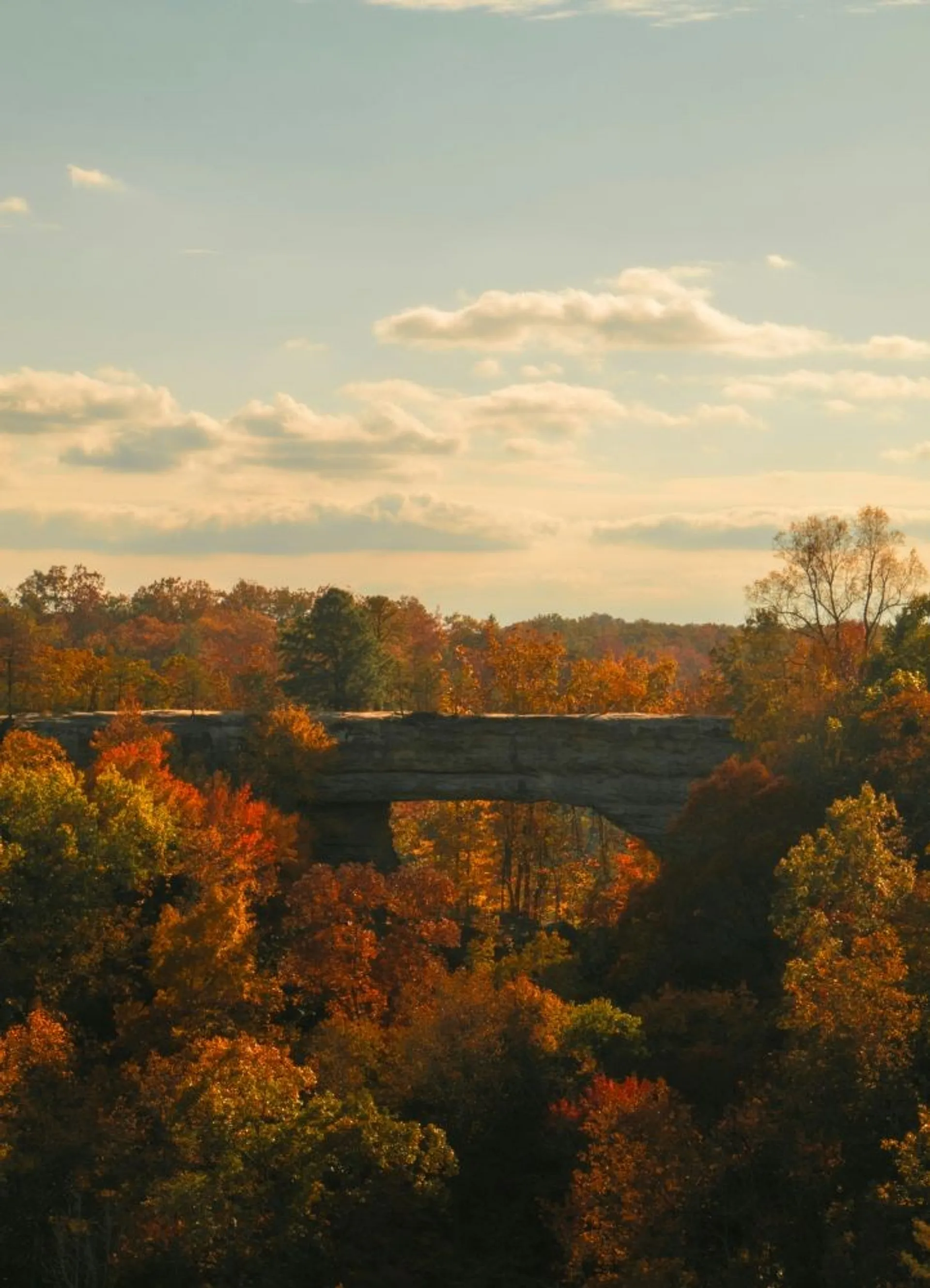
Red River Gorge, or the Red as climbers call it, is a major destination for sport climbing in eastern Kentucky. It's known for its sandstone cliffs, steep overhangs, and huge selection of routes. Whether you're looking to work on your endurance or tackle some seriously steep climbing, there's plenty to keep you busy.
The sandstone here is full of pockets, edges, and features, with many routes following steep walls and roofs. It's a particularly popular spot for sport climbers, and the amount of climbing in the area means you could easily spend several days exploring different crags.
One place worth knowing about is Miguel's Pizza, a well-known gathering spot for climbers visiting the Red. It's a restaurant, gear shop, and camping destination, and a great place to meet other climbers, grab a pizza after a long day, or get local advice about where to climb. Don't forget to grab a Miguel's shirt or sweatshirt while you're there. Wear it on your travels and see how many fellow climbers recognize it. Nothing says “I’m in the know” quite like a Miguel's sweatshirt.
If you're planning a climbing trip in the US, the Red is a great option because you can spend your days on the rock and your evenings hanging out with other climbers.
New River Gorge, West Virginia
New River Gorge (not to be confused with the aforementioned Red River Gorge. This one is New. That one is Red.), also known as “the New,” is one of the best-known climbing areas in the eastern US, with hundreds of routes along the sandstone cliffs above the New River. It's especially popular with experienced climbers, with plenty of technical face climbs, cracks, and challenging sport routes.
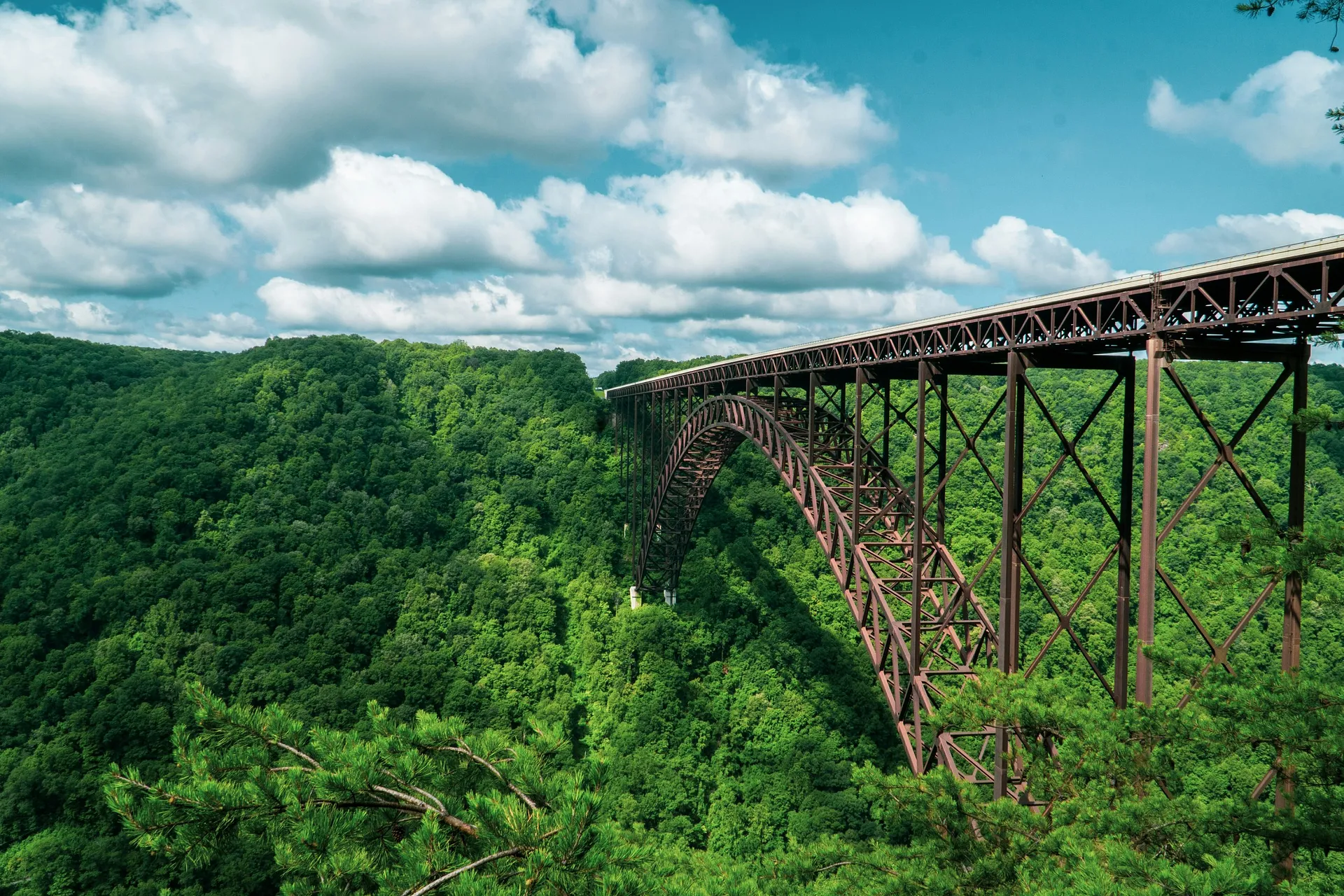
The sandstone here is hard and heavily featured, with edges and cracks that make for varied climbing. Many of the routes are on the harder side, so it's worth researching the area before visiting if you're newer to outdoor climbing.
There's plenty to do outside climbing, too. The national park is known for its hiking trails, scenic overlooks, and whitewater rafting, so it's easy to build a whole outdoor adventure around a climbing trip. The nearby town of Fayetteville is a convenient base, with places to eat and stay between climbing days.
Moab, Utah
Moab is a great option if you want to combine climbing with a bigger desert adventure. Located in southeastern Utah, it's surrounded by red sandstone formations, desert towers, and dramatic canyon landscapes. There's a wide range of climbing in the surrounding area, from traditional routes on sandstone towers to sport climbing and bouldering.
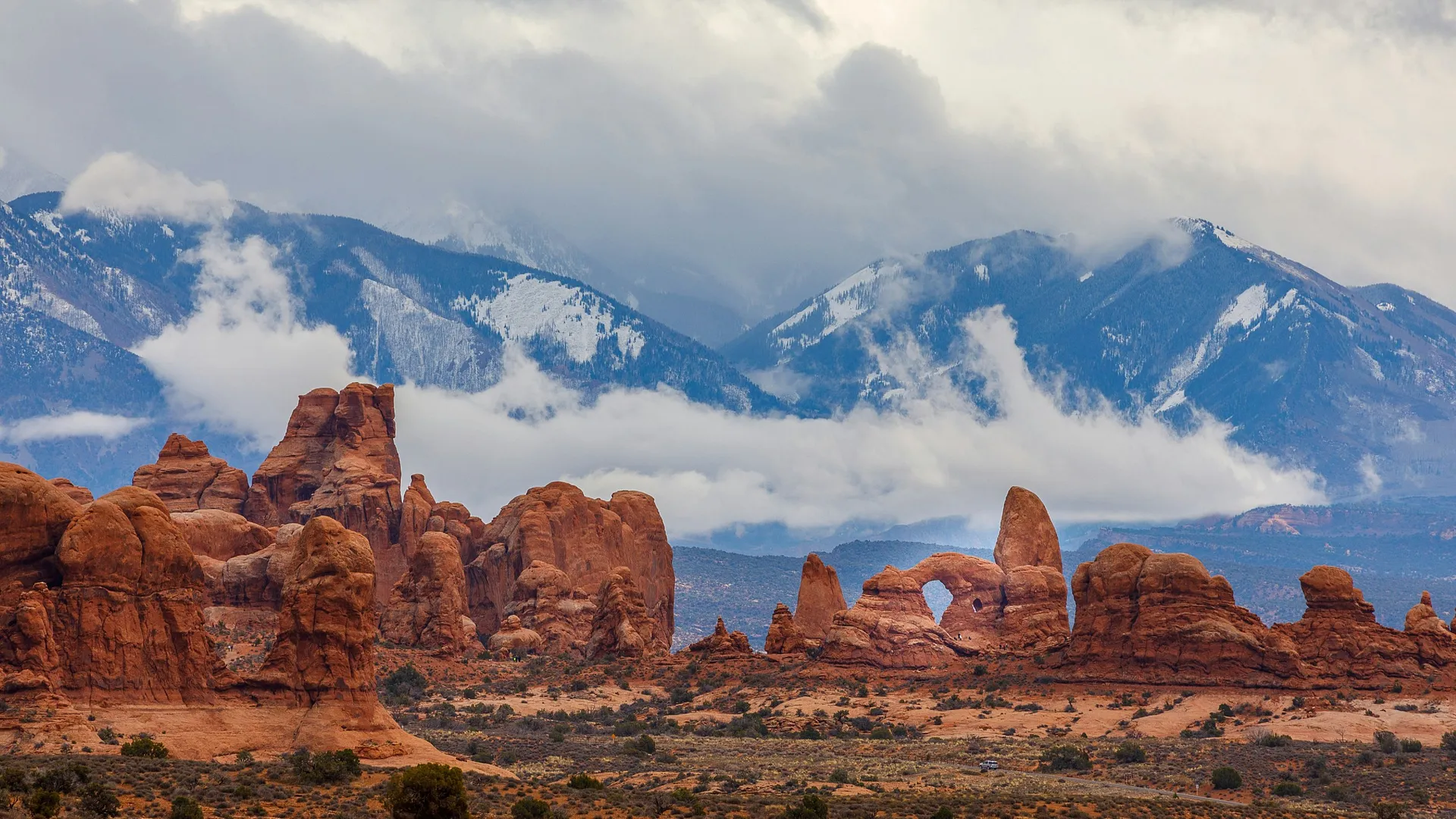
The rock and climbing styles vary depending on where you go. You'll find sandstone cracks, corners, and faces, as well as routes on distinctive desert towers. Some climbs require specialized trad skills and experience, so it's worth researching individual areas and routes before heading out.
One of Moab's biggest advantages is everything else you can do nearby. Spend a rest day exploring Arches National Park or Canyonlands National Park, go hiking or mountain biking, or simply enjoy the scenery around town. There are plenty of places to stay and eat, making Moab a convenient base for a multi-day trip.
Smith Rock State Park, Oregon
Smith Rock is a major climbing destination in central Oregon, known for its dramatic cliffs, volcanic rock formations, and huge selection of routes. It's often credited with helping put modern sport climbing on the map in the US and attracts climbers from around the world.
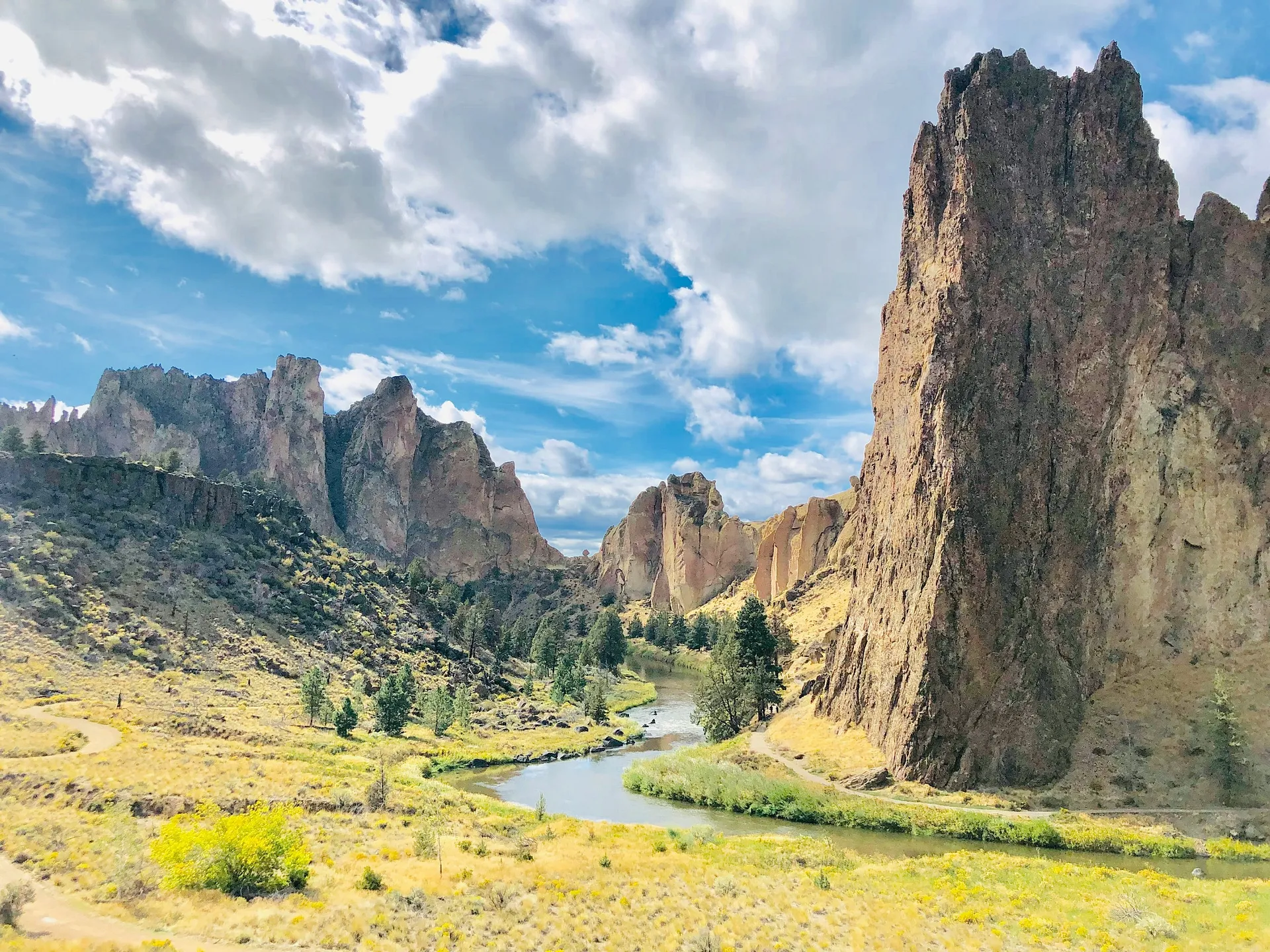
The rock here is primarily welded tuff, formed from compressed volcanic ash. Its unusual texture features small bumps (known as nubbins), pockets, and edges that make for technical climbing. Compared with somewhere like the Gunks, Smith Rock offers plenty of sport climbing and crack routes, but the climbing can feel harder, particularly at the lower grades. Some sport routes also have long distances between bolts, so research your routes beforehand and consider bringing a stick clip.
The nearby town of Bend is a convenient base for accommodation, restaurants, breweries, and other outdoor activities. You can also explore Smith Rock's hiking trails for views of the Crooked River and surrounding canyon.
Whether you're planning a whole climbing trip or squeezing in a day on the rock while you're away, there's no shortage of incredible places to climb across the US. If you're new to outdoor climbing or aren't sure where to start, ask your local climbing gym or a qualified guide for advice. They'll help you get out there without having to learn everything the hard way. And, most importantly, remember: safety first! The goal is to come home with great climbing stories, not a very expensive hospital bill.
Happy climbing!