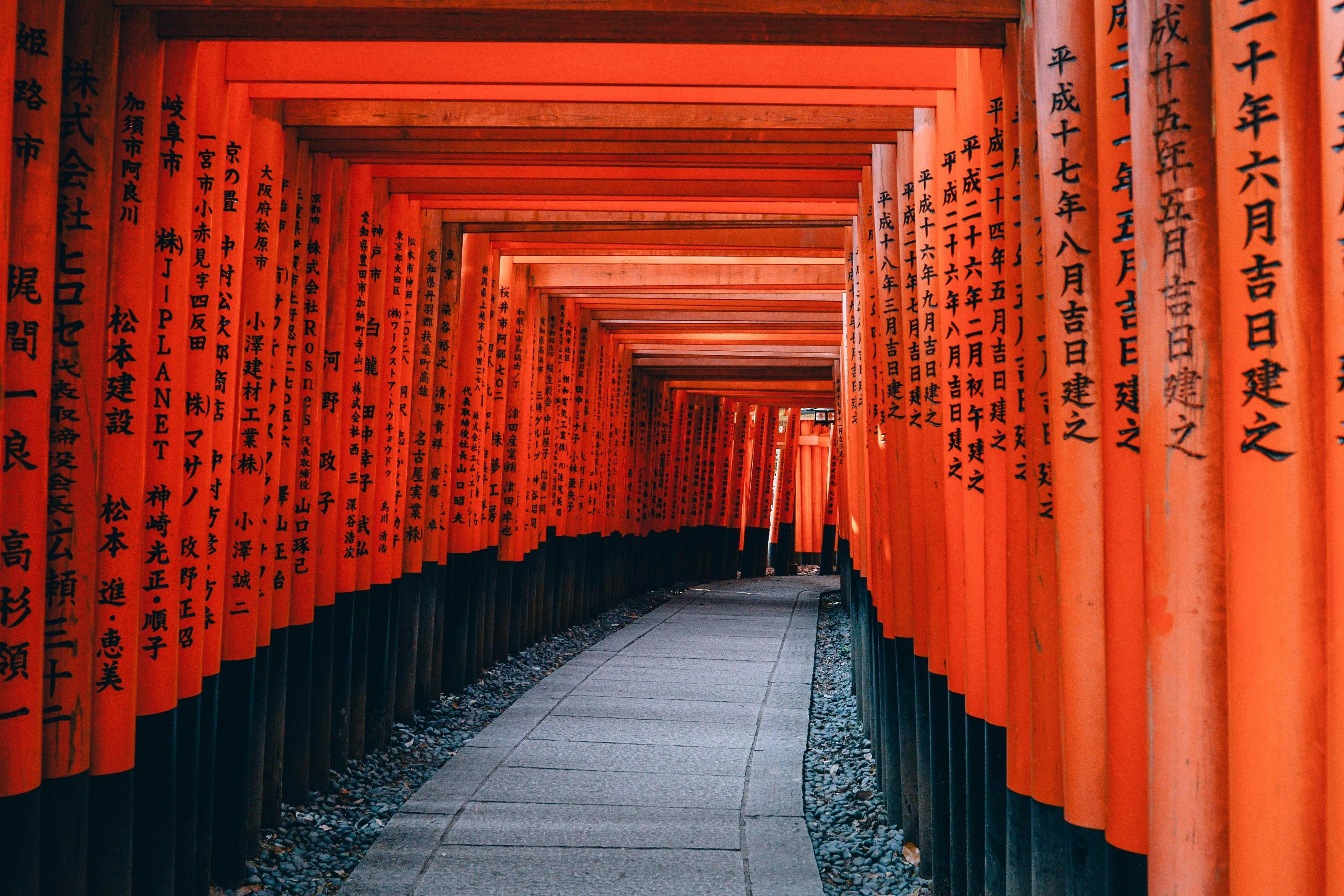
Silk Road to Sakura: A Choose-Your-Own Adventure

Akasha Loucks
Sometimes, we receive a question from the Jack's Community that sets our soul alight. The kind of question that excites us, ignites our wanderlust and transports us across continents.
This was one of those questions.
Navigator Kash fell so far down a pan-Asian rabbit hole that she's yet to fully emerge, so it's only right that we share all the goods she dug up along the way.
“I am looking into planning the itinerary for our big trip to Asia and it is a bit confusing where to start and what to do with visas (China). But we are planning to fly less and use rail and buses to enjoy the scenery.
Our departure airport is Manchester and we’re aiming to be gone from the last week of March to about June. We definitely want to include: Uzbekistan, China, South Korea, Japan, and maybe Vietnam. Rough budget around £2000.” - Nehla
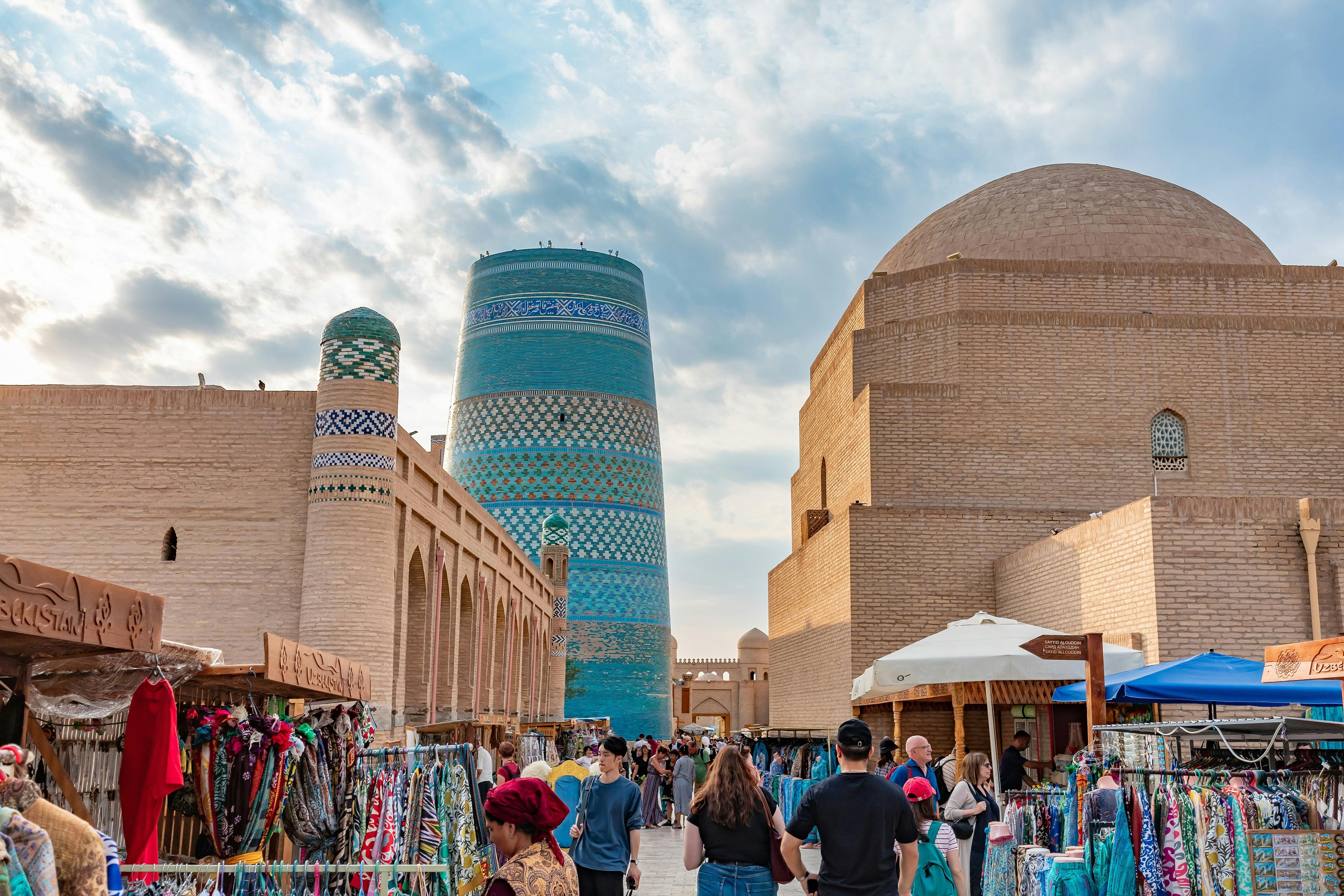
Hi there, Nehla! Wow, what an adventure! Consider me officially jealous. Slow travel is by far one of the best ways to connect with the land and the people (and yourself!) on a deeper level. It’s the anti-checklist trip.
I’ve done some research and dug up your best options for traveling overland, and flying when necessary.
Stage 1: Manchester to Uzbekistan
Currently, one-way fares from Manchester to Samarkand or Tashkent in March are pretty decent, in the £240s–£380s.
Uzbekistan is a firm bucket-lister at Jack’s, with Detour Editor Katy the first of us to chart a course through its mesmerizing blue mosques and mausoleums.
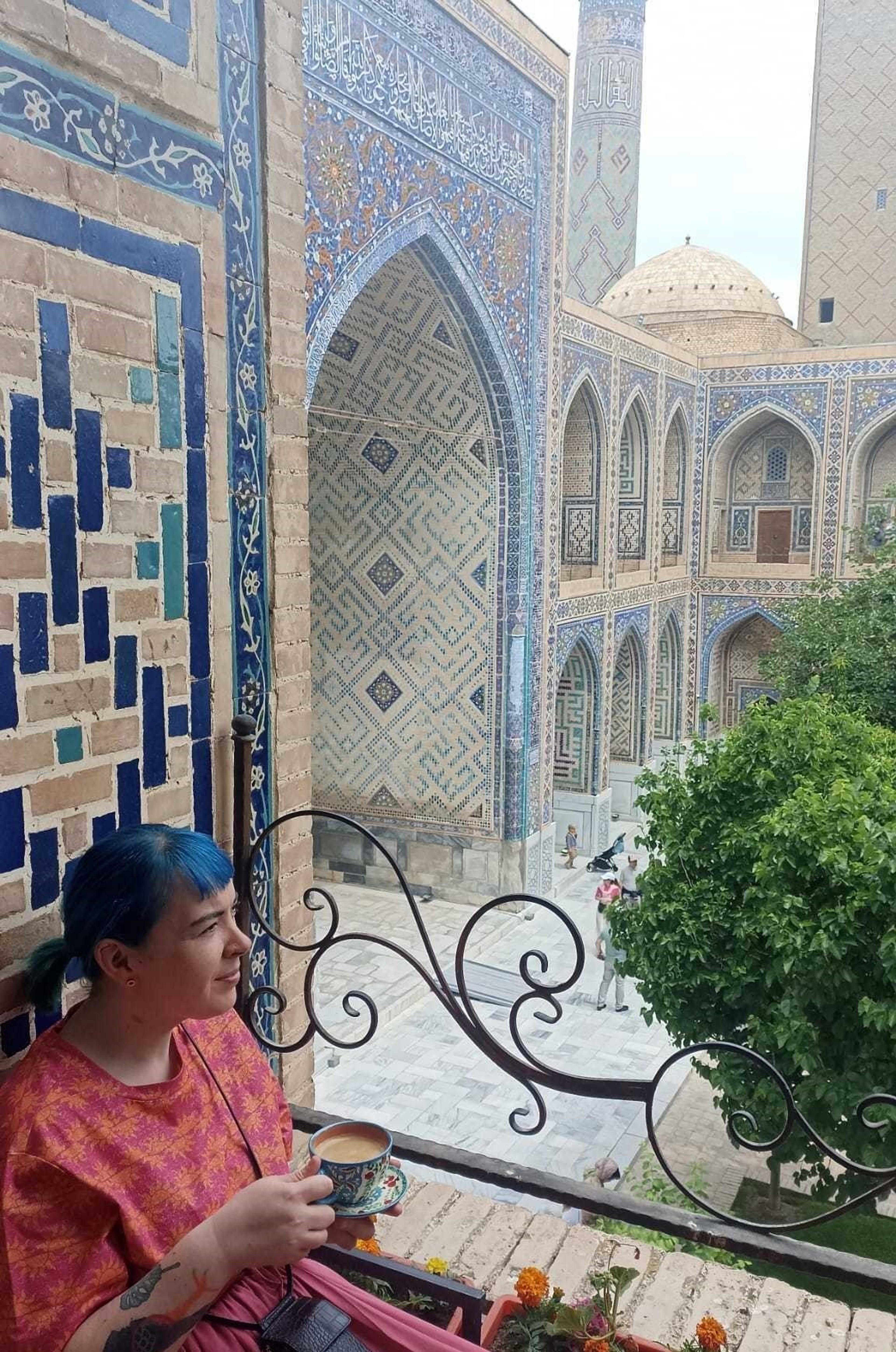
“In Samarkand, your journey will no doubt start at Registan Square, the city's most iconic landmark. It is dominated by three impossibly ornately tiled madrasahs—Ulugh Beg, Sher-Dor, and Tilla-Kari. Each one is a masterpiece of Islamic architecture, and pictures seriously do not do them justice.
There are hundreds of small alcoves and rooms to explore within the Madrasahs, not to mention handmade Uzbek crafts for sale. Needlework and embroidery are an integral part of the Uzbek culture, and you'll find gorgeous examples at shops all throughout the city.
If you look carefully, inside certain shops you’ll spot narrow spiral staircases heading up. Follow them, and you’ll emerge onto beautiful balconies overlooking the square, where you can grab a cuppa and watch the people go by.
Another highlight of Samarkand is Shah-i-Zinda, which is more or less a village of brightly-coloured mausoleums. To snap the best shots, plan to visit early in the day. The narrow pathways get pretty crowded, so a bit of patience is needed for unintentional photobombers.” - Katy
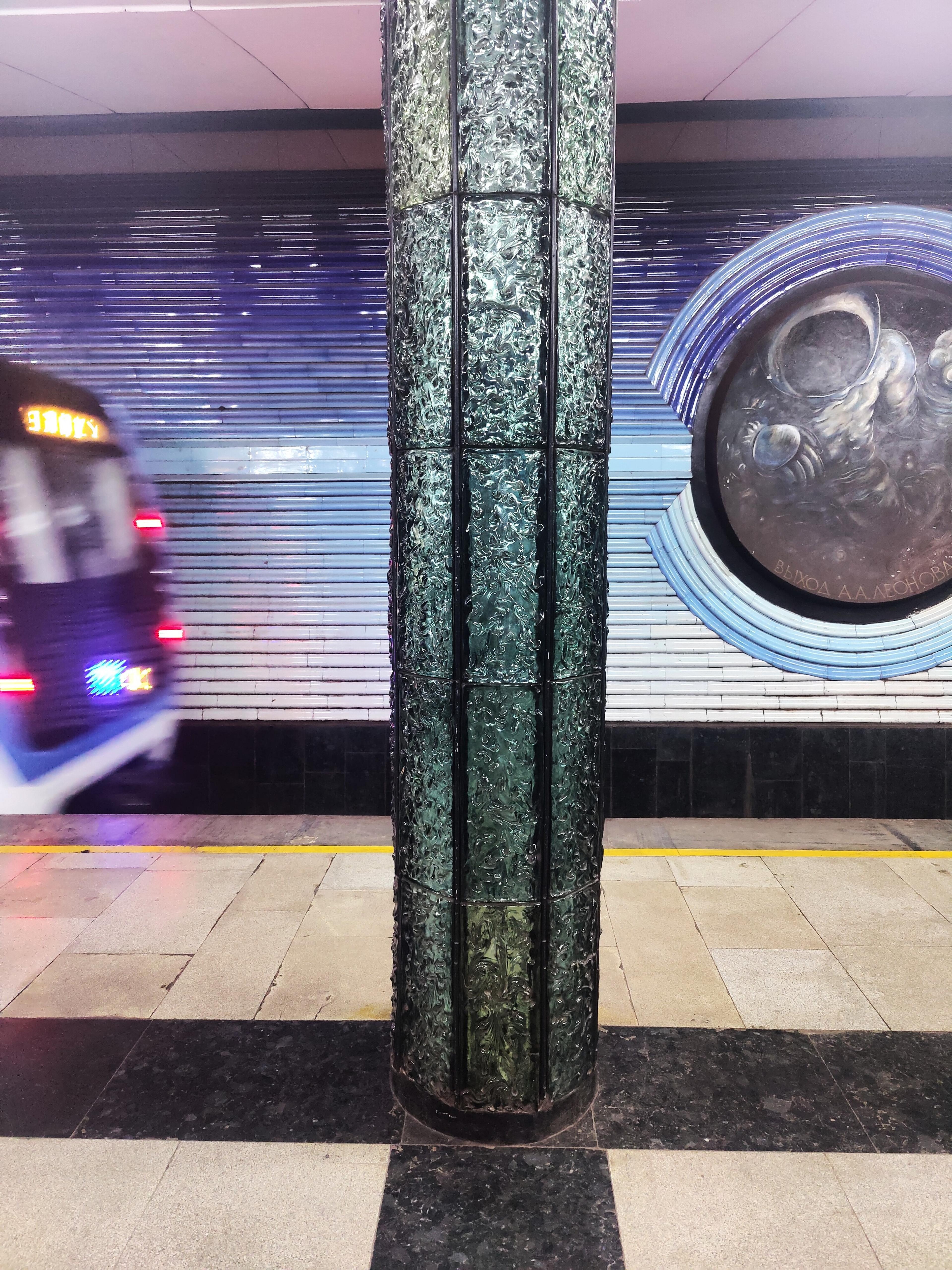
Tip: When it comes to your first glimpse of public transport in this area of the world, you’re in for an absolute treat in Tashkent. Its metro stations are more like museums. A myriad of mosaics and motifs, each spinning tales of the Silk Road and crumbled empires.
Stage 2: Uzbekistan to China
Option 1: Flying from Uzbekistan to China
Obviously, flying from Uzbekistan to China is the easiest and quickest option and will cost you around £100-£180. Flying non-stop, you can either fly to Urumqi (close to the border with Kazakhstan), Guangzhou, Xian or Beijing.
Option 2: Crossing overland into China
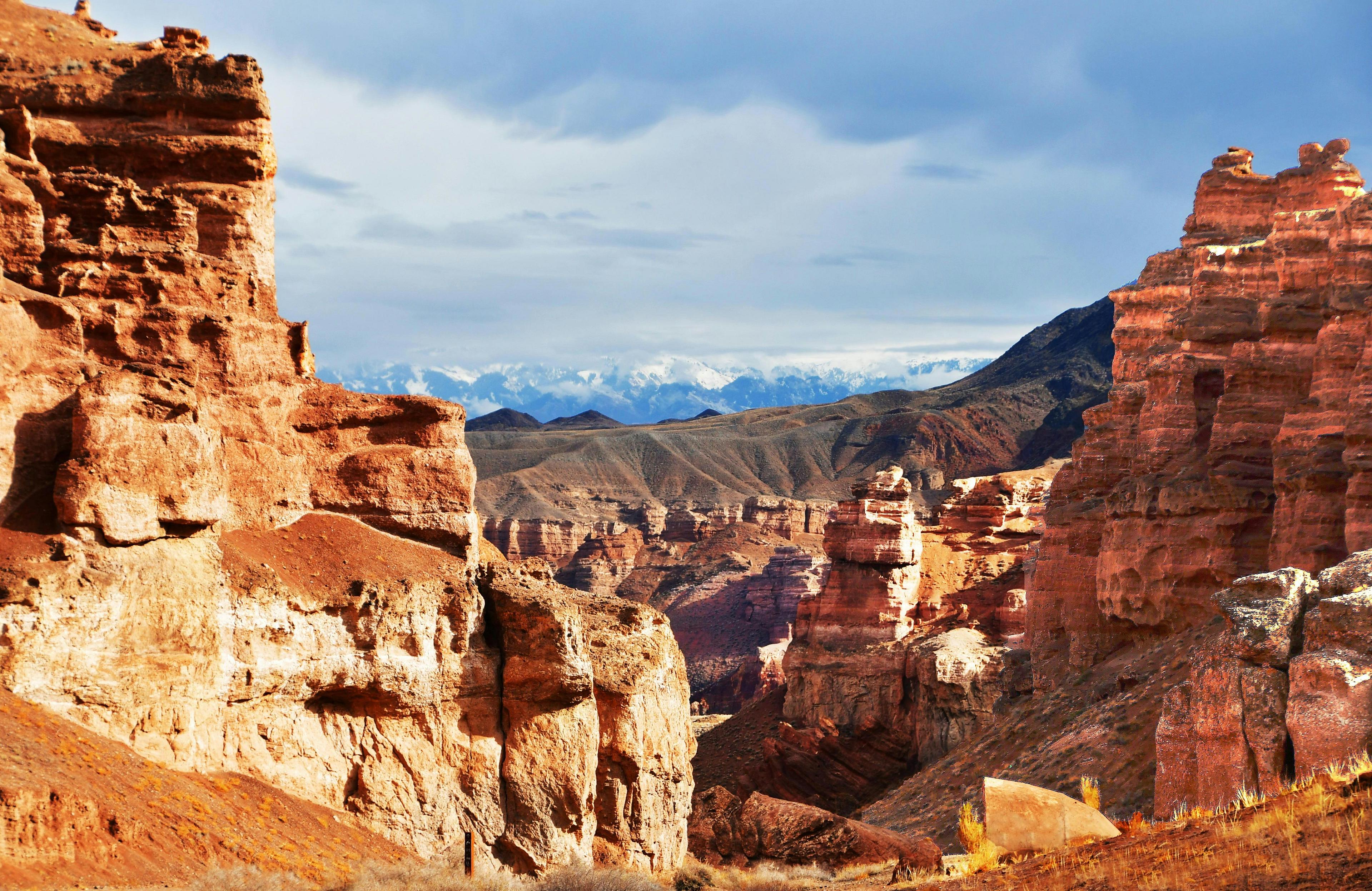
Alternatively, if you’re up for an adventure, you can cross overland into China, either via Khazakstan or Kyrgyzstan. It’s more difficult to cross from Kyrgyzstan because the region that borders it is Xinjiang, which is quite tightly controlled, and they don’t usually let foreigners visit. You’d have an easier time crossing from Khorgos (Horgos) in Kazakhstan. The road is better, and you can cross by bus.
While you’re in Kazakhstan, you might want to consider crossing the steppes by train; this dreamy photo-journal certainly entices me to!
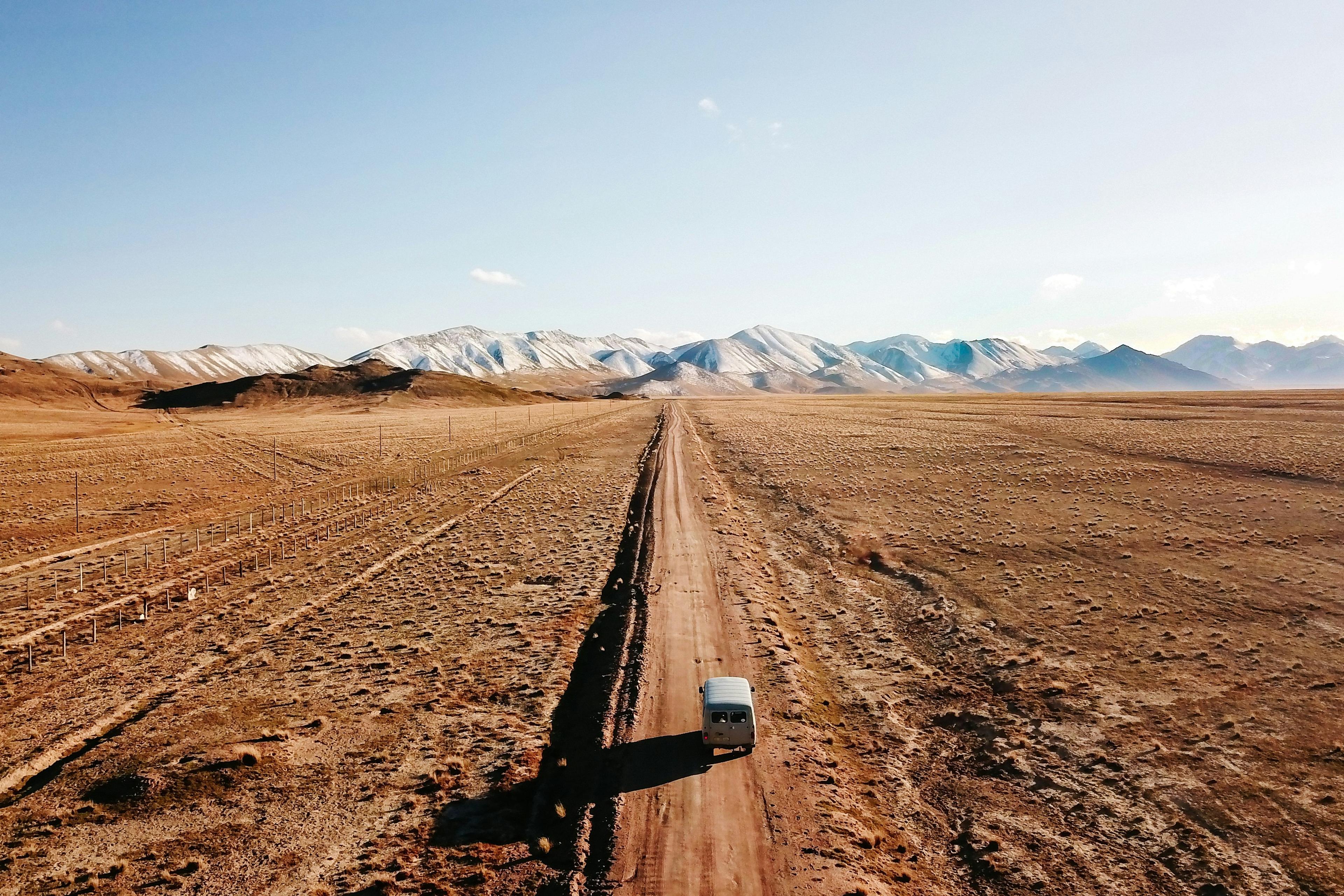
Tip: This website, Caravanistan, is a great resource for destinations all along the Silk Road. Here’s a handy map of border crossings on the Silk Road.
From Tashkent, you can take a train overland to Almaty (Khazakstan) in about 17 hours, and then catch a bus from Almaty to Urumqi (China) the bus takes about 19–20 hours and costs around £30 on average. This is by far the easiest way and beats trains with changes or separate border buses.
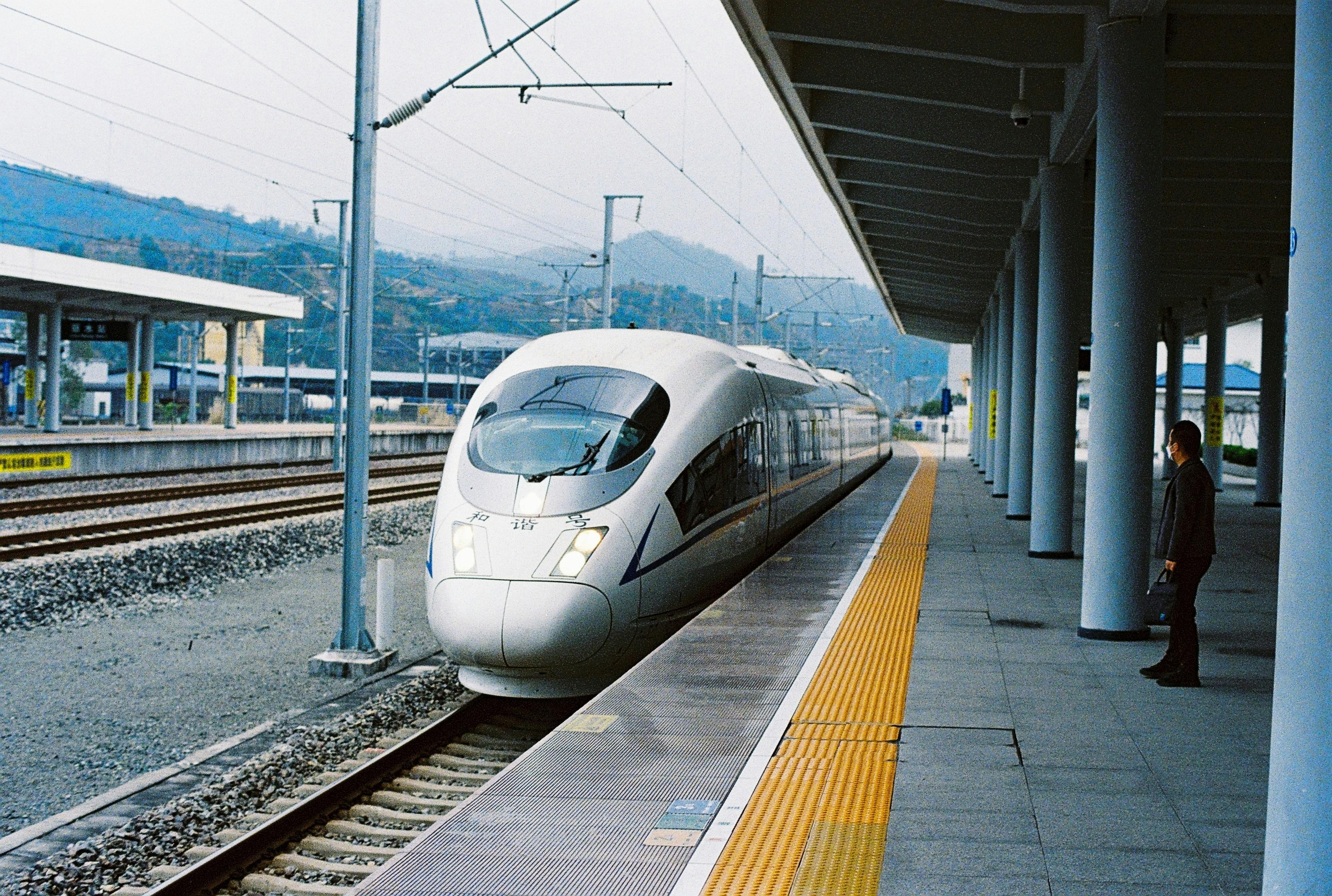
From Urumqi Railway Station, direct connections span Xinjiang regionally, as well as east to central China via the Lanzhou-Xinjiang High-Speed Railway — no transfers needed for most.
This 12-hour train route follows the ancient Silk Road via the oasis town of Turpan. From here, it travels through some of China’s wildest terrain, whizzing past lunar landscapes like the rainbow mountains of Zhangye and the caves of the thousand Buddhas in Mogao. This is one of the most important collections of Buddhist architecture in the world.

Stage 3: China to South Korea
Option 1: Flying from China to South Korea
It’s very easy to fly between the two countries — expect to pay around £60 one-way.
Option 2: China to South Korea via ferry
I imagine you'll train-hop from Urumqi across China to the Beijing area. From Beijing, hop on a high-speed train to Qingdao (3–4 hours, around £40 for economy seats), where you can take a ferry to Incheon, South Korea. The Weidong ferry sails every Mon/Wed/Fri at 17:30 and takes about 17–18 hours, costing around £85+.

Tip: It’s easier (and cheaper) to buy tickets in person than online, and you’ll want to arrive no later than two hours before departure to fill out customs declaration and boarding cards. The amenities on board are basic, so pack snacks accordingly, or consider splurging for a higher tier like Business or Royal class.
Stage 4: South Korea to Japan
Option 1: South Korea to Japan via ferry
Once you arrive in Incheon, you can then take an AREX train or subway to Seoul, which takes about an hour and costs around £5.
At this stage, a few days of rest and rejuvenation probably wouldn’t go amiss! In Seoul, a visit to Siloam Sauna offers traditional Korean spa relaxation for you weary travellers. Alternatively, a gentle hike up Achasan Mountain will do wonders for the spirit, and afterward, reward yourself with a quiet tea at Tteuran Tea House.
From Seoul, you can then take a highspeed KTX train to Busan (stop off in the city known as “the museum without walls” if you have the time). From Seoul straight to Busan it takes about 2hrs 15 mins and costs around £30.
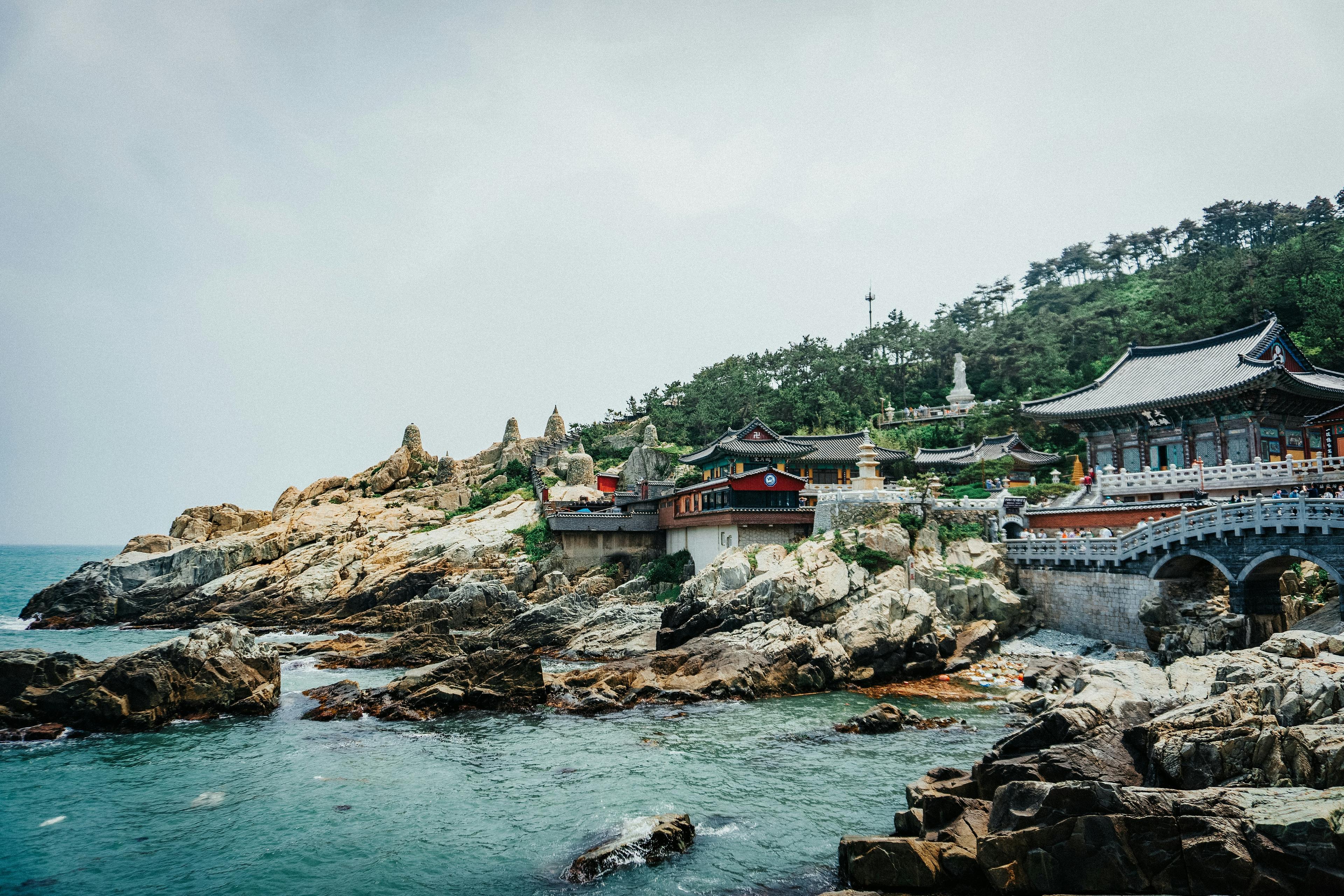
Next up, hop on an overnight ferry across to Fukuoka. The ferry prices usually fall somewhere between £46 and £77 depending on the season and what kind of seat or cabin you pick. All in, you’re looking at roughly £76–£108.
Another option is the PanStar Cruise Line to Osaka, offering a longer, more cruise-like experience that honestly might be worth the detour!
Option 2: Flying from South Korea to Japan
If you’d rather get there fast, flights from Seoul to places like Tokyo, Osaka, or Fukuoka are typically pretty cheap and only take around 1.5–2 hours, with fares starting from £40–£70 if you catch a deal.
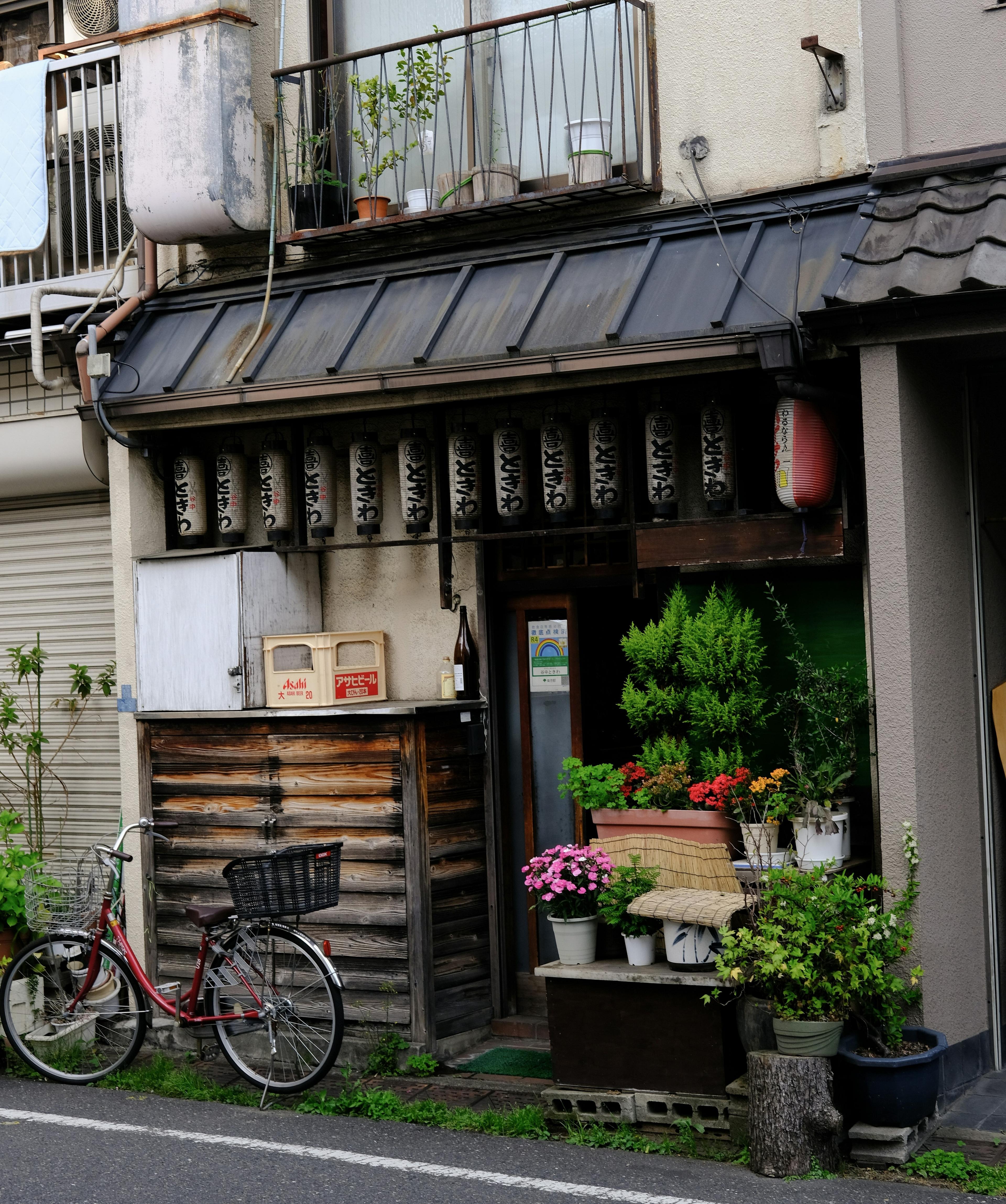
Tip: In Tokyo, instead of sticking to Shibuya, Asakusa, or Ginza, venture to neighbourhoods like Yanaka, Shimokitazawa, Kiyosumi‑Shirakawa, or Kichijoji for more local energy.
Yanaka offers a quiet, nostalgic Tokyo with over 70 different temples, wooden houses and cozy eateries - and most importantly, cats!
Stage 5: Japan to Vietnam
Option 1: Ferry and Overland
This one is tricky. You can do it overland by heading back to China by ferry (although the Kobe/Osaka–Shanghai service was suspended this week due to ongoing tensions), and then travelling south by train.
If you want to go for it, just be aware that there’s a time investment involved! The crossing takes 45–48 hours, then it’ll be around another 10 hours by train from Shanghai to the Vietnamese border.
Trains crossing from China into Vietnam were not reinstated after the pandemic. That means you’ll have to alight at Pingxiang, take a taxi to the border crossing, and then hop on a train from Dong Dang on the Vietnamese side to continue towards Hanoi.
Option 2: Flying from Japan to Vietnam
You can catch a direct flight from Tokyo to Hanoi or Ho Chi Minh City in about six hours, with economy fares that can drop as low as £80–£90 one way.
In Hanoi, I recommend starting your mornings early at Quang Ba Flower Market to see the city come alive with traders’ fresh flowers before the crowds arrive.
You can also use buses, trains, or the app Grab (similar to Uber) to catch a motorbike or taxi to quieter districts or artisan villages like Bat Trang and Duong Lam.
In Bat Trang, arrive in the morning to watch artisans shape pottery by hand, and try making a small piece yourself. In Duong Lam, take a bus or Grab through scenic rice paddies, then walk or cycle among clay-tiled houses and temples. Bring cash and wear comfortable shoes, and consider visiting on weekdays for a quieter, more authentic experience of local crafts and village life.
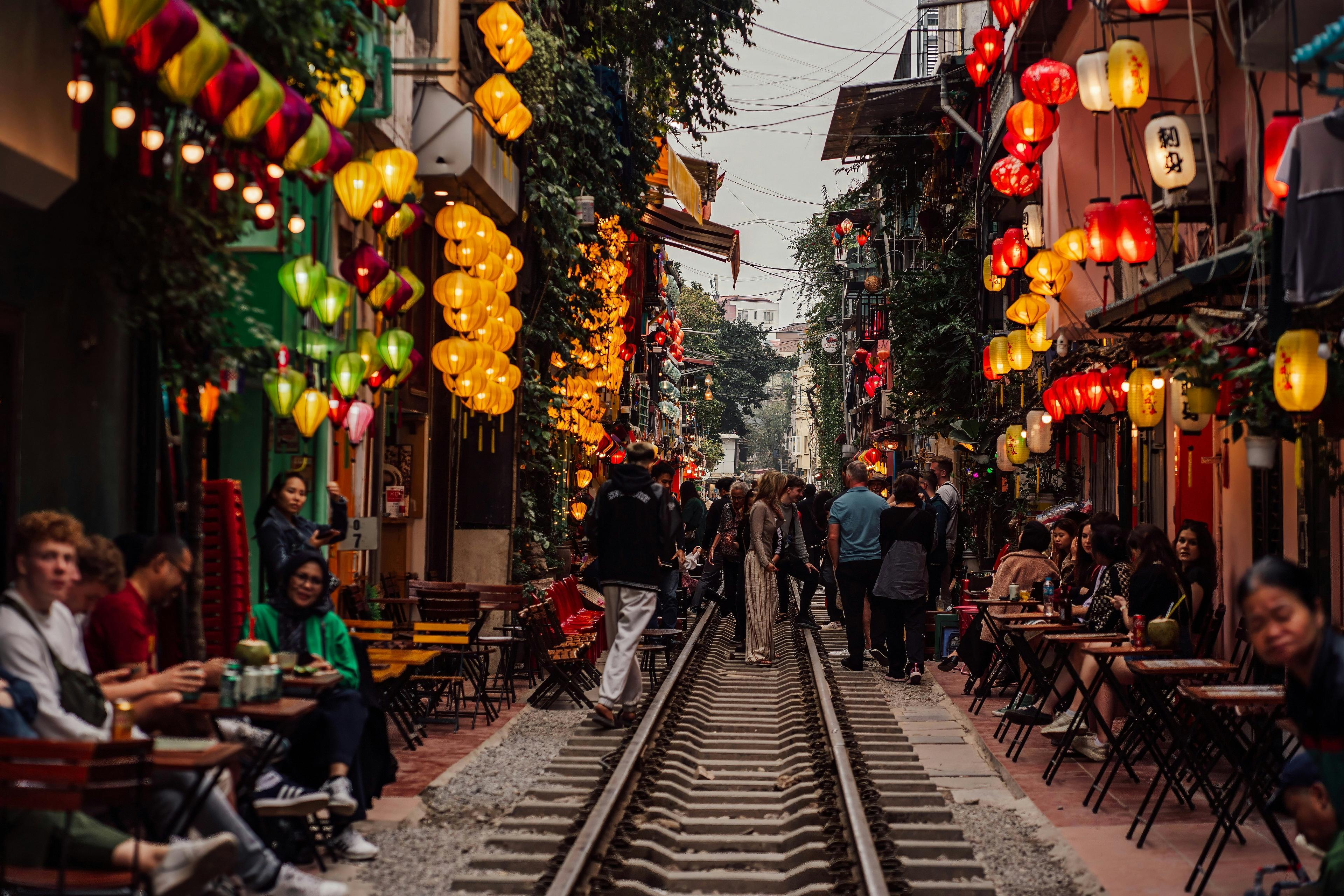
Tip: If you decide to go south, take a look at our Ho Chi Minh Guide — it’s packed with Katy’s tips for your trip.
Stage 6: Homeward Bound
Flying back home
Once you’re done exploring Vietnam, getting back to the UK is easiest via London: there are several direct flights from Hanoi or Ho Chi Minh City to London, and from there it’s just a quick hop on a domestic flight or train to Manchester.
Total flight times from Vietnam to London are roughly 13–14 hours for a direct route, with fares ranging from £390s–£600 depending on the airline, season, and how early you book. Currently, fares in June are reasonable at £396.
Rough totals
Overland/ferry-heavy route: £1,400pp
Mostly flying: £1,200pp

Visa Notes
Uzbekistan
- UK, EU, Canadian & US Passports: Most will qualify for up to 30 days visa-free for tourism. Longer stays require a visa, usually via the official e-visa portal.
- Other passports: Many nationalities still qualify for visa-free entry or simple e-visas, but rules vary. Check your specific passport eligibility on the Uzbek government visa site.
China
- UK, US & Canadian Passports: A visa is usually required, depending on the exact duration and destination of your visit. The current process involves an online pre-approval form on visaforchina.cn, followed by an in-person biometrics appointment at a Chinese Visa Application Service Centre. Fees average about £130. Allow 3–4 weeks total.
- Other passports: Most European countries, as well as Australia and New Zealand, will qualify for 15-days visa-free entry to China. These rules change frequetly, and requirements, fees, and processing times can differ, so travelers should always check the rules for their specific nationality.
South Korea
- Most UK, European & North American passports: No traditional visa needed for trips up to 90 days, but you must apply for the K-ETA before travel. Some passports may require a short-stay visa, so check the K-ETA site for nationality-specific entry rules.
Japan
- Most UK, European & North American passports: Visa-free for up to 90 days. You may be asked to show proof of funds and onward travel/accommodation.
- Other passports: Japan offers visa-free entry to many countries, but not all—travellers should confirm whether their passport is on Japan’s visa-exempt list.
Vietnam
- UK & European passports: Most qualify for visa-free entry for up to 45 days.
- Other passports: Visa exemptions vary greatly by nationality. Many travellers will need an e-visa, which is generally straightforward to obtain via Vietnam’s official portal.
Safe travels! I’d love to know which routes you end up choosing! And send us a postcard on the road!