
Visiting Scotland by Public Transport: a Local's Guide

Katy Maclure
As a Scot who travels a lot, it’s not uncommon to find yourself meeting someone abroad who will tell you they love Scotland or they’ve always dreamed of visiting Scotland. And quite rightly so, it’s a fantastic wee country. The landscapes, the castles, the fluffy coos, the whisky: they all paint a pretty romantic picture. And Outlander hasn’t done too much harm either, I suppose.
When I was a student, I spent a couple of summers working in the Visit Scotland information centres in Aberdeen and Glasgow. People from all over the world would drop in for a map, some tips, help with accommodation, or to book a tour—but they all had a different idea of how they wanted to see the country and in what timeframe.
The majority of visitors staying longer than a few days tended either towards a self-drive road trip or a full-on guided tour. Both have their merits, of course, but I was surprised at how few people thought of taking public transport to get around the country. This has only intensified in recent years with the surge in popularity of the North Coast 500.
Here’s where I confess: I don’t drive—rather, I can’t drive. Buses and trains are my go-to whether I’m at home or away. All it takes is a little patience and planning (and a decent podcast), and you really can reach most places without getting behind the wheel.
So here are some tips from me, a local and a public transport nerd, to help you make the most of travelling around Scotland without a car.
Trains
ScotRail is the main train company operating routes across Scotland. Others do operate within Scotland, but they tend to be long-distance routes connecting us across the border. These include LNER, Avanti, TransPennine, CrossCountry, and Lumo. Additionally, the Caledonian Sleeper runs a night train service 6 days a week (no Saturdays) between London and various parts of Scotland.
Our train network is actually pretty decent, connecting even more remote parts of the country and often syncing up with island ferries. That’s especially handy for any of you planning to tackle the West Highland Way, go on a distillery crawl, or even just enjoy a windswept coastal retreat.
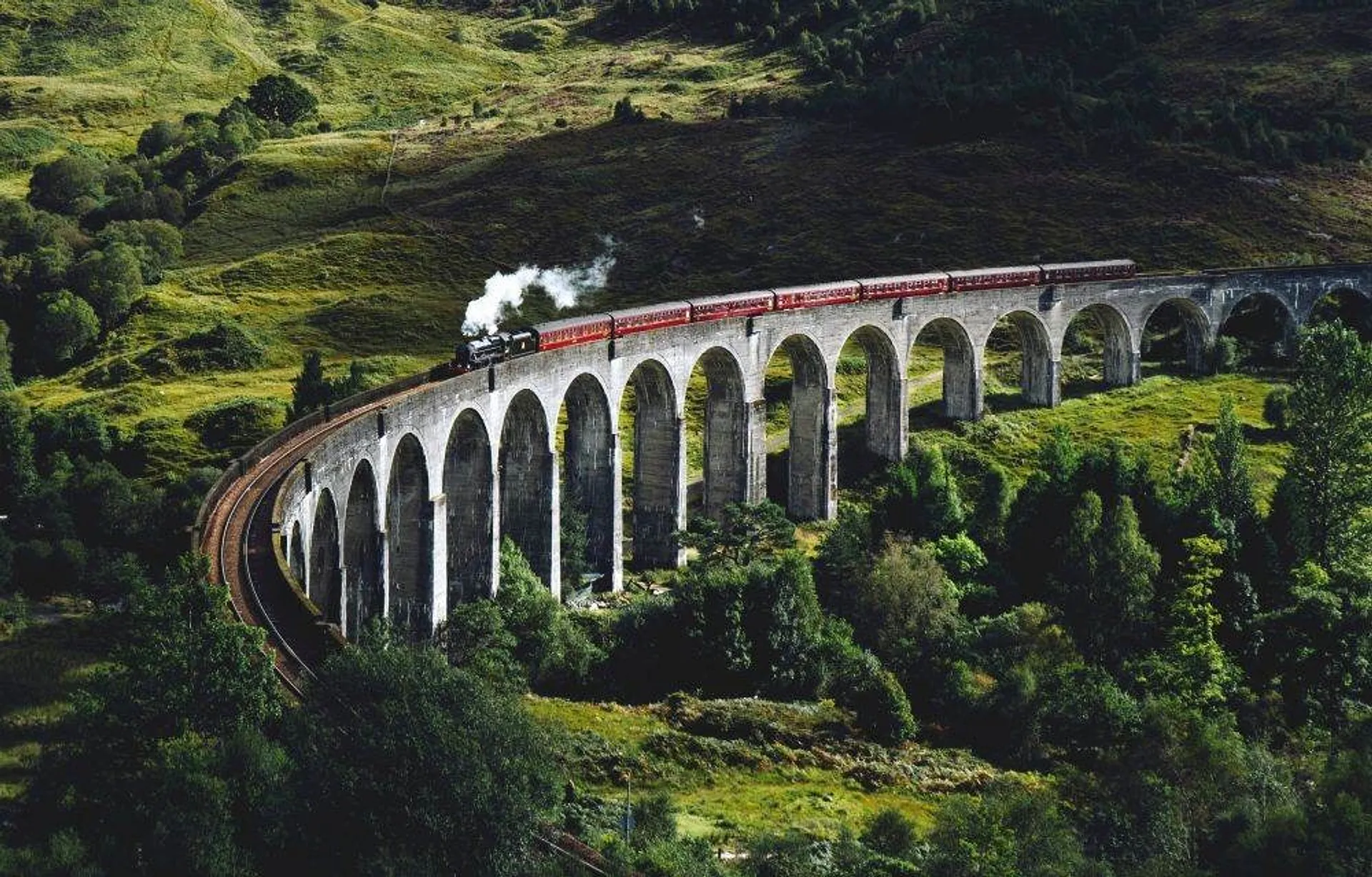
It’s easy to get swept up in the romance of a Scottish train journey, especially on the West Highland Line from Glasgow to Mallaig. Just look out for flying cars along the way… If you stick it out all the way to the end, you’ll be treated to rugged coastal beauty featuring cozy pubs with live music and a roaring log fire.
The nitty-gritty
Ticket pricing on trains in Scotland (and the UK in general) can vary wildly from one service to the next when you’re booking in advance. Typically, the earlier you can book, the lower the price will be.
Buuuut there are exceptions, which are utterly mind-boggling if you’re not a local (and, frankly, also if you are). There is no advance pricing on short-distance, high-frequency commuter routes in Scotland. You’d think that would just apply within cities, but it also applies to journeys between Glasgow and Edinburgh. So on these routes, just rock up and hit the rails whenever it suits.
Generally, though, planning your route in advance will pay off. ScotRail releases tickets 12 weeks ahead, so if you want the best fares on longer distances at the times that suit you, set a reminder to book.
That said, if you’re a UK resident planning a somewhat spontaneous train-based trip within Scotland, I’d recommend checking out the unlimited travel passes that ScotRail offers—yet doesn't really advertise! Pick from 4 different options to suit your trip length and the areas you want to see, and away you go. Even better, book a combined Rail and Sail ticket, and you needn’t worry about a separate ferry booking.
For those of you resident in other countries, it’s even better. You can use a Global Interrail/Eurail pass to combine your travels with other parts of the continent, or you can hone in on Britain with a BritRail pass.
Buses
Anyone who has ever travelled on a budget in the UK has taken a long-distance bus ride. Sure, they take a little longer than the train, the legroom can sometimes be pretty rotten, and the single lavatory often makes itself known to everyone onboard. But it’s always affordable, and sometimes it’s your only option.
While the train network is decent, Scotland has a lot of rural spots in between that rely on bus connections. Taking a long-distance coach between bigger towns is a good start, but if you want to reach those castles and rock formations, you’ll likely need to catch a local country bus from the closest hub, too.
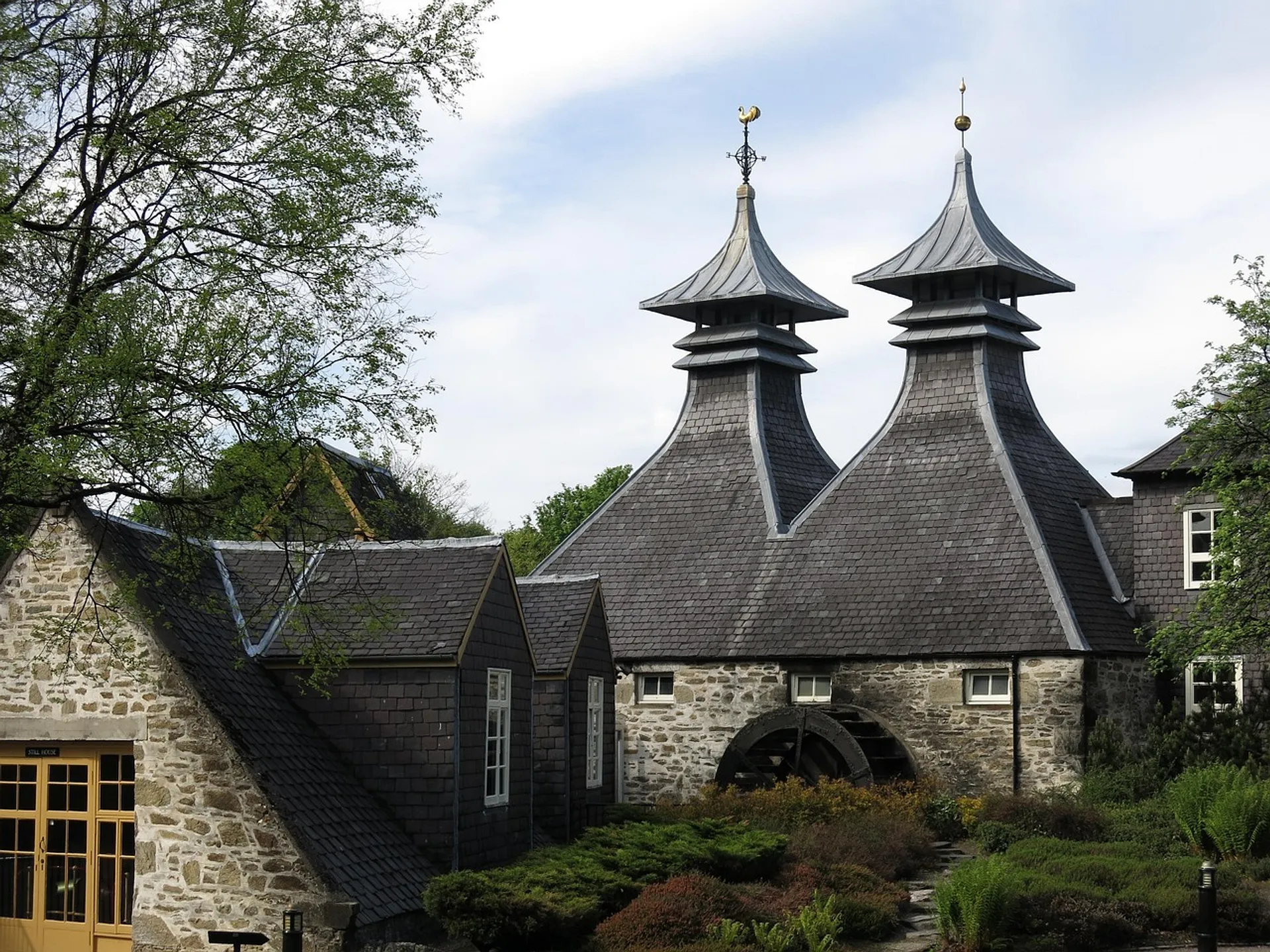
Take the Speyside Malt Whisky Trail, for example—a major draw for international visitors who love a tipple. Somehow, the steam billowing from the distillery chimney stacks, nestled in among the hills and on the banks of roaring rivers, actually adds to the charm of these (almost) Highland towns and villages.
The buses here even go beyond our charming borders. Living on an island, it always feels like a novelty when I see a bus to a different country, but it is possible, even in Glasgow. If you want to avoid the cheap Ryanair hop from Scotland to Ireland, simply spend 9 hours on a coach*, and you’ll be breathing in the brisk Donegal air before you know it.
*the coach may or may not board a ferry across the Irish Sea to Belfast before continuing west.
The nitty-gritty
The big hitters in the Scottish long-distance bus game are CityLink, Megabus, FlixBus, and, more recently, Ember. CityLink has the most elaborate network, connecting all the major cities and also taking you up to towns like Ullapool in the northwest, where no other train or bus is brave enough to go.
Megabus and Flix usually compete for the lowest fares on the intercity routes, while Ember is the new kid in town, with modern electric vehicles and a pretty competitive network.
Aside from Inverness, none of Scotland’s airports have their own train stations. Since most visitors from abroad will be flying into Edinburgh or Glasgow, it’s worth mentioning that you’ll find long-distance bus connections straight from both to other parts of the country.
From Edinburgh Airport, you can get “through” to Glasgow, as we say, in under an hour on the bus, without having to head into Edinburgh first. You can also find FlixBus and Ember connections north to cities like Aberdeen, Dundee, and Stirling, and even over to Oban on the west coast.
It’s a similar story from Glasgow Airport, with many of the CityLink buses from the city stopping by on their way up the west coast and plenty of coaches heading northeast through the city. Just be aware that trips to and from airports tend to cost a fair whack more than non-airport counterparts double their length.
If you’re gallivanting around the country for a week or two, I’d definitely recommend considering a CityLink Explorer Pass. They work much like train passes, but they’re soooo much cheaper and available to all, regardless of where you live.
Ferries
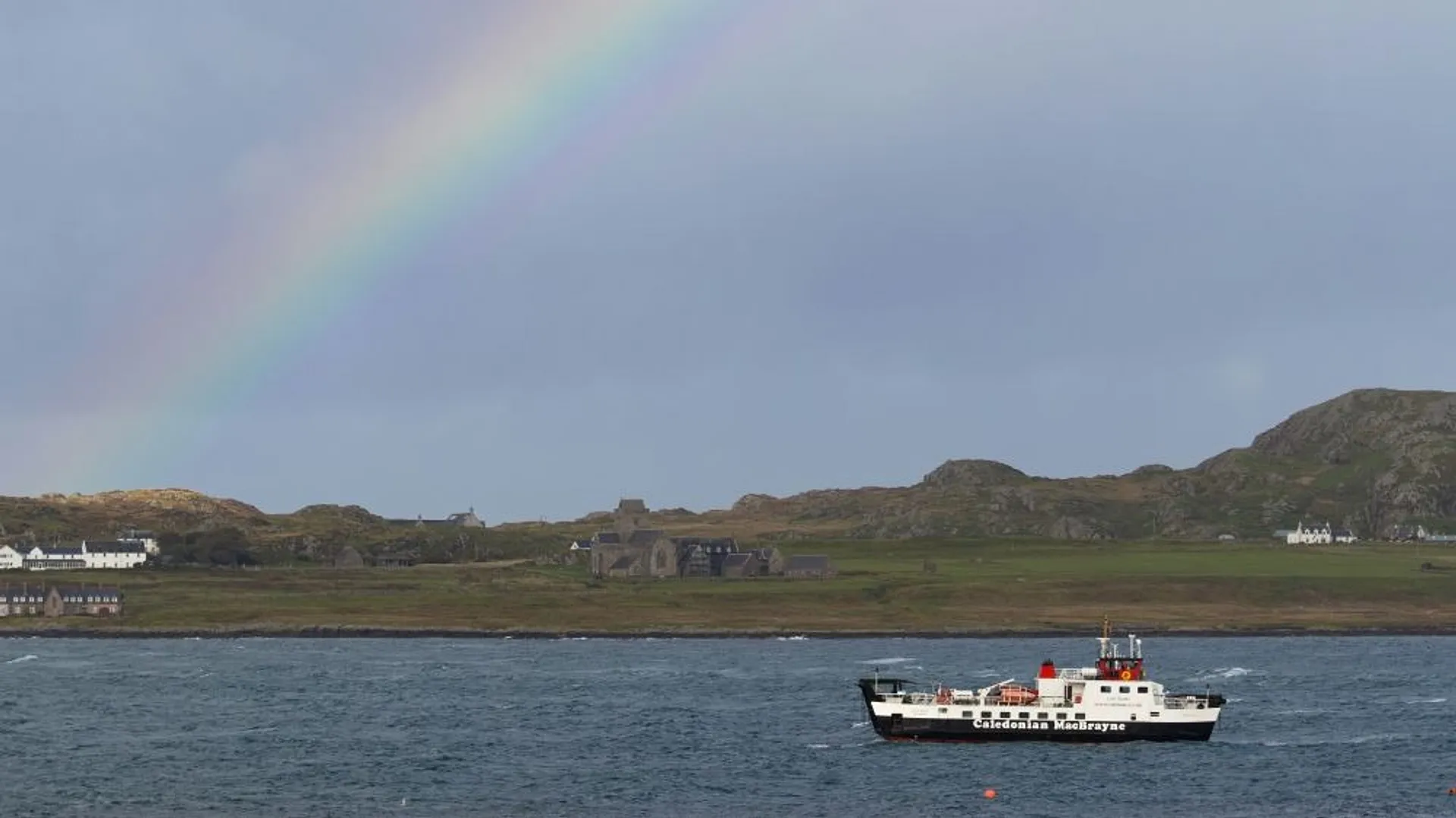
As alluded to above, many train routes offer combined ‘rail and sail’ tickets, and certain buses straight up just board the boat with you. These tickets are great for connections to the Hebrides and Northern Isles in particular, where flights can be particularly expensive.
Most ferries in Scotland have a nearby train station for easy connections; however, the route from Ullapool to Stornoway on the Isle of Lewis is an exception. Since there’s no train line up there, the CityLink bus from Inverness is your best bet. Island day trips from Glasgow are also feasible to Arran, Cumbrae, and Bute with a well-planned rail and sail.
Island hopping is a big thing off Scotland’s west coast, but it will take a little planning. CalMac ferries let you make all your bookings in one go, and they have some inspired suggestions for island-hopping routes. Public transport gets spottier once you reach land, so I’d recommend asking your accommodation host for tips about buses and taxis.
For Orkney and Shetland, your connection is with NorthLink ferries from Aberdeen. The port is close to both the bus and the train station, so it’s fairly easy to line up with transport from all over the country.
You’ll notice that the vibes up on the Northern Isles are more rugged and Nordic than anywhere else in Scotland, while the Hebrides are famed for their traditional music, the Gaelic language, and beaches to rival the Caribbean. There are more than 90 inhabited islands to choose from, so pick wisely.
In all this overland public transport chat, the one exception I’ll make is an essential part of any Orkney trip: the world’s shortest scheduled passenger flight. If you have the chance, make the journey from Westray to Papa Westray (usually in under 2 minutes) and live the aviation enthusiast’s dream.
There’s a lot more I could say about my favourite public transport routes around the country (Glasgow’s no. 90 bus is pretty fantastic, I must say), but these are my starting points for encouraging you to get out there without a car.
Using a combo of buses, trains, ferries, local taxis, and public bike rentals, you’ll never have to worry about where to park, how to pay, driving on the wrong side of the road, who’s on distillery driving duties, etc. Some may see travelling without a car as limiting, but I like to think of it as freeing. Take your time and enjoy the journey as much as the destination.
If you have any questions about routes or destinations in Scotland, ask away in the comments or drop me an email. I'm always happy to share my tips or bother my family and friends for theirs!