Passport to the Parks: Hawaiʻi Volcanoes National Park

Olivia Louden
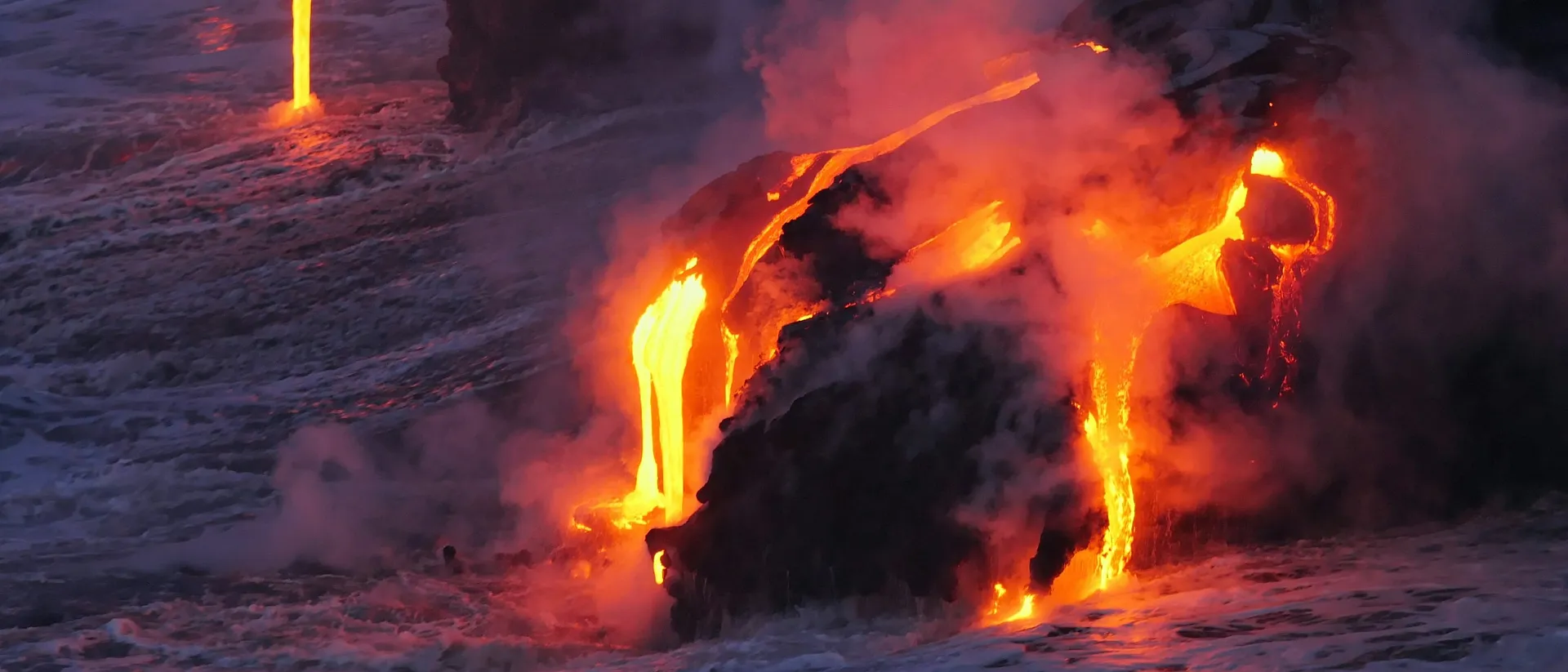
Since the first US National Park was established in 1872, sixty-two others have popped up around the country. Each one does things a little differently, and this series is our chance to break them down. Today, we’re heading out into the Pacific to visit a lava-filled, rainforested, island park: Meet Hawaiʻi Volcanoes!
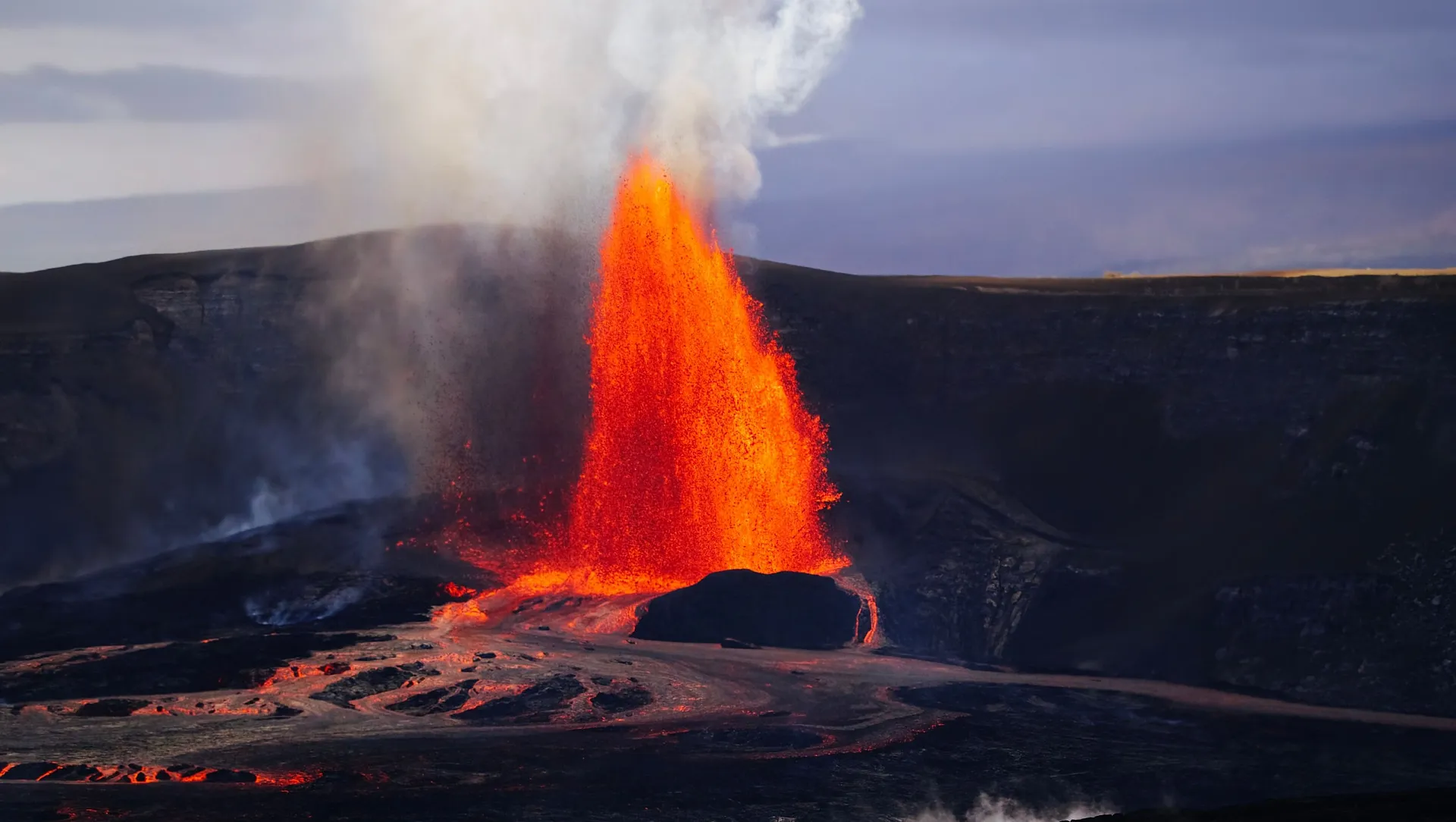
One of just two national parks in Hawaii, the goal of Volcanoes is to preserve not only the land itself, but also the indigenous culture connected to it. It’s pretty jam-packed with experiences, so let’s dive right in…
Quick Facts about Hawaiʻi Volcanoes National Park:
- Established: 1916
- Size: 554 square miles (1,434 km²)
- Location: The Big Island of Hawaiʻi
- Nearby towns: The tiny town of Volcano is right outside the park, but you’ll find more services in Hilo or Pāhoa (about 45 minutes drive from the park)
- Closest airports: Hilo (ITO) is closest at 45 minutes away, but the island’s other main airport (Kailua-Kona or KOA) is only a couple of hours away.
- Best time to visit: Spring or fall
- Biggest highlight: Massive, wildly active volcanoes!
While the Big Island was formed by six volcanoes, only two record-breakers are part of the park: Kīlauea and Mauna Loa. The former is the most active volcano in the world, and the latter is the largest active volcano in the world.
Bubbly and volatile, hyperactive Kīlauea has been erupting on and off since December 2024. Trying to catch it in action is one of the most popular things to do at Hawaiʻi Volcanoes, and visitors can get updates on geological activity to see when it’s likely to blow again. You can even tune into a livestream from home!
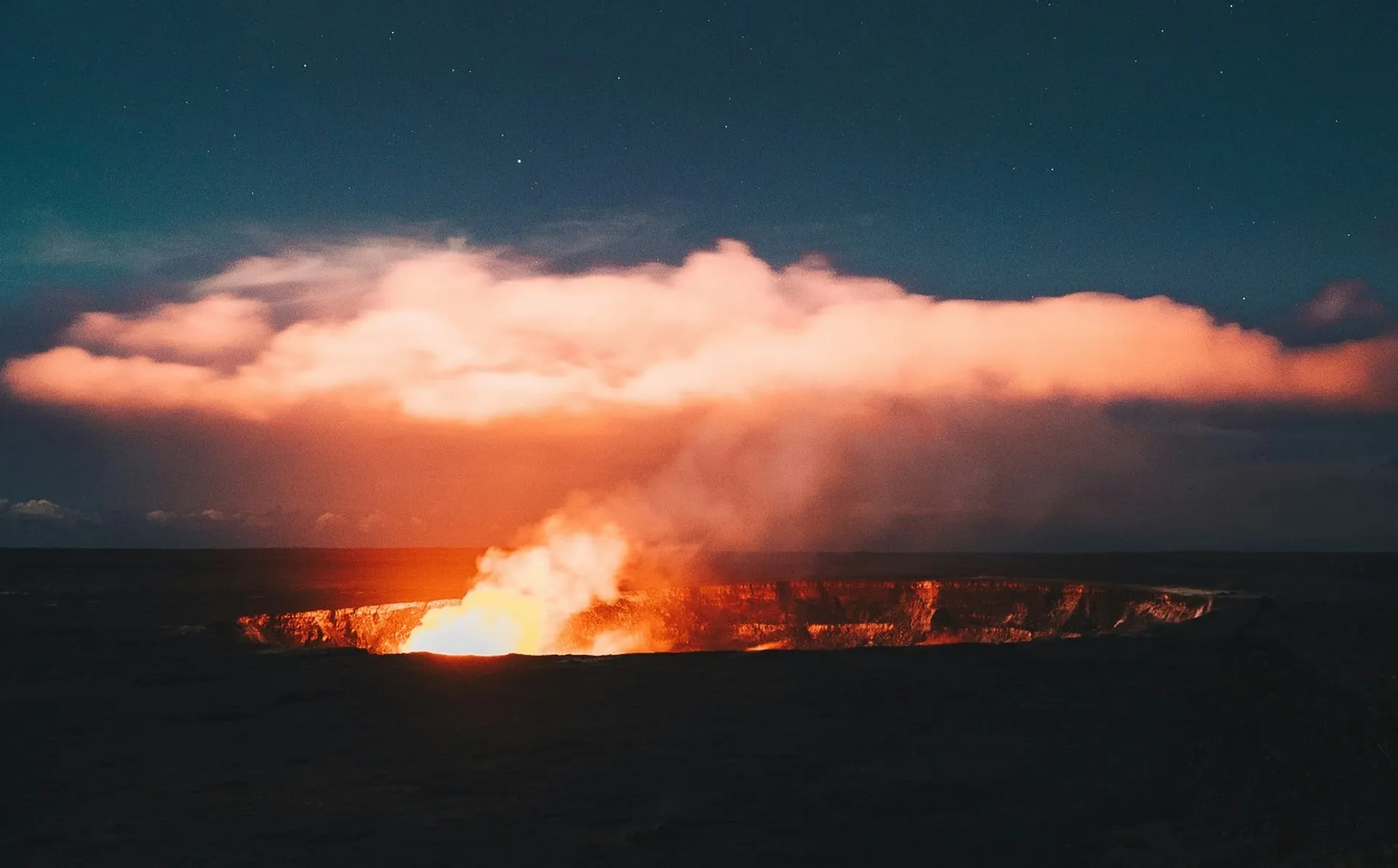
Most folks aren’t lucky enough to catch an actual lava explosion, but you can still head up to the overlook at dusk to see the dangerous red glow emanating from Halemaʻumaʻu Crater. According to Hawaiian legend, the volcanic goddess Pele made her home beneath it after creating much of Hawaii’s landscape in a mad dash.
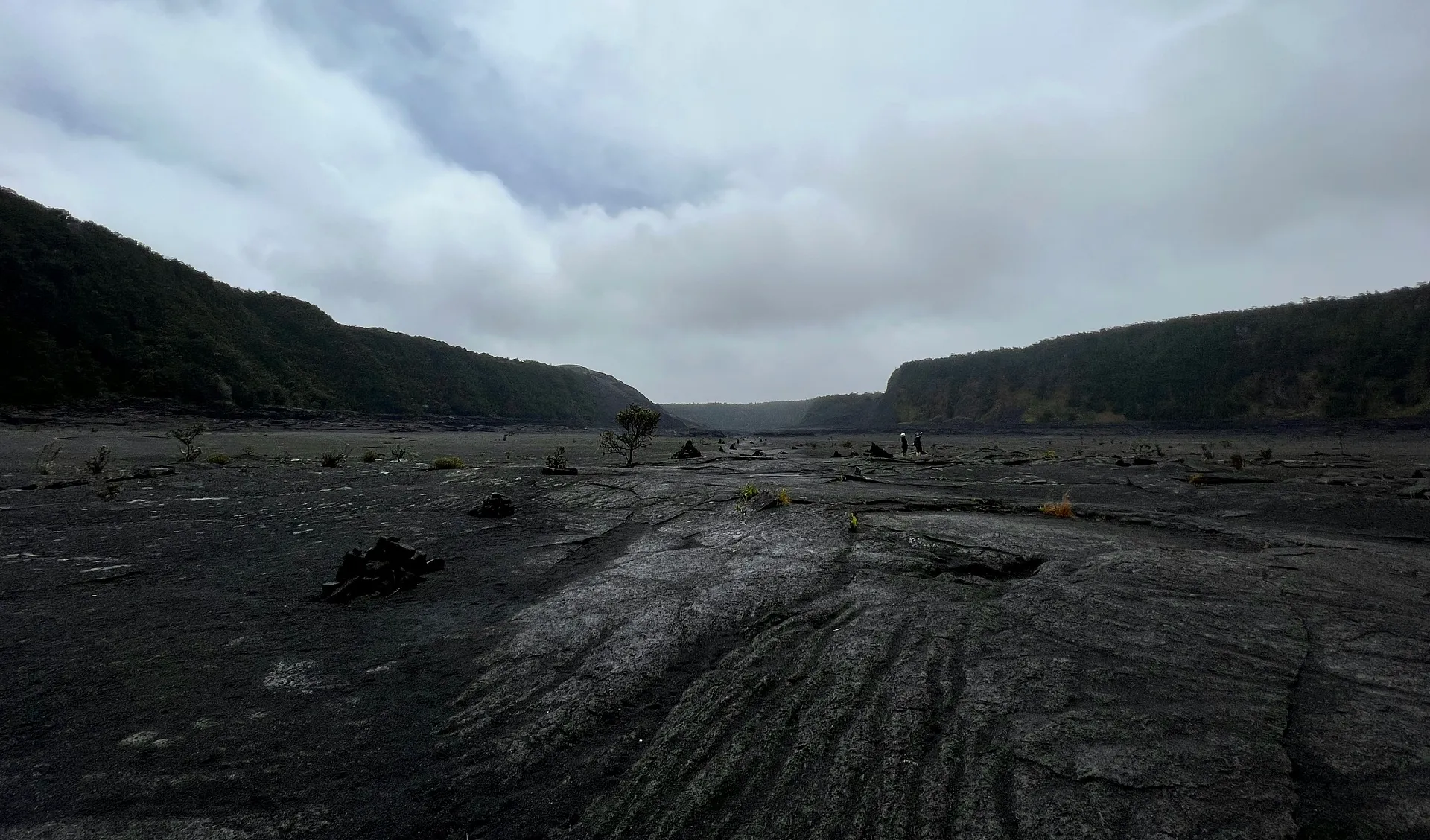
The volcano’s past has left quite a mark on the landscape too. One of the park’s most popular trails is Kīlauea Iki, which guides you across a wide open plain left by a previous eruption. A few decades ago, it was a sea of lava, but now it’s an eerily desolate gray field surrounded by rainforest.
Massive Mauna Loa is much more unforgiving. It was even enough to intimidate a goddess — when Pele’s sister Nāmakaokahaʻi saw the magnificent, apocalyptic eruption of Mauna Loa, she knew Pele could never be defeated. Measured from its actual base on the bottom of the ocean, this is the tallest mountain on earth.
The intimidating giant only offers challenging backcountry hikes. The shortest paths are in the 12-15 mile range and involve high altitudes, major elevation changes, and rough terrain, but the rewards are pretty sweet. You’ll be on the side of an active Hawaiian volcano, miles above sea level, so far off the tourist track that you may not pass another person for days.
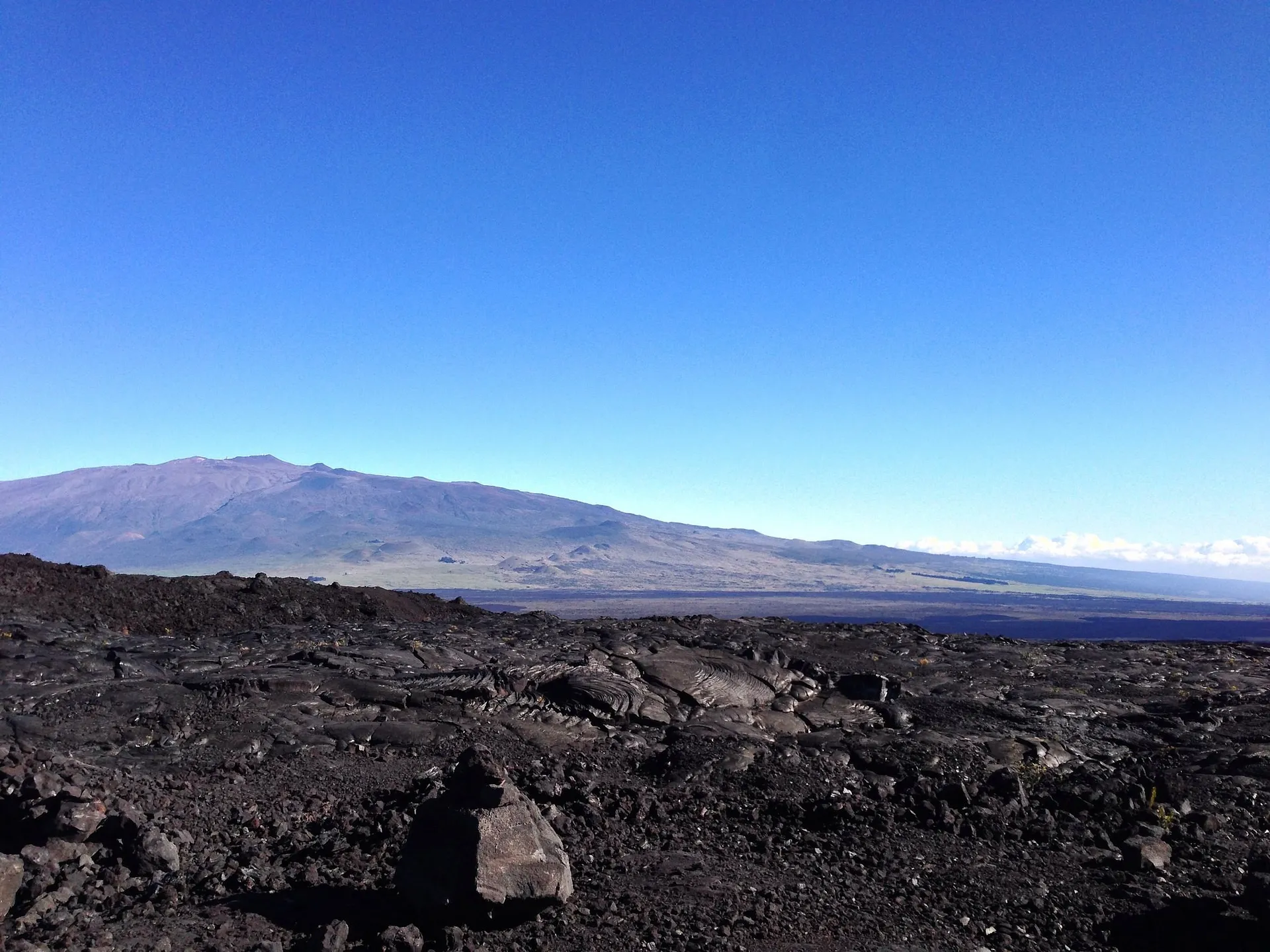
“Climbing Mauna Loa” by Jon Roig, CC BY 2.0
Of course, if you’d like to catch views of Mauna Loa without clambering over lava boulders, you can also opt for the scenic drive instead.
There are even more volcanic formations to see under the surface of the earth. Long-gone eruptions have formed lava tubes under much of the island, ranging from the cavernous Kazumura (deeper underground than the Burj Khalifa is tall, only accessible with a tour group outside the park) to shorter tunnels that visitors can easily walk through on foot.
While they might seem quiet and damp now, these tunnels were carved by lava that was 2,000°F, roughly one-fifth the temperature of the surface of the sun. The environment inside is so ecologically unique and isolated that some individual tunnels have their own endemic species of spiders and crickets.
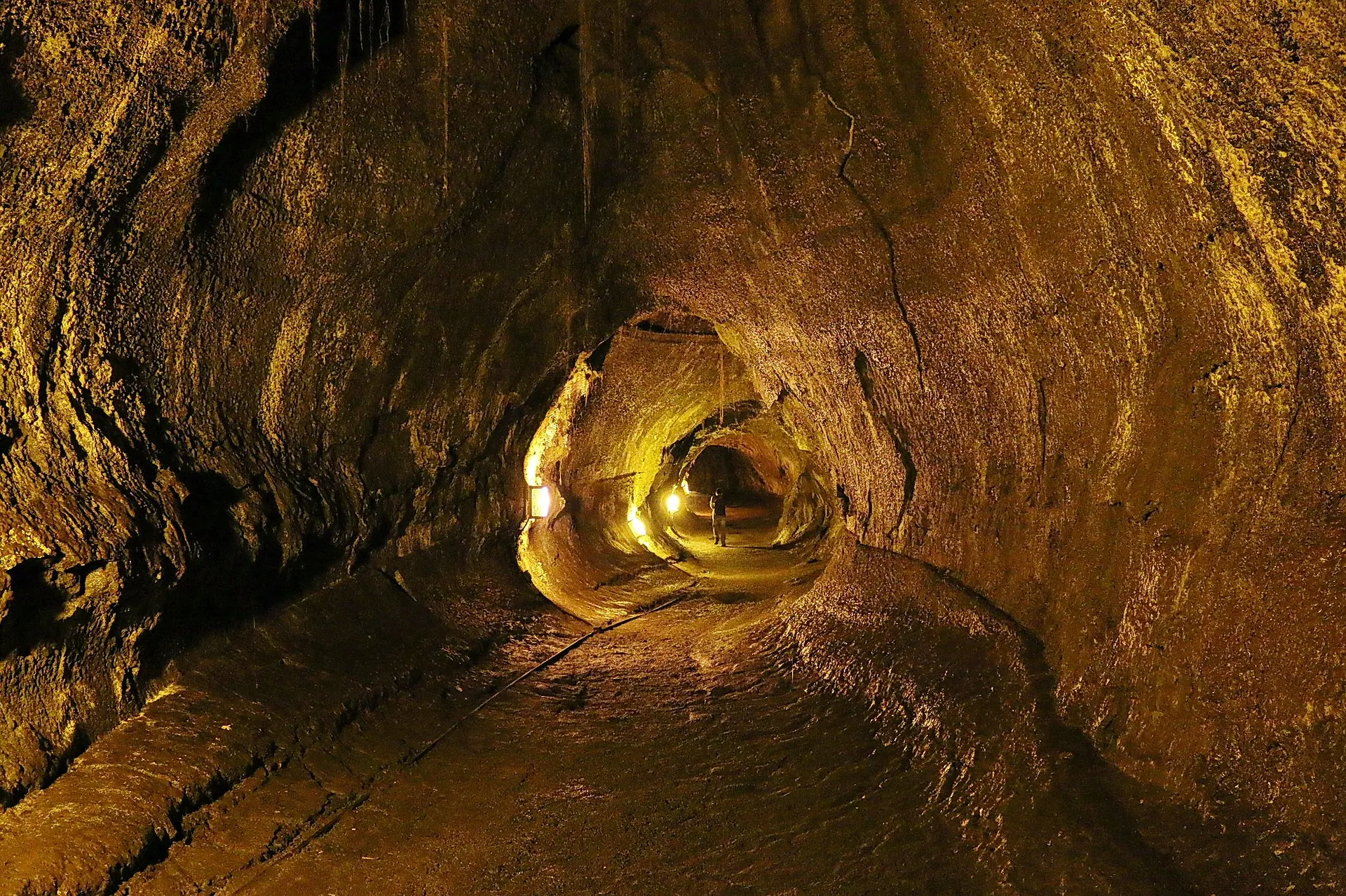
“Thurston Lava Tube. Hawaii Volcanoes National Park (503990)” by Robert Linsdell, CC BY 2.0
Legend has it that these tunnels are where Pele was taught her sacred volcanic powers by her uncle Lonomakua. She’s also credited with creating Nāhuku — the most popular and accessible lava tube here at Volcanoes (also known as Thurston, pictured above).
The simplest way to get up close and personal with all of Pele’s handiwork (and help the Hawaiian ecosystem while you’re at it) might be to join the park’s Stewardship at the Summit experience. You’ll be armed with clippers and guided through the rainforest to help trim back invasive plants wherever they’re trying to crop up.
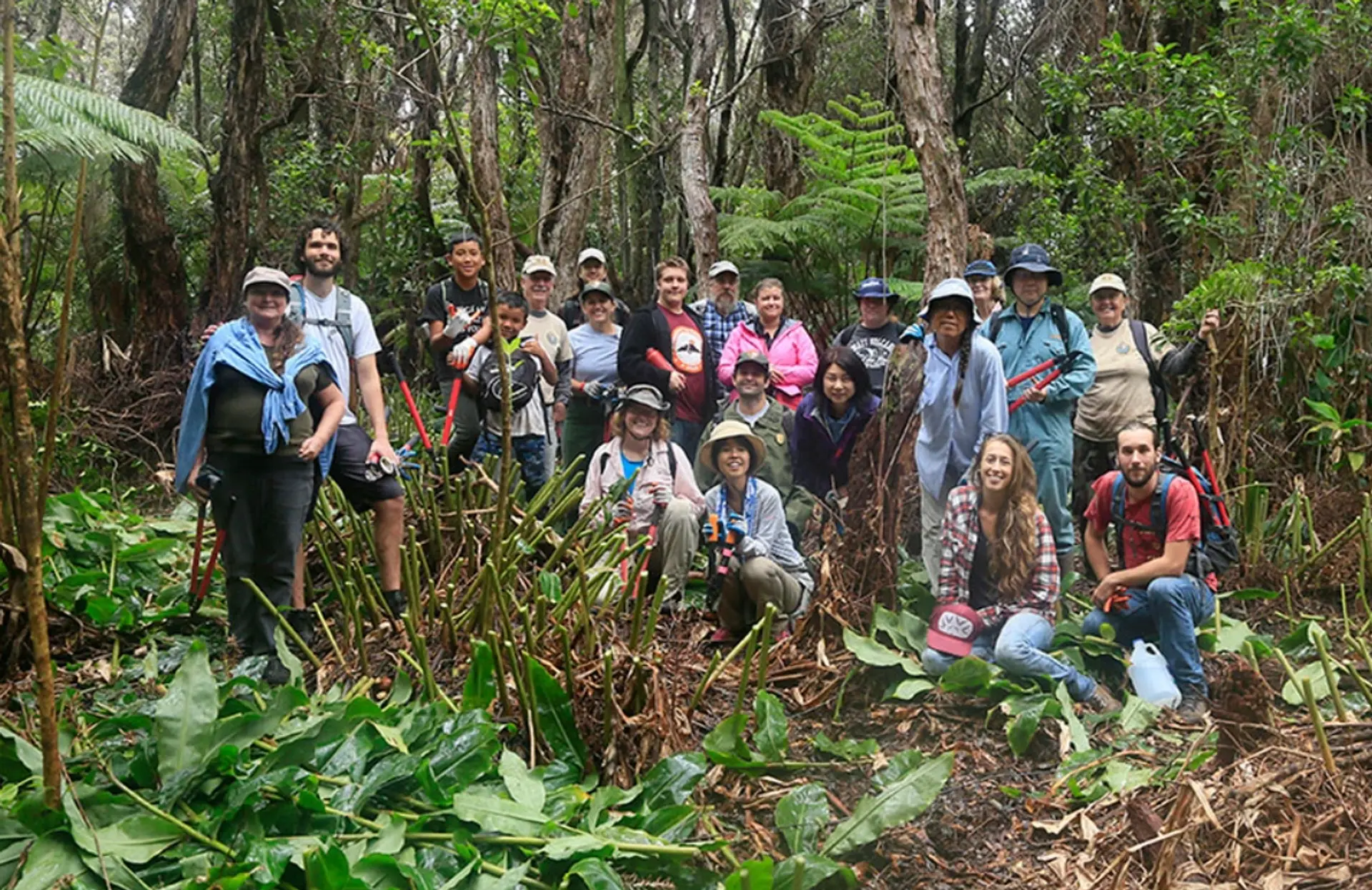
To find more ways to give back to the land, or simply learn more about it from the people who live there, take a look at Friends of Hawai‘i Volcanoes. In addition to trail maintenance and landscaping, this organization also operates cultural seminars, traditional concerts, artisan demonstrations, and guided hikes. They’ll even take you on a private tour of the park!
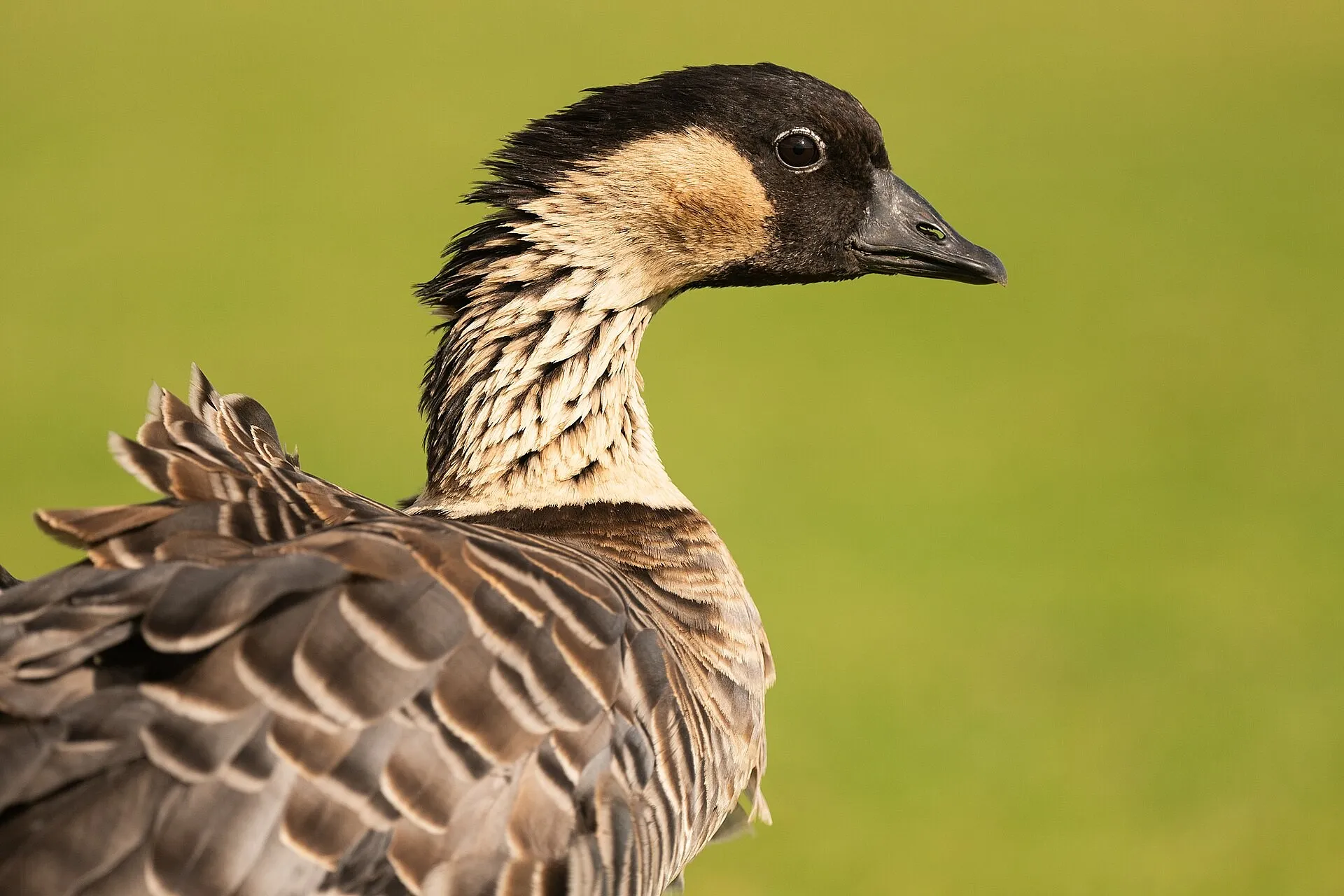
While you’re out there enjoying the scenery, keep a lookout for feathered friends. Hawaiʻi Volcanoes is home to some of the islands’ most iconic and beloved birds, like the adorable nēnē goose, the bright orange ʻiʻiwi, and the ʻio, also called the Hawaiian hawk.
See something flapping around that doesn’t look like a bird? It might be an ‘ōpe‘ape‘a — these rare little fuzzball bats are the only native land mammal in Hawaii. They roost in trees and come out at sunset to forage.
If you’d like to stay in the park overnight along with them, you have a few options! Volcanoes has two campgrounds. One (Kulanaokuaiki) is pretty rustic and tranquil, and the other (Nāmakanipaio) offers cabins as well as campsites.
For something a little cushier, try the Volcano House. Unlike some National Park lodges that fill up years in advance, this one is remote enough to keep most of the crowds away. As the name suggests, you’ll be sleeping right on Kīlauea, with a view of the glowing, lava-filled crater through your bedroom window.
Hopefully both you and Pele will get a good night’s sleep :-)