
Off-Grid Adventures in Costa Rica & What Drives Us to Travel
Hey there, Travelers,
Katy’s off in Senegal looking at giraffes (and stray cats, according to her recent photos), so you’re getting my thoughts today instead of hers. Don’t worry, I’ll keep it short!
I got back from my visit to freezing-cold Alaska about six weeks ago, and my itchy feet already have me considering where to go next. But I’m getting a little stuck on the question of scope. Common sense and my modest bank balance are telling me to keep things small. Jet fuel prices are sky high, they whisper. Stay closer to home. Don’t get too ambitious.
But travel is inherently an act of ambition, isn’t it? We fly across the world to break out of our comfort zones and see things we’ve never seen before, things we could never find back home.
These thoughts came to mind when I was reading about Navigator Kash’s escape to Costa Rica. All the best travel stories come with a little risk. Something that makes you wonder, “Am I going to regret this?” as you make the move.
Because, of course, you never do. Even if you strike out sometimes, the homers make the big swings worth it.
Happy trails,

Jake - Content Writer
The Wild South: Finding refuge in Costa Rica's quiet corner
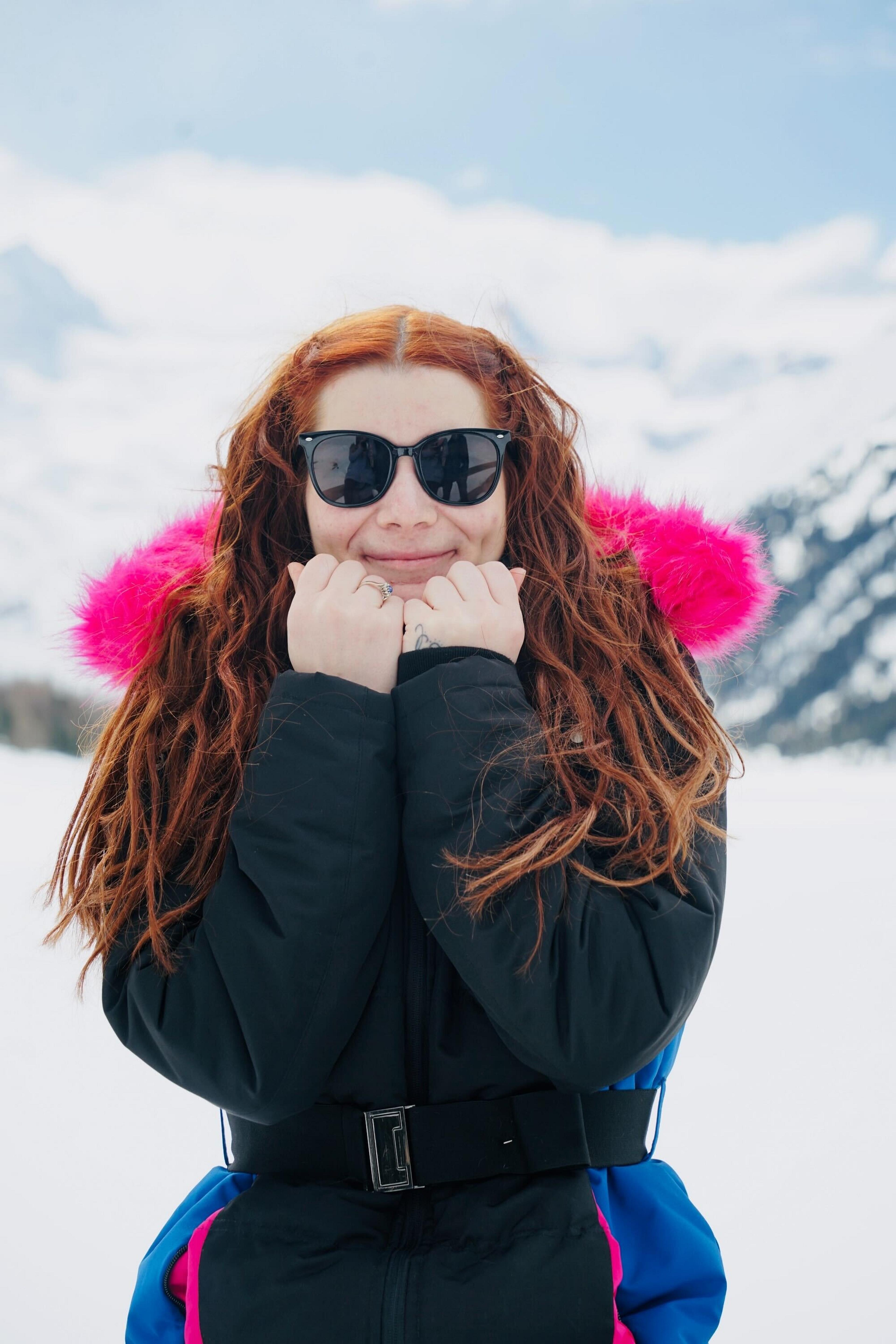
By Kash
With journeys spanning more than 30 countries and ten years, Akasha's best memories live in the pages of her passport. She always consults her tarot (and her cats) before any big trip. Currently based in Ireland, when she isn't travelling, she’s probably drawing in a café somewhere.
It was 2020. The year of the rat, the year of rest, the year of reckoning. Depends on whom you ask.
For me, it was a year of stupid travel choices.
From my bleak communist-era apartment on the outskirts of Ljubljana, I did everything I could to stand still during Slovenia’s strict lockdown. I taught myself to draw. I studied the tarot. I tried my hand at bookbinding and adopted two cats for better company. Lord help me, I even fell prey to the great dropshipping scam of 2020.
Caged in an echo chamber of paranoia, I did my best to “socially distance” from the conspiracy theorist (read ex-husband) living in the 100 sqm flat with me so as not to be buried under an avalanche of canned goods and RFK Jr. manifestos.
But from my balcony, the Julian Alps mocked me. Serrated against the skyline like the spine of a slumbering dragon, they spoke to a yearning for something feral. An untouchable magic. Relief from the tight-coil dread of my four walls. And before long, I was hatching an escape plan.
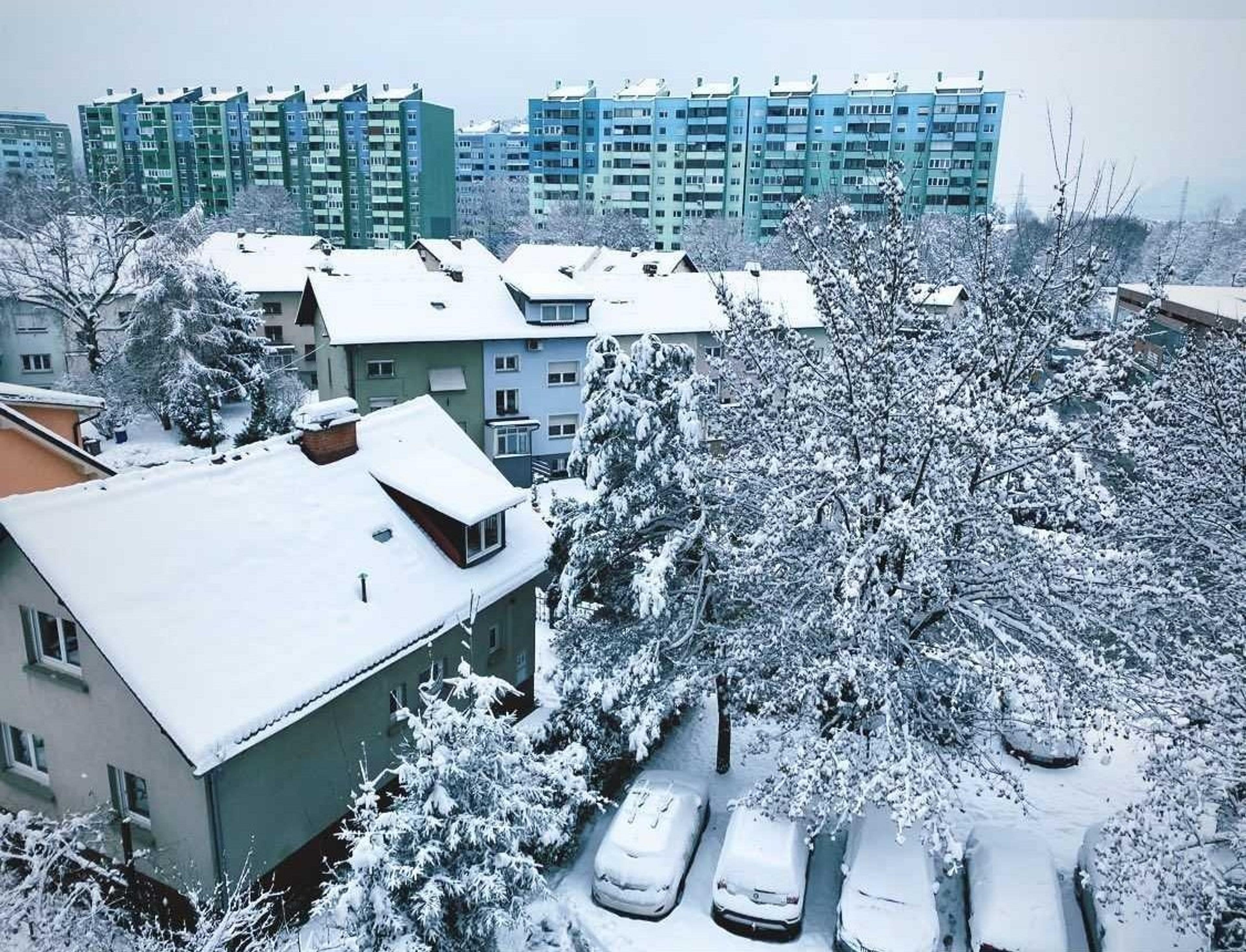
Now I probably should pause here to offer a massive, neon-signed disclaimer: In hindsight, I am fully aware that traveling during a global pandemic was objectively one of the most selfish, short-sighted things I could have done. But I was in my 20s, my frontal lobe undeveloped, my AuDHD undiagnosed, and I was a restless idiot with a very low threshold for isolation. Little did I know that I’d end up so far off the beaten track I would barely have a phone signal, let alone see another tourist.
But with very few countries open to tourism, our options were slim.
Enter Costa Rica.
It was never on my list of places to visit. I am not an easy, breezy beach girl; give me lungfuls of mountain air any day. My version of hell? Sand-crusted, wet sandals.
Thus began the most arduous travel of my life. Jobless, we sat for one last kava on the balcony. Windswept, our silent wish of well-being drifted to the top of Mt. Triglav. “Please, please let this work out.”
Thanks to a sudden border closure, the jury was still out. What should’ve been a simple one-stop flight became a multi-day odyssey through Italy and Spain, kittens in tow.
In total: six trains, two planes, two overnight stays, a lost laptop, a pet passport, our entire savings, and exactly one shoe.
Not to mention a considerable chunk of my sanity, probably left behind somewhere above the Azores while I was attempting to persuade my cats to use a collapsible litterbox in the airplane bathroom.
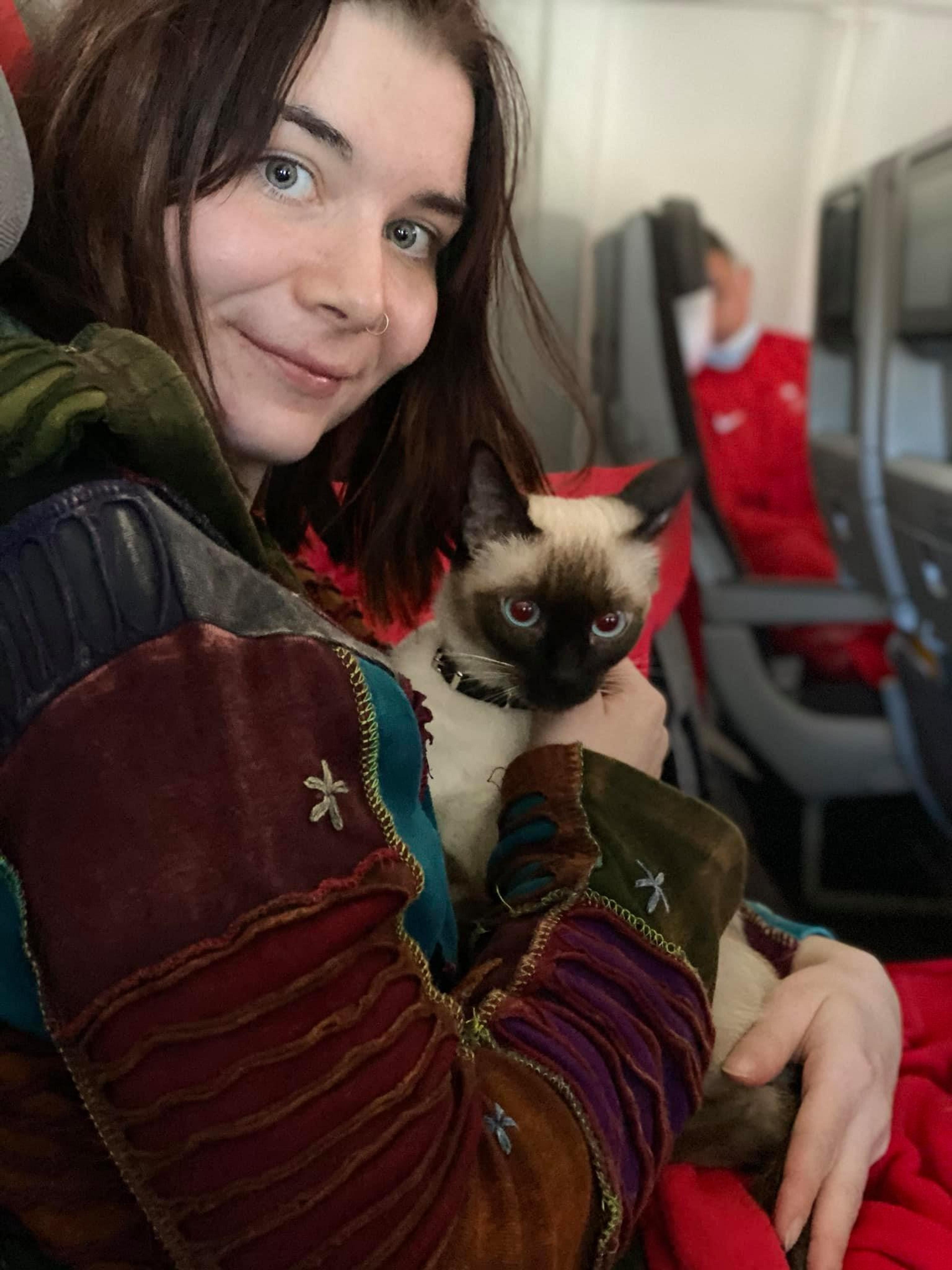
After 4 days we finally made it to Costa Rica’s capital, San Jose. The only thing separating us from our new abode? A 5-hour ride to the jungle.
Perched on the border of Panama, among the wilds of the cloud forest, sits the overlooked town of San Vito. Its lush palm groves and banana plantations give way to orderly rows of deep-green coffee bushes, seemingly drawing an invisible border between here and everywhere else. Rarely do foreigners come here; this is as Tico as it gets.
It was mainly virgin land until the early 1950s, when Italian immigrants came to the area searching for a new life. With the assistance of the government, over 100 families built their community in dense forests, bringing with them their language, agricultural skills, religion, and a taste for coffee.
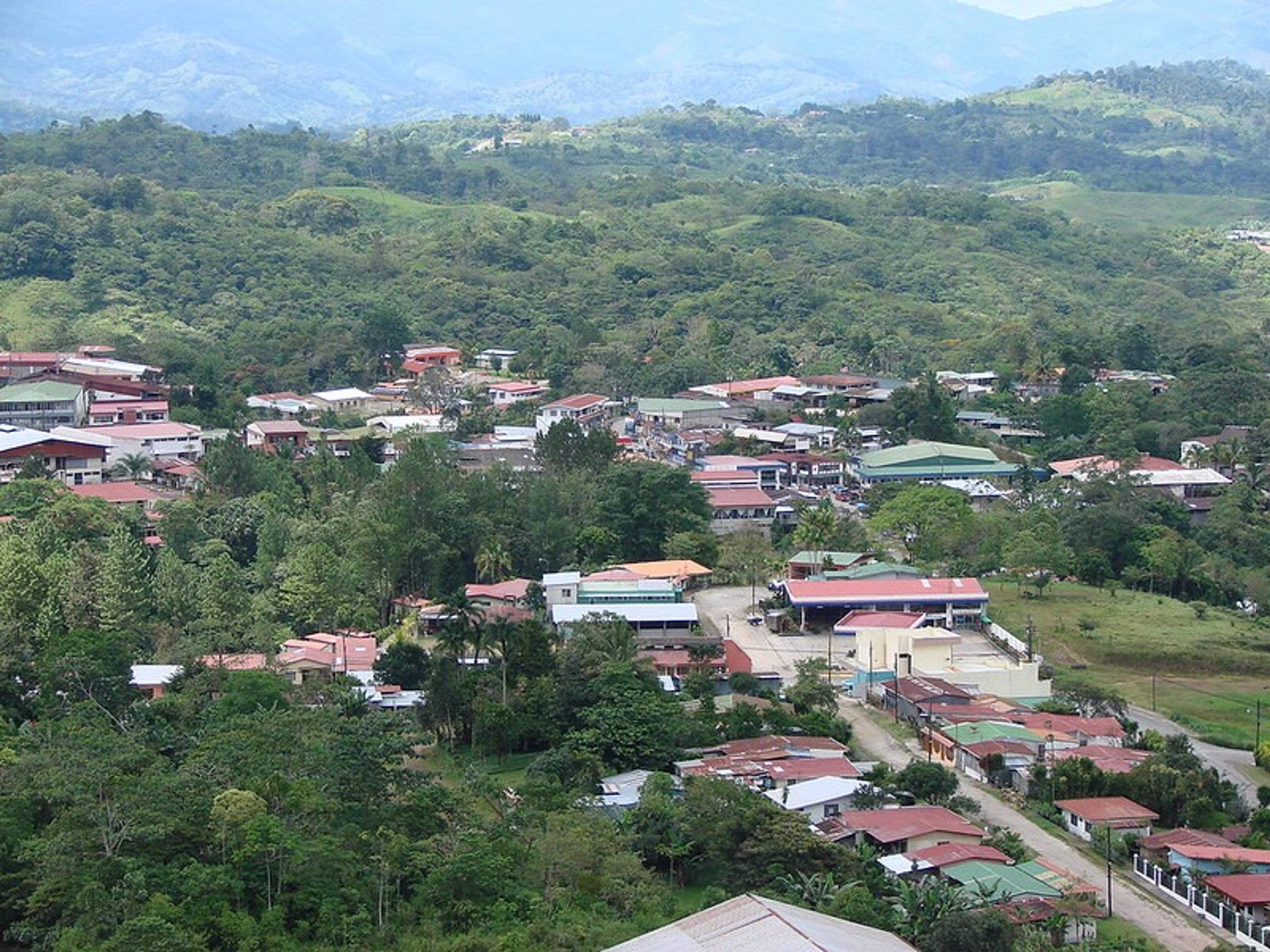
During my stay, I learned from Luis, the sole taxi driver in the area, that many locals had a particular soft spot for the 1980s. The Pan-American Highway hadn’t yet reached here, keeping the town somewhat isolated. Traveling the long road to San Jose for essentials took a sturdy 4×4 and a lot of luck. By then, the town had fully established itself as equal parts Italian and Costa Rican.
Pasta and pizza were (and still are) commonly served next to plantains and gallo pinto. Italian and Spanish drifted effortlessly between schools and street corners. It was difficult to see where La Dolce Vita ended and Pura Vida began.
Today, San Vito’s Italian heritage is slightly more subtle, but you’ll still find Lillian’s Pizzeria sliding doughy pies from their brick oven.
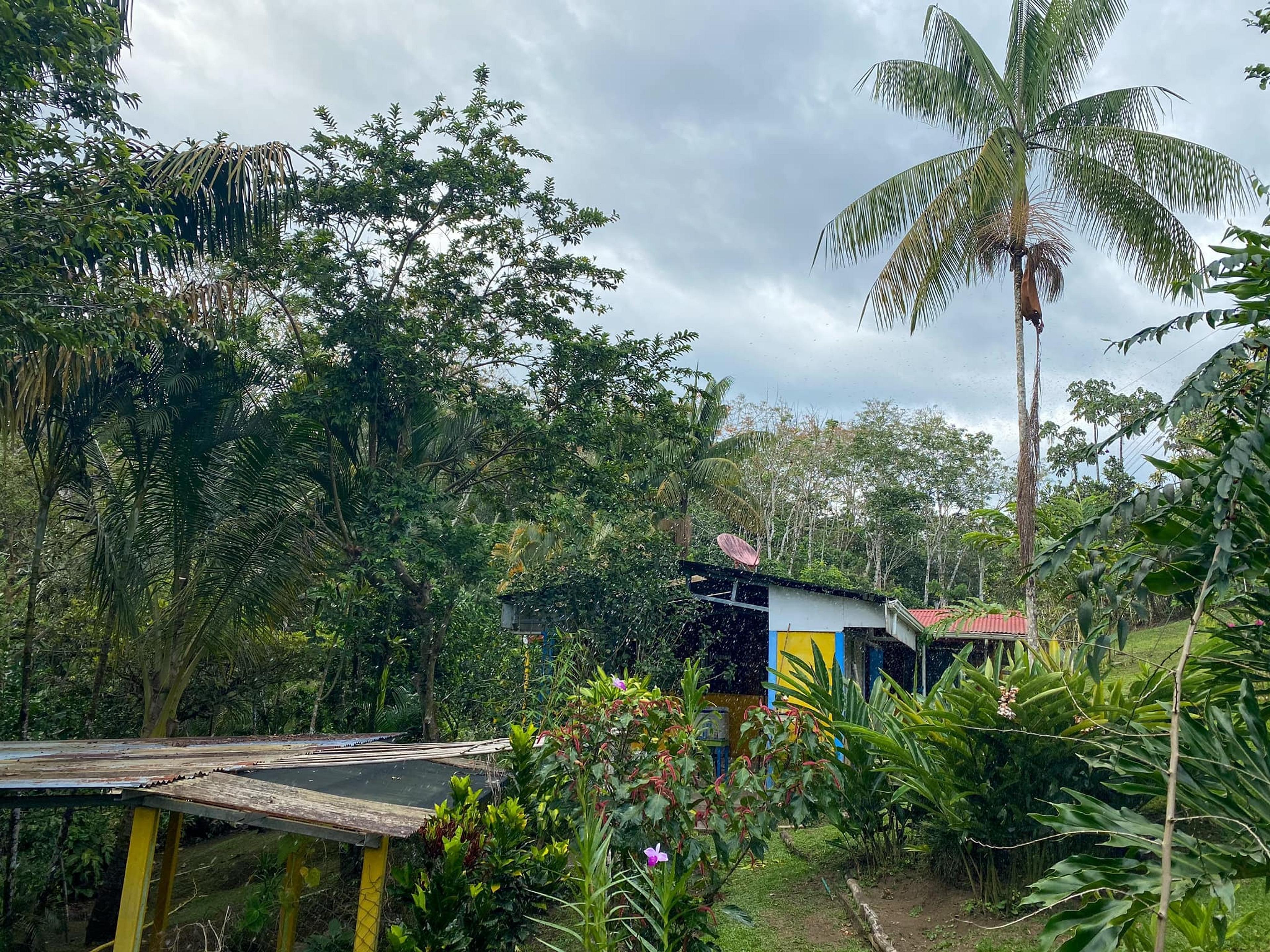
The rental I had found online lived up to its rustic description. A refuge in the thicket of the jungle on an acre of banana trees, pineapple, bamboo, and tropical plants. The only sound here was the pulse of cicadas in the midday heat — relentless at first, but something I’d grow to miss.
The listing promised “living in harmony with nature,” and with only chicken wire separating our kitchen window from the outside world, amity meant being gentle while shaking scarab beetles and scorpions out of my boots.
A local warned me to always keep my eyes on the cats, as it wasn't uncommon to fall prey to poisonous snakes and frogs or to be scooped up by a crested caracara or a black hawk eagle.
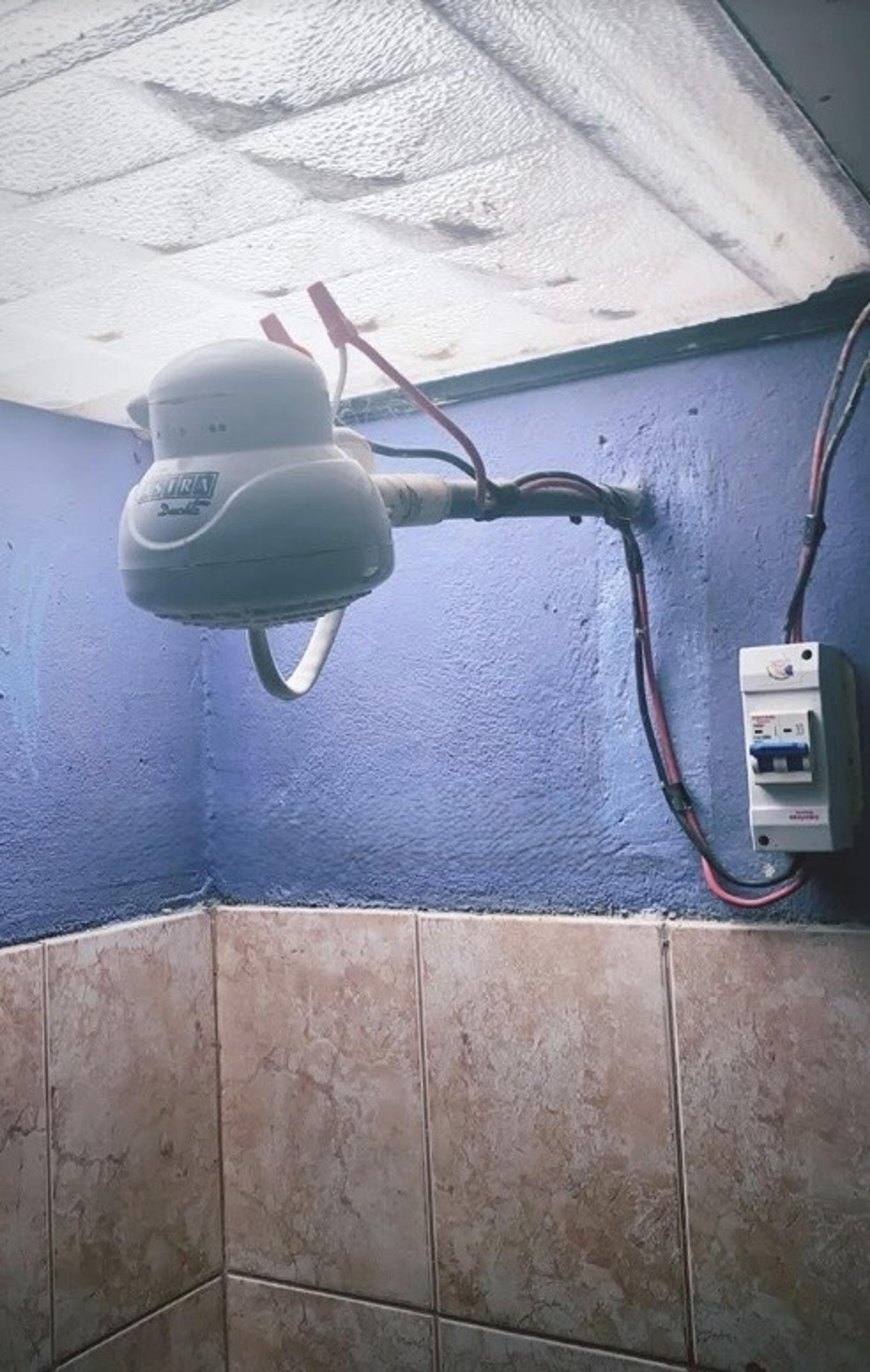
One thing more terrifying than a scorpion's sting was the delightful, daily gamble of showering at my new abode, a thrilling game of Russian Roulette where your cold shower came with the possibility of a light electrocution.
Our weekly grocery run was a chaotic 20-minute scramble up a terrifyingly steep hill before flagging down a bus to take us 30 minutes to San Vito. In the rainy season, it was a slick, saturated deluge that was often impassable thanks to frequent mudslides. Witnessing a family of four all squeezed together on an ATV braving the sludge and the rain, complete with a baby in a vegetable crate strapped to the back, I knew I had so much to learn about resourcefulness.
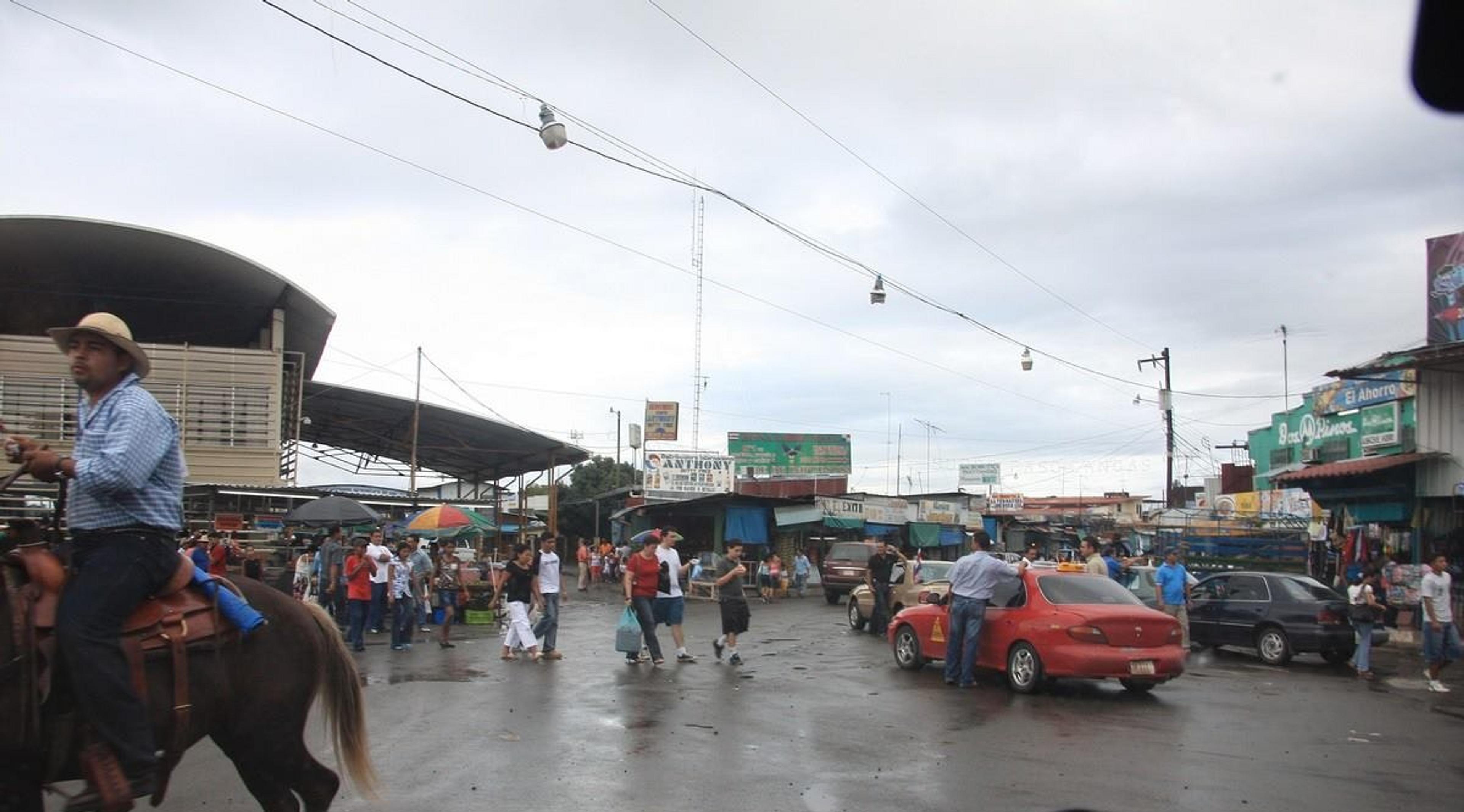
Anything more than essentials required a full-day outing with a taxi and two buses to the chaotic town of Paso Canoas on the Panama border. And yes, in case you haven’t gathered by now, I am absolutely the type of person to wait in line at immigration just to buy half-decent cat treats.
The isolation didn’t bother me at first; in fact, it was welcome. To pay the rent, I taught English online to Chinese students. Any spare time was mostly spent drawing, perfecting the art of the Costa Rican coffee sock and snoozing in the hammock with the cats.
And when rainy season rolled in and opened the heavens on the corrugated tin roof above us, there was nothing like it. A deafening, metallic roar that swallowed the jungle whole. I couldn’t speak, couldn’t think, just endured a magnificent, violent cleansing of a tropical shower. With the uncertainty of the world and my life’s trajectory weighing heavy, it was the one thing I could count on to bring me back to the present, no matter how hard the days.
Eventually, the outside world beckoned. A dusty book inside the house told me of the fjords of Golfito on the Osa Peninsula. One of the only four tropical fjords on the planet, yet they go largely unnoticed by throngs of foreign visitors — including myself. Who knew tropical fjords existed?
But it's precisely this secluded allure that draws a distinct type of traveler. Those who understand that the true meaning of Pura Vida is not found in the manicured, gentrified resorts but rather in the raw, untamed beauty of places seldom trod.
Dense emerald rainforests and mangroves drop directly into the sea, resulting in calm, sheltered waters absolutely teeming with marine life — a breeding ground for humpback whales, hammerhead sharks, and dolphins. An hour from Golfito, the remote coastline of Pavones is known for having the longest left-hand surf breaks in the world. But without a car, it was impossible for us to reach this forgotten corner.
We often brag about where we’ve traveled, but rarely do we share that exact moment that led us to book the ticket.
Perhaps it was a birthday milestone, a longing to trace your roots, or a realization you long for the road less traveled. Maybe it was the desire to transgress your comfort zone or an enduring (or not so enduring) love that made you book the first ticket out.
We’re calling this project “Why’d You Go?”, hoping to gather our community’s most moving stories to feature (with your permission, of course) in upcoming Detours.
For those of you needing a little inspo to get your juices flowing, here’s member Elizabeth’s why:
“My why happened on 14th September 2022 when my Dad passed away. I had just returned from my first solo trip round Portugal, and my parents from a cruise to Norway. He passed away 5 days later.
My best friend managed to persuade me to go on a trip to Verona and Lake Garda in December. Don’t get me wrong, I have travelled before, with friends, family, etc., but this trip was a lightbulb moment. I recall it finally hitting me that people actually do die, and I have a bucket list of places I wanted to visit.
Since then I have travelled far and wide, always taking my Dad’s memory with me and doing a mix of solo travel, with friends, volunteering, and also sometimes with my adult son. In early 2025 I started a project to bring my family tree to life and I am following my ancestors around the world. This even took me on a one month trip to South America where I followed their footsteps from the late 1870s to 1926.
I am not going to be on my death bed with any would have, could have or should haves. The nurses are going to be inundated with stories of different cultures and people I have met along the way. Maybe they will be influenced to go see the beauty in the people and places of this earth too.” - Elizabeth
Over to you, community! What made you take your most memorable trip? Share your why here 

Pick of the Clicks
All the important (or silly, or strange) travel news from across the web this week.
- Traveling to the EU with a furry friend? Check out the new pet passport rules first.
- A portal to an "ancient, invisible realm" just opened up in Kampala. Despite the apocalyptic headlines, it's actually a huge win for Ugandan traditional culture.
- Skytrax just ranked their top ten best airports for dining. It's mostly the usual suspects (Is there any category that Changi can't win?), but there are a few surprises too, including one from Texas.
- Imagine walking home from the pub late at night and suddenly finding yourself nose-to-horn with a wild rhinoceros. It's probably just a vision brought on by bad whiskey... unless you're in Nepal.
- And finally, here's the Guardian's guide on what to do if fuel shortages impact your summer trips. Fingers crossed you never need it
