Japan in 7 Days - The Jack's Flight Club Itinerary

Katy Maclure
Any day we see a great value flight to Japan is a day that leaves the Jack's Flight Club team completely hyped. So hyped, in fact, that our very own Navigator and marketing whiz Robyn just couldn’t say no when she saw a fantastic fare, even though she only had a week to spare.
That just leaves one question… how do you decide what to do when you only have seven days in Tokyo? Don’t worry, we’ve got you covered.
Day 1
You land in Tokyo in the morning, more than a little tired from all those hours in the great sardine tin in the sky. Part of you wants to go for a nap before you head out into the buzzing city, but your head knows that you’re on limited time. And you can’t check into your hotel until 3PM.
So you drop off your bags and head to Shinjuku. It’s known for its buzzing nightlife and neon lights, but you’re probably not quite ready for all that. Instead, take a stroll through Shinjuku Gyoen National Garden. It’s a hot spot during the spring cherry blossom season, while the autumn chrysanthemums and huge tropical greenhouse make it worth the trip year-round.
Grabbing some food will no doubt be on the cards before you move on to the fluorescent pop art haven of the Yayoi Kusama Museum. The only problem with choosing where to eat in Shinjuku is too much choice, so we’d start easy with some affordable sushi, ramen, gyoza, and more.
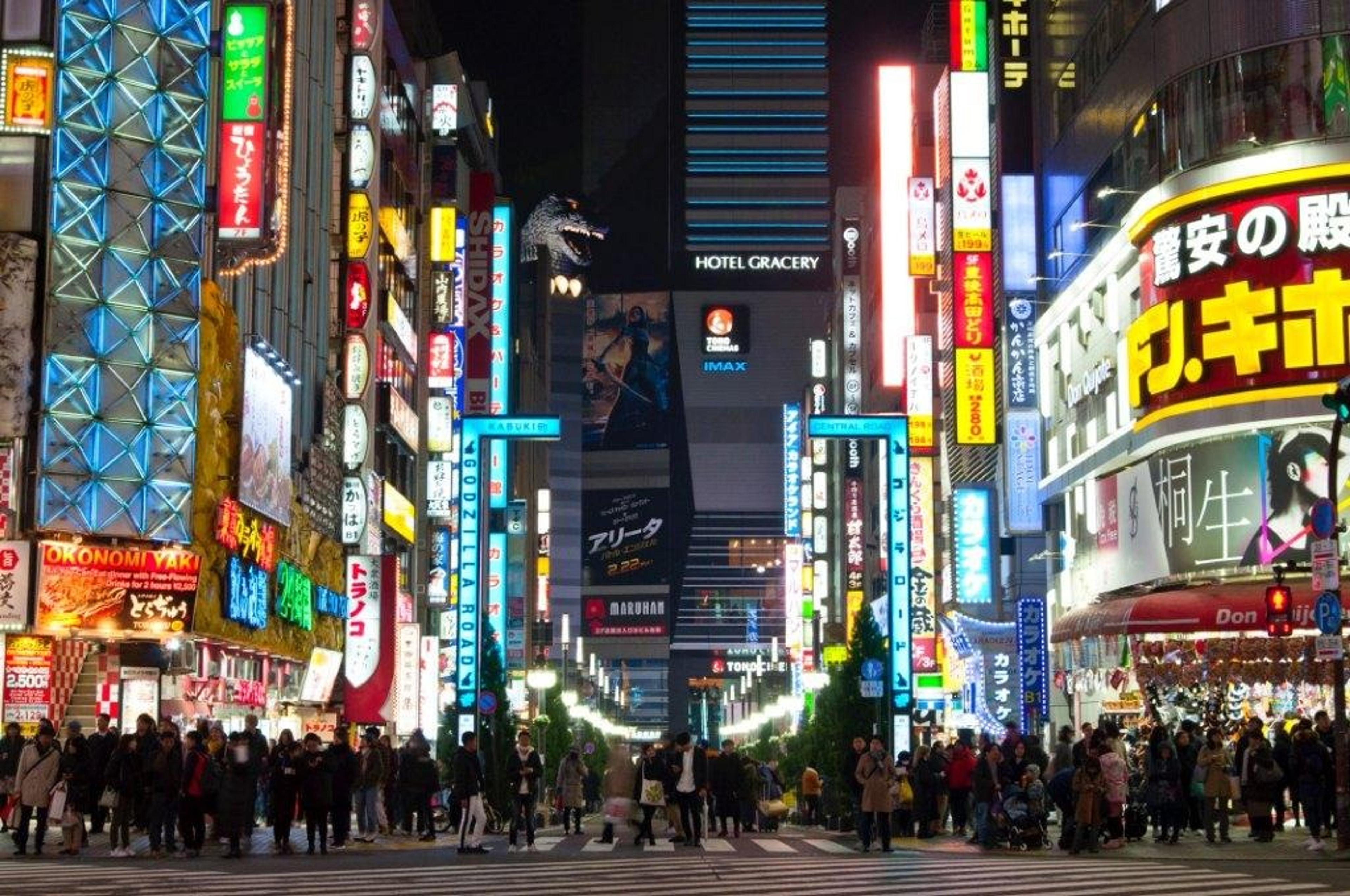
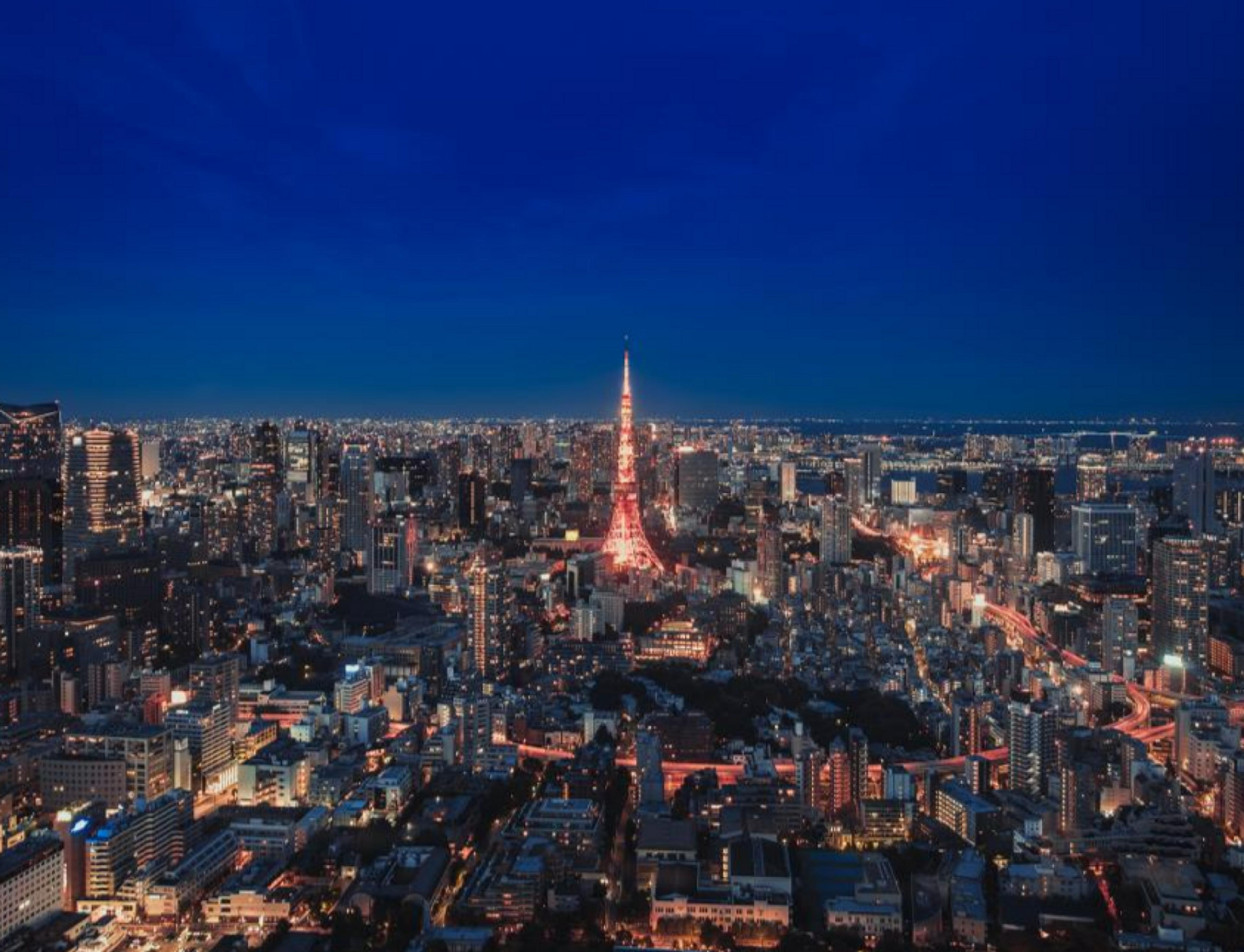
Just before sunset, ideally on a clear day, make your way to the Tokyo Metropolitan Government Building’s free observation deck. You’ll get phenomenal views across the city, and in the winter months you’ll likely even spot Mount Fuji off in the distance to the west. Back on ground level, fill your belly with some hearty ramen and say hello to Godzilla (well, his head) before hitting the hay.
Day 2
Refreshed and ready to go (no jet lag on this trip, thank you very much), it’s time for some temples and shrines. Senso-ji Temple is the oldest, and by far the most famous, in the city, so prepare for crowds no matter when you visit. It’s a must-see, but we’d also short-list a couple more.
The Gotokuji Temple, for example, is said to have been the birthplace of the lucky waving cat figurine, so expect to see more than just one or two here. The serene Jindaiji Temple, on the other hand, is the second oldest in Tokyo, dating back to the 8th century. Against a woodland setting, the temple holds daily fire ceremonies and festivals throughout the year.
As for shrines, it’s all about Meiji Jingu and its massive forest, just minutes from busy Harajuku. It’s one of the most important spiritual spots in the city, and the scenic grounds are a popular spot for traditional wedding ceremonies. But if you’re one of those people who’s always losing or breaking their phone, make sure to stop at the Kanda Myojin Shrine, too, aka “the world’s geekiest temple”.
A visit to Meiji Jingu should be paired—or maybe contrasted—with a trip to colourful Takeshita Street. Even if you hate shopping, you’ve got to experience it at least once. If you love shopping… well, brace yourselves.
Day 3
Get up early and pack some of those famous Japanese snacks, because we’re off to Mount Fuji. There are a few different ways to do it, so here’s what you need to know:
Climbing the mountain will take at least 6 hours, and that’s if you know how to power through. And then the descent will take you at least another three, so when we say "get up early," we mean it. There are four routes up, but to keep things simple, we’d recommend getting the bus directly from Shinjuku Bus Terminal to Subaru Fifth Station, which is the start of the Yoshida Trail.
If you can spread the hike over two days, do! This trail has plenty of facilities, with vending machines, mountain huts to bunk down in, and even a post office (in case you just can’t wait to send your postcards). Making good headway one day means you can be right on time for an awe-inspiring sunrise ascent the next.
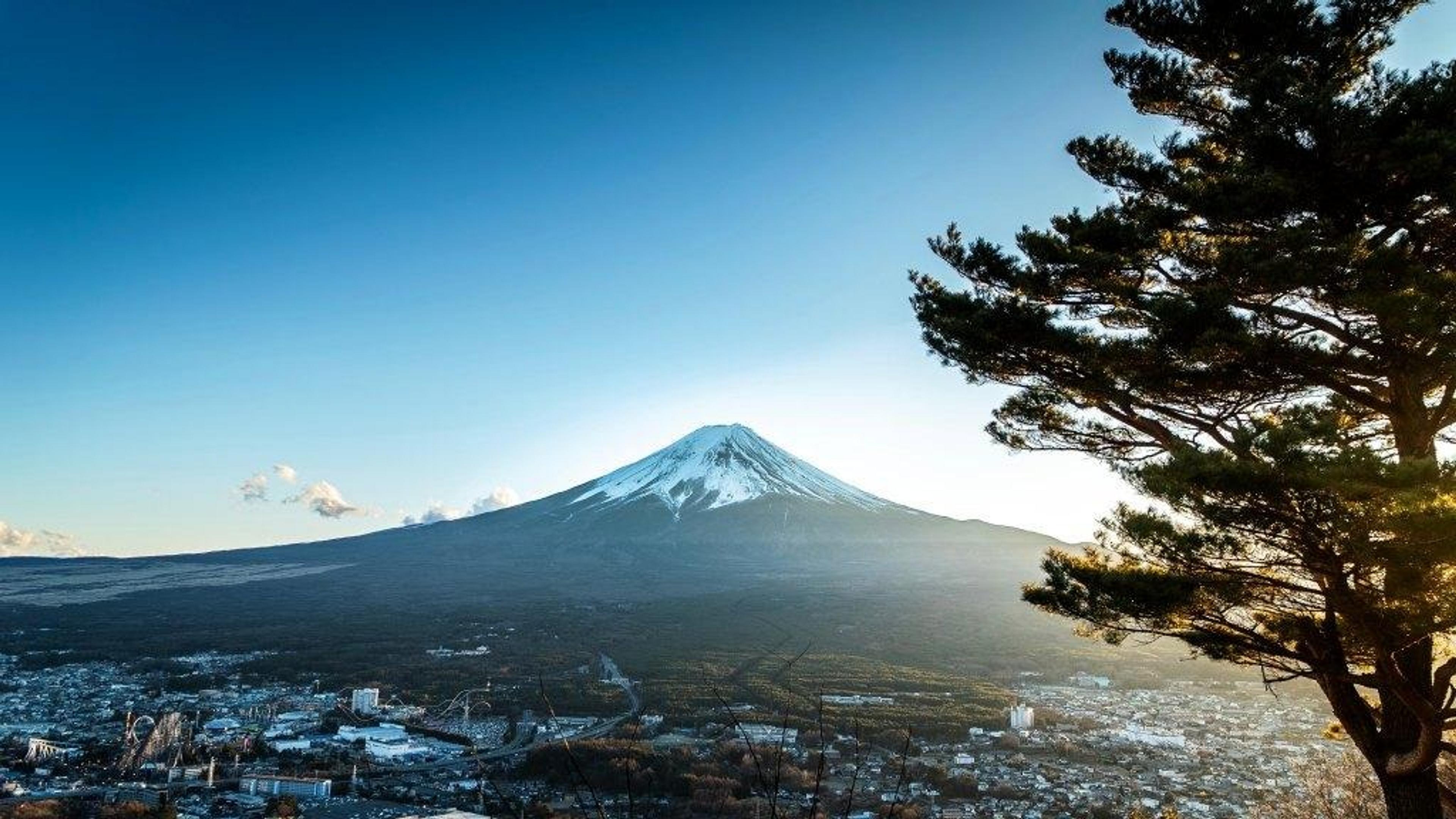
Now, not everyone is a hiker, and that’s okay—we all deserve to take in some epic views of Fuji-san. The Hakone area is known for its onsen (hot springs), museums, and traditional ryokan guest houses, as well as its serious vistas. It’s also said that black eggs cooked in the sulphuric vents of Owakudani will add 7 years to your life, so leave some room!
The other option, allegedly with some of the best views of Mt. Fuji in the whole of Japan, is Kawaguchiko in the Five Lakes region. There are no prizes for guessing why you should take the Mt. Fuji Panoramic Ropeway, but sights like the Maple Corridor will give you a reason to divert your gaze during autumn visits. Make sure you eat like a local while you’re there and try the Hōtō noodles.
Day 4
We’re on a tight schedule, so it’s off to Kyoto for a couple of nights via a much-hyped Shinkansen journey. A bento box is a necessary part of any Japanese train trip, and Tokyo station is just the place to pick one up. Some of them come in boxes that look even better than they taste, and if you want a little keepsake, go for one that looks like the train!
Those 2 hours and 15 minutes will whizz by, with Mount Fuji making another appearance around 40 minutes in. Part of the fun of train travel in Japan is that while they take it seriously, they love to add a bit of whimsy. Even with only a week in the country, you’re bound to spot at least one themed train. Studio Ghibli fans should also keep their eyes peeled for the tiny Totoro out the left-side a few minutes before the stop for Maibara.
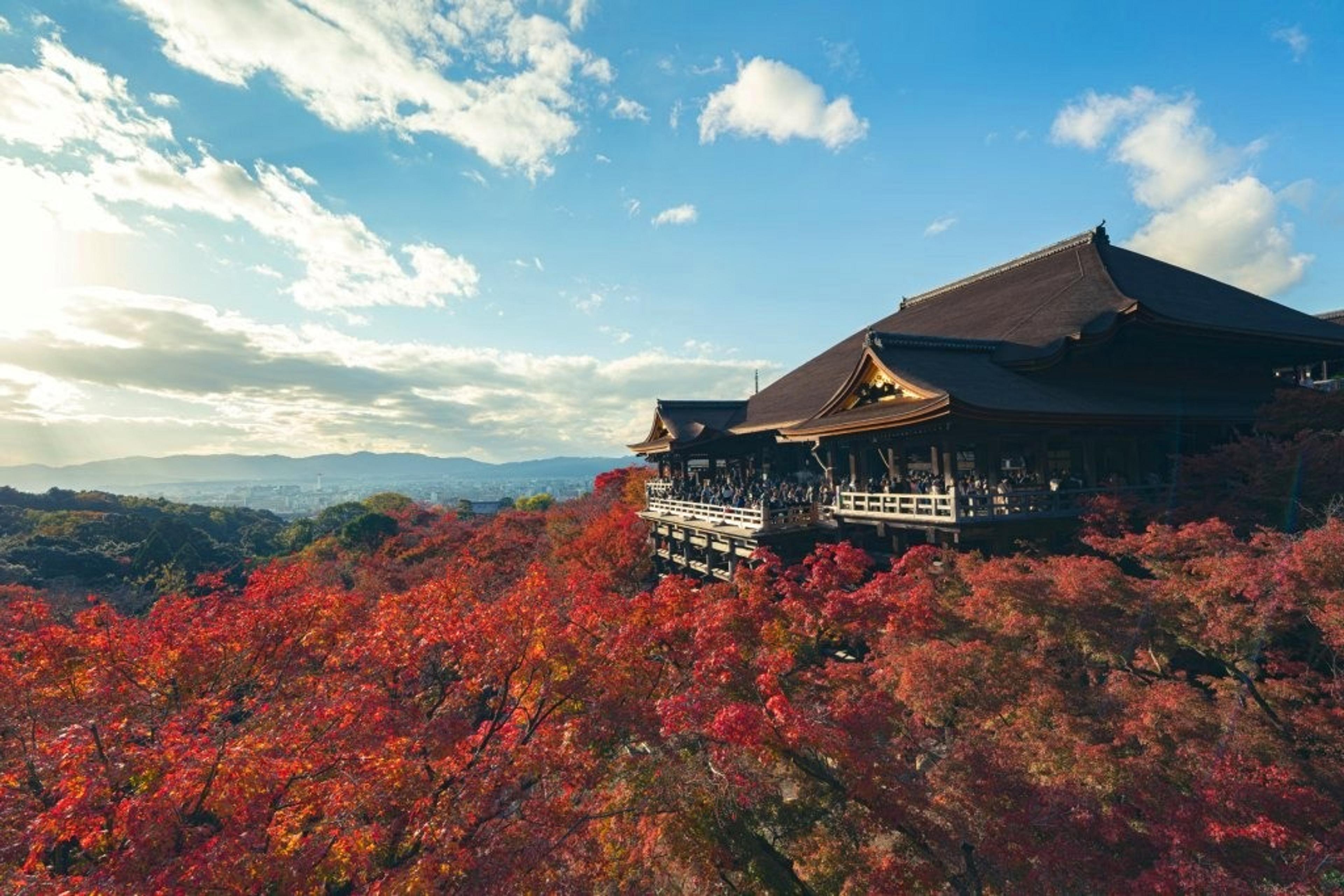
Once you’ve dropped your bags at your accommodation, get straight back out the door for more shrines and temples. Kyoto has plenty to choose from, but favourites include the Okazaki Shrine dedicated to rabbits, a symbol of fertility and safe childbirth, and the famous Kiyomizu-dera, with panoramic city views over the cherry blossoms or maples (depending on when you go).
Later in the day, make your way to Fushimi Inari Taisha temple. Its thousands of Torii gates have become such a popular photo op that visiting during the day can be unbearable, to say the least. But push past the initial crowds (maybe not literally), and you’ll be rewarded with a treetop outlook over Kyoto, beautiful statues and thousands of colourful origami cranes.
Day 5
The Arashiyama district is calling this morning, and it won’t take you long to be intrigued. As soon as you get off the train, you’ll be confronted with an art installation like no other—the Kimono Forest. Start the day by following it all the way to Tenryū-ji Temple, then end it when the LED-lit kimonos guide you home.
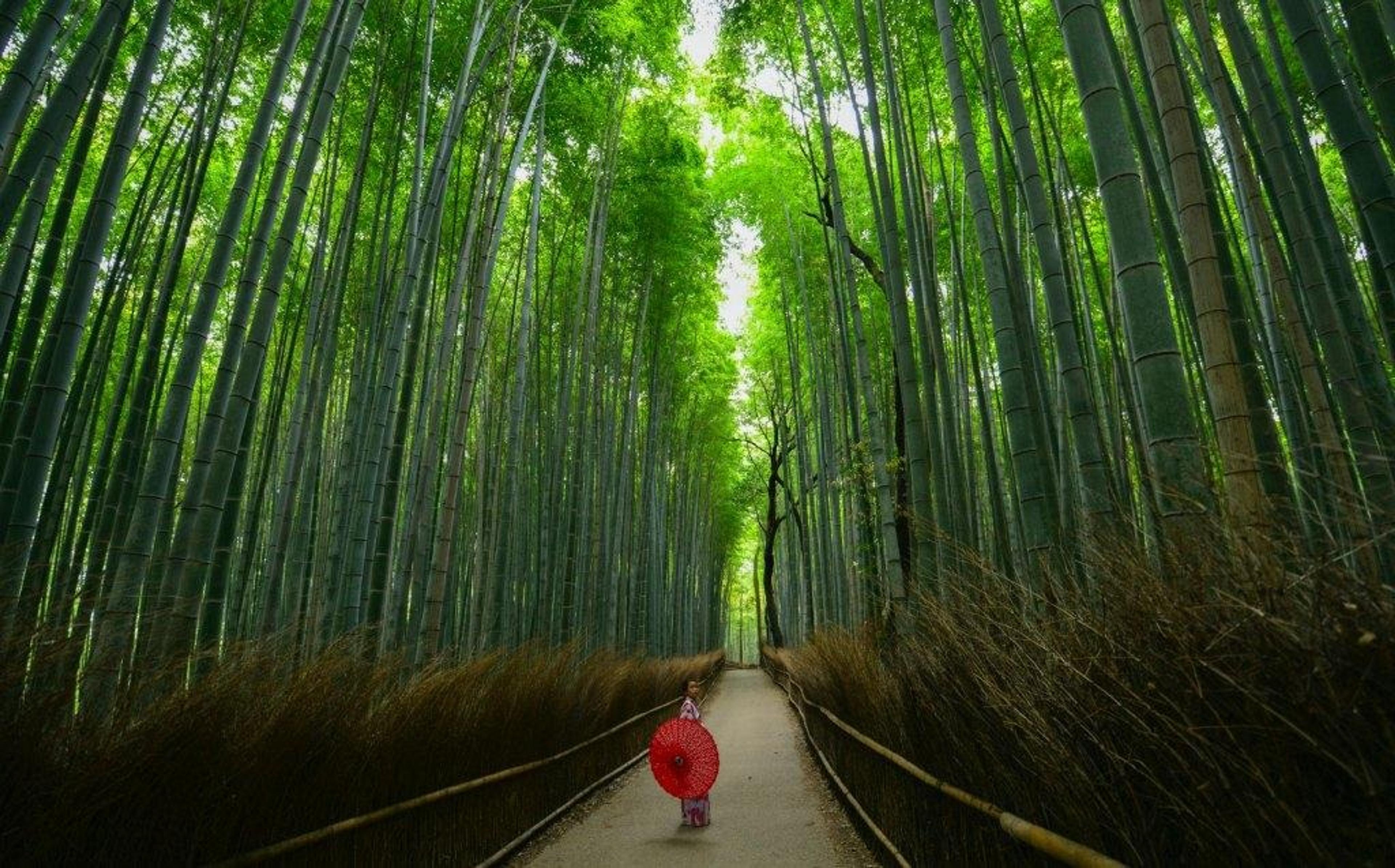
You can spend hours just meandering through Arashiyama’s otherworldly Bamboo Grove, which (somewhat surprisingly) has more to see than just bamboo. Make a stop by the Katsura River to watch the traditional wooden boats travelling downstream, and then get up close and personal with Japanese macaques atop Mt. Iwata. Just secure your belongings first — you know what monkeys are like.
When it comes to food, you might be inclined to visit atmospheric Pontocho Alley for your evening meal. The traditional wooden buildings and dark, narrow corridors in this historical geisha district give off some seriously mysterious vibes, but inside you’ll find cosy restaurants and bars serving anything from simple yakitori skewers to potentially deadly fugu.
Day 6
Before catching the train back to Tokyo, there are a few more spots to tick off the list.
Ever heard of Nintendo? Well, it all started here. Back when it was a trading card company in the late 19th century, Nintendo ("Marufuku Co. Ltd" in those days) set up shop in the building, which has since become a hotel. You can pop in for a look around, or book a room for around 100,000 yen (£550) per night.
A wander along the Philosopher’s Path is obligatory during sakura season, especially when the fallen blossoms turn the canal pink. The vibrant reds of autumn foliage keep the route popular later in the year, as well, while the local friendly cats make it a delight no matter when you visit.
Once again, it’s time to think about snacks, be it for a pre-train meal or to go. Or both. Nishiki Market is the place to go, serving all the favourite Japanese delicacies—and some a little more intimidating. Rice crackers with your choice of seasoning, all kinds of fresh sashimi, matcha sweets and ice cream… and then there’s the tako tamago, aka grilled baby octopus stuffed with a boiled quail egg. Not for everyone, we’d guess.
For your final night back in Tokyo, head to one of the city’s buzzing nightlife districts to make sure your holiday ends on a high.
Head to Shibuya for easy access to all the bars, restaurants and arcades you could need. Or back in Shinjuku, you’ll find the city’s gay district, as well as the old-school alleyways of Golden Gai. The Roppongi area is particularly popular among expats, with upscale bars, jazz clubs and total dives all nestled in together. But for one last fancy cocktail and the finest sushi, make your way to Ginza.
Day 7
You’re all packed and begrudgingly ready to go, but you’ve got a few hours left before hitting the road to the airport. It’s time to think about souvenirs, and if you didn’t already know, KitKats are the answer. The range of flavours in Japan is absolutely wild (apple pie for me, please), so pick up a few bags to take home!
The Tokyo Skytree—the world’s tallest tower and second-tallest building—is the last spot on the list. Japan’s tallest structure is hard to miss from the outside, but it’s also a good place to drink in the view over Tokyo one last time.
We know loads of you absolutely love Japan, so leave your comments to let us know what you’d do if you only had one week there! In return, we’ll share as many pics and tips from the Jack's community to help inspire your adventure.