Getting Prepared & Getting Off the Map
Hey there, Travellers,
It would be weird not to start by mentioning the elephant in the departure lounge this week—the war in the Middle East that has been unravelling rapidly before our eyes.
Aside from the obvious impact on civilian lives across the region, the global travel industry has also been scrambling to keep things moving. With major transit hubs in the Gulf states closed for business or severely disrupted, there have been endless stories of stranded passengers, last-minute cancellations, and minibuses carting people across borders to the nearest departure point.
All that to say, we at Jack's hope you're all staying as safe as possible out there. If you're reading this while stranded abroad, I really hope you're stuck on a glorious beach in Southeast Asia. And for anyone setting off on a trip soon, cast an eye over our recently updated travel contingency checklist below to help put your mind at ease.
Happy travels and safe landings,
Katy - Editor of The Detour
How to get to some of the most remote places on earth
Sometimes you just want to get off the beaten track and delve into the more isolated corners of the world. However, getting to these places can often be both challenging and expensive. We've put together a guide on how to get to some of the most remote places on earth for cheap.
This list is not an exhaustive guide, and we'd highly recommend doing your own research before making your way to the places below.
1. Gurbantünggüt Desert, China
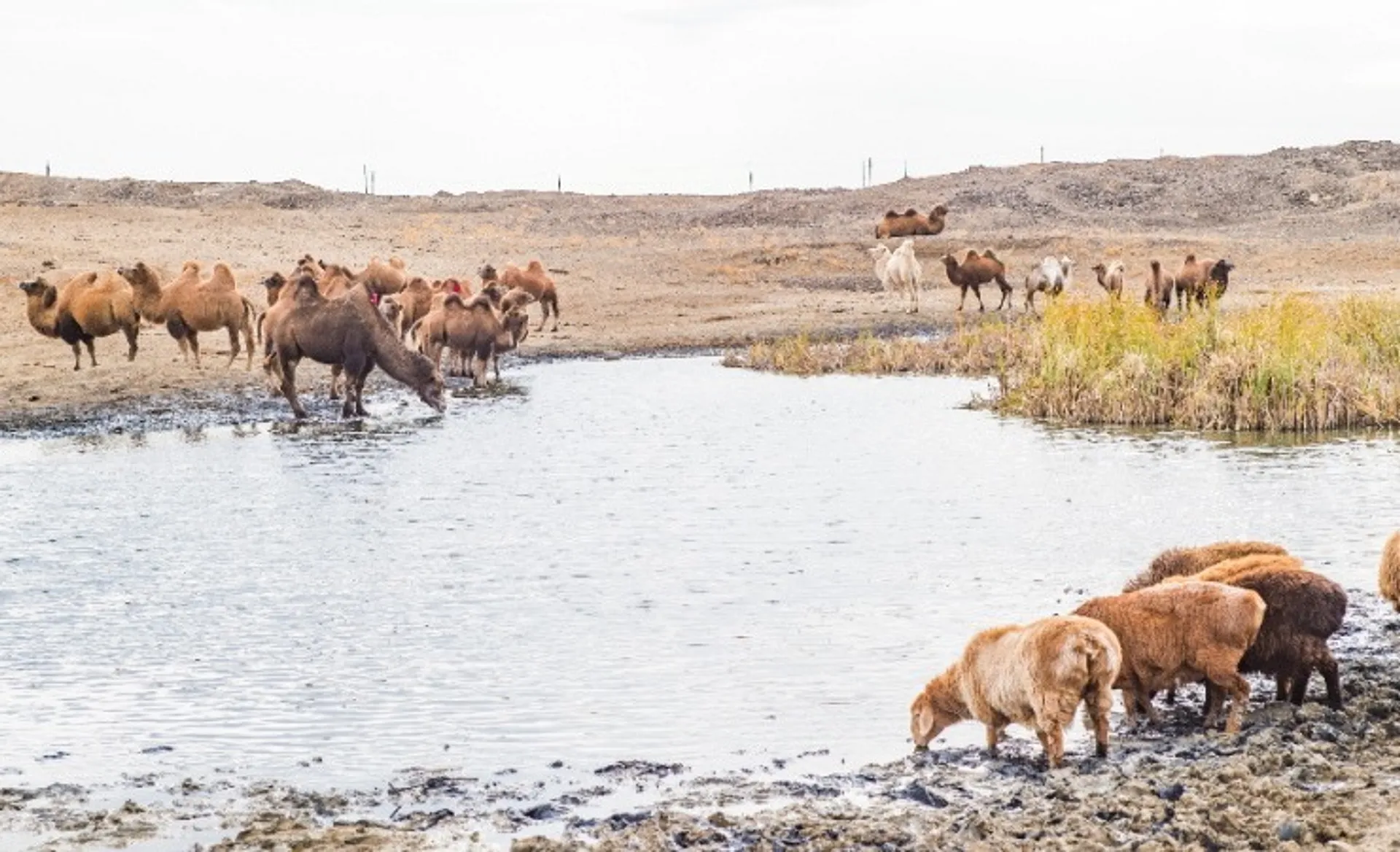
Sandwiched between Kazakhstan and Mongolia, the Gurbantünggüt Desert is located in northwestern China. It is the country’s second-largest desert behind the Taklamakan Desert and occupies 50,000 square kilometers of Northern Xinjiang.
It’s one of the most arid areas of the world, but the nearby glacial mountains of Tian Shan are a major water source for the province, providing valuable hydration once the snow melts. Spring is the best time for a spot of desert trekking, when blooming flowers stand out against the sandy backdrop.
How to get there
To get to the Gurbantünggüt Desert, you can take a flight from London to Ürümqi (URC), the capital city of Xinjiang province, with your choice of several Chinese airlines. Our team has tested out China Southern and China Eastern; here's what they had to say.
Once at Ürümqi, take a one-hour bus/train to the city of Shihezi, then another bus to Group 150 (yes, this is a place, named by the military) for another hour.
After arrival at Group 150, you'll need a taxi or a coach to cover the last 10 km. Easy peasy.
2. Supai, Arizona
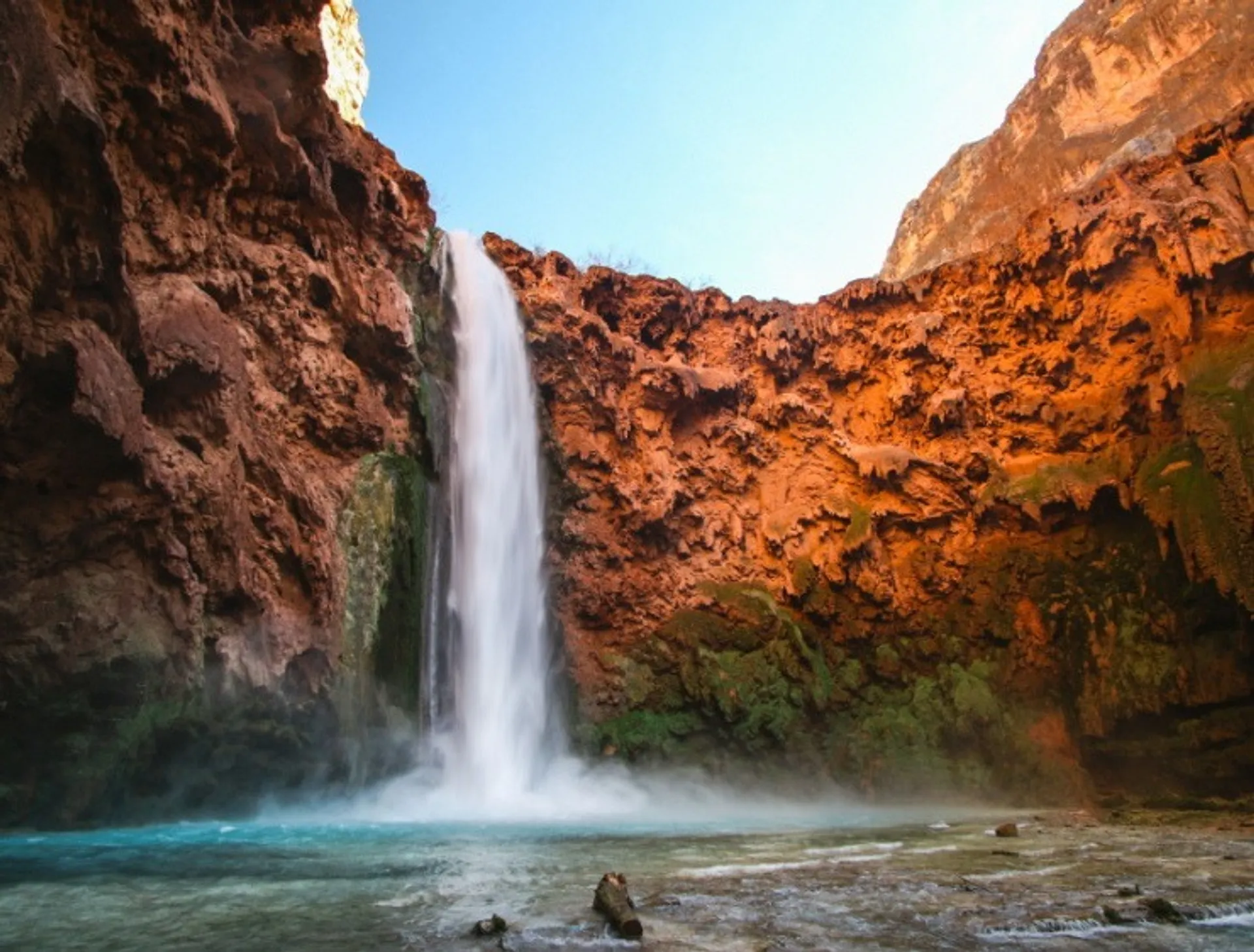
The village of Supai, the capital of the Havasupai Reservation, has mail delivery service for its 43 households carried out by a team of mules.
That's because there are no roads leading to Supai! Unlike most rural destinations in the United States, this town is a full eight miles from the nearest drivable street and requires you to travel by foot (or hoof), or book a helicopter ride to reach the town.
How to get there
Start by flying into Las Vegas. From there you’re going to want to rent a car for the 3-4 hour drive to the Hualapai Hilltop, which is essentially a car park. From there, you'll either need to hike the 8-mile trail or rent a mule to help you out. You could also splurge on a helicopter, but with surroundings this beautiful, why not take your time?
You'll also need to get your hands on a permit, which can be pretty costly ($455 as of 2026) and comes with set rules on how long you can stay.
3. Kolsai Lakes, Kazakhstan
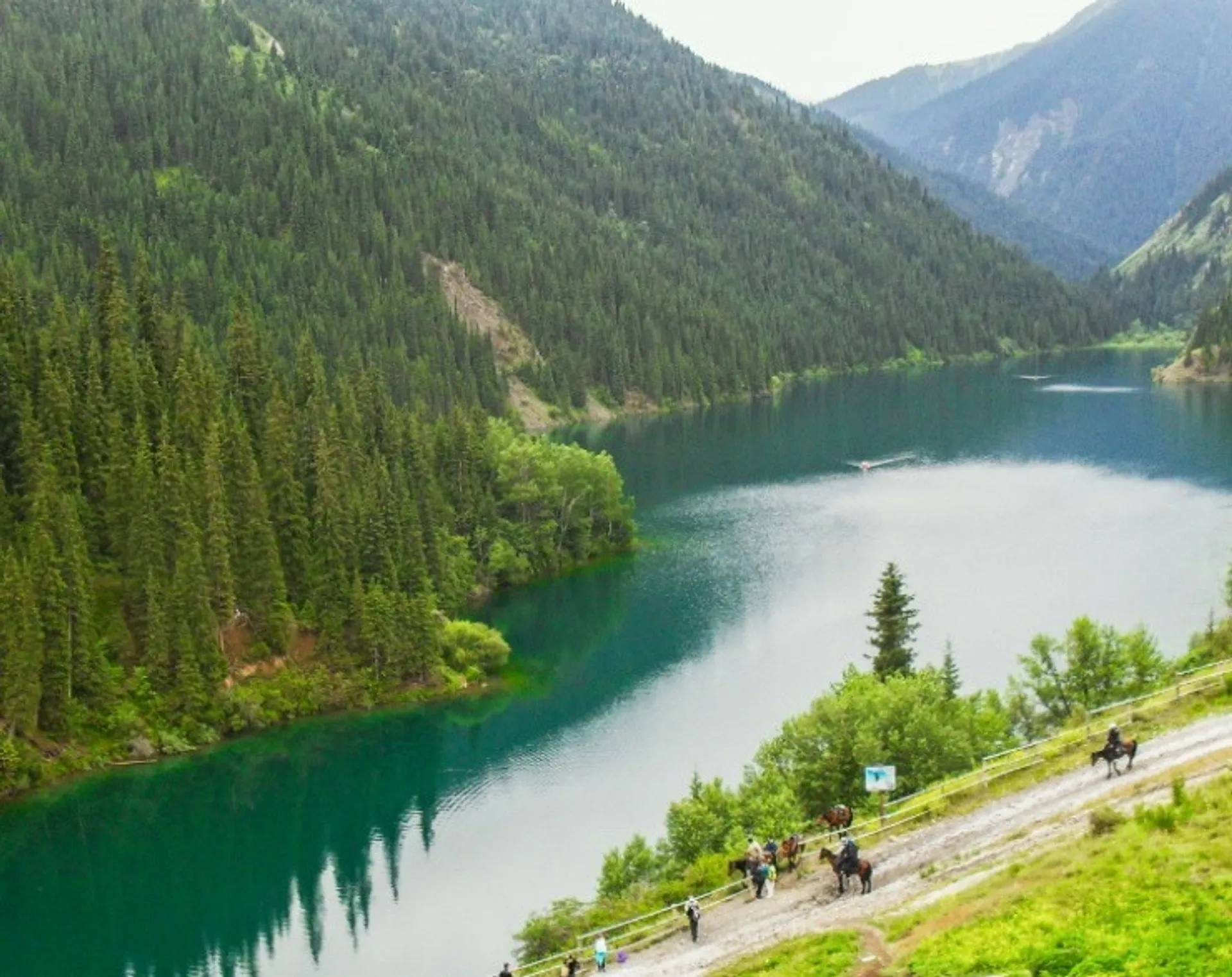
Around 75 miles southeast of Almaty, near the northern foothills of the Tian Shan Mountains, sits the breathtaking Kolsai Lakes National Park. At its center are the Kolsai Lakes, often referred to as ‘The Pearls of Tian Shan’, an untouched, scenic area of Kazakhstan.
Of the lakes, Kaindy is perhaps the best known among travelers for its eerie skeleton trees.
How to get there
The first part of the journey involves flying into Almaty Airport. From there, grab a marshrutka or taxi to Saty. You can also pick up organized tours from Almaty.
The first lake is fairly easy to reach by taxi or hitchhiking, thanks to a new asphalt road from Saty. You can then hike to the second, but make sure you take your passport, as you may encounter Kyrgyz border patrol along the way.
4. Kungsleden, Sweden
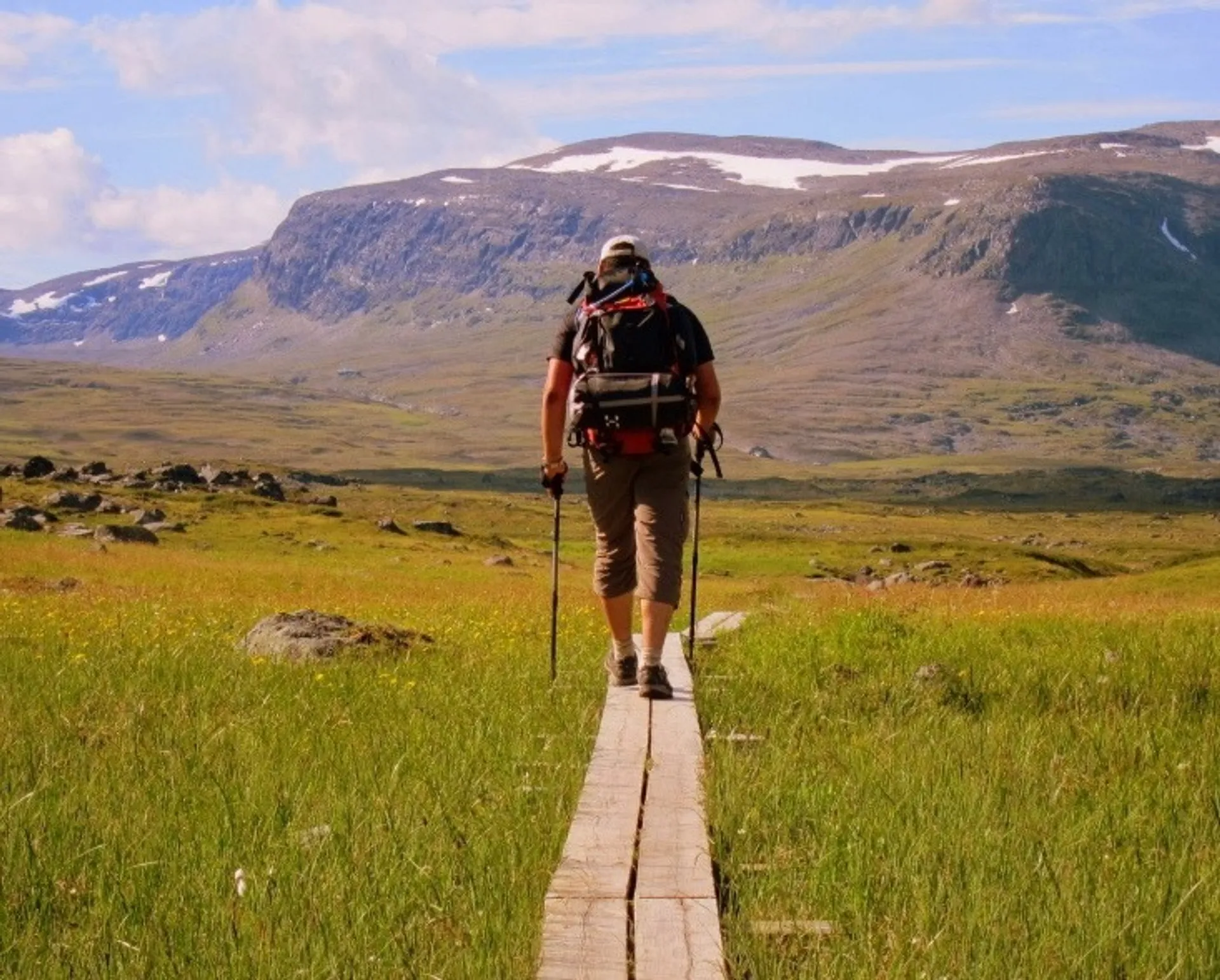
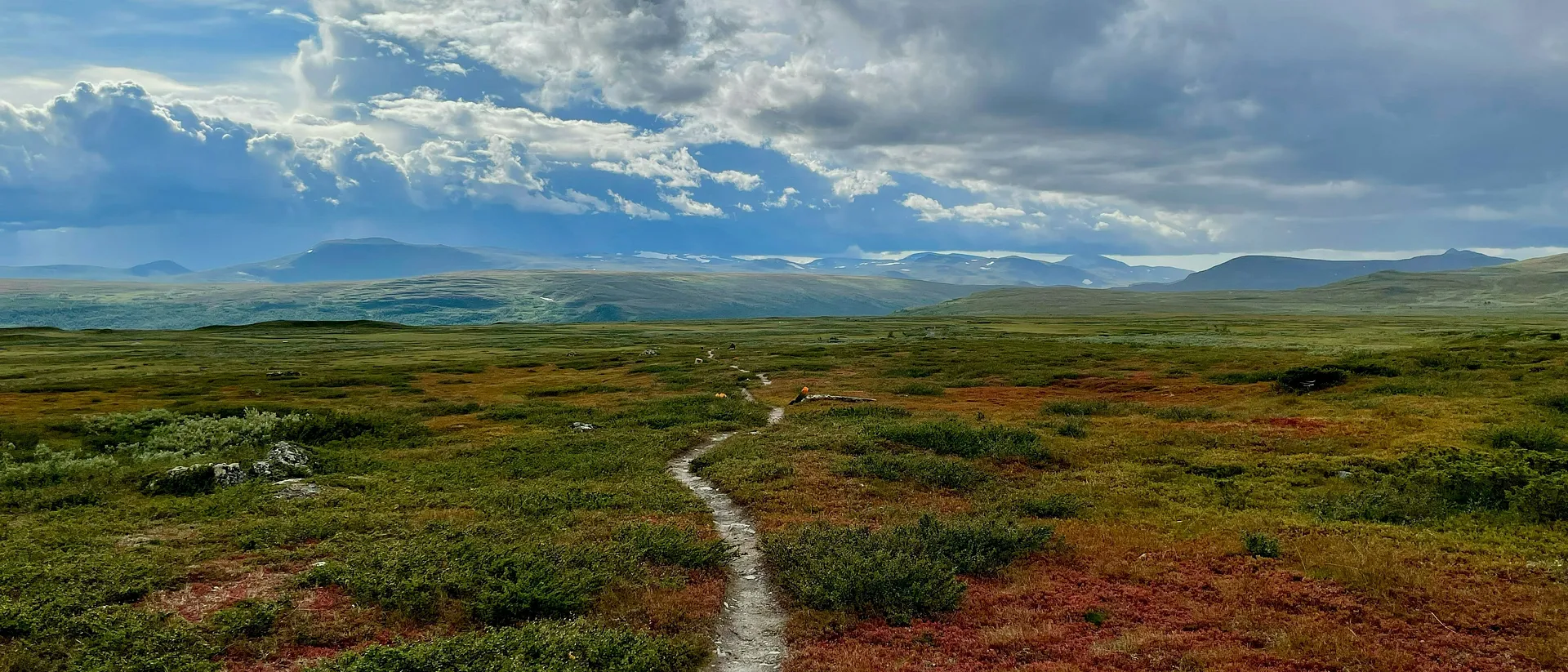
Northern Sweden is perfect for the more ambitious, wilderness-loving travelers. Kungsleden, also known as the King's Trail, is a 270-mile-long hiking trail between Abisko (North) and Hemavan (South Sweden). The trail passes through the Game of Thrones-esque Vindelfjallen Nature Reserve, which has to be seen to be believed.
A series of huts located 6-14 miles apart are open during the summer, but the weather can be unpredictable and potentially treacherous all year round.
How to get there
Fly into Kiruna after a layover in Stockholm. From there, it’s a 1.5-hour bus ride to Abisko, and then you're on your way. Don't forget to pack your rain jacket and sunscreen.
Preparing for the Unexpected: Jack's Travel Contingency Checklist
This article was originally published in The Detour in September 2023 following the earthquake in Morocco and has since been updated for 2026.
No matter where you’re traveling to, it’s never over-the-top to have a disaster contingency plan in your back pocket. Be it earthquakes, fires, civil unrest, war, or a tsunami, things happen, and we might one day find ourselves having to deal with them when we're far from home.
Here are some of the ways you can prepare yourself for the unexpected:
1. Research
Find out what risks there are in the specific area you are visiting. Googling [location] + [month] + [weather] is a good place to start when checking the chances of wildfires, flooding, hurricanes, etc.
For example, it’s surprising that with a destination as popular as the Caribbean, many people still don’t know when hurricane season is and grab cheaper flights without thinking. Earthquakes are a little harder to predict (impossible, in fact), but you can certainly find out if there’s a history of earthquakes in the region you’re visiting and how serious they tend to be.
Always read up on the current headlines about the country or region you're visiting, too. If there has been conflict in border areas, for example, you don't need to skip the trip altogether—just plan your routes carefully and hire a local guide if you're in any doubt. Or if there are frequent demonstrations, political or otherwise, find out where they tend to gather so that you know what to expect.
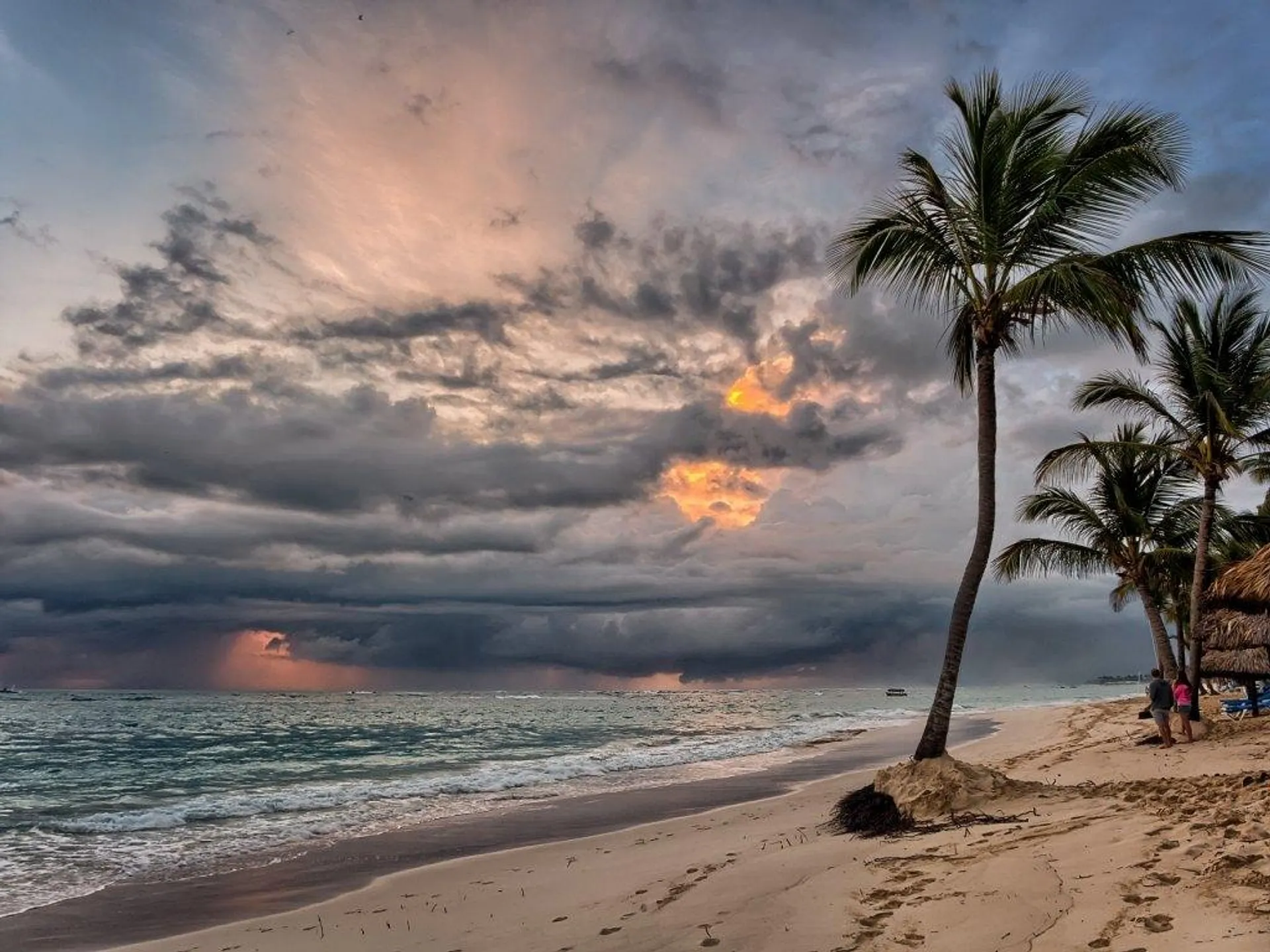
These things don't need to stop you from travelling, but you want to be aware of the risks and make sure you have appropriate cover, which leads us to…
2. Insurance
It should go without saying that you want to get travel insurance before you head off. But don’t just go with the cheapest option! Following the COVID-19 outbreak, many of us discovered the hard way that we didn’t have comprehensive coverage. Always read the small print, understand what the policy will take care of, and ensure you can pay any excess if you need to make a claim.
It's worth noting that most travel insurance policies will exclude claims resulting from war or terrorism. Certain companies specialize in insurance for 'high-risk' destinations, so definitely go in that direction if you know you're going somewhere risky.
3. Flexible travel
If we always stayed home because of a risk, we’d never travel anywhere—that’s why airline Flex fares are a good option. Choose fares that let you rebook and accommodation with free cancellation, giving you the option to rebook if the situation changes before you travel. Sometimes it’s worth paying a little extra to have that peace of mind!
You’d also be wise to take a look at how individual airlines tend to deal with “act of God” situations. The standard approach is to shrug their shoulders and tell you to claim it on insurance; however, American Airlines and British Airways, for example, are known to drop their change fees or offer free cancellation when a crisis hits.
4. Book through a travel agency
This one might sound pretty old school, but hear us out! While online travel agencies get a bad rep for their hidden fees and poor service, traditional travel agencies and tour operators can offer support and protection.
They’re able to contact airlines on your behalf and usually have a clear overview of all available flights should you need to leave somewhere in a rush. In addition, even when airlines are putting up a fight and citing an “act of God” as a reason not to refund you, your travel agency might cough up.
5. Stay in the loop
So you’re away on your trip, enjoying that feeling of being cut off from the real world, only getting notifications when you return to your accommodation and connect to the Wi-Fi.
But say something does go wrong while you’re out and about and Wi-Fi isn’t an option. Having a local SIM or eSIM not only stops you from running up roaming charges, it also means you’ll get local alerts and can stay as in-the-loop as locals. You don’t need to be connected at all times, but making sure someone in your party has that option will keep you safe and informed.
On that note, it’s always worth bringing along a fully charged power bank in case the electricity goes. Just try not to run it down by bingeing a series on Netflix!
Pick of the Clicks
All the important (or silly, or strange) travel news from across the web this week.
- A previously convicted stowaway pulled off the same trick again, this time flying to Milan without a ticket. Don’t cancel your Jack’s subscription just yet—that free trip came with a complimentary arrest by the Italian authorities.
- At the other end of the fraud spectrum, an unfortunate couple from Leicester were scammed out of £2500 when they tried to purchase an airline ticket, reminding everyone to never make deals over Whatsapp.
- Florida, Taiwan, and Cornwall all have something in common, but unless you have a Disney-obsessed toddler, you’ll never guess what it is.
- The world record for the most southernmost voyage in history was broken last week, but this time it wasn’t another Coast Guard icebreaker—it was a cruise ship.
- And finally, some good news for all of us: Despite public panic over the price of… well… everything these days, experts are predicting that airfare costs might actually drop throughout 2026.