Jack's Guide To: Victoria

Olivia Louden
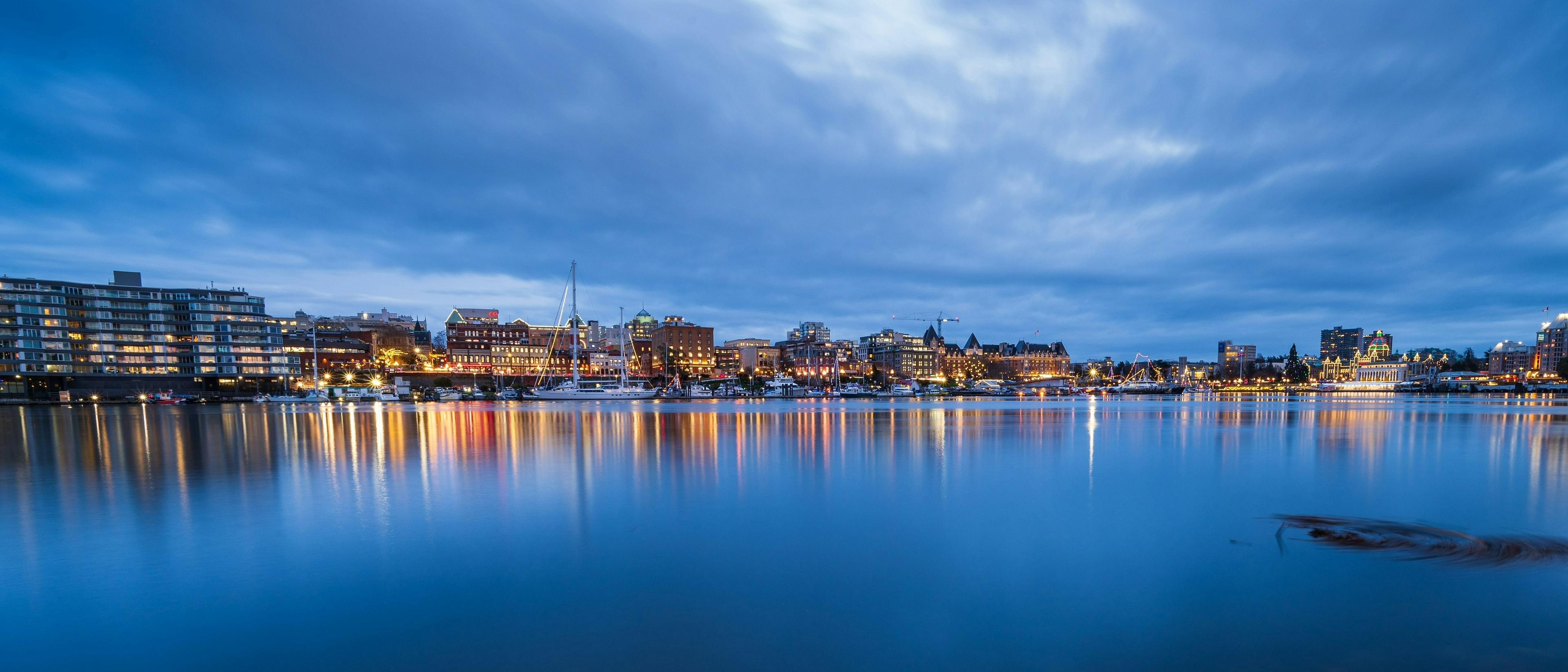
While big, bustling Vancouver might be British Columbia’s most famous city, it’s not actually the provincial capital. That honor goes to Victoria — the smaller, more 19th-century town at the tip of Vancouver Island.
“The island,” as it's colloquially known, is roughly the size of Belgium and packed with seaside villages and lush woodlands. It’s truly the jewel of the Pacific Northwest, and charming Victoria is your entry point.
In this guide, we’ll give you an overview of the many ferries into Victoria, tips for arriving by air, and a tasting menu of everything you can do around town. I’ve spent a few months in the area myself, so you’ll be getting firsthand info!
Things to Know Before You Go
Visas
Most visitors to Canada will need either a visa or an eTA. The kind of documentation you need will depend both on the passport you hold, and how you enter Canada (land, sea, or air). The Canadian government has an online questionnaire to help figure out what you need for your trip.
US visitors are exempt and only require a passport, while most UK and European visitors will require the eTA.
Cash & Currency
Like any city in Canada, Victoria uses Canadian dollars. The conversion rate at the time of writing (November 2025) means you’ll pay about £0.54, €0.64, or US$0.74 per Canadian dollar.
Both cash and card are accepted almost everywhere in the city.
Getting There
As a city on an island nestled between multiple metropolitan areas, there are several routes into Victoria…
Arrival by Airplane
Victoria does have its own airport, so you can fly straight to the city. Here’s what to expect if you fly into YYJ:
From Europe:
- Expected average price range: €400-€500 RT
- How many cheap Flights we’d expect in a year: 0-1
- Lowest price we’ve ever seen: €286 RT
From the UK:
- Expected average price range: £350-£500 RT
- How many cheap Flights we’d expect in a year: 1-2
- Lowest price we’ve ever seen: £303 RT
From the USA:
- Expected average price range: US$250-$350 RT
- How many cheap Flights we’d expect in a year: 1-5 for the West Coast, 0-2 for everywhere else.
- Lowest price we’ve ever seen: US$212 RT
From Canada:
- Expected average price range: CA$150-$200 RT for Western Canada, CA$250-$350 RT for everywhere else.
- How many cheap Flights we’d expect in a year: 2-3
- Lowest price we’ve ever seen: CA$112
Vancouver Island also has international airports in Nanaimo (YCD) and Comox (YQQ), but Victoria (YYJ) almost always has the cheapest airfare to the island.
Arrival by Ferry
Alternatively, you could fly into Vancouver (YVR) or Seattle (SEA) and take a ferry to Victoria. Flights into those two cities are almost always way cheaper than flights into Victoria, so this will likely be your cheapest option.
From Vancouver
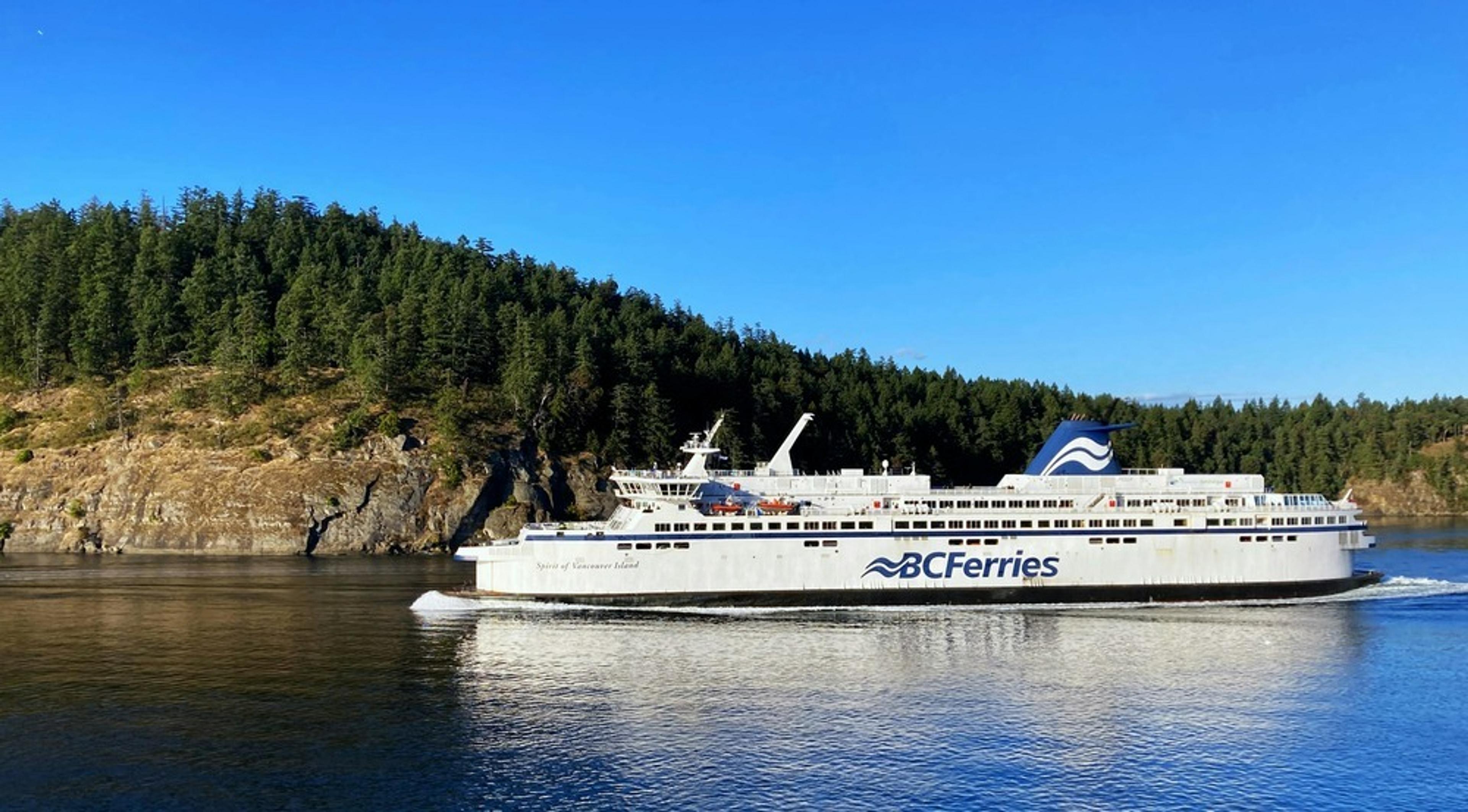
There’s a lot of need for boat-crossings in British Columbia, so the provincial government owns and operates a convenient network of ferries. If you fly into Vancouver and travel to the island from there, you’ll be on boats that are part of the BC Ferries system.
The three mentioned here are larger boats that operate on strict daily schedules. Prices vary quite a bit depending on the type of ticket (walk-on or drive-on, round-trip or one-way, Saver or full-price, etc) but you can generally expect to pay around $50 CAD each way with a vehicle, and around $15 CAD if you walk on.
There are three direct routes you can take to reach the island from the Vancouver area:
- Horseshoe Bay to Departure Bay (north of Vancouver to Nanaimo)
- Tsawwassen to Duke Point (south of Vancouver to Nanaimo)
- Tsawwassen to Swartz Bay (south of Vancouver to the Sidney area)
For reference, Nanaimo is about one hour and forty-five minutes from Victoria, and Sidney is about 30–40 minutes. If you don’t plan to drive on your trip, I recommend arriving through Sidney — there are multiple direct buses from the Swartz Bay terminal into downtown Victoria. Look for bus routes 70, 71, or 72.
For an even more scenic route, you can also take ferries from Vancouver to the smaller gulf islands, and island-hop your way to Victoria.
From Seattle
International ferries are privatized and a lot more expensive, so they only really make sense if you’re visiting from the US and want to skip the hassle of flying into Canada.
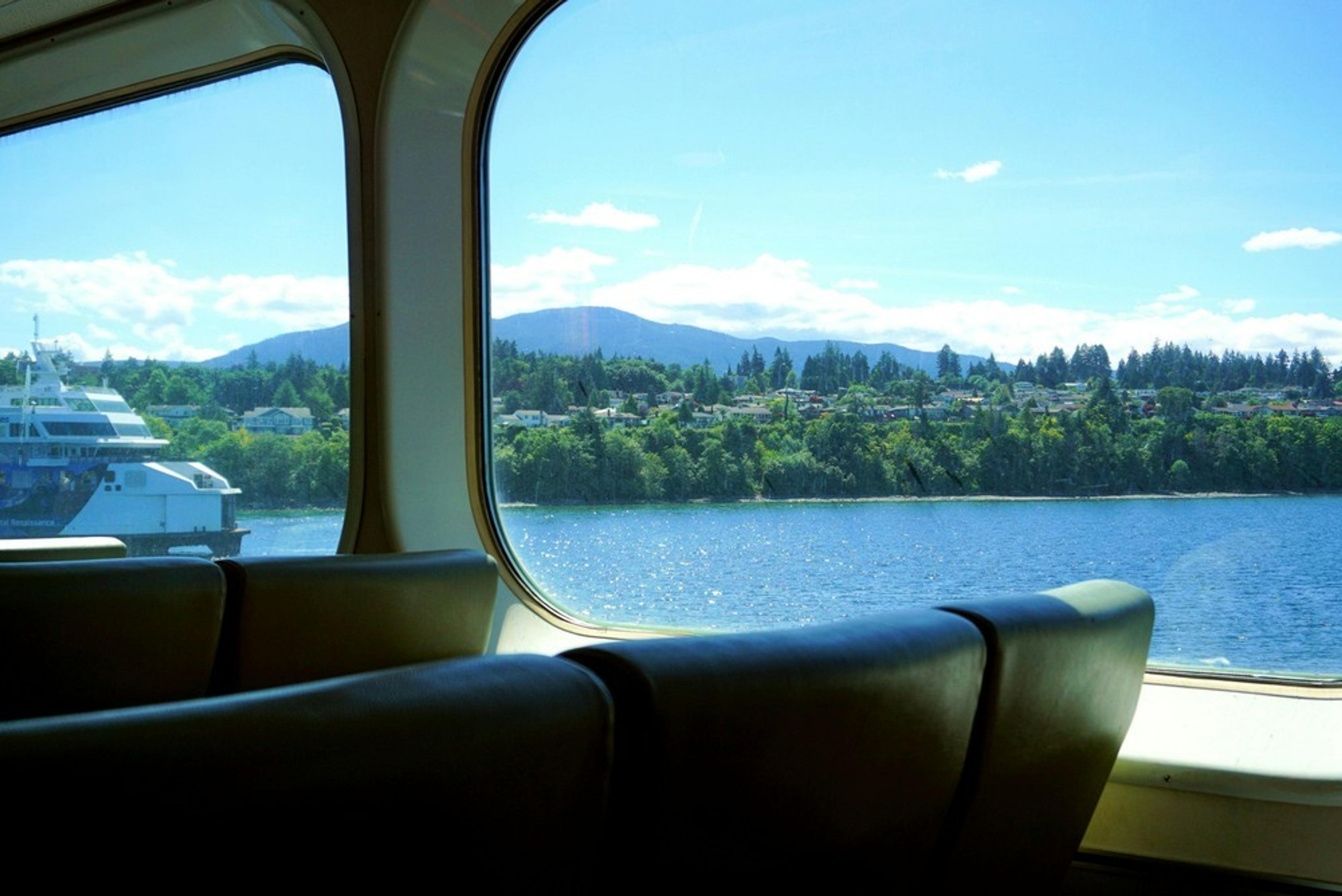
There’s only one option for a direct boat ride from Seattle, and that’s FRS Clipper. The ride is just shy of three hours and takes you from the heart of Seattle to the heart of Victoria for about $130-$150 USD one way. This ferry is well-loved, but note that they don’t allow vehicles, so you’ll have to walk on. If you really need to bring your car, look into the Black Ball ferry that leaves from Port Angeles.
Pro-Tip: If you really want to make an adventure out of your journey to the island, there are several seaplane companies that can hop you around the area.
Getting Around Town
Once you’ve completed the trek to Victoria, the hard part is over! The city itself is on the smaller side, and highly walkable. You can easily traverse all of downtown in a day, and attractions like the Royal BC Museum and Craigdarroch Castle are within a 30 minute walk of the city center.
For sights that are further afield, like Butchart Gardens, you can choose from rideshare or public transit. While scarce outside of Victoria, Uber and Lyft are both abundant in the metropolitan area. The city buses are surprisingly reliable for such a small city, but they don’t accept contactless payment — you’ll need either cash or the Umo app.
There are a few longer distance buses available (like the Island Link that I mention below) but if you want to explore the island beyond those limited routes, you’ll need to rent a car.
Things to Do in Victoria
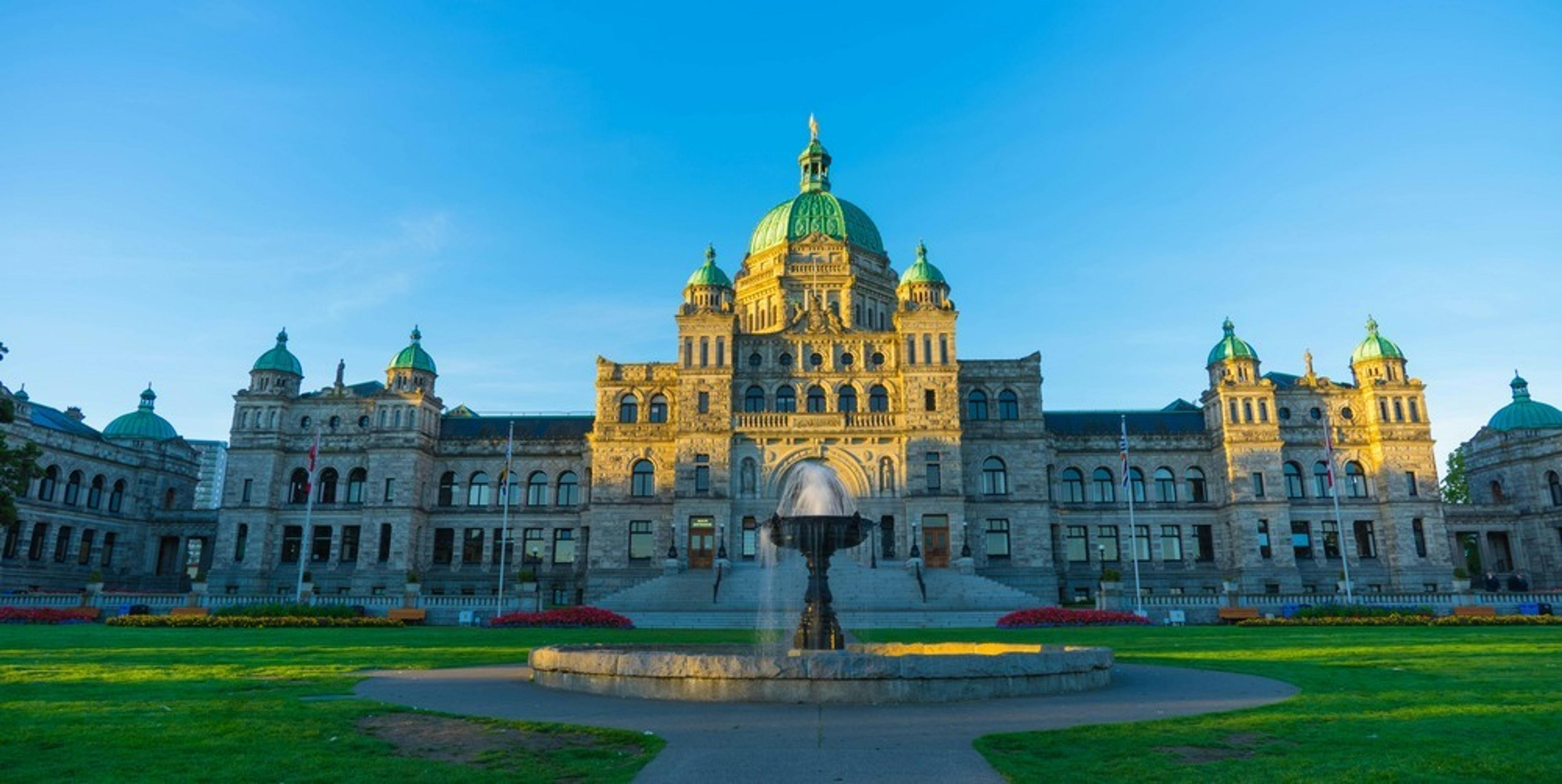
Now that you’re ready to start enjoying the city, here are a few of its highlights:
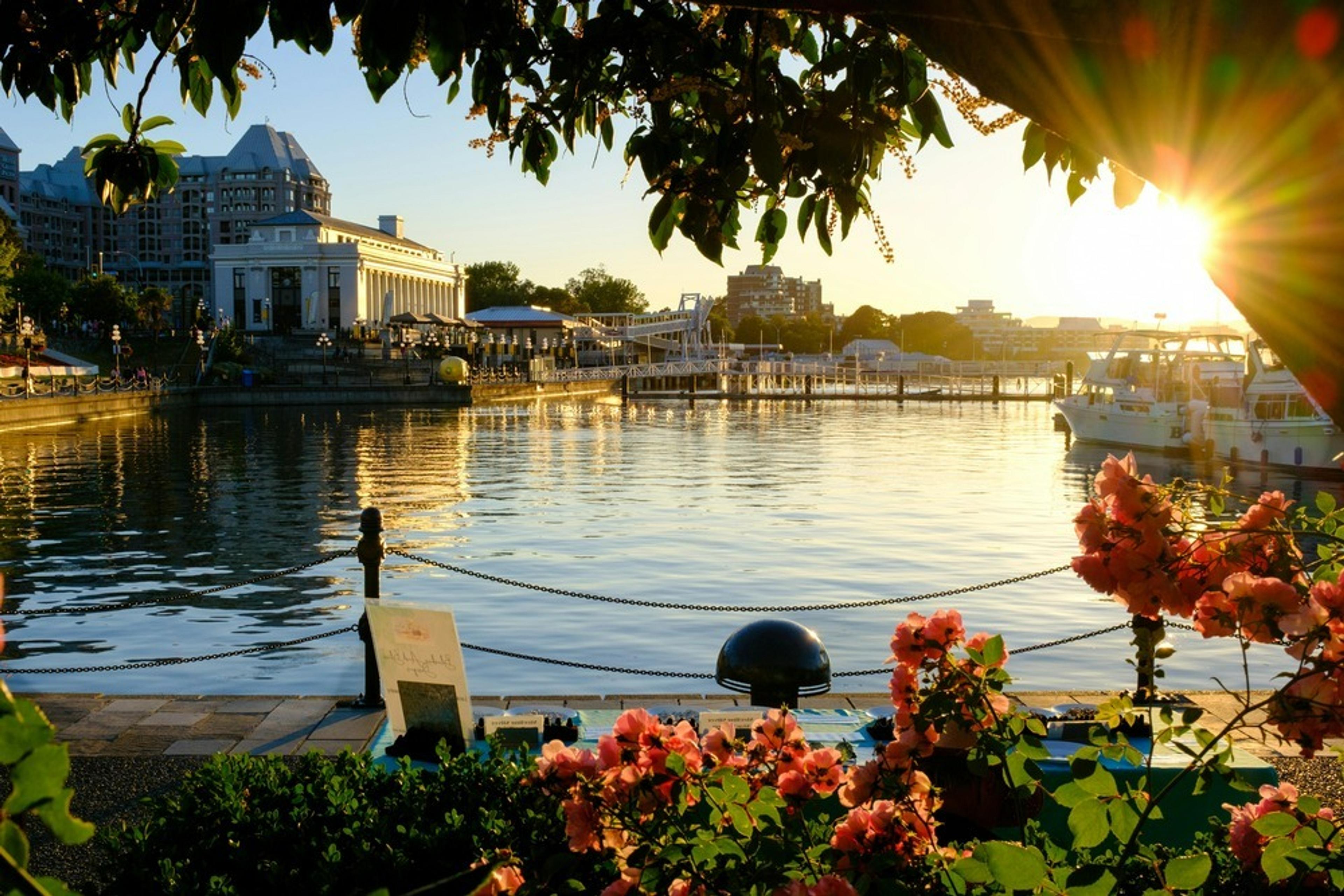
- Explore Downtown: Packed with boutiques, bars, and cafés, plus beautiful harbor views and historic architecture, downtown Victoria is worth scheduling in some “wander around” time.
- Royal BC Museum: The province’s primary history museum, offering a look into the region’s many cultures, as well as prehistoric flora and fauna.
- Craigdarroch Castle: A stunning late 19th century estate, notable for its high-quality restoration and collection of stained-glass windows.
- Beacon Hill Park: A 740k square meter city park with gardens, woodland, and seaside views, right outside downtown.
- Parliament: British Columbia’s provincial government buildings. Open to tours on weekdays, but worth admiring from the outside every day.
- Empress Hotel: A historic château-esque hotel that hosts a very popular high tea.
- Chinatown: The oldest Chinatown in Canada, and the second oldest in all of North America. Home to Fan Tan Alley.
Day Trips From Victoria
Vancouver Island is surprisingly big, so it’s no shock that there’s plenty to see outside the city. The island is practically road trip heaven, with enough sights to fill up weeks of exploring.
For now, we’ll assume you’re using Victoria as your home base, so here are some options that are within a comfortable day trip distance from the city:
Butchart Gardens
This is THE day trip from Victoria — the one pretty much every visitor takes.

It’s not hard to see why! The Butchart Gardens cover 55 acres of land in beautiful floral displays. Descend into the manicured Sunken Garden, meander through a forest of Japanese maples, and admire fountain after bubbling fountain. While it’s worth seeing at any time of year, spring’s rose blossoms and autumn’s bright red foliage make for especially colorful visits.
You can reach the Butchart Gardens from downtown Victoria in about 30 minutes by car, or with a one-hour bus ride aboard the 75 or 30.
Nanaimo
Pronounced nah-NYE-mo, this is the second-largest city on the island. It’s got a much more small-town feel, with a cute downtown and Old City Quarter.
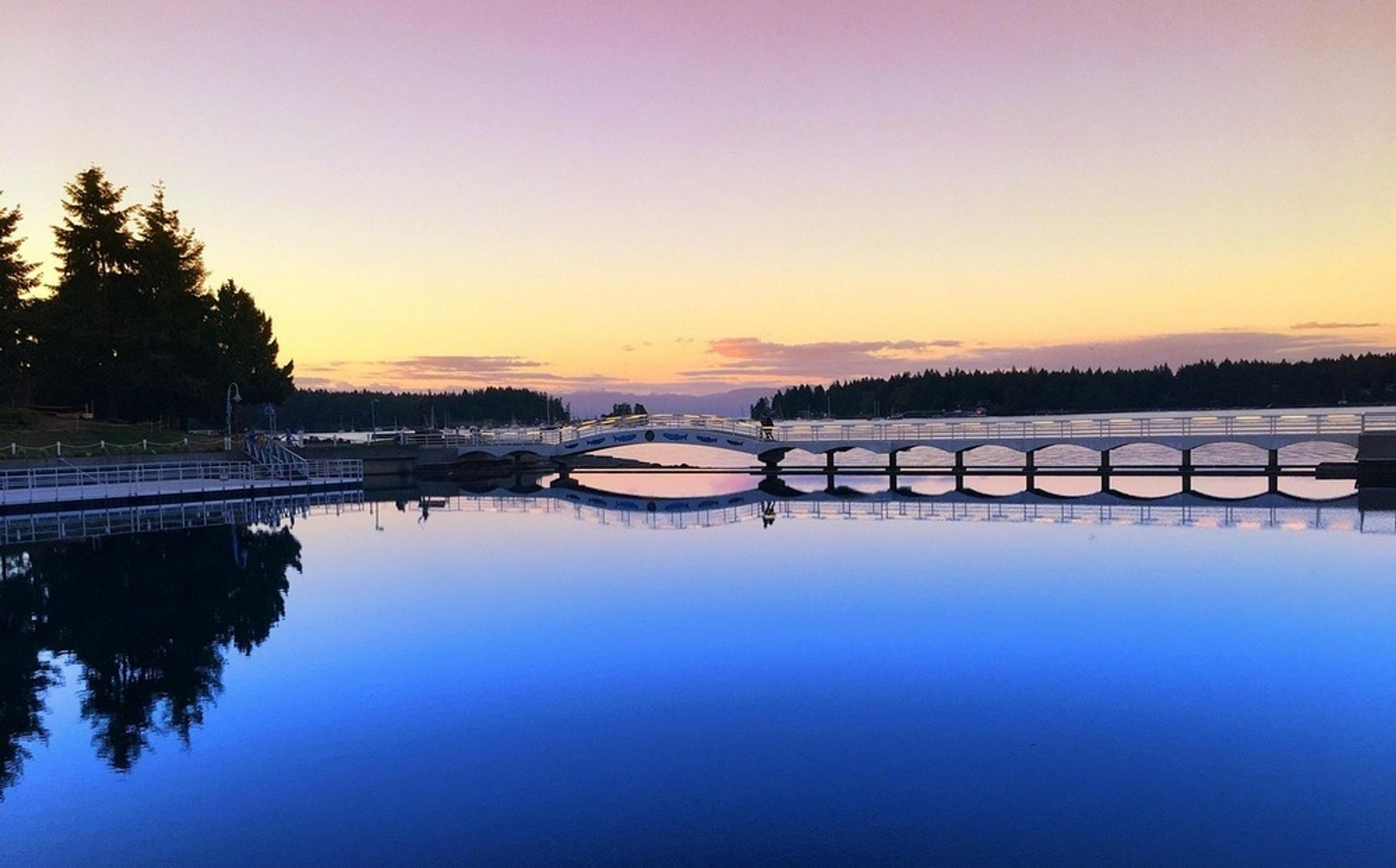
Other than whale-watching and ferry connections, its biggest claim to fame is the Nanaimo bar: a chocolatey, coconutty, custardy treat that just might ruin you for every other café dessert.
You can get to Nanaimo from Victoria by city bus or Island Link, but driving the full ~90 minutes yourself is much more fun. The highways will take you through several charming villages worth the stop — my favorites are Cowichan Bay, Duncan, Chemainus, and Ladysmith. Expect cozy shops, dockside restaurants, small local museums, and tons of gorgeous bay and island views.
Provincial and Regional Parks
The island may only have one — difficult-to-reach — National Park, but it’s covered in Provincial and Regional Parks. These protected areas include dense, mossy woodland, waterfalls, tons of lakes, and rocky coastlines.

I could fill an entire article just with outdoor day trips from Victoria, but a few highlights within a half-hour’s drive include Thetis Lake (Canada’s first nature sanctuary), Mount Wells (known for wildflowers and a challenging summit hike), and Goldstream (massive trees and a beautiful waterfall).
Sidney
One of my favorite things about Vancouver Island is the abundance of lovely coastal towns, and Sidney is one of the coolest and most accessible from Victoria.
Unique highlights here include the Shaw Centre for the Salish Sea (a small but very well-done aquarium), a fish market frequented by the local seals, and a pier that offers an excellent view of the Gulf. On clear days, you can even spot Washington’s Mount Baker across the water.
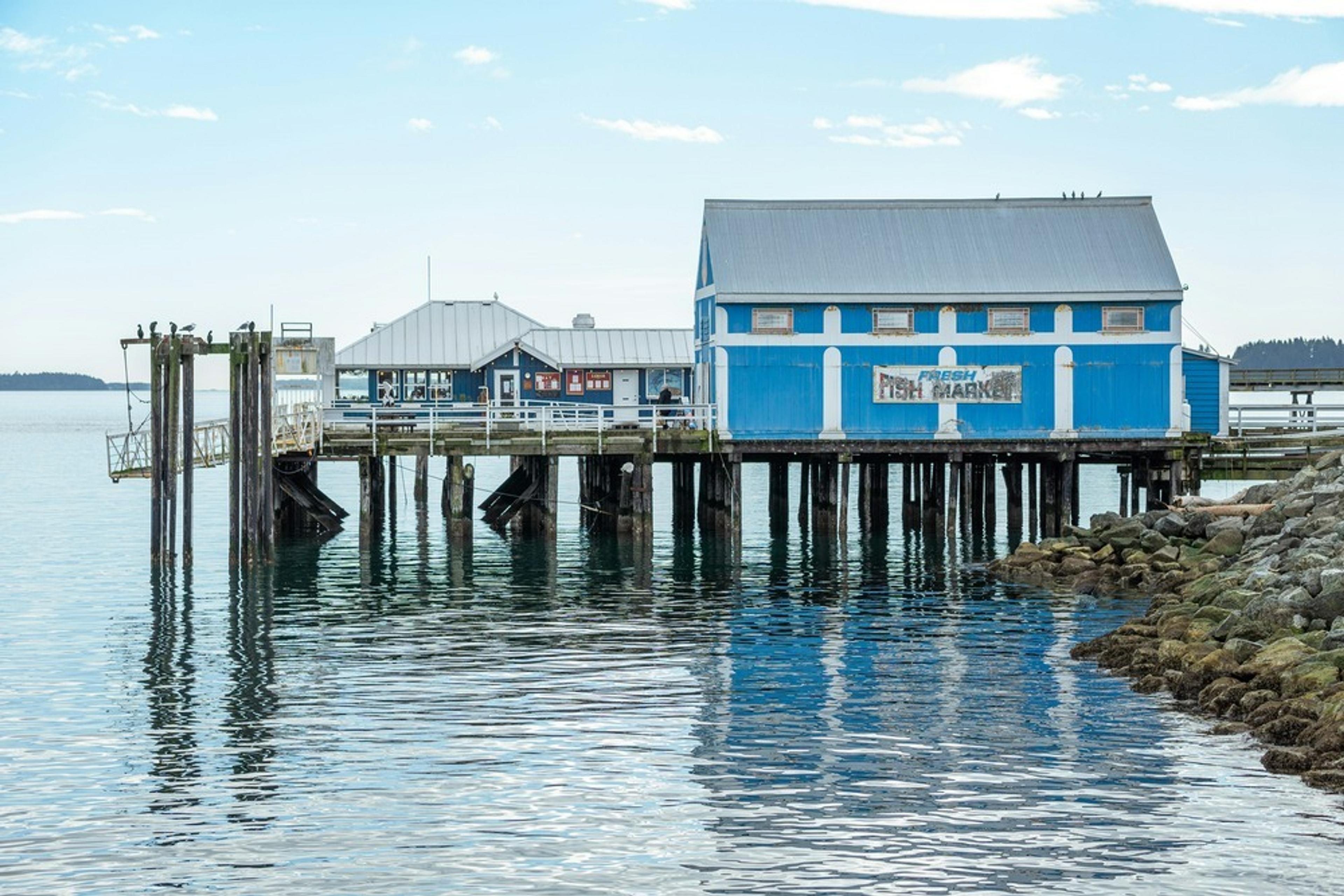
It’s also home to the Victoria airport, and the first big town you’ll see if you arrive at Swartz Bay on the ferry. This means you’ll likely pass through Sidney anyway, so take some time to look around!
Salt Spring Island
If you only take one more ferry during your trip, it should be the one to Salt Spring! This island is around the size of Aruba, and it’s become quite the artistic outpost on the Gulf. The main town, Ganges, is packed with galleries and nifty boutiques, plus there’s a weekly street market each Saturday where local artists take to the sidewalks.
It’s also one of the best hiking spots in the area — drive down to Ruckle Provincial Park and follow the trail along the coast for some gorgeous, peak Pacific Northwestern views.
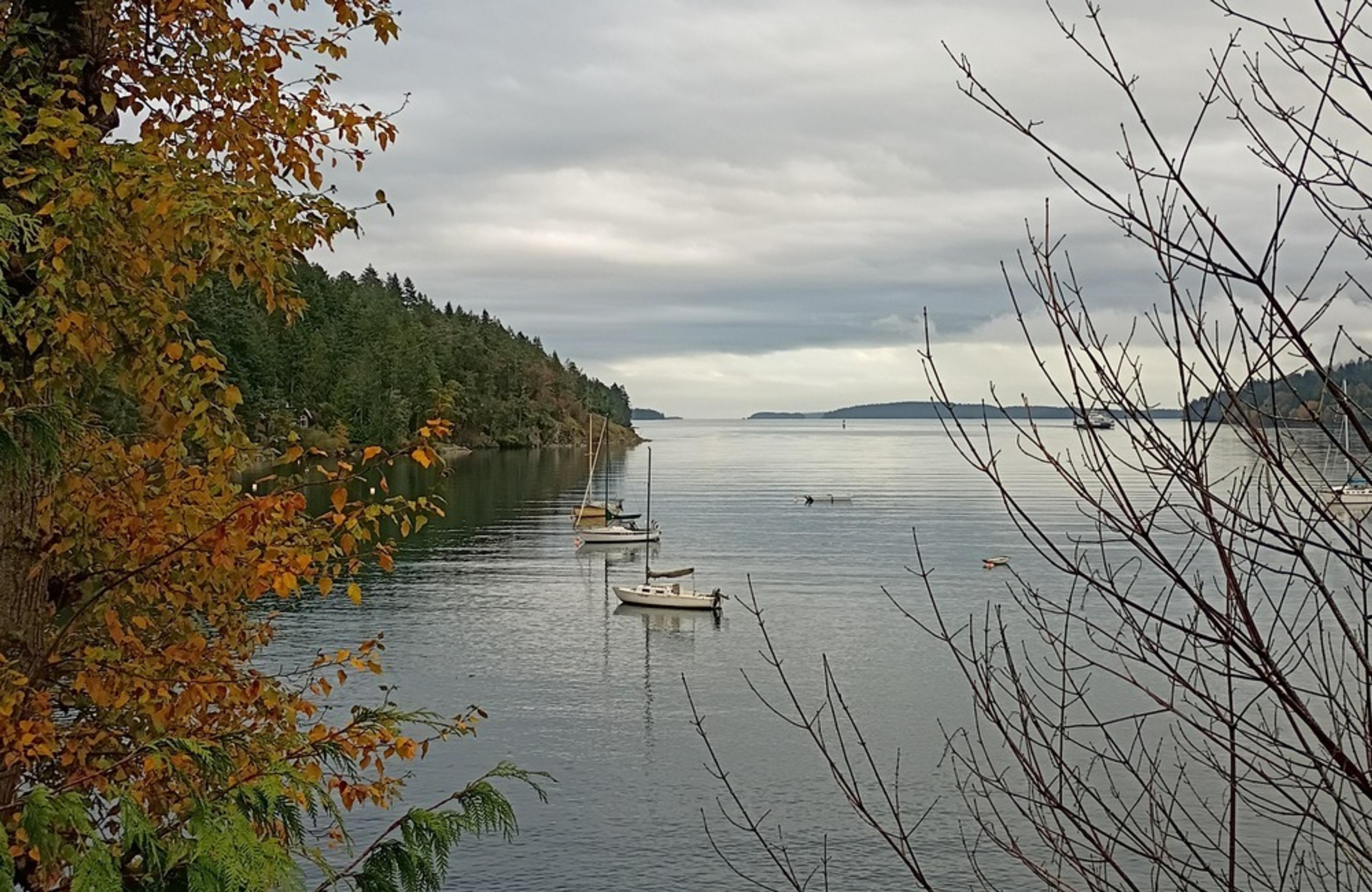
To get there from downtown Victoria, either drive or take one of several direct buses up to Swartz Bay, then hop on the ferry to Fulford Harbour. You’ll be much better off with a car on Salt Spring Island, but buses do run every couple hours and cover most of the highlights.
Seasonality
Vancouver Island tends to follow the Pacific Northwest weather calendar, where there are basically two seasons: dry and sunny, or gray and damp.
I’m a big defender of the PNW winter (hike through a mossy evergreen forest in the rain, and you will be too!) but the massive disparity in seasons means there’s two very different sides to the region, so you’ll need to plan accordingly.
December–February
This is the peak winter season, but don’t be scared off — temps are usually way milder in Victoria than in the rest of Canada (think 5–10 ºC or 40–50 ºF). The rain, while frequent, is typically just a drizzle. Snow is rarely more than a little slush.
If you don’t mind cloudy skies and rainboots, this is still a good time to visit the city! A lot of tourism-based companies around the island (boat tours, gear rentals, etc.) shut down for the off-season, but Victoria itself never goes into hibernation. Plus, spots like Butchart Gardens and the Empress put on pretty lovely Christmas displays.
Visit later in winter, around February, and you might catch a “fool’s spring” — breezy warm days start cropping up way before spring actually settles in for real.
March–May
Once the weather’s done with its fake-outs, skies start to clear and temps start to rise. March is still temperamental, clinging to winter, but April and May tend to offer a more genuine springtime experience.
And in Victoria, that means FLOWERS. Cherry blossoms kick off the season in late March, followed by tulips in April. Butchart Gardens is easily the best place to see floral displays, but the grounds outside Parliament offer some eye candy without leaving the city.

June–August
Victoria really hit the jackpot in the climate department, because their summer is mild too! Temps stay around 18–28 ºC, or about 64–82 ºF, and rain is rare, leaving you with clear blue skies most days.
This is easily the best time to visit if you want to explore the island in all its green-and-blue glory. It’s the season for boat tours, dining on café patios, and taking a dip in the (frankly insane) number of lakes and bays nearby.
Understandably, it’s also peak travel season, so expect higher prices and bigger crowds.
September–November
Like spring, fall is the transition between the dry and wet seasons. Visit in September, and you’ll likely get the last breath of summer weather. October is a bit frenetic in terms of temperature, but the glowing fall foliage makes it worth the gamble.
By November, winter is settling in. You can still snag some sunshine, and that foliage doesn’t disappear on Halloween night, but you'll definitely get a more drizzly experience as the month goes on.
Travel Style
There are really two approaches to visiting Victoria: you can either stay in and around town, relaxing and meandering, or you can use it as a jumping off point to explore the island.
Choose the first option, and you’ve got a laid-back city break that requires very little planning. You can easily get to all the main attractions in a 2–3 day trip without a strict schedule, making this a great town for the spontaneous traveler.
Choose the latter option, and you’ll need to be a little more prepared, but it’s nothing a casual road-tripper can’t handle. The main roads on the island are well-traveled and won’t present too much challenge, but start heading into the more remote regions (like Pacific Rim National Park, or the far north end of the island) and you’ll start to really feel like an adventurer.