Cloud Nine, Literally: the World's Coolest Cable Car Rides, As Chosen By the Jack's Community

Akasha Loucks
The only line we’ll happily wait in? The cable car queue…
Turns out we’re not the only ones with this niche obsession! A few weeks ago we asked for your thoughts on the best cable cars you’ve been on.
From Chile to China, our latest rabbit hole crisscrossed through centuries of architectural feats—including France’s mercifully brief (yet whimsical) underwater death trap.
Your recommendations poured in too, along with some incredibly dizzying pics in our Facebook community.
And we must say, they were pretty uplifting. Take a look!
Cablebús, Mexico City
Manufacturer: Doppelmayr (Austria) / Leitner (Italy)
Objective: Mass transit system connecting high-altitude neighborhoods to the Mexico City Metro
Launch Date: 2021
Vertical Ascent: Varies by line; Line 2 traverses the Sierra de Santa Catarina volcanic ridge
Capacity: Each cabin holds 10; capable of transporting 3,000 people per hour per direction
Track Length: About 10,550 meters (Line 2)
Transit Length: 36 minutes (Line 2 total journey)
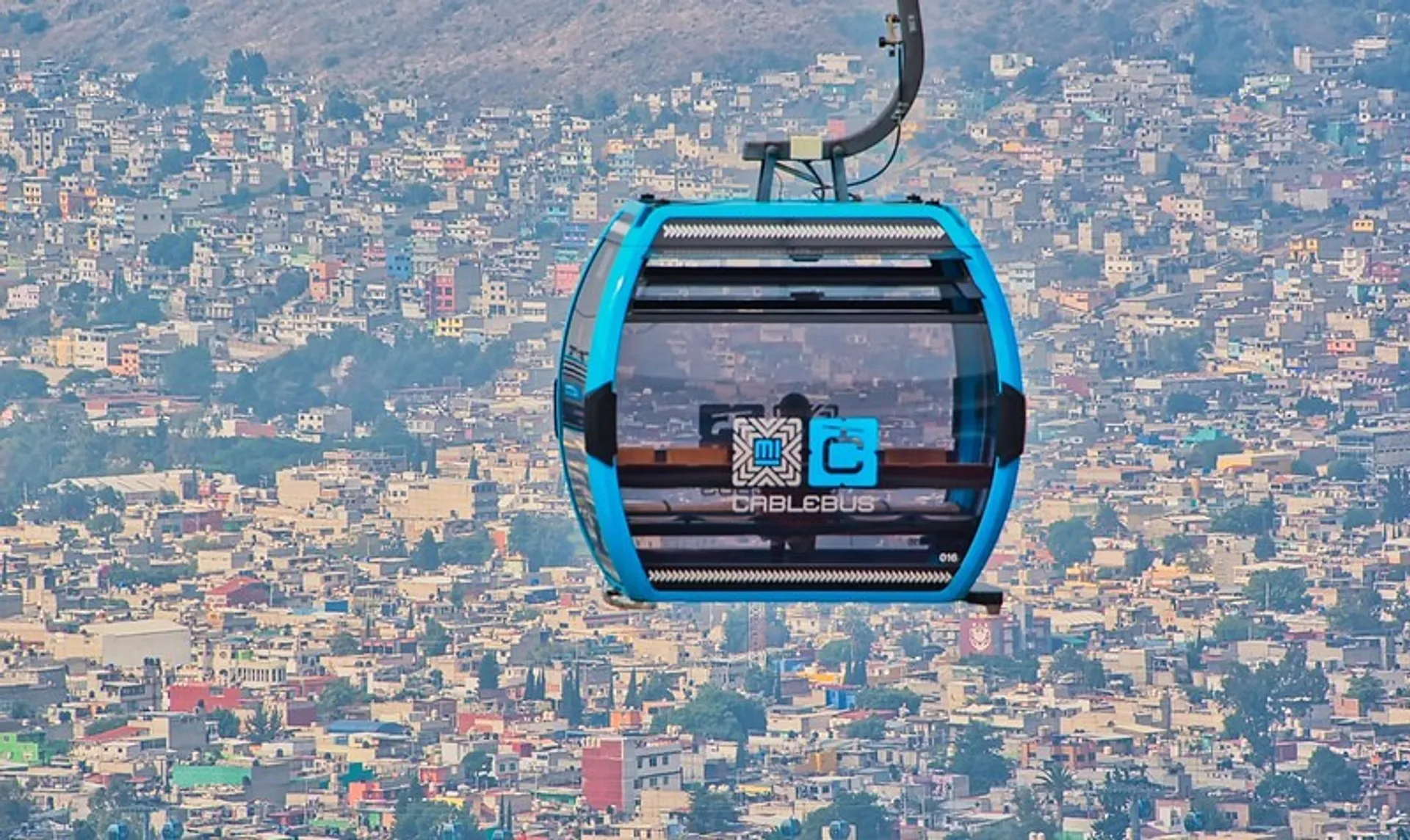
“A great way to view Mexico City from above is by using Cablebús, Line 2 is the longest cable car in the world taking around 45 minutes, costing 7 MXP per journey (30 pence). You need a Tarjeta Card to tap in.
It’s also an easy connection from the metro system; you just need to change cable cars at Xalpa to continue the journey. It’s well worth getting off at Quetzalcoatl for the local market. Great views of the rooftop murals, and don't miss the parked airplane (turned library) on the ground.
Top tip: don't travel at rush hour, instead go off-peak to avoid the crowds” - GallantHiker6933
Mexico City’s cable car system isn’t just for tourists! The line connects local communities in between Indios Verdes & Cuautepec, cutting down on lengthy commute times and unsafe conditions. Not only that, it’s helped reduce air pollution in this mega metropolis. Line 2 holds the Guinness World Record for the longest public cable car on earth (10.55 km), and over 100 massive murals and 3,000 brightly painted rooftops were commissioned specifically to be viewed from above.
Prada Costabella, Italy
Manufacturer: Graffer (Italy)
Objective: Direct transit from Prada (San Zeno di Montagna) to the Costabella ridge on Mount Baldo
Launch Date: August 2022 (Complete overhaul and reopening)
Vertical Ascent: Elevates passengers 838 meters
Capacity: Each "open basket" holds 2; capable of transporting 400 people per hour
Track Length: About 3,000 meters of cable (across two sections)
Transit Length: 22 minutes in total
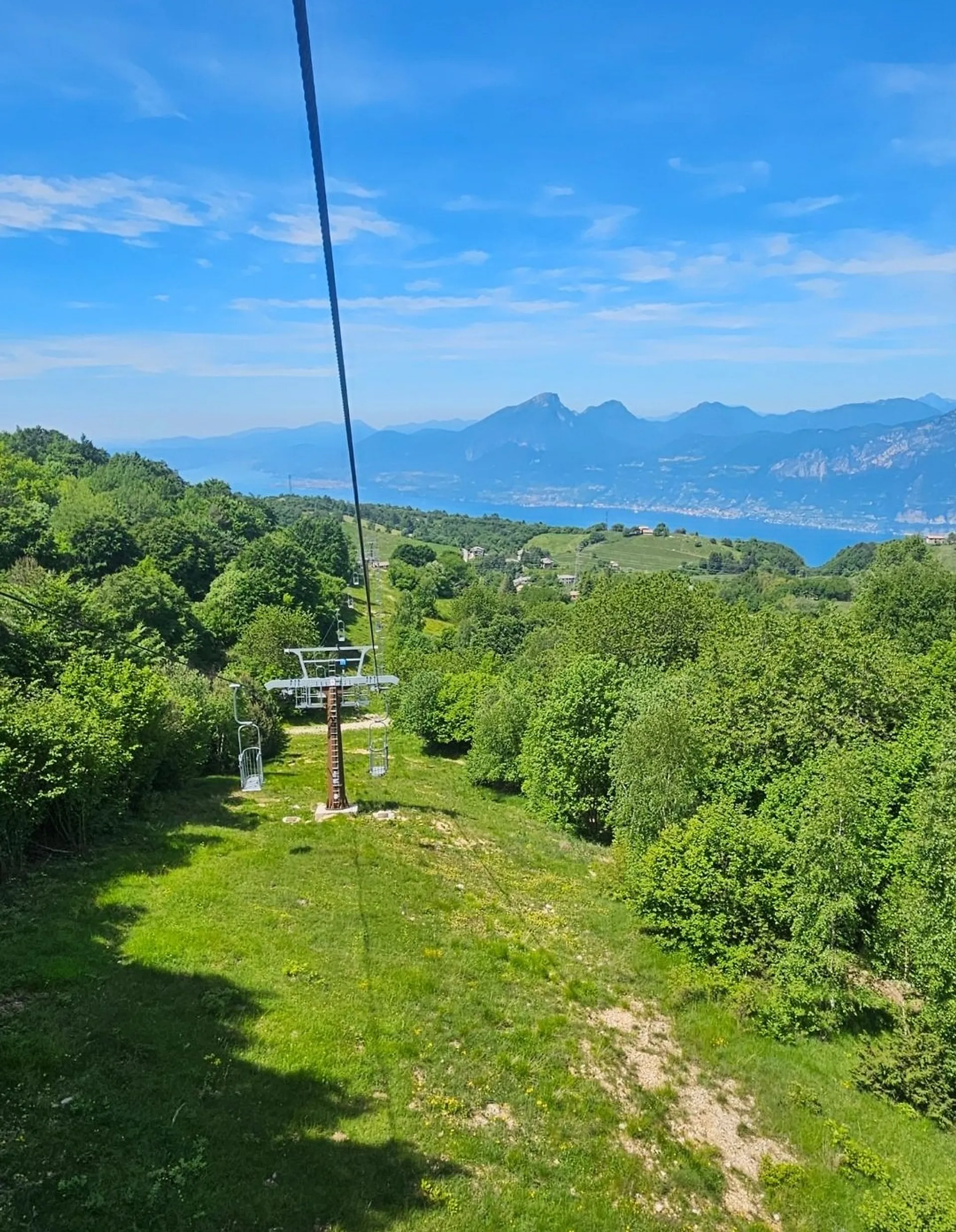
“Lake Garda. Rickety-looking birdcage thingies! You could hear everything as there was no glass. Saw an eagle swoop right below us.” - Emma
Rickety indeed! If you can get over climbing into a metal cage for one section of your journey, Funivia Prada Costabella’s cable cars lead to mountain huts and the highest peaks of Monte Baldo with insane views of Lake Garda below. The baskets don’t stop to let you on, and we’re not sure which is more anxiety-ridden: the running jump start or the leap of faith to get off.
Tianmen Cable Car, China
Manufacturer: Poma (France)
Objective: Direct transit from Zhangjiajie City to the summit of Tianmen Mountain
Launch Date: September 2005
Vertical Ascent: Elevates passengers 1,279 meters above sea level
Capacity: Each cabin holds 8; capable of transporting 1,000–1,200 people per hour
Track Length: About 7,455 meters of cable
Transit Length: 28–30 minutes
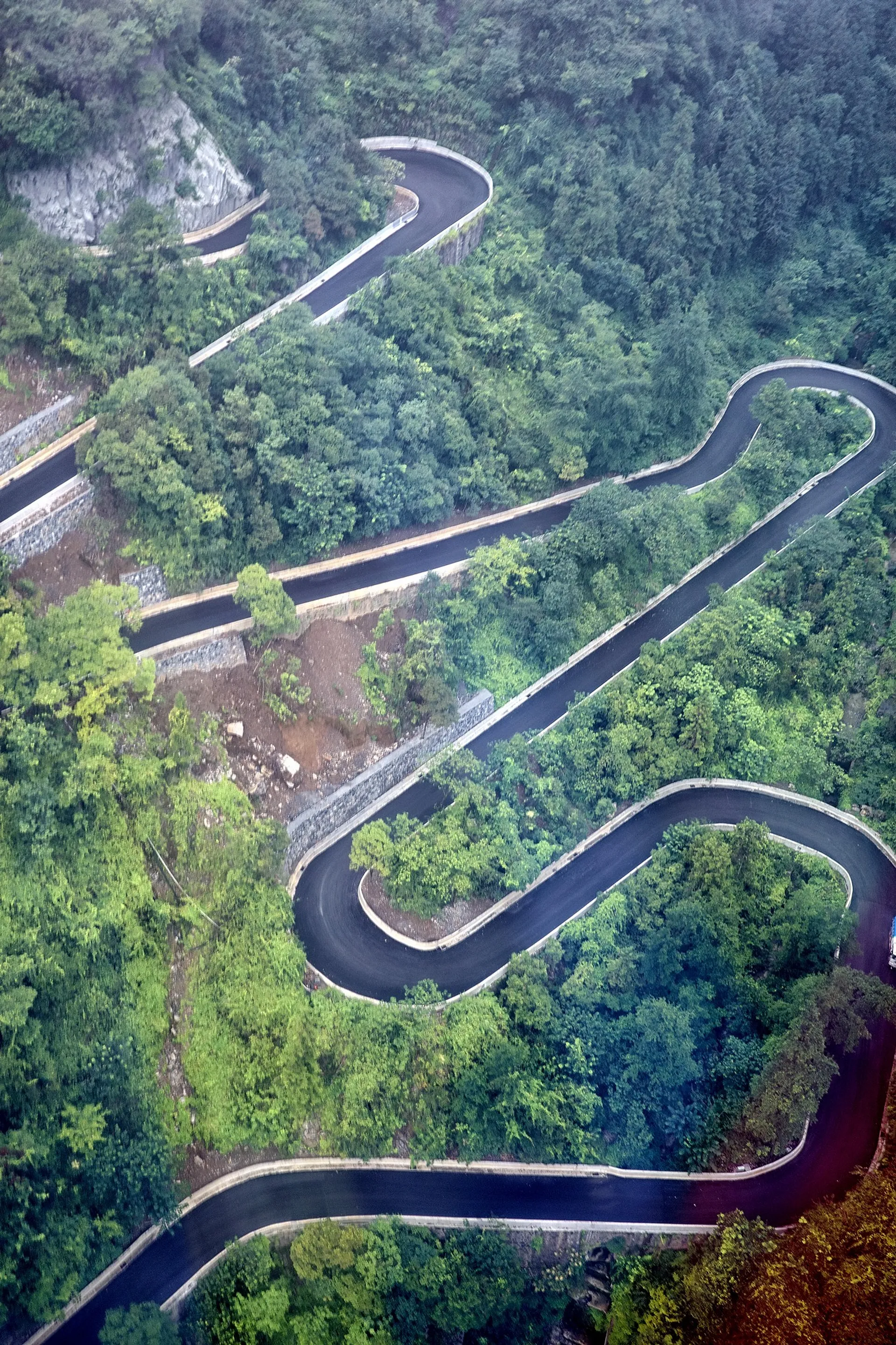
“Tianmen Mountain 99-Bend Road a few months ago.” - Slava
At 7,455 meters, this cable car takes you to Heaven’s Gate— literally. Unlike most cable cars that start at a mountain base, this one begins right in the city center near the railway station and flies over residential rooftops and farmland before ascending to the cliffs.
Vung Tau Cable Car, Vietnam
Manufacturer: Doppelmayr (Austria)
Objective: Direct transit from Front Beach (Bai Truoc) to the summit of Big Mountain (Nui Lon)
Launch Date: February 2010
Vertical Ascent: Elevates passengers 210-250 meters above sea level
Capacity: Each cabin holds 8; capable of transporting 3,000 people per hour
Track Length: About 455-500 meters of cable
Transit Length: 10 minutes
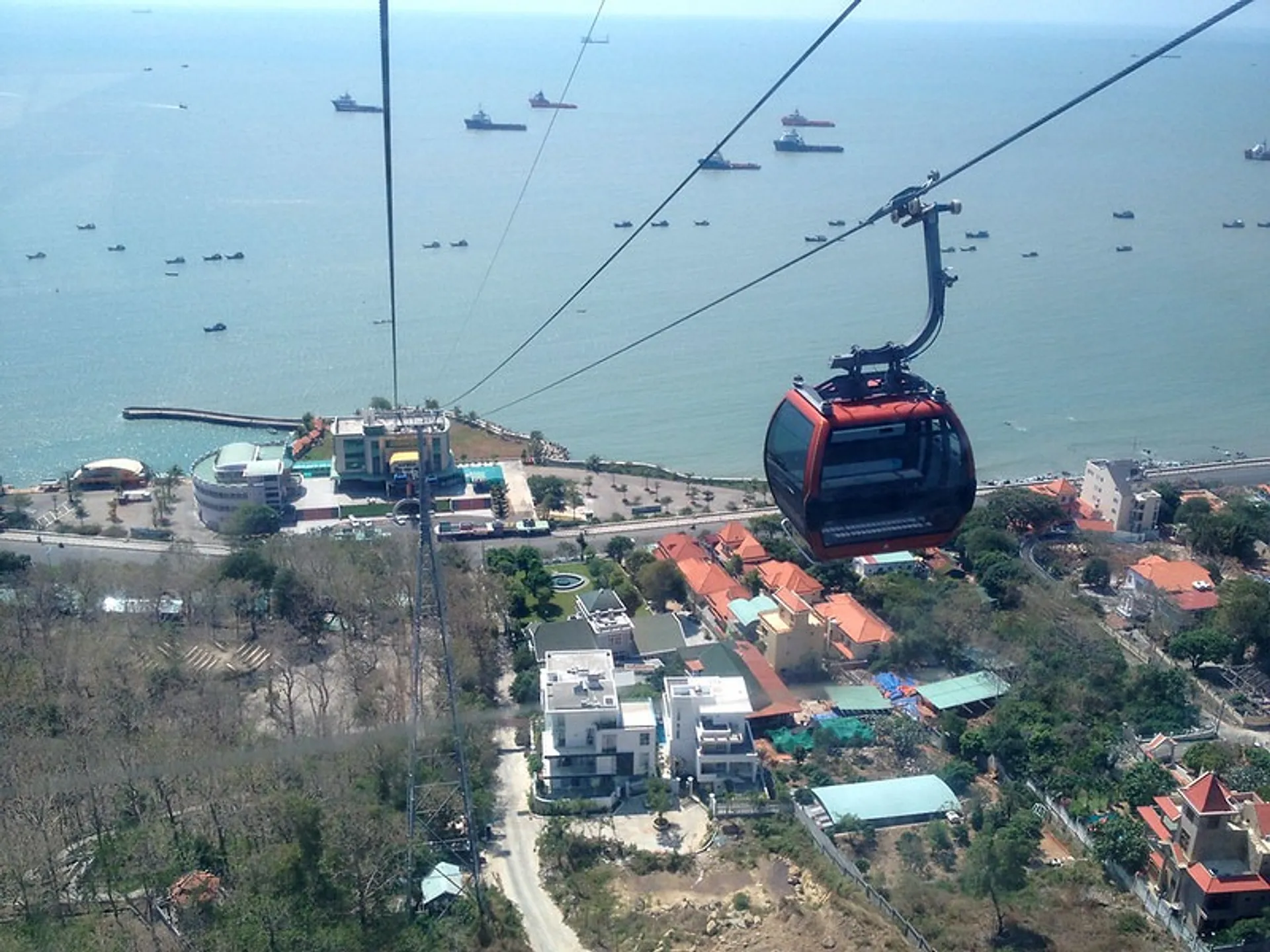
“When in the criminally underrated Vung Tau, a couple of hours south of Ho Chi Minh City, Vietnam, in September last year, I took the modest 5-minute cable car alone on the way to Hồ Mây Park - a mountain-top amusement resort that is as bizarre as it is fun.
Needless to say, I went in the middle of a full-on thunderstorm, and (even though I generally love cable cars) decided that the only way to 'survive' was to make no sudden movements and grip the metal bars with a force that Newton himself had never discovered.
A dramatic recollection? Yes. A fun evening? Also yes. Give it a go...?” - RapturousWanderer78593
At its summit, you’ll find a mountaintop water park (and an artificial lake), the first in Vietnam. Its “Adventure Oasis” is the world’s longest water coaster designed exclusively for kids.
Langkawi SkyCab, Malaysia
Manufacturer: Doppelmayr (Austria)
Objective: Direct transit from the Oriental Village to the summit of Machincang Mountain
Launch Date: November 2002
Vertical Ascent: Elevates passengers 708 meters above sea level
Capacity: Each cabin holds 6; capable of transporting 700-800 people per hour
Track Length: About 2,200 meters of cable
Transit Length: 15 minutes (total journey including middle station stop)
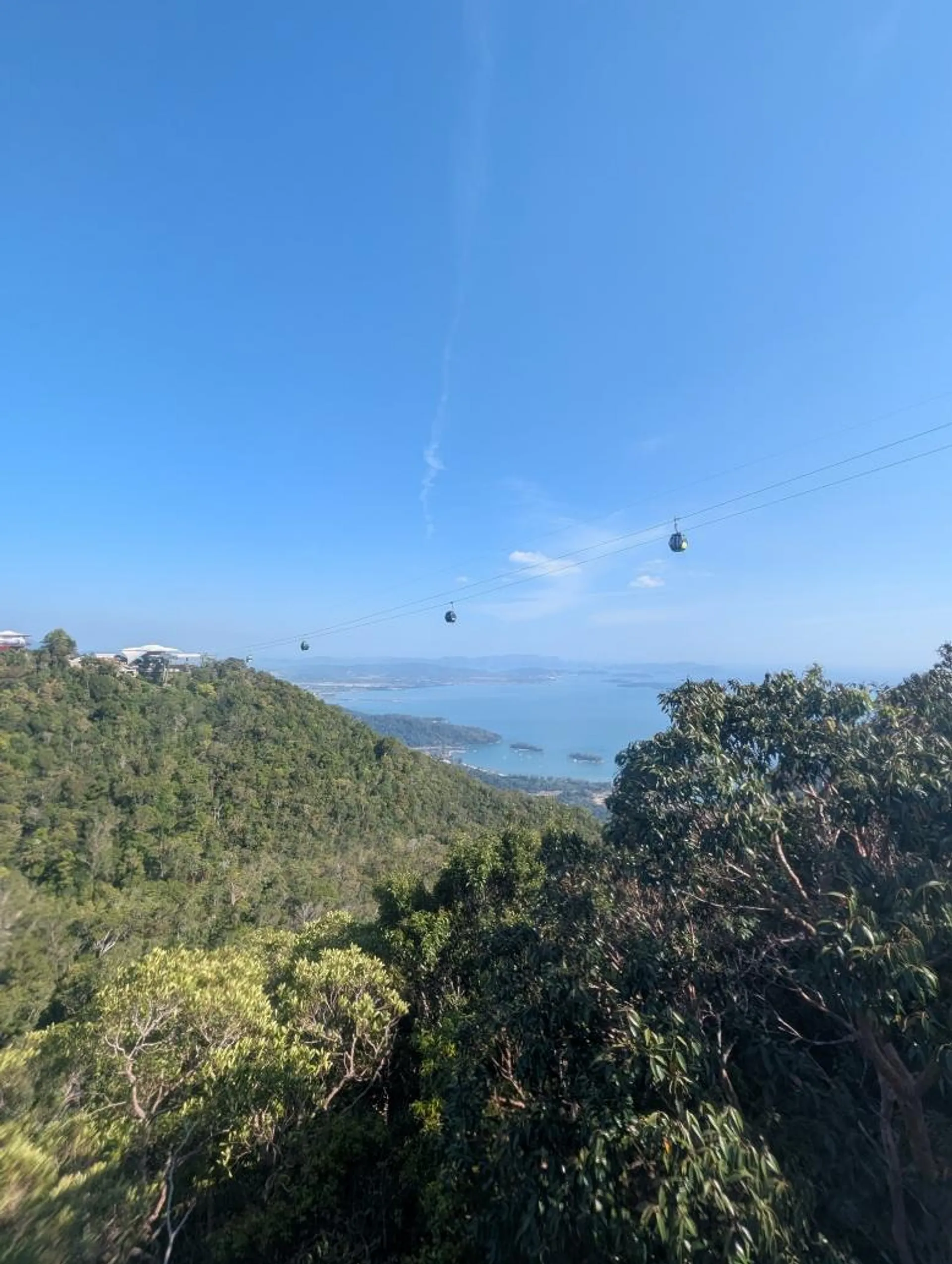
“I just went on the cable car in Langkawi that is apparently the world's steepest! I'm not scared of heights but apparently this was near my limit, as my stomach was in knots on the way down! Superb views though, so definitely worth it!” - ZestyCruiser17980
A 550-million-year-old ride. Sort of. The cable car climbs Gunung Machincang, the oldest rock formation in Southeast Asia—predating dinosaurs by hundreds of millions of years! On a perfectly clear day you can look north to Tarutao National Marine Park in Thailand. But if any gusts of wind exceed safety limits, the cable car’s high-tech wind sensors shut it down, occasionally leaving tourists at the tea station for a “forced” break.
Sarajevo Cable Car, Bosnia & Herzegovina
Manufacturer: LEITNER AG (Italy)
Objective: Connecting the Bistrik neighborhood in the Old Town to the Vidikovac peak on Mount Trebević
Launch Date: Originally opened May 3, 1959; reconstructed and reopened April 6, 2018
Vertical Ascent: Elevates passengers from 583 m to 1,160 m
Capacity: Each cabin holds 10; capable of transporting 1,200 people per hour
Track Length: About 2,100 meters of cable
Transit Length: 7 to 9 minutes
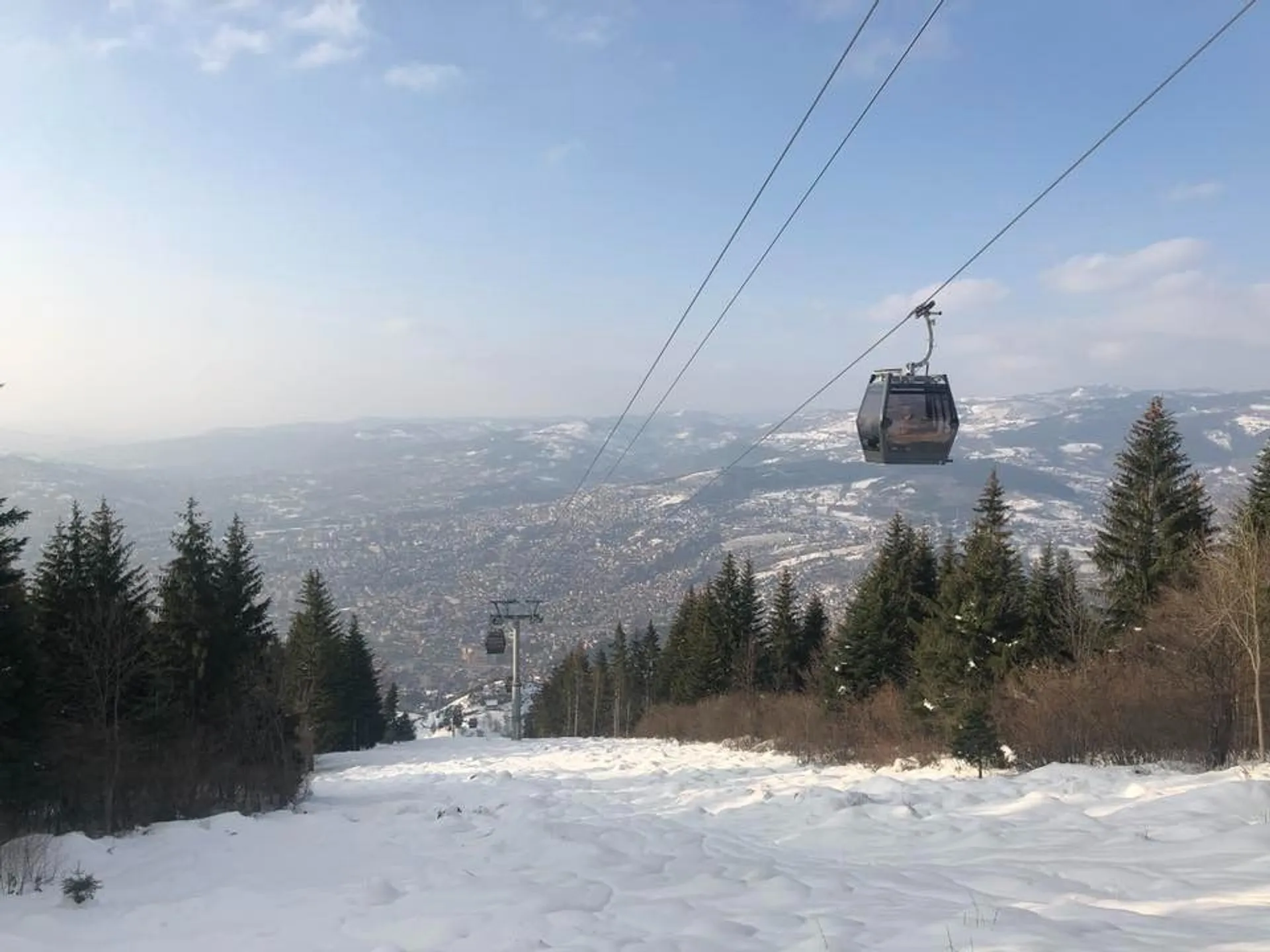
"Sarajevo, top of the cable car next to the bobsleigh." - Scott
"Another vote for Sarajevo" - Ed
Before Bosnia-Herzegovina’s brutal war in the 90s, Mount Trebevic was a beloved place of peace for hikers. The cable car’s inauguration in 1959 meant greater access to “the lungs of the city” for all of Sarajevo’s residents. And in 1984 it became an important venue for the Winter Olympics, with the world’s most modern bobsleigh track newly built on the mountain’s slopes.
Eight years later, the mountain became the enemy when the cable car guard became the first victim of the war in 1992. From the mountaintop, countless bullets rained down on Sarajevo, killing more than 11,500 people during a 1,425-day siege—the longest blockade of a capital in modern history. After the war, the cable car fell by the wayside until a $4 million donation from an American doctor, Edmond Offerman, and his Bosnian wife, scientist Maja Serdarevic Offerman, revitalized the restoration project.
April 6th, 2018 was the date of revival, an important date marking both the city’s WWII liberation and the start of the 1992 siege. The upper station is now named after Ramo Biber, the guard who was tragically shot dead two decades before. At the reopening, Sarajevo's mayor declared, “We have renovated the last destroyed symbol of Sarajevo. This is a monument to love.”
Bonus Rec from the Jack's team: Dursey Island Cable Car, Ireland
Manufacturer: British Chairlift Company Limited
Objective: Lifeline transport for residents and farmers across the turbulent Dursey Sound
Launch Date: December 5, 1969
Vertical Ascent: Runs approximately 22–25 meters above the seawater
Capacity: Holds 6 passengers (or 1 person and 1 coffin); transports approx. 48 people per hour
Track Length: About 374 meters across the open sea
Transit Length: 7.5 to 10 minutes
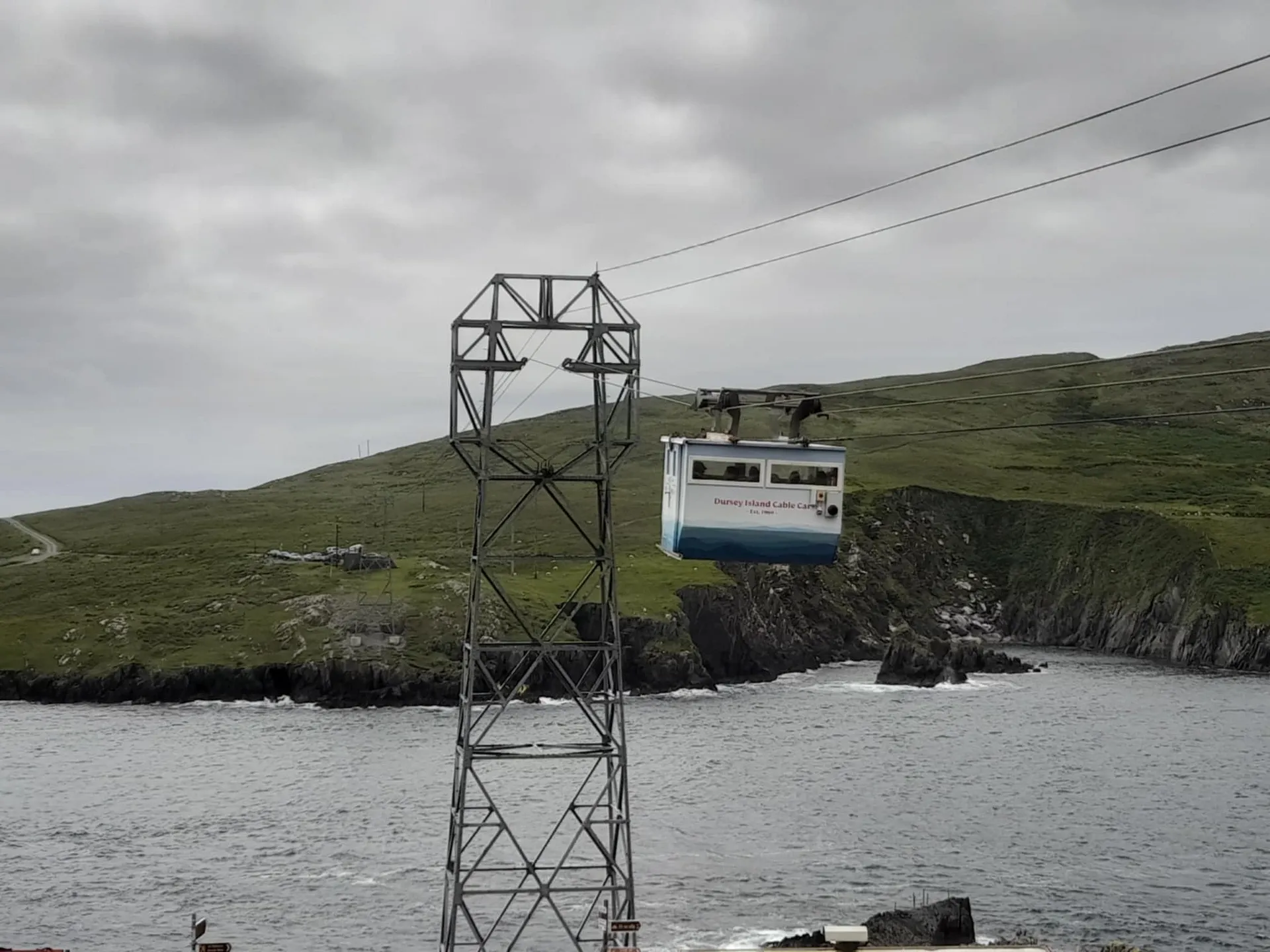
“Ireland's only Cable Car sways from the Beara Peninsula, Cork, to Dursey Island. One time the island was inhabited by hundreds of people; now it’s home to 4 people and hundreds of sheep! Go early to have time to see the island and keep in mind the last car back is at 7:30 pm. Bring your own food and water (there’s no shops on the island). And dress warm.” - Henry, Member Experience
During Dursey’s booming days, the island was infamously hard to reach, often capsizing boats in its treacherous tides. For that reason, Ireland’s only cable car was built, being only one of two in Europe that crosses open water (the other is in Barcelona).
In its glory days, it was the only cable car on the planet that transported not just humans but livestock. Cows and sheep dangled above the Atlantic until 2012, when a health and safety ban was introduced. That said, funerals take absolute priority to this day, so if a coffin needs to cross to the island’s burial ground, you better be prepared to wait.
Honorable Mentions
- Christchurch Gondola, New Zealand - 1,000 meters of pure silence and uninterrupted views of the city and the Southern Alps.
- Loen Skylift, Norway - One of the steepest cable cars in the world soars above fjords
- Mi Teleferico, La Paz, Bolivia - The world’s longest and highest cable car, used by 200,000 people per day, covering 30 km.
- Ngong Ping 360, Hong Kong - This glass-bottom cable car is not for the faint of heart—but those views!
- Mutianyu Great Wall Cable Car , China - A chairlift up and toboggan back down have to be the coolest ways to see one of the world’s seven wonders.