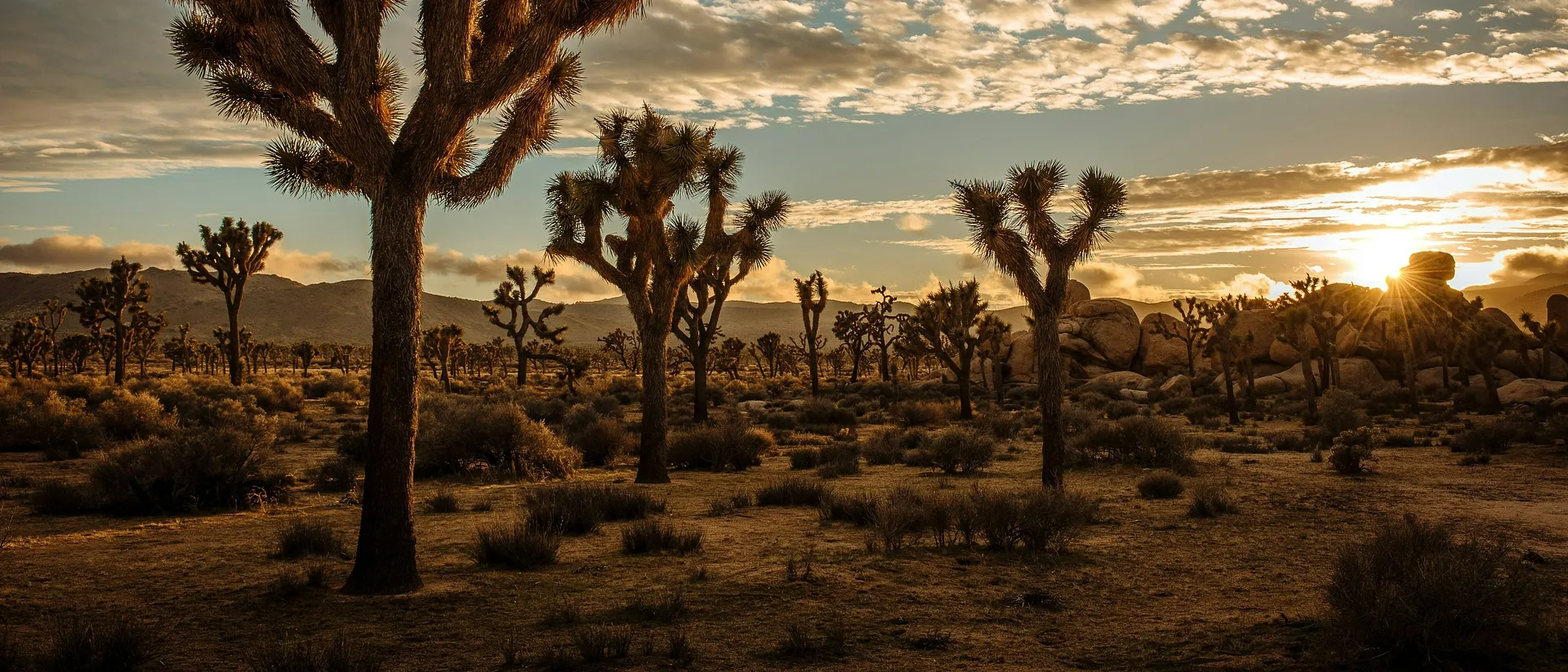
Finding Relief in California’s Desert Hotspot

Olivia Louden
As a Southern Californian and a big fan of road trips, I know pretty much every inch of my state’s desert. It’s one of my favorite regions in the world and it’s far more complex than it looks on a map. When people visit SoCal, they tend to focus on the coastline and treat most of the desert as a wasteland, even though there’s so much worth doing out there.
However, I’m currently up in the Pacific Northwest, experiencing a typically dreary winter that brought me homesickness along with it. So I don’t know about you, but those sun-soaked dusty highways, warm nighttime breezes, and colorful margarita bars are all sounding especially good at the moment.
If it sounds good to you too, we could fly into Los Angeles, deal with the infamous chaos of LAX, and then make that (frankly god-awful) drive through traffic-filled suburbs and cities until you hit the desert.
But fortunately, there’s another option. Instead, we could land at an iconic little town near and dear to my heart, surrounded by the best of the SoCal desert: Palm Springs.
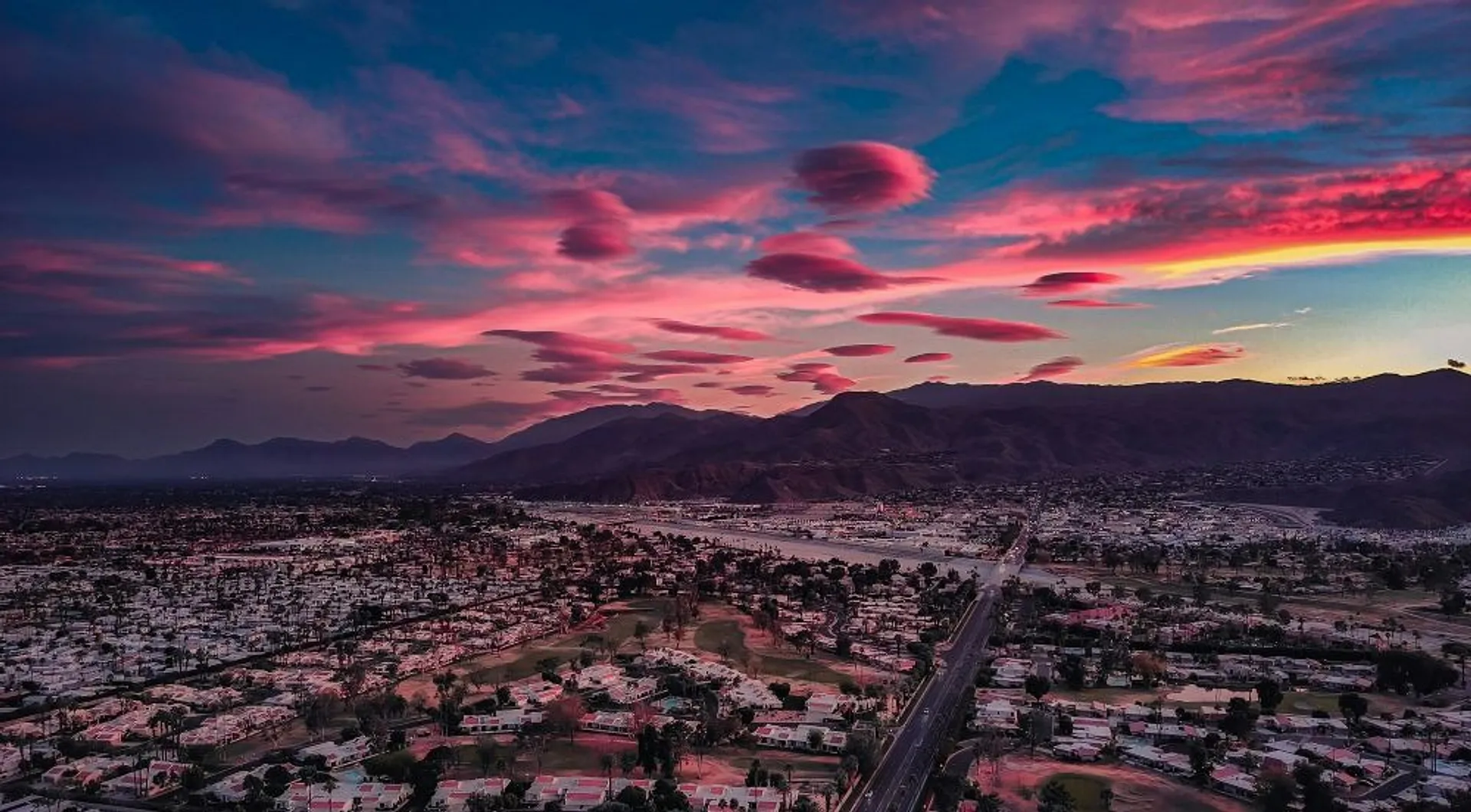
Despite being a pretty small city (about 45,000 residents), Palm Springs has an international airport with surprisingly good connections and much cheaper fares than you’d expect. Compared to LA, you might pay $10-$50 more round trip for a domestic flight into town or an extra $100-$250 RT for a transatlantic flight. To be honest, I’d gladly pay that much to skip out on the hassle of LAX.
In fact, a widespread desire to “skip out on the LA hassle” is pretty much how this town became such a hub. Stylish, naturally beautiful, and juuuuuust far enough from the metropolis to feel worlds away, Palm Springs has had a reputation as an oasis since its beginning. Resorts began popping up in the early 20th century, and by the peak of the Old Hollywood era, it was well-known as a getaway spot for the stars. An afternoon stroll in those days might have involved waving “hello” to Frank Sinatra or Marilyn Monroe.
With all those fashionable folks in town, the city developed a very distinctive aesthetic. You might know that Palm Springs is a major hub for Mid-Century Modern design, with its wide glass walls and sleek shapes, but the homes here really take on a specific Californian flair. Think succulent gardens, breezeblocks, and swimming pools lined with (what else?) rows of palm trees. If you watched the movie Don’t Worry Darling, then you get the vibe. These homes were designed to feel like part of the natural landscape.
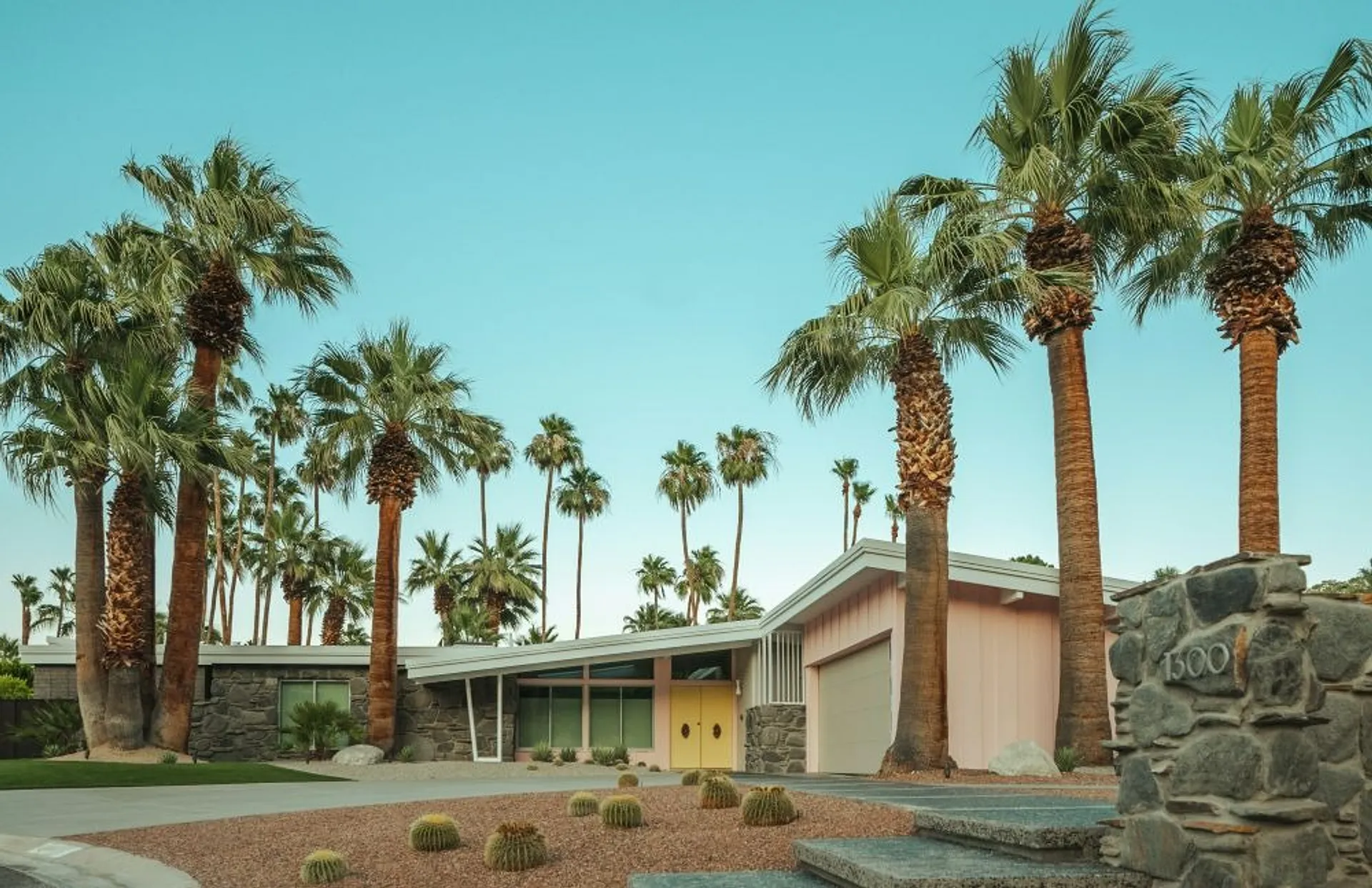
They also make Palm Springs a lovely place to wander aimlessly. You could easily kill an afternoon just by walking or driving around, admiring the architecture (and the town has a self-guided tour to help). Hop aboard the aerial tramway, and you can get a bird’s-eye view of the whole city.
Along the main thoroughfare, you can shop, grab some Mexican food, or check out the swanky art museum. Most visitors grab a resort reservation and spend most of their time either by the pool or on the golf course, but we’re not here to spend all day lounging. We’re here to take in that magical desert...
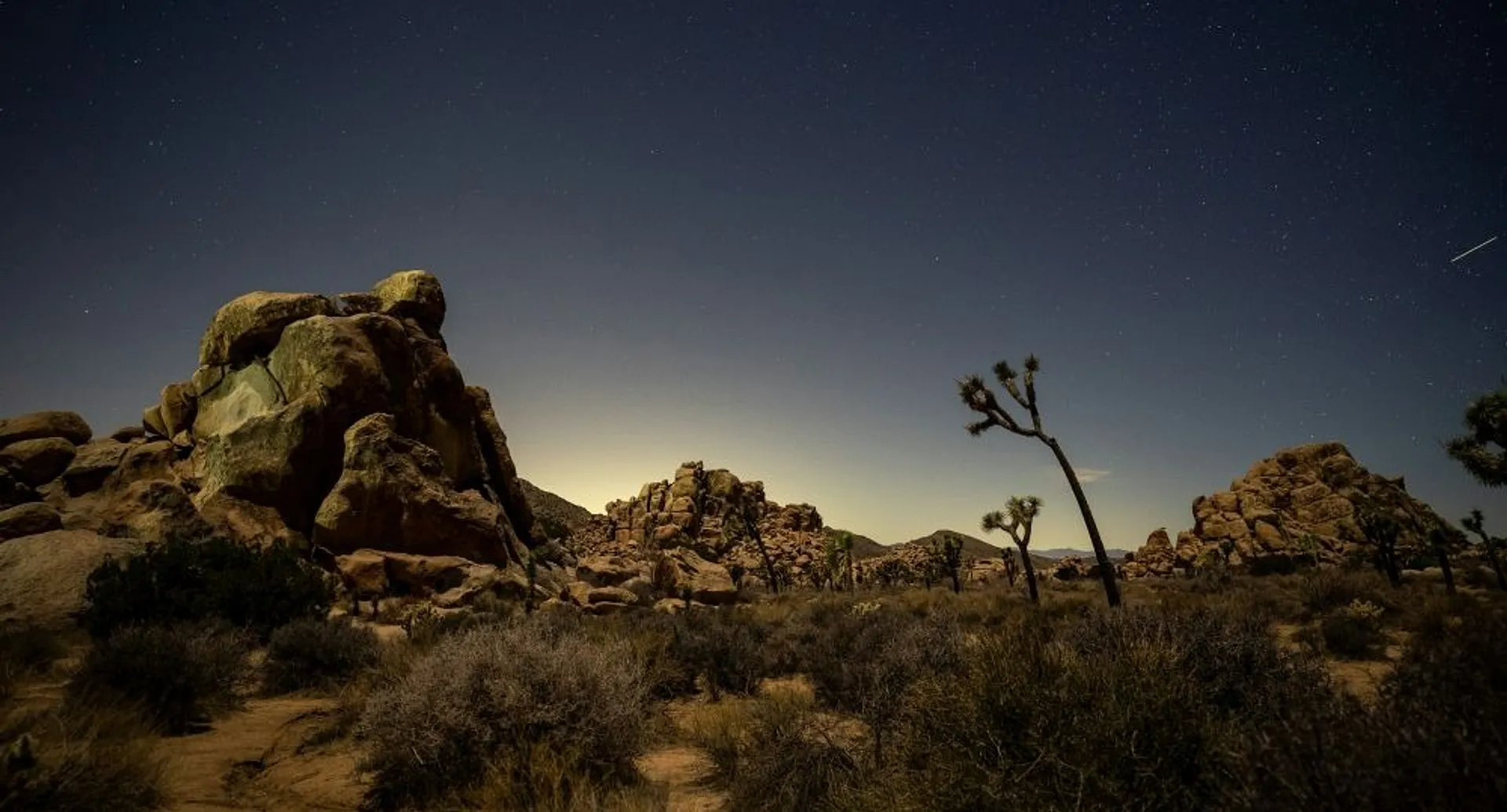
…starting with Joshua Tree National Park, which is practically the city’s backyard. This is where Southern Californians go to unwind and soak up some desert scenery. You might recognize it as a favorite backdrop for music videos — those huge granite boulders and titular trees are a dead giveaway. Unlike a lot of national parks, J-Tree is less about long hikes and arduous outdoor excursions and more about hanging out under the stars, clambering around on the boulders, and listening to the wind rustle through the yuccas.
For some truly serious hiking, you’ll want to head for the San Jacinto Mountains. This pine-covered range is on the other side of the city, opposite the open desert, and criss-crossed with alpine trails. The landmarks have frightening names like "Devil's Slide" and "Suicide Rock," so you know you're in for a fun challenge.
Climb high enough on a clear day, and you can see up to 100 miles into the distance — on one side, a hazy view of Los Angeles, propped up against the Pacific Ocean. On the other, a wide-open array of peaks and valleys that seem to go on forever, interrupted by the silver shimmer of the Salton Sea.
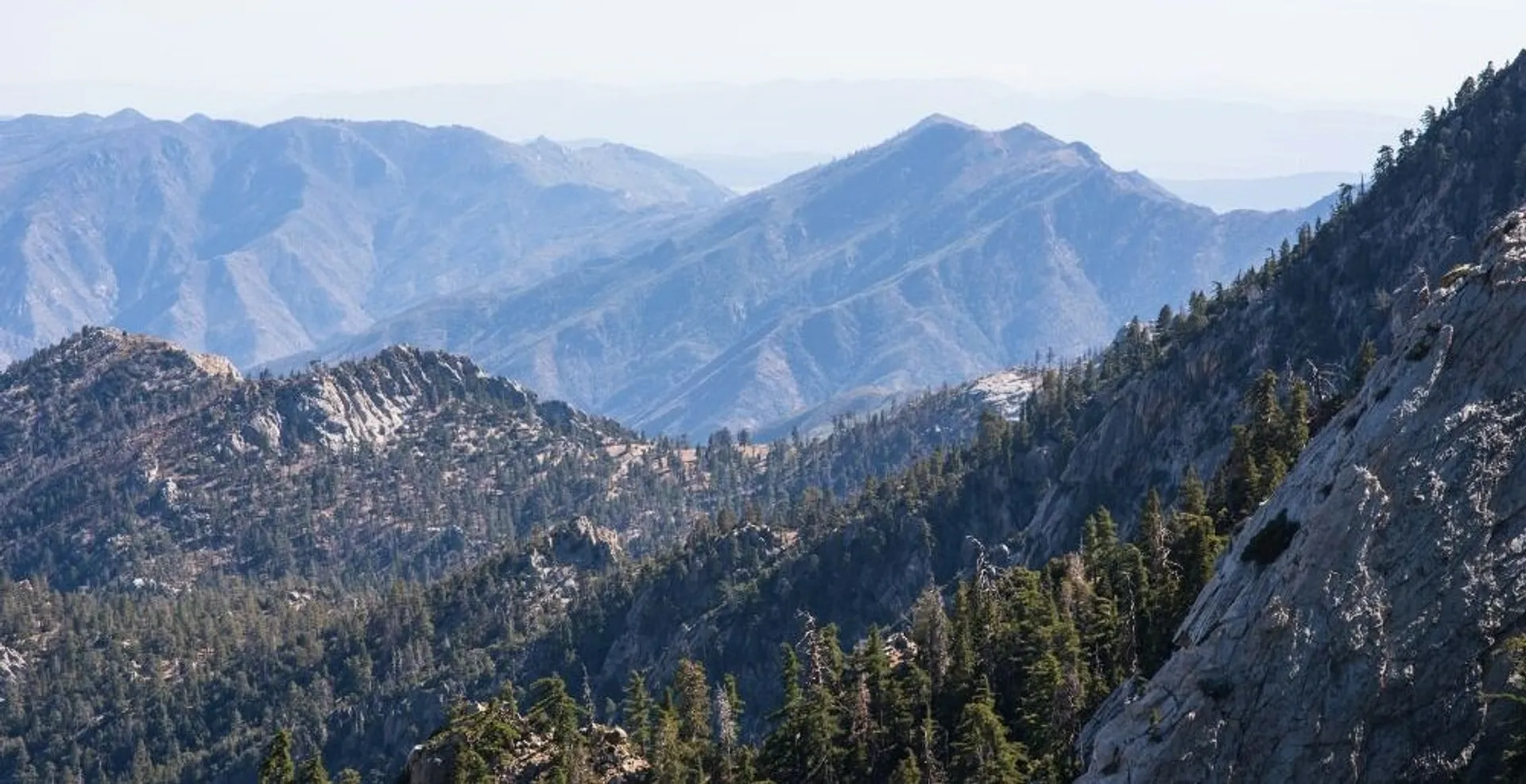
Speaking of which, while that shimmer is often treated like nothing more than a salty mud puddle, I’m firmly in the camp that loves the Salton Sea. It's usually quiet, sometimes desolate, sometimes kitschy and fun, and always interesting. People like to use the word “post-Apocalyptic” to describe that area, but I don’t take that as a negative! It feels like a place that exists outside of society, where like-minded off-grid types can find some peace and community.
It’s the kind of place where you can, I don’t know, wander across the crunchy, salty sand until you find an entire living room set abandoned in the middle of nowhere:
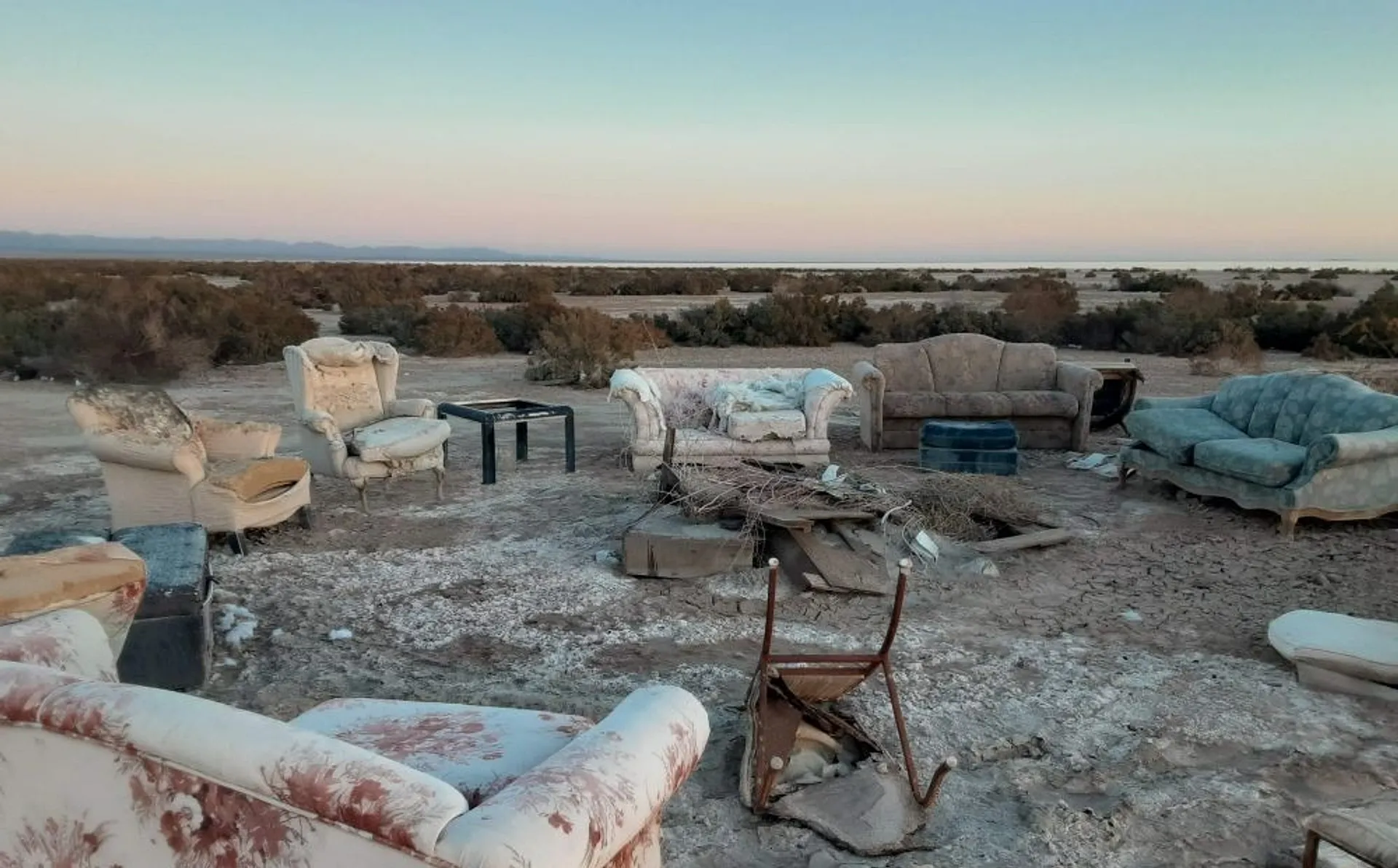
And to think, I took this photo just about an hour’s drive away from the star-studded resorts of Palm Springs. I’m not sure which seems more relaxing.
To get the full picture, you can drive around the whole sea as a day trip. Necessary stops include Slab City (the PEAK desert hippie experience, which could easily be its own article) and Bombay Beach, an artsy, sculpture-covered settlement right on the shore. I can’t promise you’ll feel the same odd magic that I feel out there, but I can promise you’ve never been anywhere like it.
Once you’ve taken in all the scenery, drive home as another purple sunset dips over the hills, and greet the comfortable, laid-back nightlife of Palm Springs. After all, nothing caps off a day in the desert like the relief of digging into a margarita and plate of nachos. That’s really the founding principle of a place like this: offering a little relief.
And if I close my eyes, I can almost taste it.