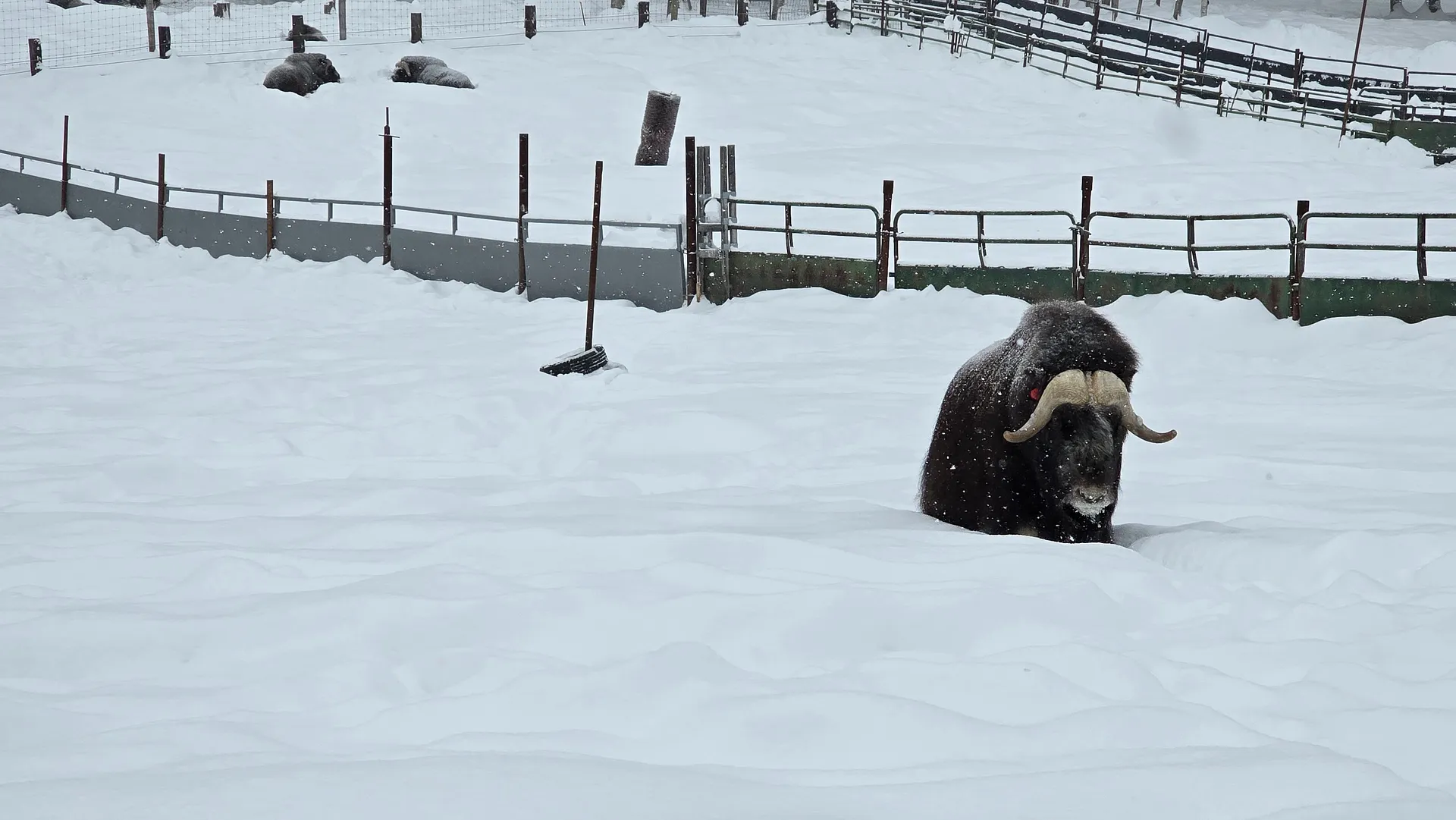
Your Chilly Travel Checklist & Top Souvenirs
Hey there, Travellers,
I'm writing to you today from a train bound for Amsterdam, where I will spend the weekend meeting racers passing through the city for Lupine Racing's latest event, The Benelux Bounce.
This one's a little different from the races we've sponsored previously, as it's basically a giant treasure hunt around Belgium, the Netherlands, and Luxembourg. The more checkpoints they hit, the more points they collect. And we all know what points mean!
But while the racers are out on the rails, trying to dodge delays, replacement buses, and engineering works, I'll be soaking up springtime in the Netherlands. And you know what that means? TULIPS 
However, I'm always open to suggestions and would love to hear your top spots in and around Amsterdam. Aside from all the fantastic museums and windmills, what shouldn't I miss? Food and drink recommendations especially welcome! Just drop your suggestions in the comments.
Happy travels and safe landings,

Katy - Editor of The Detour
Cold-Weather Checklist: What to Pack for Winter Trips

By Jake
Jake is a New Englander living in the woods of Northern California. When he's not traveling the world or hunting down deals for Jack's, he's at home watching old movies. His cat edits all his articles.
They have a saying up north: there’s no such thing as cold weather, just cold clothing. And sure, that might feel like nonsense when it’s -10°F and your breath is crystallizing in front of your eyes, but there’s truth in it. The right gear will keep you cozy and warm at any temperature.
This guide covers everything you’ll need to stay toasty on your next subzero adventure. It’s based on months of painstaking research and my own experiences visiting Fairbanks, Alaska. In mid-February. During a week-long snowstorm.
Unless you’re going backpacking in Antarctica, this stuff should cover you.
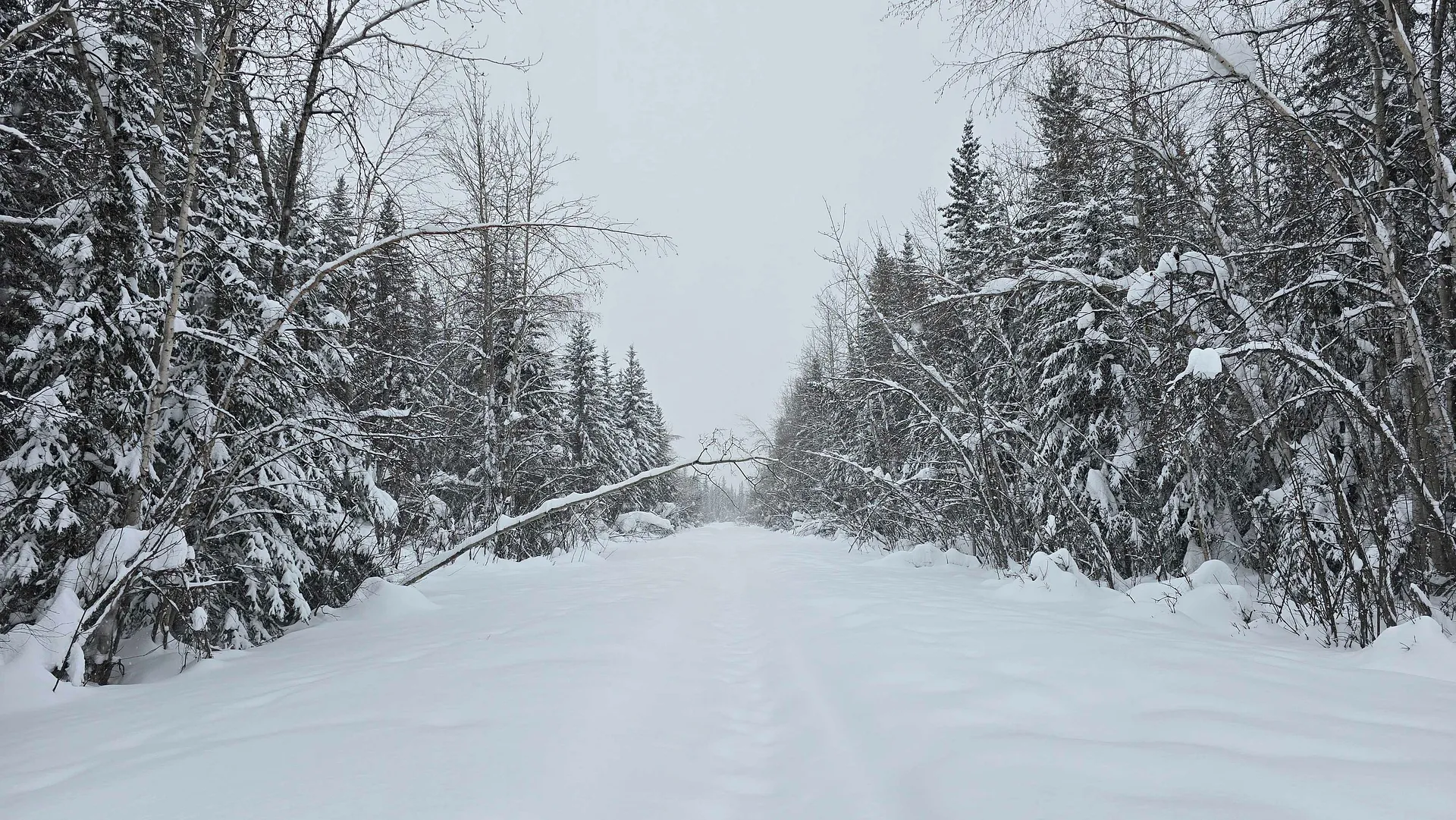
Base Layers
Base layers, thermals, long johns… Whatever you call them, they’re the foundation of any cold-weather outfit. They mostly come in two-piece sets these days, but you can always go for an old-school union suit to indulge your inner prospector. Nothing wrong with the classics!
Base layers serve two purposes: they help keep you warm while removing sweat from your body. And yes, you will sweat, even on cold winter nights. If you don’t wick that moisture away, it can freeze on your skin, and nothing keeps you warm if you have frozen armpits.
For material, your best bet is merino wool. It’s warm, lightweight, breathable, and it wicks sweat like a dream. Unfortunately, merino wool can also be kinda expensive — I paid about $200 for the set I brought to Alaska. If that’s a bit outside your price range, synthetic fibers like polyester and nylon are almost as good and a whole lot cheaper. They’re not as warm, but they wick moisture just fine and cost about $50-$150 for a solid pair, so you won’t have to explain to your partner why you spent a couple hundos on long johns.
Whatever you end up buying, make sure you avoid cotton. Because cotton absorbs moisture rather than wicking it away, you’ll finish every hike with a shirt made of ice water. And that’s gonna suck.
Mid Layers
Alright, here’s where things get a little more loosey-goosey. Remember that whole “frozen sweat” issue from the previous section? Even with a good base layer, you’ll still want to avoid overheating as much as possible.
Overheating? In freezing temperatures?
It’s more common than you’d think! You wake up to a chilly morning, so you leave the house wearing your warmest clothes. But then the sun comes out, you start walking around, your heart rate goes up… suddenly you’re roasting under your jacket.
That’s why you want mid layers, plural. It’s the easiest way to regulate your body temperature throughout the day — put on four layers in the morning, cut down to two by the afternoon, up to five for stargazing that night.
Unless you live in the desert, you should be able to piece your mid layers together from clothes you already have. For my trip to Alaska, I brought a few t-shirts, a lightweight long-sleeve shirt, a heavy long-sleeve shirt, a hoodie, and a fleece jacket. For my legs, I stuck with a single pair of insulated weatherproof pants over the base layer, but I’m a cold-weather critter by nature. If you’re worried about a chilly lower half, some proper snow pants would be a great investment. You can get a solid pair for about $80-$150, depending on the brand.
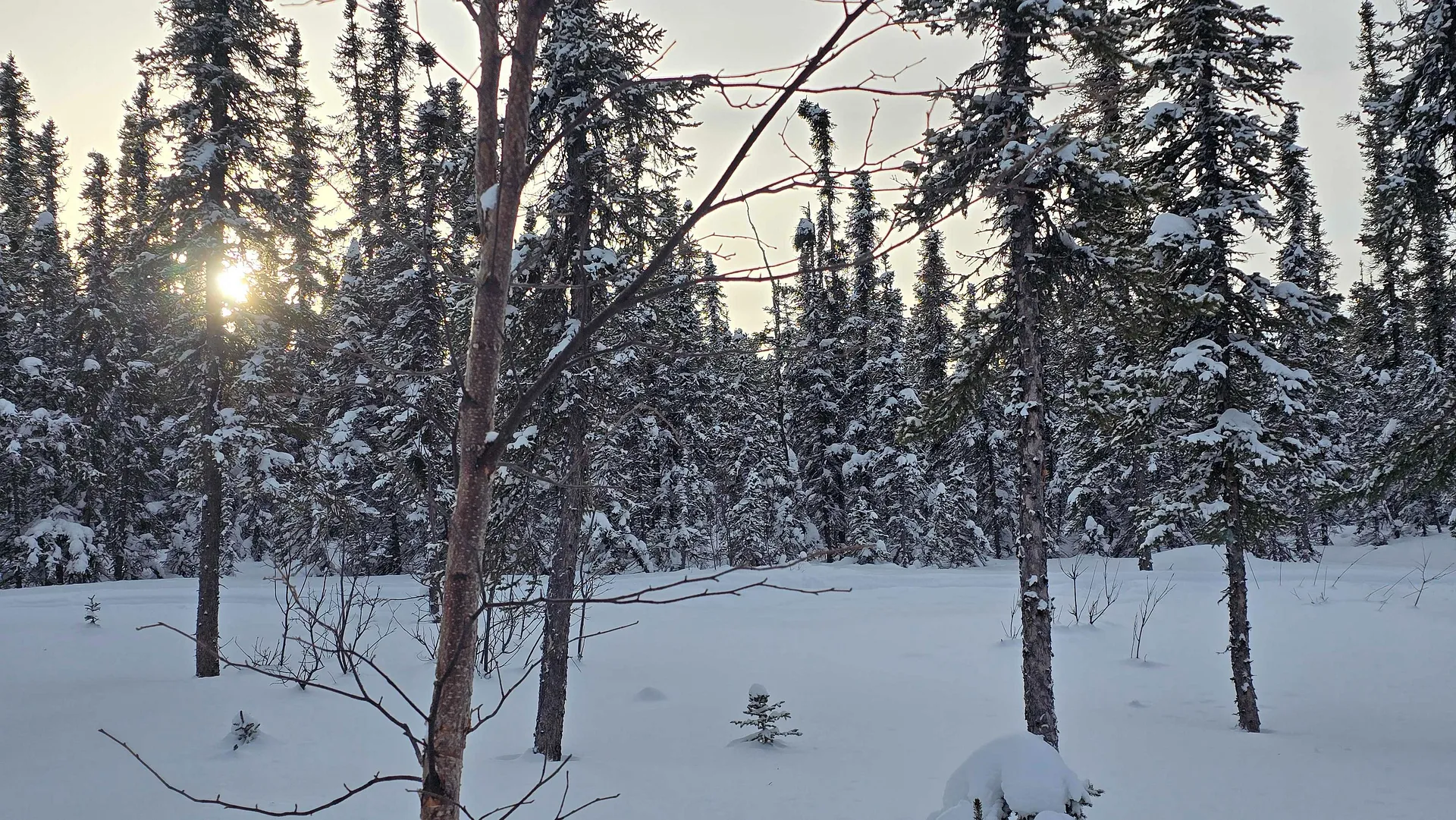
Parkas
Along with boots, a warm jacket is probably the single most important thing you’ll bring on a cold-weather trip. You can skimp out on most of your other gear and still get by, but only if you have a good parka to fall back on.
That means definitely no wool. A traditional pea coat might feel nice and cozy, but rain and snow will turn it into a big, heavy sponge in short order. And while merino wool doesn’t absorb moisture the same way, it won’t do much to keep the wind out.
For insulation, nothing will keep you warmer than down. All the science in the world still can’t beat actual feathers, although synthetic fibers come pretty close these days. Unless you’re looking at some truly fancy gear, you’ll probably wind up with a natural-synthetic down mix anyway.
When you’re browsing down jackets, check for a measurement called fill power. This refers to the fluffiness of the insulation, with higher ratings signifying airier down. The bigger the number, the lighter and more compressible the parka will be. An inexpensive jacket might have a fill power of 400-500, while nicer ones hit 900 and above. A lower rating will still keep you warm, mind you, but it’ll be bulkier (and harder to fit in your suitcase).
For the outer shell, look for weatherproof synthetic materials like Gore-Tex or nylon. Try to avoid cotton, although a blend won’t hurt as long as there’s enough nylon in there. The wind up north gets pretty vicious, so trust me, you’ll want a tough shell. You’d be surprised how easily a gust can cut straight through to your bones.
Speaking of which, make sure you pick a jacket with a hood. Popping it over your head is the best way to stop the wind from blasting you in the face and blowing down the neck hole of your parka, chilling you from the inside. You’ll also want elastic or Velcro cuffs to block the armholes, and a zip that goes high enough to cover your neck and the bottom of your face.
The best cold-weather jackets will cost you upwards of $400, although you can get some pretty solid budget ones for $250 or so. If that feels steep, I’d recommend checking Vinted for a secondhand parka. People will often buy them for a single trip, only to sell them the next time they clean out their closet.
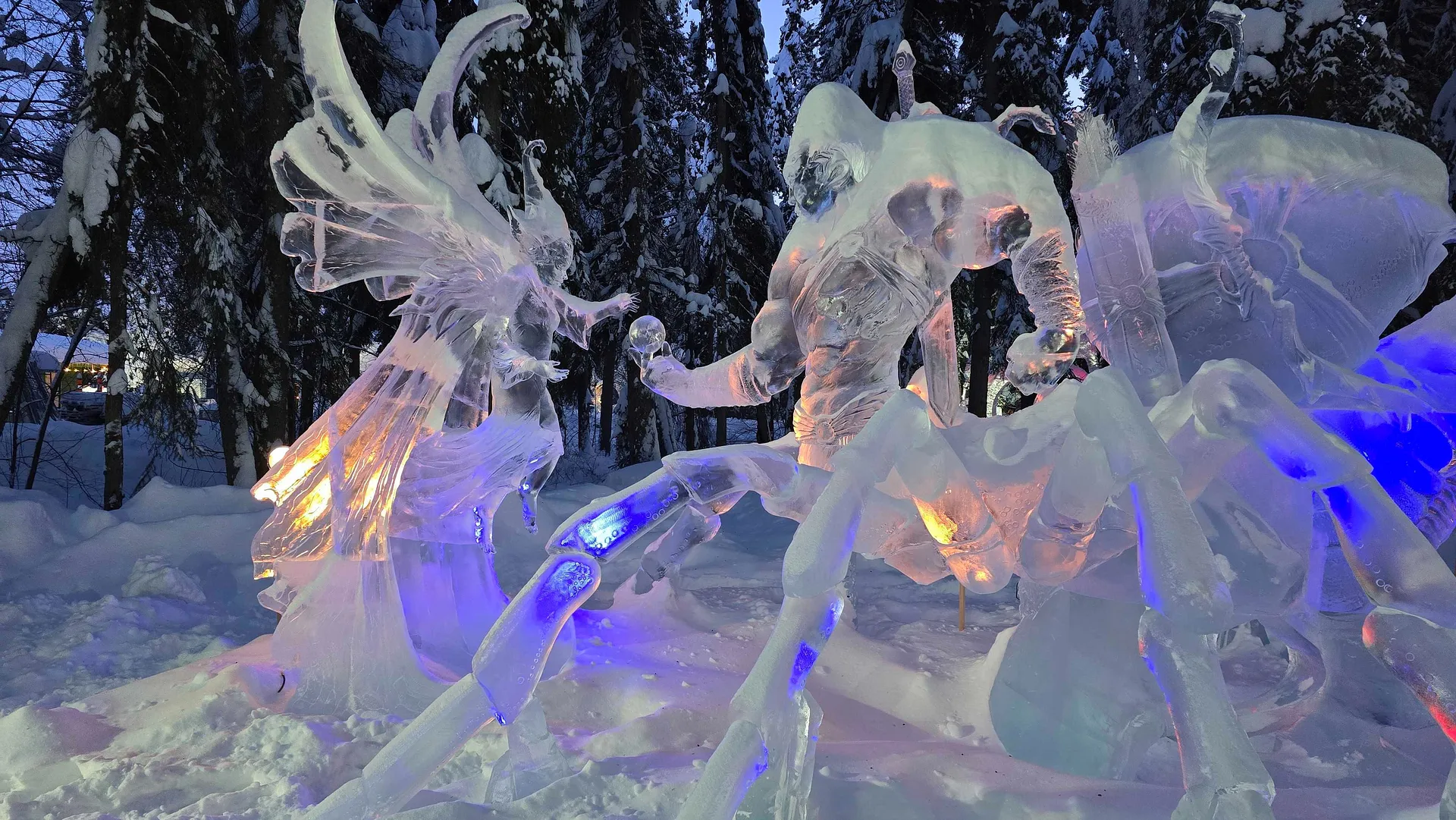
Boots
Boots are another piece of gear worth spending a bit more on. Jackets don’t reach all the way to the ground, and you’ll feel the cold in your feet long before it reaches your core.
Right now, there’s at least one person thinking, “Hey, I have a nice pair of heavy hiking boots. That should be fine, right? I can just double up on socks to stay warm!”
That, my friend, is a recipe for frozen toes (or even frostbite). Hiking boots will keep your feet dry, but they won’t keep you warm. They also don’t usually go up past your ankles, so snow can fall in and melt, creating a miserable puddle of ice water in your boots. And, unless you’re packing socks specifically designed for layering, wearing multiple pairs will just constrict the blood flow to your feet, making them even colder.
Luckily, snow boots solve all those problems. I splurged on a nice pair of Sorels (about $220), and was very glad I did. Those things kept my feet warm and snug for the whole trip — I didn’t even use the toe warmers I brought!
Since your boots are providing the warmth, focus on socks that wick away sweat. I recommend some lightweight synthetic pairs, but you can go for wool if you want to add a little extra heat retention. Just stay away from cotton and you’ll be fine!
Winter boots typically have a temperature rating, so look up the nighttime lows for your destination and use that as a guide. For something all-purpose, a -20 or -40 rating (-30 to -40 in Celsius) should cover you for just about anywhere. Look for boots with removable insulated liners (easier to clean) and make sure they come up past your ankle to keep the snow out.
One last tip: Your pant legs go over your boots, not tucked into them, in case the snow goes higher than the top of the boot.
Keep reading so you can be as cozy as Jake on your next Arctic expedition!
We Came, We Saw, We Conquered the Gift Shop
By Akasha
With journeys spanning more than 30 countries and ten years, Akasha's best memories live in the pages of her passport. She always consults her tarot (and her cats) before any big trip. Currently based in Ireland, when she isn't travelling, she’s probably drawing in a café somewhere.
Until recently, I had forgotten that my deep-seated desire to travel had probably stemmed from the bottle-opening, glittery claws of a lobster screaming at me to visit Boston. That was until I went for a glass of juice at the house of somebody I was seeing. His entire fridge, from top to bottom, was a chaotic, brilliant mosaic of “I was here.”
At first glance, the mass-produced magnet from Rome might be all plastic and tack, but once it’s on YOUR fridge? It's a portal to that sweltering day in July when your lips tasted the first, perfect scoop of gelato di limone.
Standing in that kitchen, juice in hand, I thought about the psychology of collecting souvenirs and what they say about us. It made me wonder about the miniature worlds clinging to everyone else's freezer doors right now.
As it turns out, the way we anchor our memories is just as diverse as the destinations themselves. From the classic magnetic kitsch to the oddly specific, here’s what the Jack's community on Facebook has been bringing home:
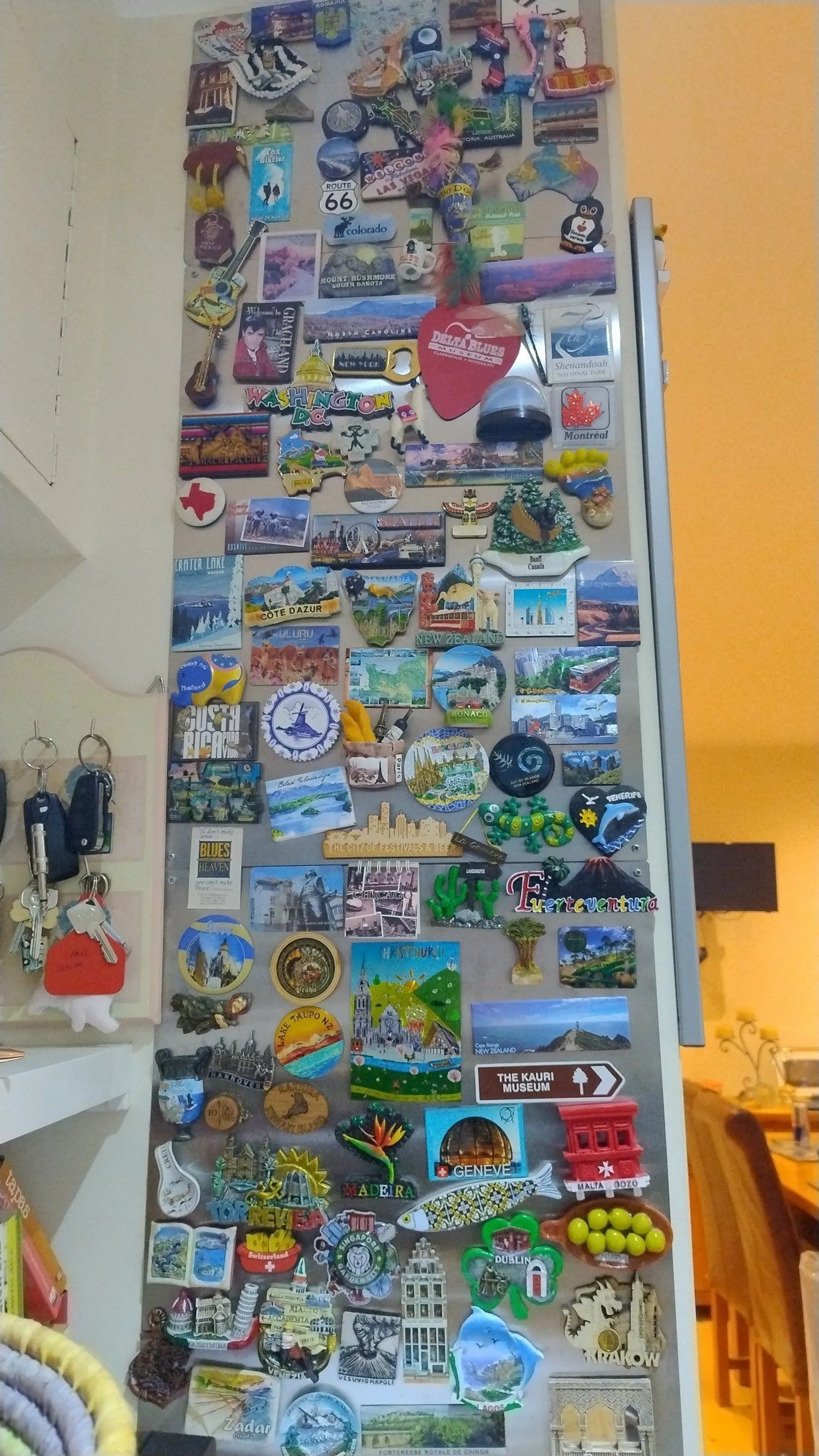
"We love a fridge magnet! This is the 'international collection', UK magnets have their own section. We have strict rules for our collection - we can only get 1 per country per visit (unless the country has multiple islands). We must have seen the thing depicted on the magnet, and it must be as tacky/ugly as possible." - Claire
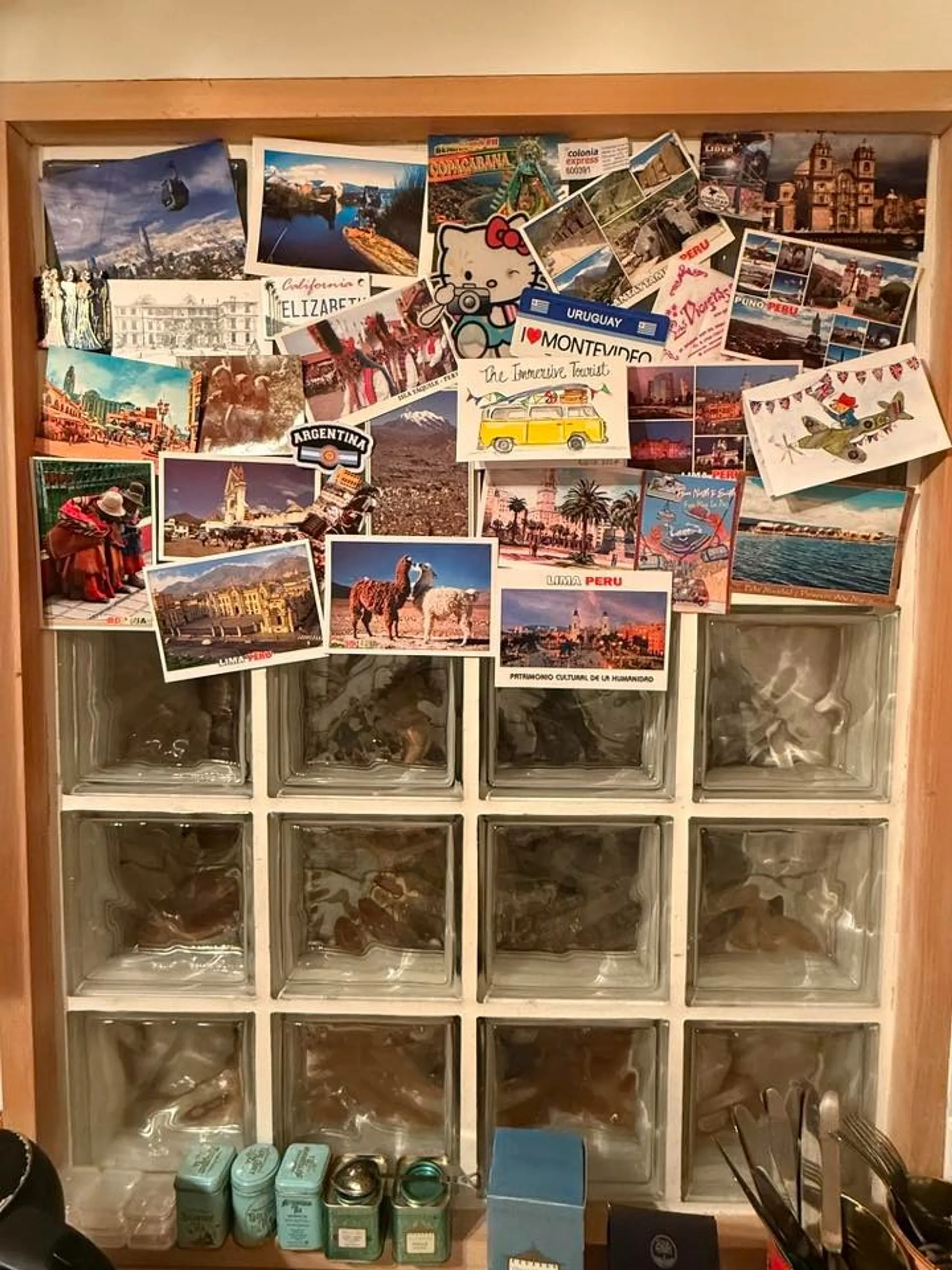
"I have a Wander Wall with mostly postcards. This is 2026 Wander Wall so far. On 31/12 I take it all down and put it in an album, then start all over again." - Elizabeth
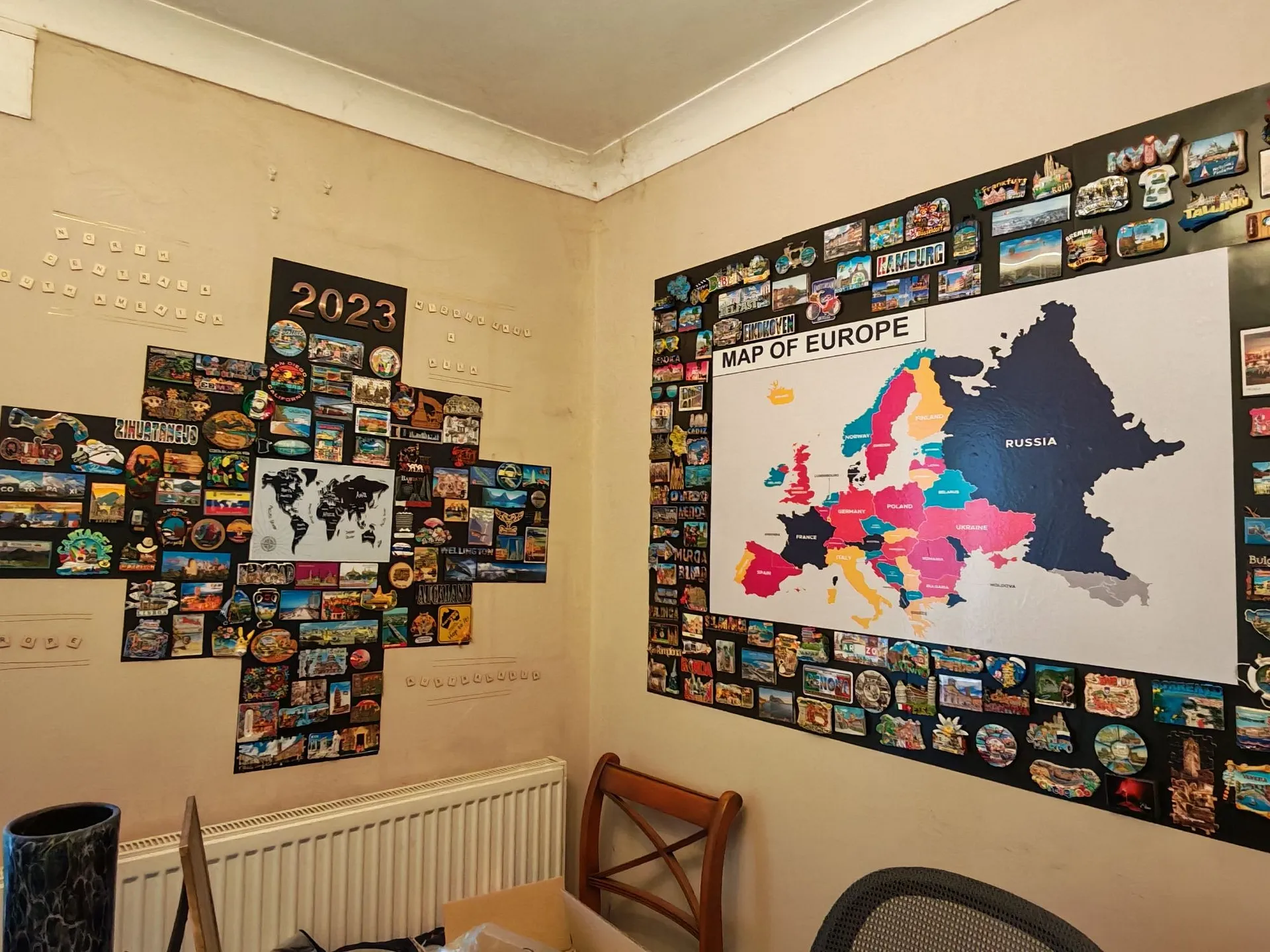
"I've made two displays of our magnets. We've also got a double fridge covered in them! The ones on the left are the magnets from our year abroad in 2023. I decided to do one for Europe as well, as we'd run out of fridge space, and I've traveled Spain, Italy, and Germany in particular extensively.
I also bring home diet drinks. My brother is T1 diabetic and lives in a care home. Wherever I go I buy any sugar free/diet drinks for him. The flavours and types of drinks change regularly so even if I go somewhere more than once, they've always got something new." - Clem
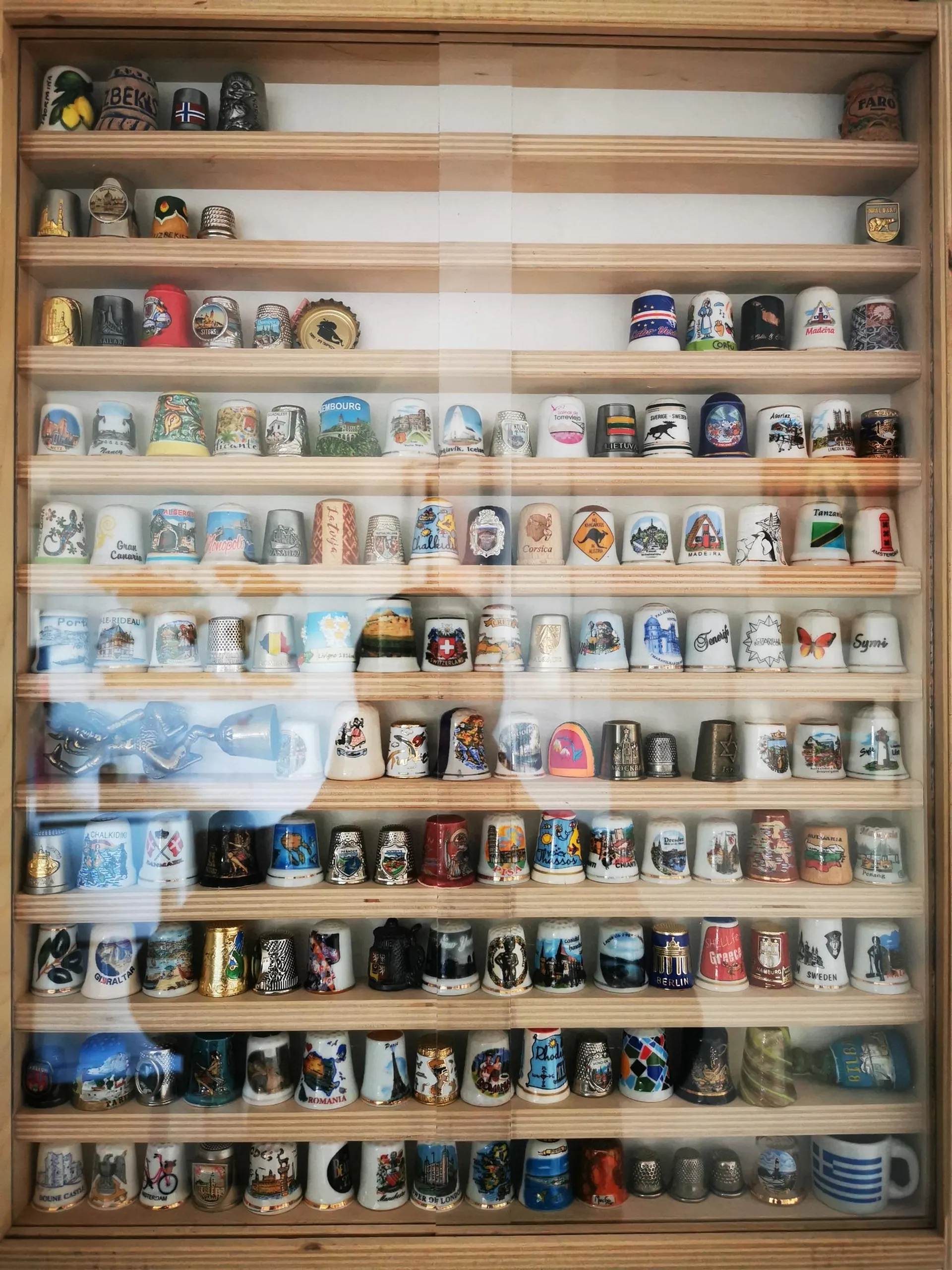
"Thimbles. I have quite an extensive collection.I am surprised of the variety of materials that go into making them. The one from Bulgaria is from wood and the 'flowery' one above Thassos is from South Korea and it's basically paper wrapped in silk." - Mădălina

"We collect something for the Christmas tree. In this blurry pic: A bauble from China, a skiing penguin from Canada, Pyramid from Egypt, a wee man from Mexico, Rockette from New York, bauble from our daughter's wedding in Bordeaux, a Santorini church, camel from the UAE, hairy coo from Scotland. Glass Angel from Vienna. A church from Moscow." - Caroline
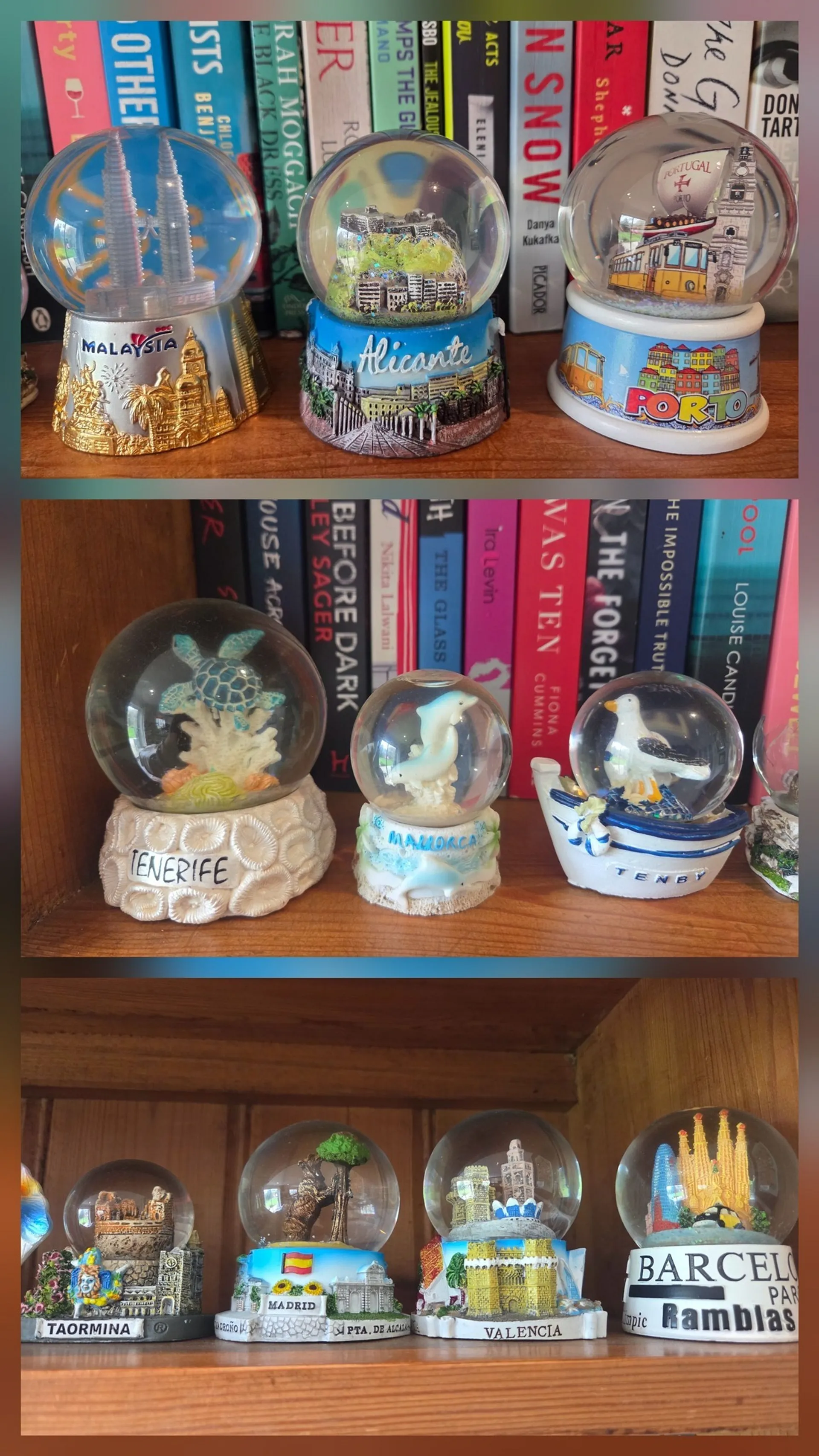
"I collect snow globes. The tackier, the better." - Sue
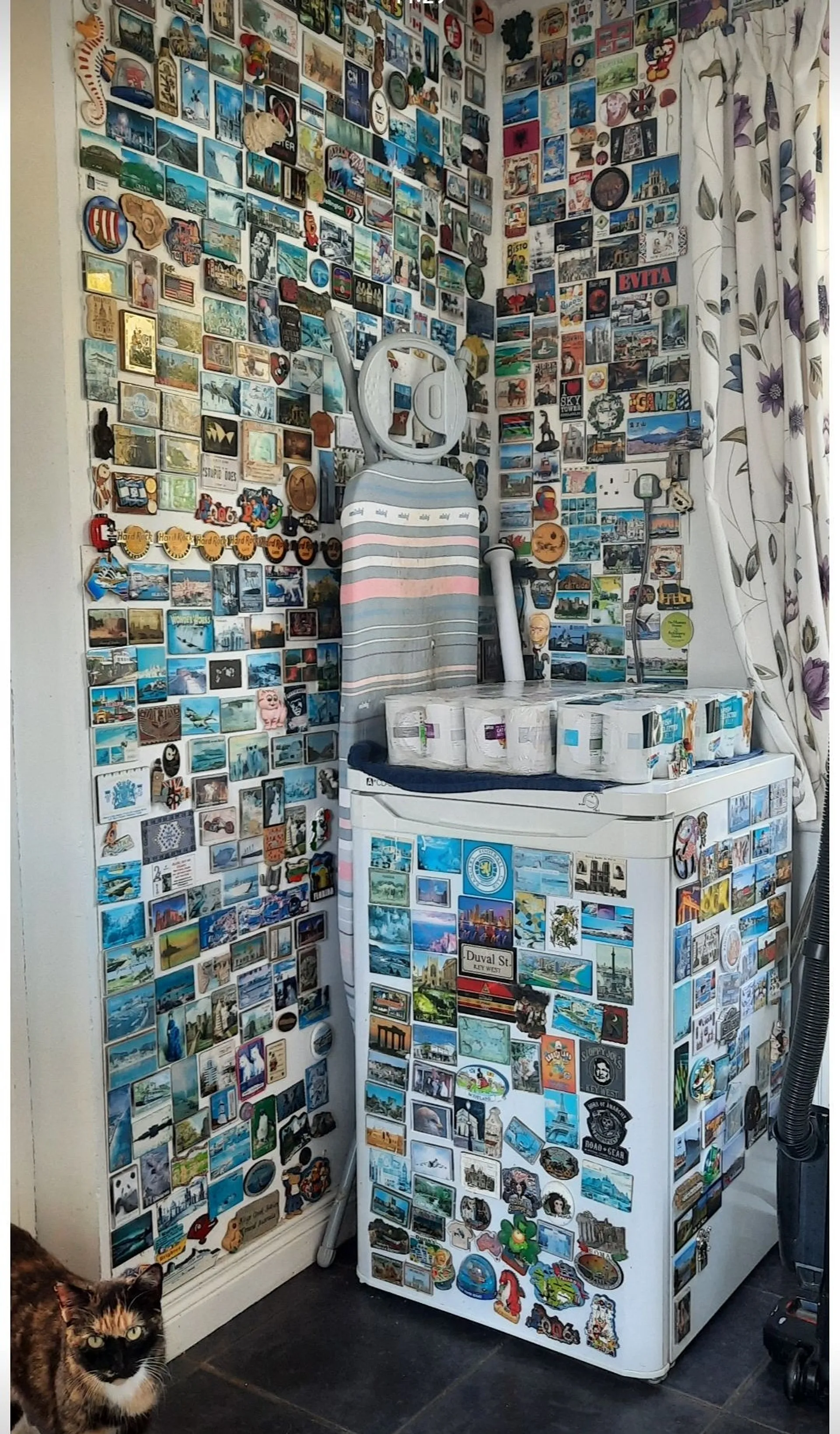
"My husband's collection is in our utility room. He has attached metal panels to the walls to hold them. This is only one corner. My cat, Mono, doesn't look amused." - Margaret
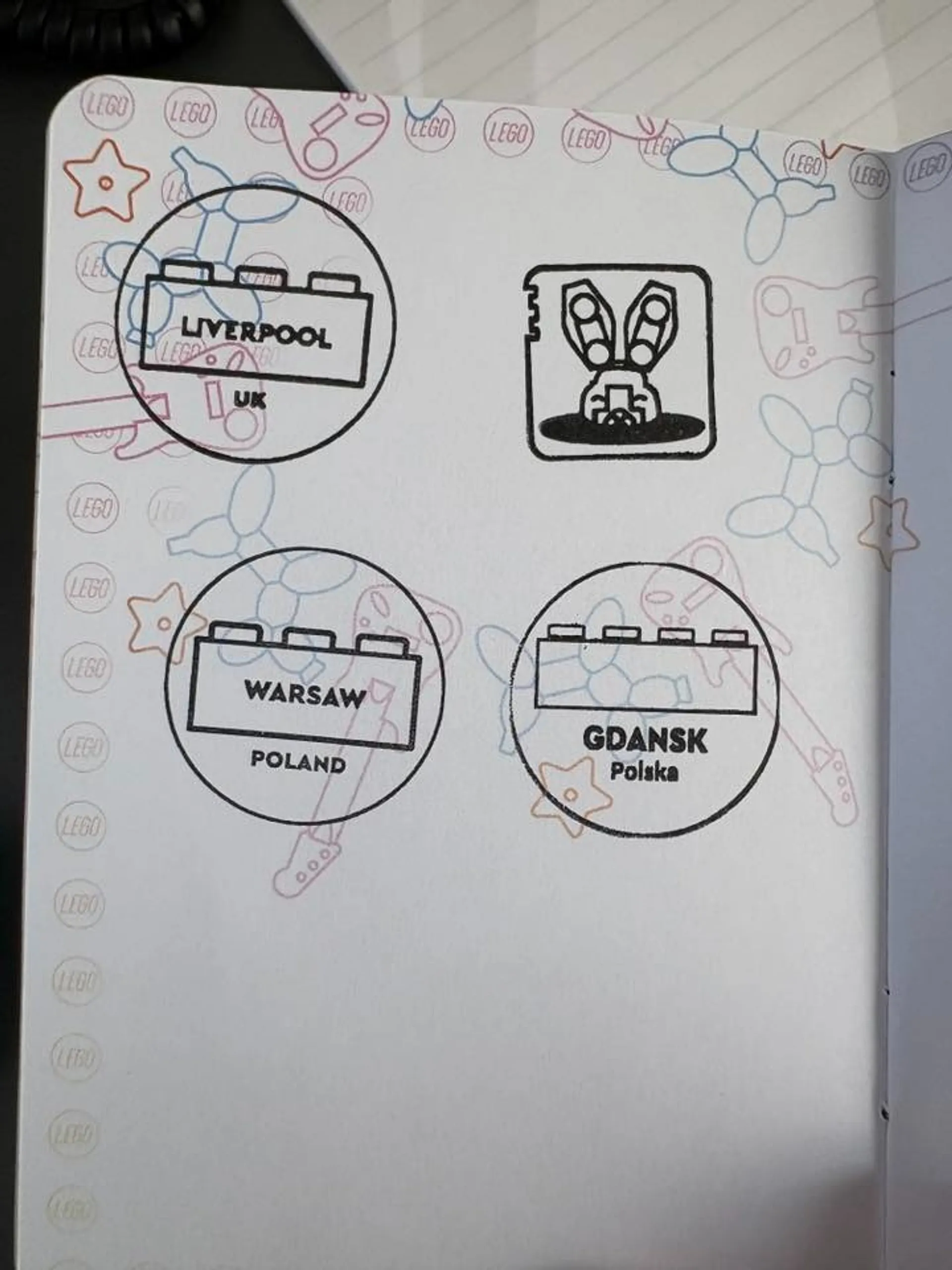
"I collect Hard Rock Cafe T-shirts and, most recently, city stamps in my Lego passport. If the city has a shop, you can pick a Lego Passport up for free, and you can collect stamps with the name of the city. It’s the next best thing now that actual border control stamps are being phased out." - Jenny
Over to you! Check out even more of the community's souvenir swag and share your own in the comments.
Pick of the Clicks
All the important (or silly, or strange) travel news from across the web this week.
- US National Parks are increasingly flooded with admirers. Before you get too annoyed at the crowds this summer, here’s a fresh perspective to help shift your mindset.
- Ever wondered what life is like on the world's most remote inhabited island?
- Ryanair and easyJet were already forced to up their bottom-tier baggage limits, increasing from one small personal item to… a slightly larger personal item. But will they soon have to include a full-sized carry-on, too?
- From the South African savannah to a Scandinavian midnight sun run, here are eleven of the prettiest marathon routes around the world.
- Sometimes the first class flight experience really comes down to those luxurious toiletries. Here’s how these top airlines’ amenity kits compare.
- And finally, are you a good photographer? Do you have thousands of Instagram followers admiring your work? Has a relative ever asked to frame one of your snaps? If your answer to these questions is a fervent “No!” then Icelandair has just the thing for you.