Detour 2/20
Hey there, Travellers,
This is an intro.
Happy travels and safe landings,

Katy - Editor of The Detour
My Visit to the Rebel Headquarters of the Zapatistas

By Akasha
With journeys spanning more than 30 countries and ten years, Akasha's best memories live in the pages of her passport. She always consults her tarot (and her cats) before any big trip. Currently based in Ireland, when she isn't travelling, she’s probably drawing in a café somewhere.
If someone asked you to visit a paramilitary encampment deep in the Mexican jungle, would you?
I did.
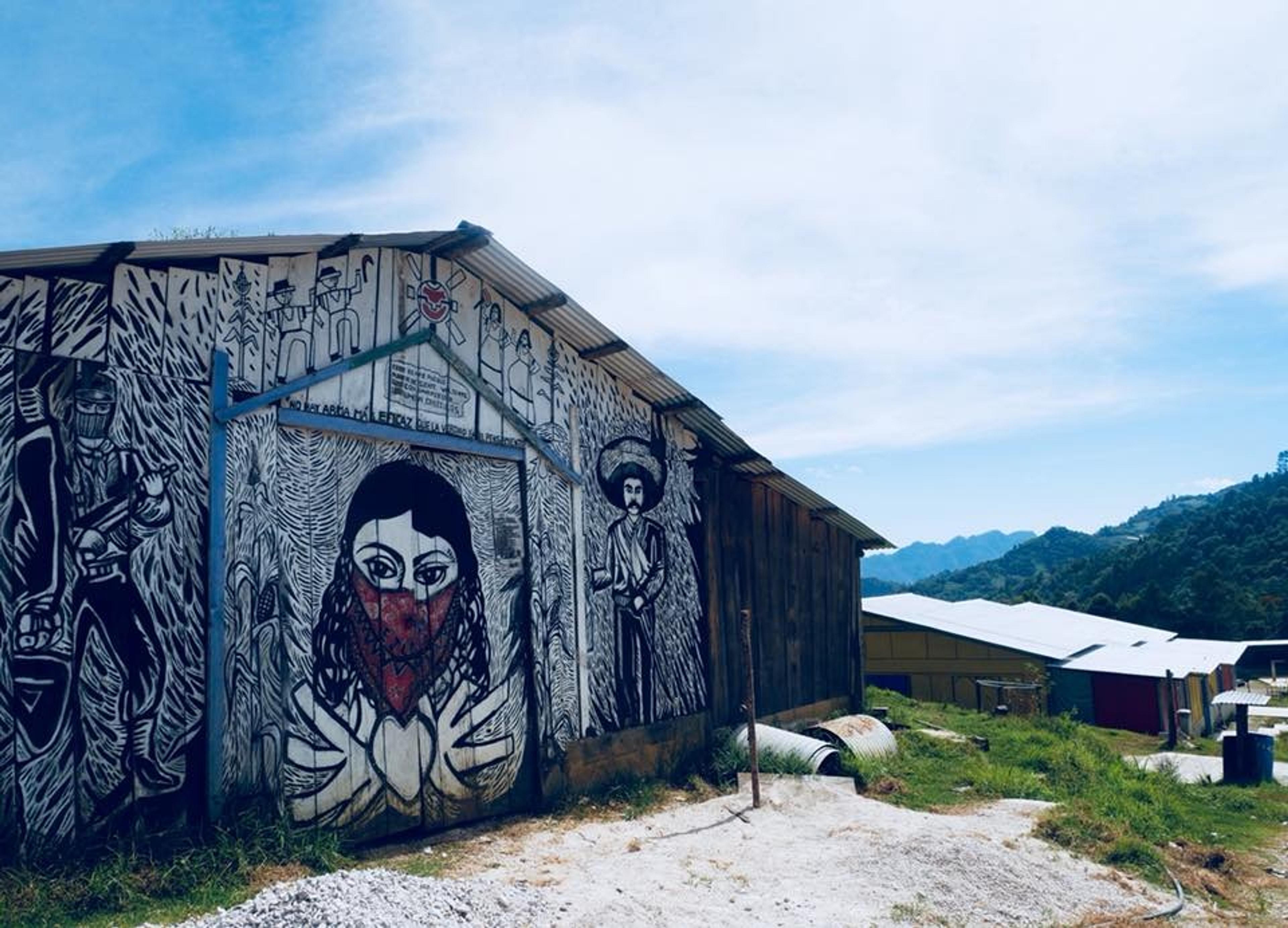
“This is my town, race of brave people who with a stone overthrows castles. There is no gun more effective than truth in thought.”
Blame it on my insatiable curiosity or the restless stupidity I’ve still yet to subdue; they’re the same, both friend and foe, luring me to head out on some pretty questionable side quests during my time here on earth.
Like waving goodbye to my soul-sucking 9-5 desk job in favor of harem pants and Central American hostels. Or marrying a 6-ft-something prepper-turned-fugitive without shoes. Or worse, growing dreads (we don’t talk about that one).
Anyway, without a hardcore Jungian to unravel my twenties, let’s just chalk it up to the fact that I was growing weary of my surroundings in San Cristóbal de las Casas and had a day off work (if you could even call it that; at the time I was volunteering in a hostel in exchange for a bunk—they had two resident cats; I was a simple girl).
Intuition brought me here. I had no intention whatsoever of even stepping foot in Mexico as a green solo female traveler, but Guatemala’s “expat” (I hate using that word) bubble of Lake Atitlán began to grate on me, and I needed a change.
Originally, I was gearing up to climb the volcano Acetenango. It’s a 2-day hike, where at the top, you can camp under the stars while watching its neighbor, Fuego, erupt in near-constant spurts of scarlet rubies. The hike was paid for. All I needed to do was hop in a colectivo and say a prayer that my nature-adverse legs would get me to the top.
But at the eleventh hour, something in my gut told me—or I should say screamed at me—not to go.
And let me tell you, I’m glad I listened. Later that day, Fuego would erupt in a colossal billow of black ash and smoke, its molten fury killing hundreds in what would be the deadliest eruption since 1902.
When someone tells you to trust your instincts, that’s what they mean.
So when, instead, I found myself clutching a last-minute bus ticket to the Mexican border, I had no choice but to do just that.
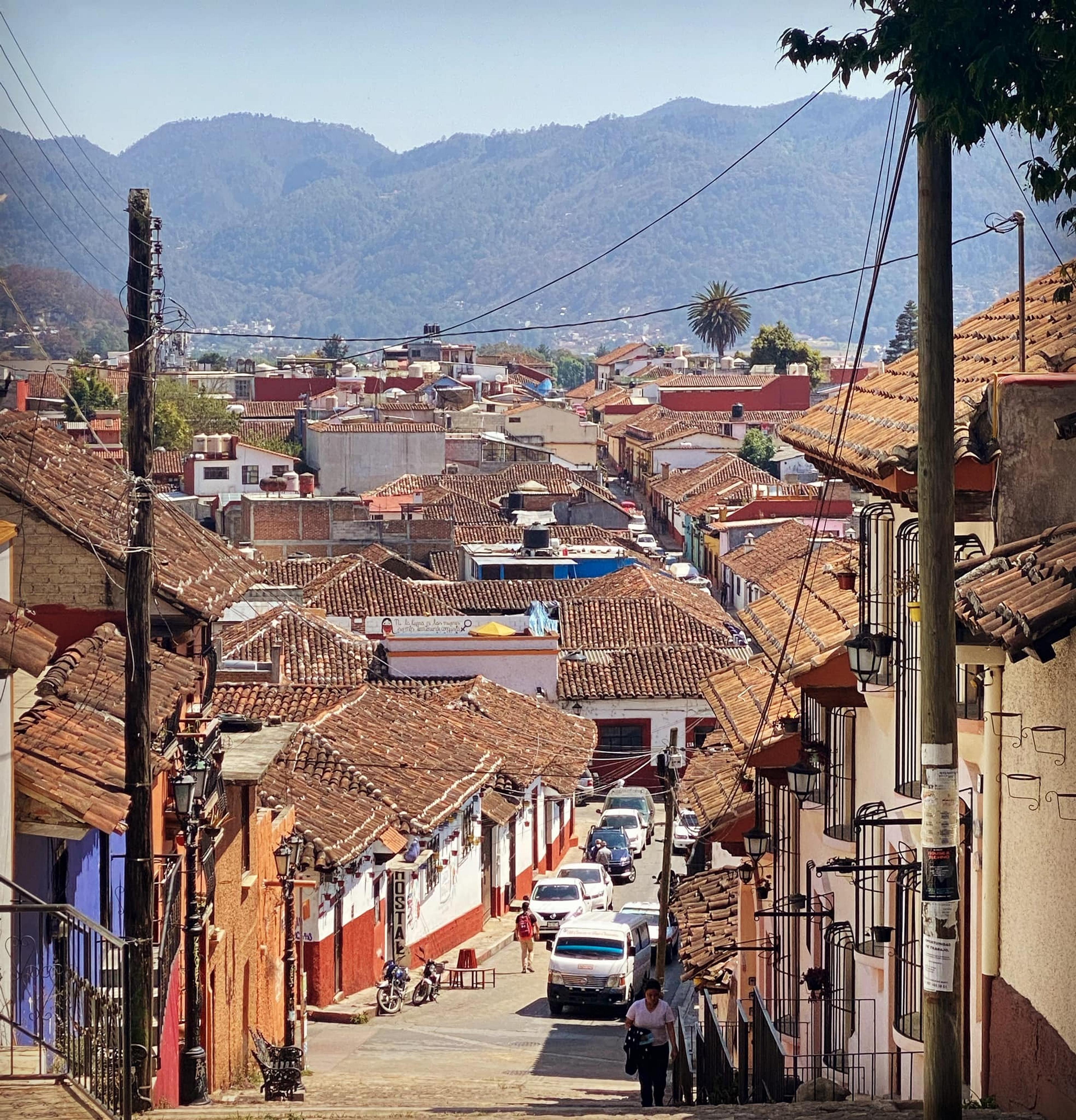
I came to San Cris, a town in the central highlands of Chiapas, with no real purpose. Seduced by its candy-colored murals, I was completely ignorant of their message and its soul—a ghost of the Zapatista uprising born from the battle in 1994. And like many tourists, I was equally blind to the living, breathing chokehold the cartel had under its red-tiled rooftops. But that’s another story.
Fast-forward a month, and the plan—if you could call it that—for my day off was hatched over a coffee and a sticky table in the hostel. What can I say? My bucket list was and still is heavily influenced by Atlas Obscura, Anthony Bourdain, and the Swedish “shaman” with a kuripe pipe in my hostel.
His instructions were simple:
“If you want to see the real Chiapas,” he said, his voice a low rumble, “not the postcard, but the nerve, you should get out to the Zapatistas.
It’s pretty easy; you just have to head outta town a bit, past the main drag in the direction of Mercado Viejo. Keep that market on your right and walk until you hit the dirt road with all the taxis and colectivos. Then just start yelling “Oventicccccc!” and someone will eventually give you a ride there. Take your passport too.
Your Spanish is decent, right?”
Wrong. But off I trotted, excited to add “Met the Zapatistas” to my weekly family check-in on WhatsApp. I had low expectations; the week before, I visited a sacrificial chicken church and still couldn’t look at Coca-Cola the same.
I had hoped, at least, that the woman I met in the market would be happy I’d made the effort. Weeks earlier, I’d found myself at her stall, a riot of woven colors against the stone street. Among the textiles were black balaclavas, each bearing the letters EZLN. When my curious gaze lingered, she didn’t miss a beat.
The scratchy wool was flung over my head, and, before I could even register the letters, her fingers yanked the mask down, poking and prodding at the hole near my eyes. I wasn’t going to just observe the symbol; nope, I was going to inhabit it. Stepping back, she gave a satisfied nod, grabbed my camera, and snapped a picture of my now-anonymous, flabbergasted face.

Then, with the swift practicality of any good merchant, she held out her hand.
“Cien pesos,” she said sternly, “for the mask… Y otro veinte,” she added, a glint in her eye. “For the photo.”
I fumbled in my purse briefly before handing over the cash.
The memory of that borrowed face flickered back to me now as I stood under the blazing sun of a dusty backroad. With my passport safely tucked in my bra and embarrassingly little Spanish, I mimed my way into a dinged-up taxi. Thirty minutes later, we were speeding into the Lacandón jungle.
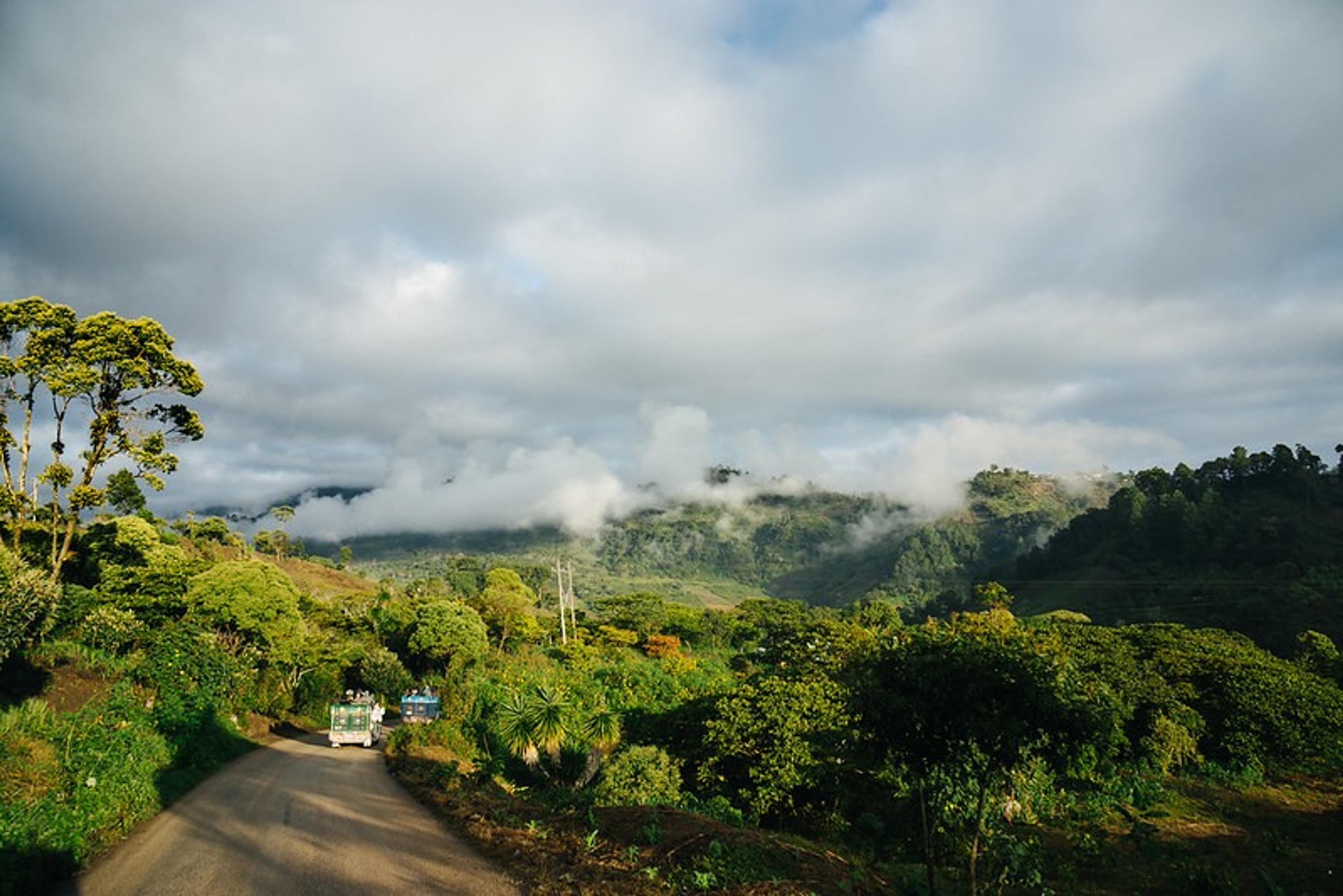
The air was hot and wet. I gazed out my window past the whip of cornfields and banana plants, my mind lost in thought.
An hour into the journey, something shifted. My taxi driver’s eyes caught mine in the rearview mirror. His eyes darted back to the road, and by the time we had reached a sign in Spanish marking our arrival, he was sitting bolt upright.
“Estás en territorio zapatista en rebeldía. Aquí el pueblo manda y el gobierno obedece.”
Translation: “You are in Zapatista rebel territory: here, the people rule and the government obeys.”
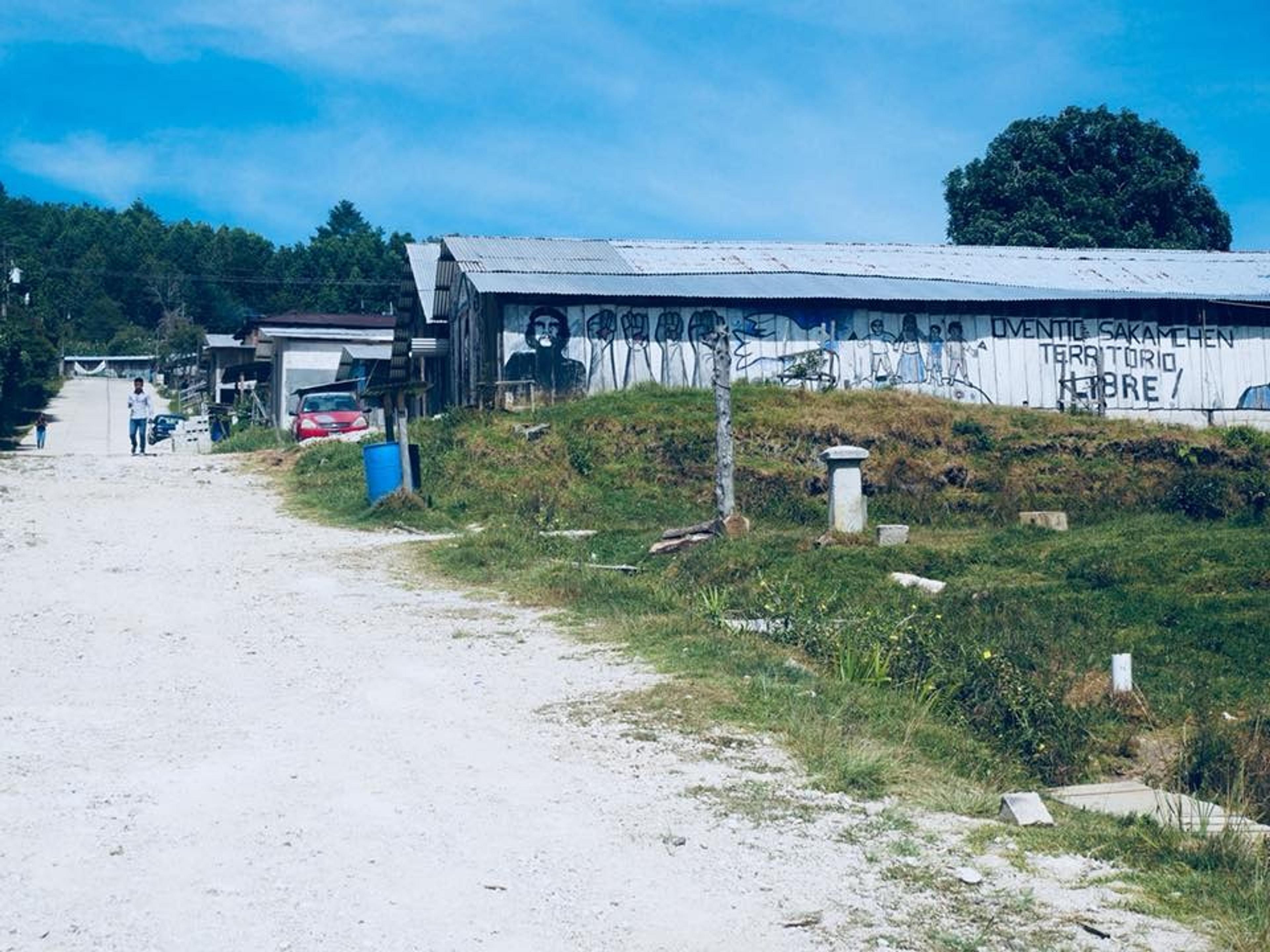
The Zapatistas, in case you didn’t know, are an Indigenous-led political movement that rose up in 1994, the same day that the North American Free Trade Agreement came into force. They declared war not just on the Mexican state but on the greater system that had quietly erased them for centuries.
Operating under the name EZLN, they carved out autonomous territories across the highlands of Chiapas, governing themselves through community assemblies, rotating councils, and a deliberate refusal of conventional power. No presidents. No campaigns. No promises. Just collective decision-making, an emphasis on holistic education, healthcare, and land organized from below, whether the Mexican government liked it or not.
We roll to a stop outside the checkpoint, not a soul in sight. The driver twists his shoulder over the tattered leather seats and gives me the universal look for “Pay me and get out.”
And before it dawned on me that I had only arranged this cushy ride one-way, his tires were spitting gravel back in my face, the sound of his engine dissolving into the green. It was just me and the closed wooden gate.
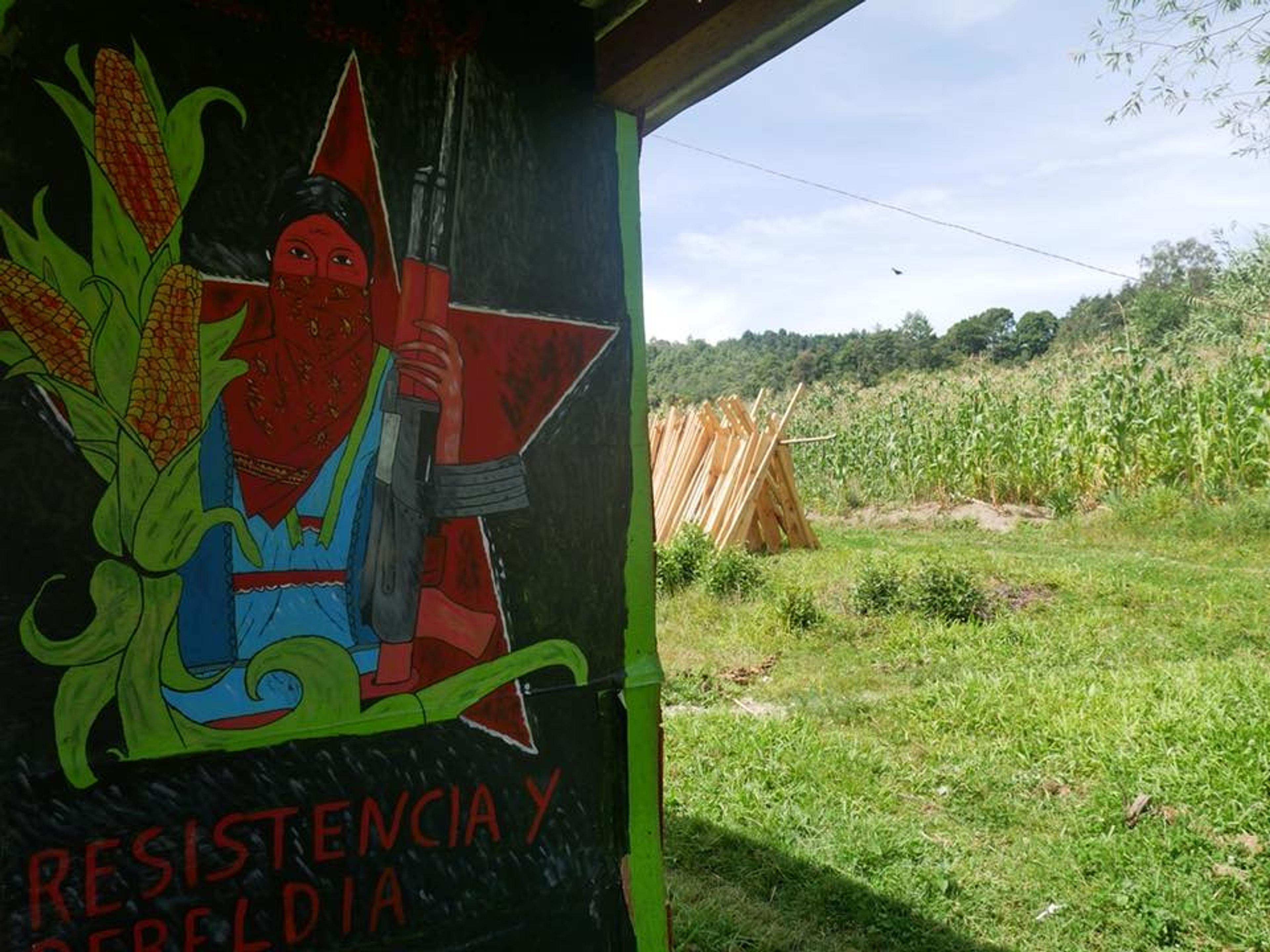
I muster up the courage to knock loudly. Seconds later, the gate opens, and two figures in black ski masks appear. One masked guard moves toward me, his eyes sharp and intense behind the mask. He jerks his chin and says, “identificación.” I reach for my ID and hand it over. We inspect each other. He flips through my passport, and I take stock of the rifles casually slung over their shoulders.
My internal monologue pipes up: “This is where that famed intuition of yours led you, hardy har har!”
“A qué te dedicas?” the rebel grumbles. “Shit,” says the voice in my head, mentally flipping through the Practice Makes Perfect textbook that I bought last week. “What’s he saying?” I stare blankly back at him, searching for answers in the sluggish heat.
"¿Cuál es tu trabajo?" He slows it down like I’m five. Or an idiot. Hard to tell which. But at least I know he's asking about what I do for work.
“Oh! Soy dentista!”
Pause. Flash teeth. Smile.
Working in exchange for cat cuddles and selling crystals on Etsy wasn’t on last week’s one-page vocabulary list. You know, the one with lawyer, policeman, politician. None of those felt wise to declare while maintaining eye contact with his gun. Dentist it was.
“Mm,” he says. His mouth tightens, and his eyes slide sideways to the other guard. He takes my passport and turns on his heel. The other guard follows, and they disappear behind the gate, leaving me on the wrong side of silence with nothing but the echo of my own explanation hanging in the air.
The next twenty minutes stretch themselves thin. Sitting on the curb, I take stock. No passport, no cell service, no ride back. Fantastic. At least the faux-shamanic Swede knew where I’d gone—if he wasn’t hitching his way to Tulum already.
My gaze settles on the wooden shack opposite, its loose tin roof rattling in the gentle breeze. Not a lick of pine unmarked by revolutionary graffiti.
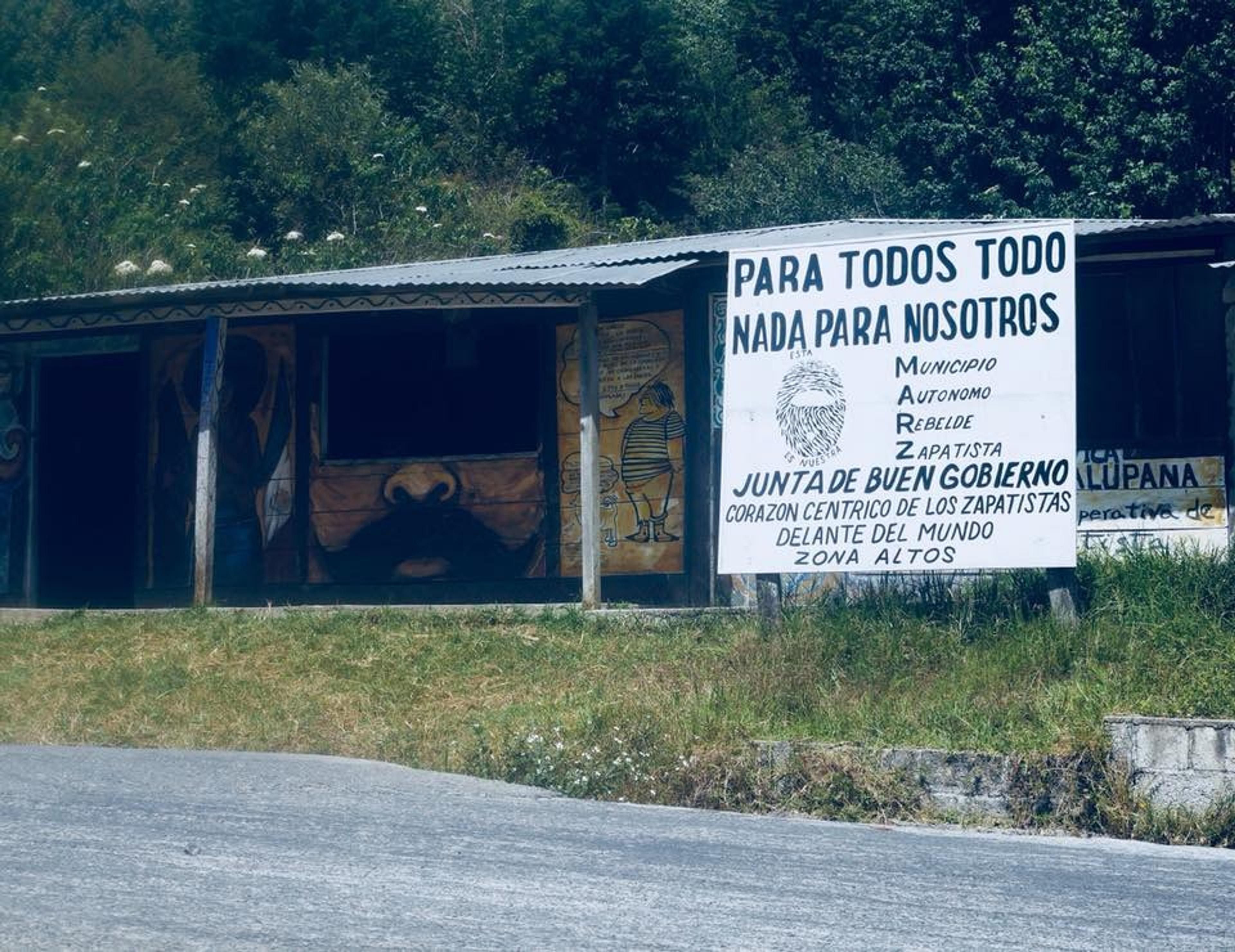
A thick, defiant, giant mustache dominates the wall, shrinking even the solemn Mexican flag. Emiliano Zapata’s unmistakably.
“Everything for everyone, nothing for ourselves. Autonomous Rebel Zapatista Municipality.
Good Government Council, the central heart of the Zapatistas before the world. Highlands Zone.”
Finally, the guards emerge once more, beckoning me over. “No preguntas,” he says, warning me not to ask any questions.
My “tour” was about to begin.
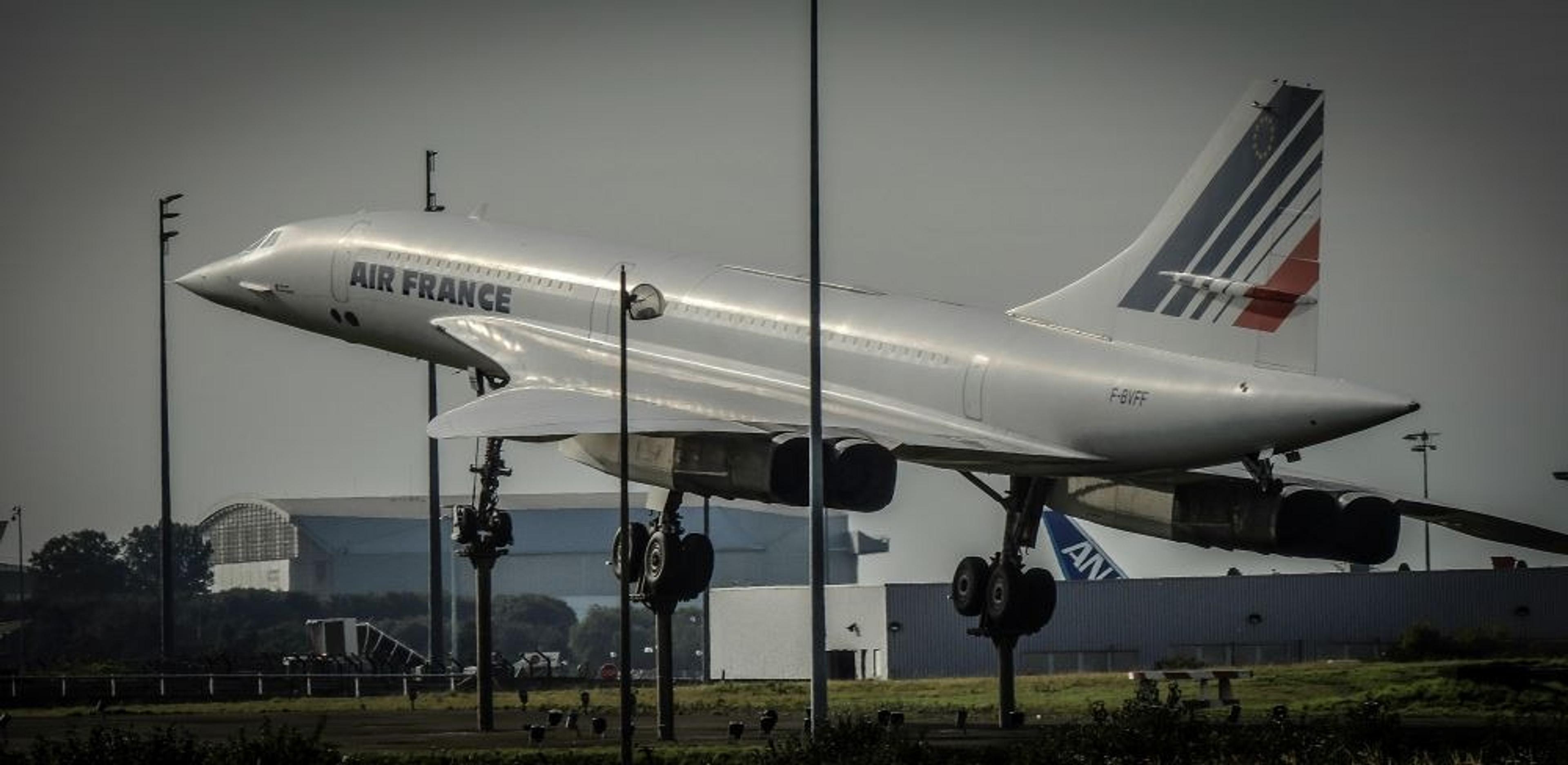
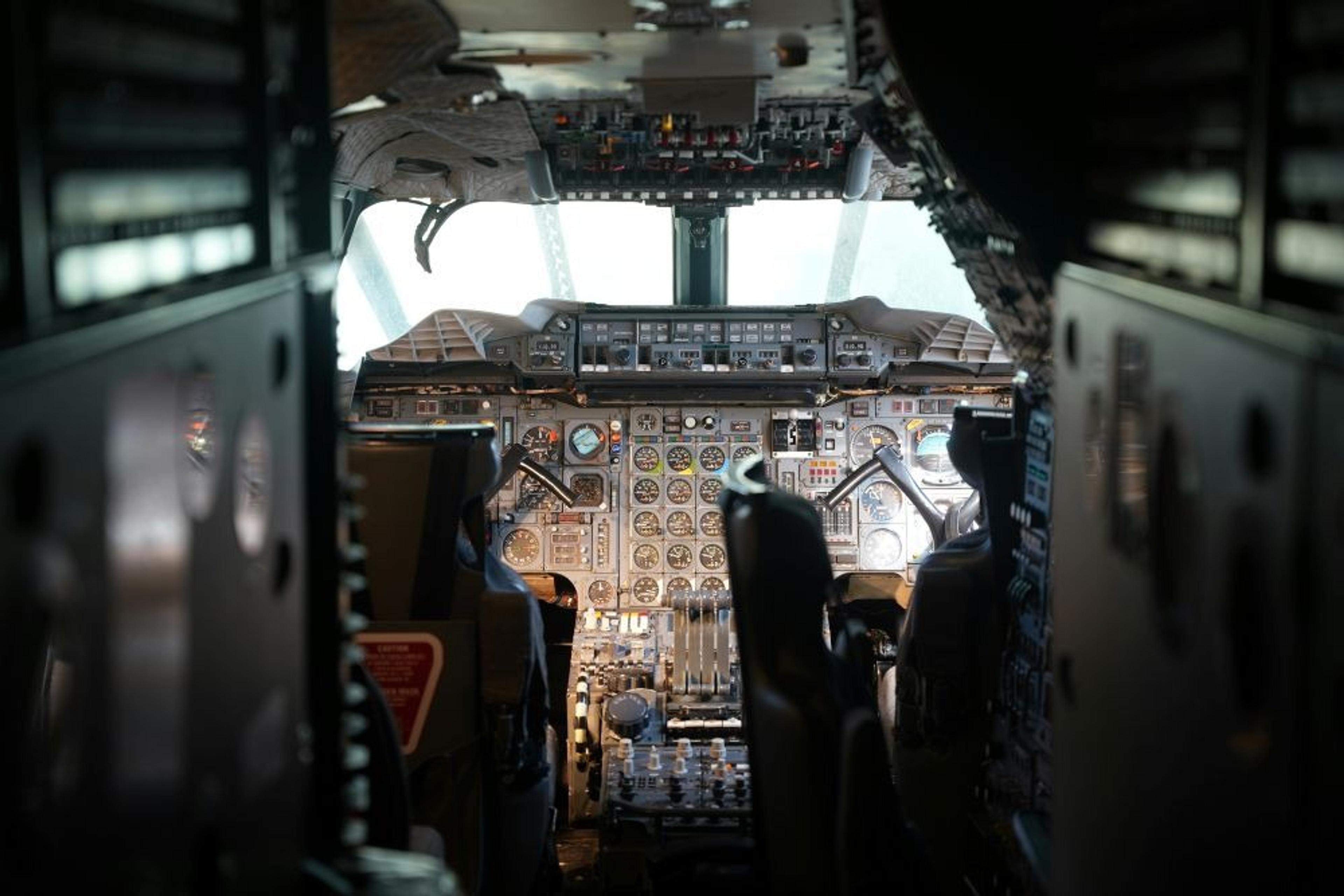
To much fanfare from airlines and aviation museums alike, January 2026 marked the 50th anniversary of Concorde's first commercial flight. Its lifespan was relatively short, with Concorde's final retirement taking place in 2003, but the hype and romance lived on. Ever since, conjecture has swirled about the next commercial supersonic jet, and right now, it's anyone's game.
Boom Technology is currently leading the race with a slated 2029 launch for the Boom Overture. That said, the internet is, of course, full of skeptics doubting it'll ever come to fruition. Meanwhile, NASA is developing a smaller jet designed to break the sound barrier without that almighty BOOM, and Spike Aerospace is looking to make day trips to Dubai a reality for business passengers.
But until we see any passengers actually embarking on another barrier-breaking flight, we'll have to live vicariously through memories from Concorde's plush interiors. Here are some of the tales that the Jack's Flight Club community had to share:
"I was fortunate enough to have a flight on Concorde, a gift from my then husband, for passing my commercial pilot's licence!
It was in October 1992 and he could not come with me, so I took my seven-year-old stepson for the experience of a lifetime! We flew to Lisbon briefly going supersonic over the Bay of Biscay, and I was allowed to visit the flight deck THREE times! Once as a regular passenger, the second because I had a child with me, and the THIRD time because I was a pilot! The Captain actually signed my logbook!
The return flight was by TAP in a normal airline! Took twice as long!!
Since that time, I have got to know about six or seven Concorde pilots, and I feel privileged to have been able to travel just the once on the most beautiful aircraft ever designed and built.
Kind regards,
Dorothy"
"Hello
You asked for memories of flying Concorde and I was lucky enough (and old enough!) to fly to New York for New Year's Eve in 2001! BA did an offer of LHR to NYC supersonic one way and Business Class return for £2001!. In those days you had to call up, and we got through the avalanche of callers to bag a pair of tickets.
Unfortunately, I had a night out before the trip and arrived at LHR first class lounge with a raging hangover and unable to enjoy the free premium champagne and canapés. The flight was delightful, although the cabin was tiny by today's standards and seats on the small size. Not sure today's wider passengers would have been that comfortable. The food and service were lovely and the speed display in the cabin showed when the aircraft hit Mach 1.00 and broke the sound barrier. Traditionally, the passengers would cheer at this point.
Take off and landing were incredibly noisy in the cabin and the G force of take off much like a catapult. Finally, it was amazing landing in New York before our take-off time in London!
This is my one memory that has given me kudos and bragging rights with my kids. Happy days!
Best wishes and keep up the great work. Love bagging a bargain flight even if they are all sub sonic!
Jo Craddock"
"Greetings from Ontario:
My late husband and I enjoyed the privilege of flying on the Air France Concorde back in 1980. It was a phenomenal experience.
So sad that it no longer exists.
Thanks for the memories,
Yvonne Z. Brown
Niagara-on-the-Lake"
"Hi there,
Yes, I was fortunate enough to fly from Bahrain to LHR on Concorde at the end of 1976. I was flying back to England to get married (I worked in Saudi Arabia).
We were invited into the Cockpit (my fiancé was interested, I was less so!). We all had to move up to the front of the plane for takeoff but then returned to our own seats once we levelled out.
I remember being surprised at how narrow the plane seemed in comparison with the Jumbo Jet. I still have my certificate after all these years!
It was definitely a once-in-a-lifetime trip, and I was so sad when they decided to withdraw the Concorde from service.
Kind regards,
Molly Symonds"
Thanks so much for sharing your stories, Travellers.
If anyone else has memories to share from the first age of supersonic travel, we'd love to hear them—stinking hangovers and all! Tell us all about it in the comments :-)
Pick of the Clicks
All the important (or silly, or strange) travel news from across the web this week.
- The famous "Lover's Arch" in Puglia, Italy collapsed and fell into the sea on Valentine's Day. Couples who got engaged that day are welcome to pretend this is totally not a bad omen.
- Route 66 celebrates its 100th birthday this year! The iconic American highway stretches all the way from Chicago to Santa Monica, but Mental Floss picked a few highlights.
- Here's a story that's begging for a pun on the word "high": Three British Airways crew members were investigated after (accidentally) taking marijuana gummies on the job.
- Tourism is growing again, just about matching pre-pandemic rates — but not where you might expect. The BBC broke down why spots like Bhutan and Ethiopia are driving the new surge.
- And finally, two passengers got a lifetime ban from Jet2 after getting into a drunken brawl on a flight back from Antalya. Now that's what we call "beating a Jet2 holiday!"