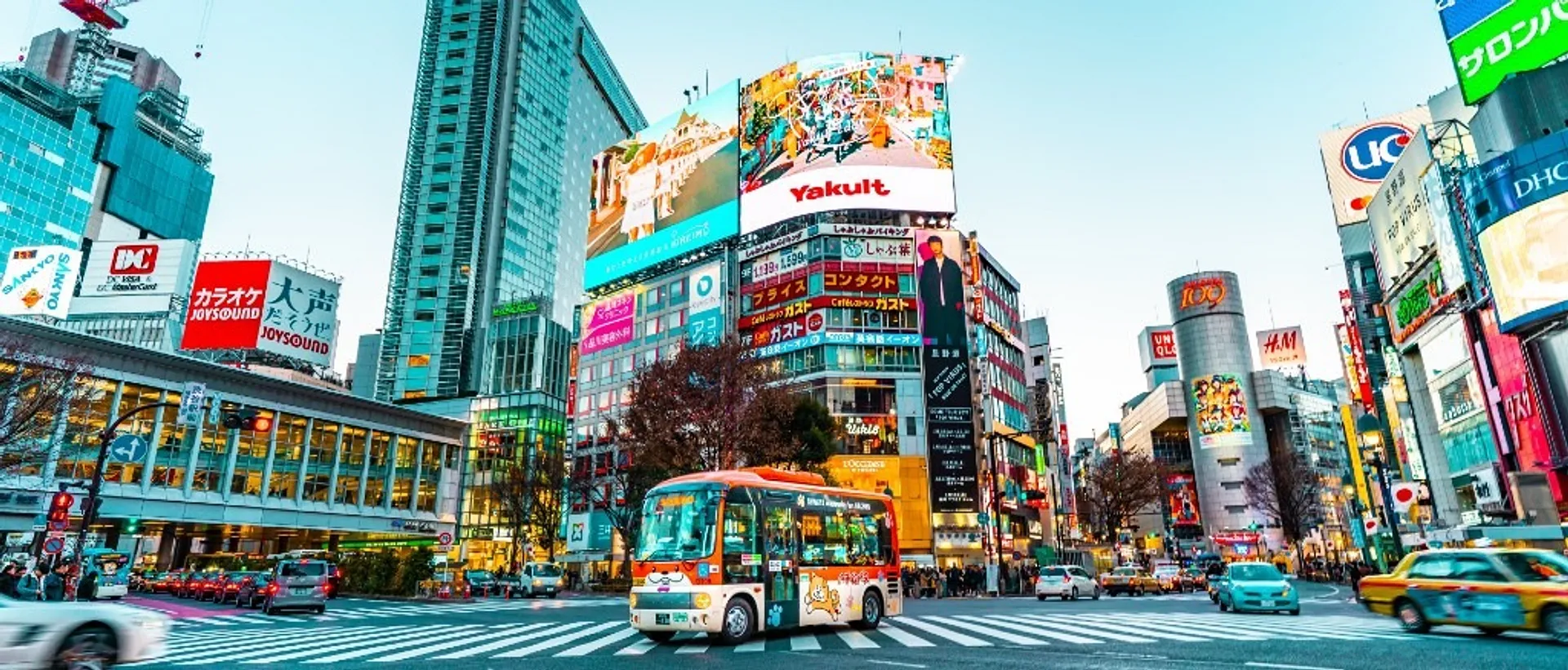
Around & Beyond Japan's Golden Triangle
Hi there, Travellers,
This week marked the 50th anniversary of Concorde’s first commercial flight, on 21st January 1976 — or, rather, flights. Simultaneously at 11:40 AM, British Airways left London Heathrow for Bahrain, while Air France jetted off to Rio de Janeiro via Dakar.
To celebrate the occasion, aviation nerds are getting a special treat. Air France has released a documentary to relive the supersonic flight experience, and will be releasing some swanky new Concorde accessories next month. Meanwhile, the UK will be sticking the jet through everyone’s doors with a new collection of first class stamps.
This year also marks 23 years since Concorde retired. If any of you were lucky enough to take a flight, we’d love to hear about the experience! Sure, it probably won’t quite compare to this pilot’s account of captaining the zippy bird. But since most of us won’t get another chance at supersonic flight any time soon, we need to live vicariously through the rest of you!
And talking of living vicariously, this week, we’re sharing some serious bucket list inspo all about Japan!
Happy travels and safe landings,
Katy - Editor of the Detour
Where to go in Japan: Beyond the Golden Triangle

By Akasha
Navigator Akasha finds phenomenal Flights faster than you can decide where you want to take a trip to next. A pro at finding the best of the best fares, she's also a master at sharing must-visit spots for when you land.
When it comes to taking a detour, at Jack's we’re all about community-sourced wisdom to make that happen. Sure, you can ask AI which onsens in Fujikawaguchiko offer unobstructed views of Mt. Fuji or how to collect (and read) the coolest Goshuins. But nothing can replace real-life lived experience in the planning stages of your trip.
Enter our Facebook group.
Inspired by our partners over at Lupine—and some of you crazy readers—who’ll be darting from city to sea on the Shinkansen Scramble, I wanted to know what unmissable places lay beyond the iconic golden triangle of Tokyo, Kyoto & Osaka.
And you wayward wanderers didn’t disappoint. From Nara to Nagasaki, your answers floated in like toro nagashi lanterns, carrying promises of unobstructed Fuji views, Edo-era old towns, and heavenly pagodas. So much so, I found myself wondering if one could declare they've “done Japan” without venturing beyond Tokyo.
So whether it's your first trip or fifth, you'll want to pin these places for your next visit.
Nikko
日光を見ずして結構と言うなかれ/Nikkō wo mizu shite kekkō to iu nakare
Translation: Never say kekko [splendid] until you’ve seen Nikko
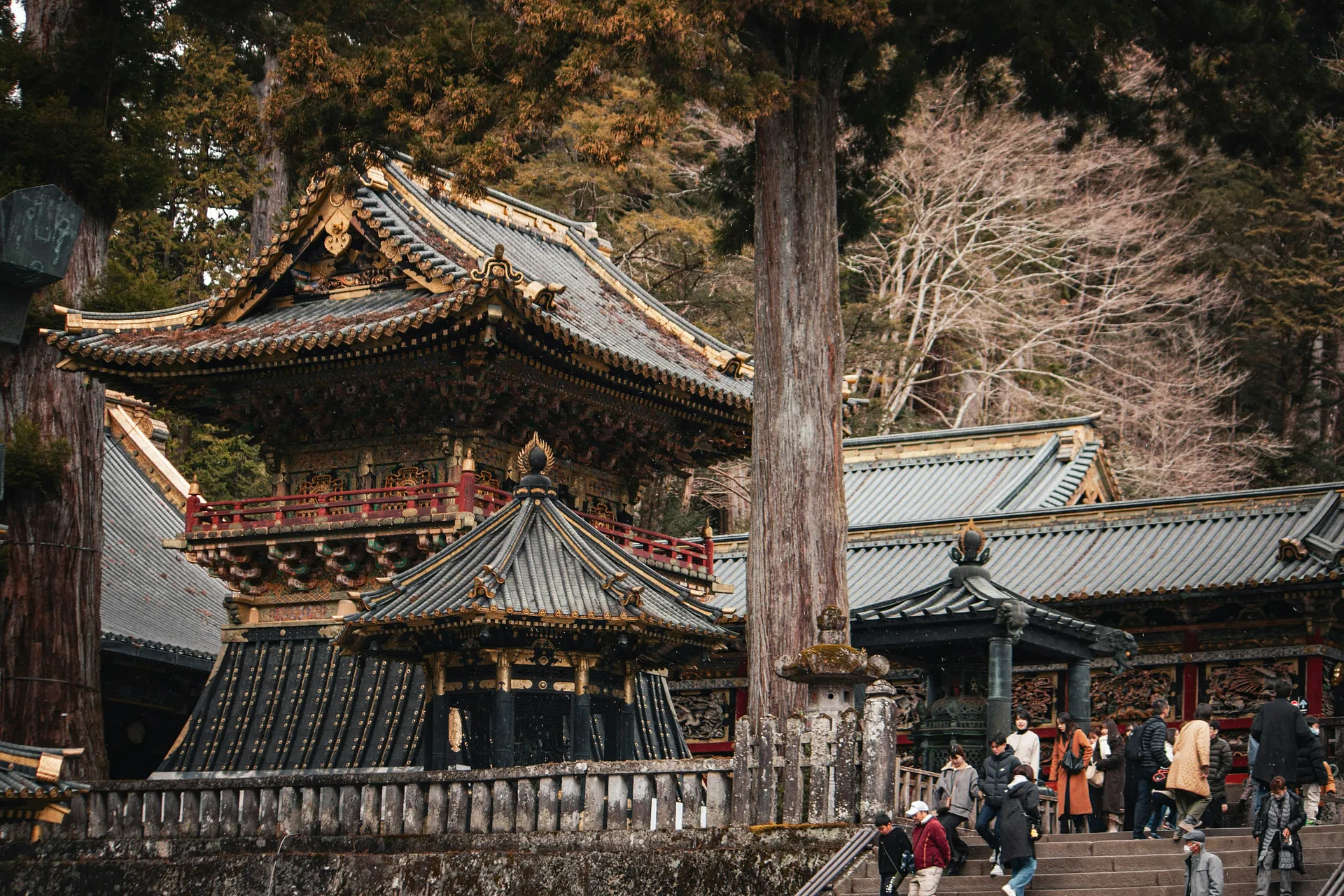
If Nikko in autumn—or any season for that matter—looks even remotely the same in real life, we’d have to agree.
Flanked by ancient oak and cedar forests, for nature lovers, Nikko is Nirvana. You wouldn’t think it, being only a little more than 1.5 hours north of Tokyo, but Shibuya’s skyscrapers and shoulder slammers feel worlds away. Here it’s birdsong and bonsho bells that beckon first light.
The town sits at the entrance of its national park, renowned not only for its thundering waterfalls but also for its Buddhist temples, tiered pagodas, and Shinto shrines, like the famous Toshogu. This is the resting place of Tokugawa Ieyasu, the first shogun to unify Japan in the Edo period.
Time your trip for mid-May, and you’ll be fortunate enough to witness the Grand Festival of Spring, where a live procession of 1,000 samurai marches through the streets reenacting the escort of Tokugawa Ieyasu’s spirit to Toshogu Shrine.
Nagano
猿も木から落ちる/ Saru mo ki kara ochiru
Translation: Even monkeys fall from trees.
There’s a famous Buddhist saying, “There is no way to happiness; happiness is the way.” Whoever coined it clearly hadn’t experienced the sheer thrill of flipping a motorcycle’s kickstand and hitting the open road to Nagano. The fittingly named Venus Line is a 76-kilometer route popular with road-trippers snaking through serene wetlands and wasabi fields. From the highest point, riders enjoy unobstructed views of the peninsula's rugged spine, looking as far as Mt. Fuji.
And smack dab in the middle, between the plunging valleys of the Japanese Alps, sits Nagano, a city that mirrors its snow-dusted sentinels: slow, sacred, surreal.
Known as “the roof of Japan” and boasting more than 80 ski resorts, this former Olympic host is not only a hotbed for winter sports but also for those seeking a ‘spirited-away’ experience among some of the country’s most beautiful temples and shrines.
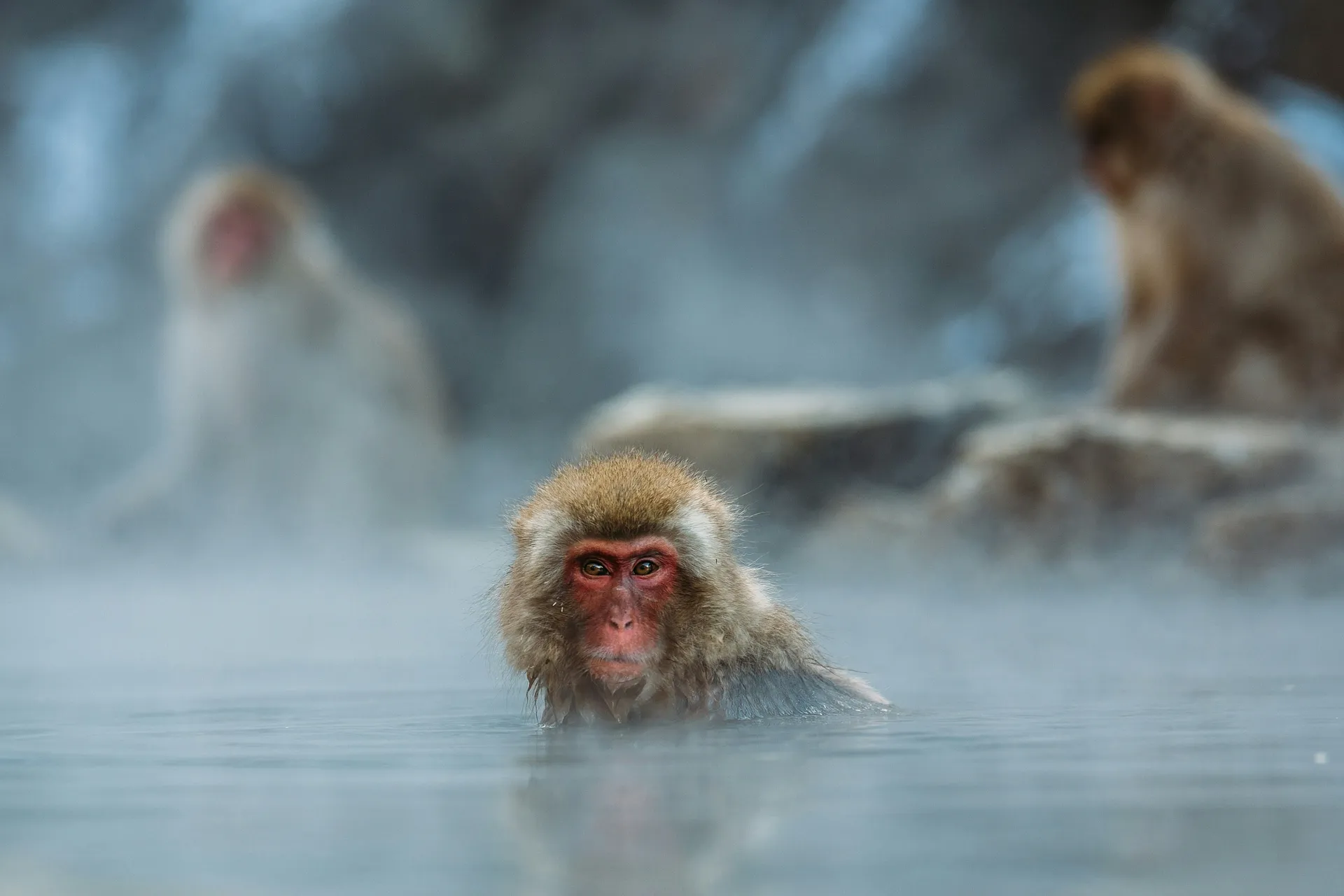
Yet, if there’s one group of residents that are the ultimate masters of zen, it’s the ruby-faced snow monkeys that can be found deep in Jigokudani Yaen-koen park, leaping across snowdrifts and soulfully soaking in its hot springs.
Kanzawa
静かな水は深い/Shizuka na mizu wa fukai
Translation: Still waters run deep.
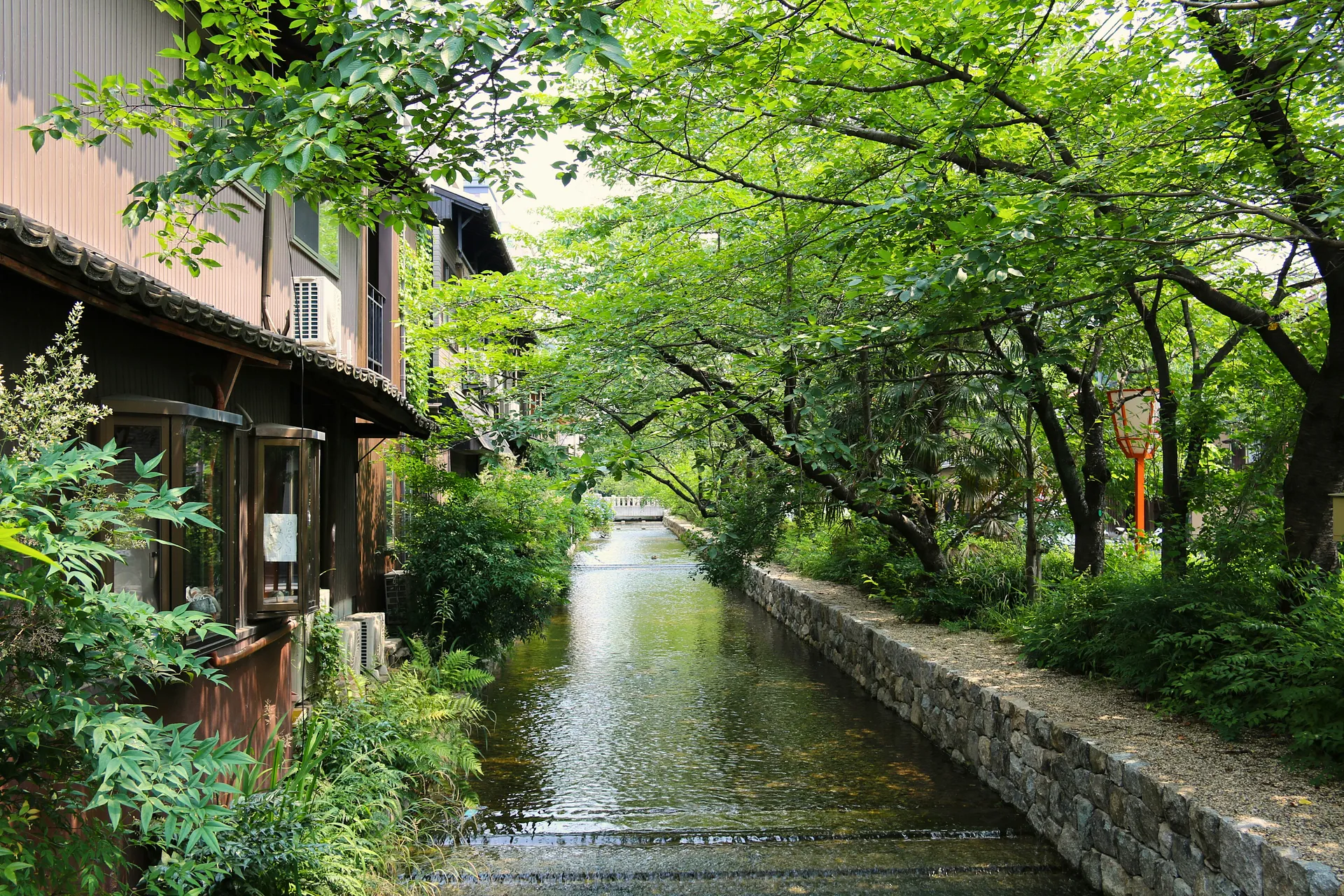
When it comes to immersing yourself in traditional Japanese culture, the gold-leafed capital of the Ishikawa Prefecture often comes up as an alternative to Kyoto. Yet Kanazawa remains under the radar for most first-timers coming to Japan.
Here you’re trading congested streets for intimate, inky cobblestones and staged maiko performances for working geiko and cozy teahouses that cater mostly to locals.
From generations of gold-leaf guilds, tea ceremonies, geisha performances, Kaga yuzen dyeing, and porcelain production, the city’s fortunate escape from World War II preserved the rich artistic heritage. Visitors can experience it through workshops or at the National Crafts Museum, relocated here from Tokyo in 1987.
The city is also home to the gardens of Kenrokuen. A 25-acre haven of meandering paths, ponds, and teahouses, it's the epitome of Zen and one of Japan’s top three gardens.
Basing yourself in Kanazawa even briefly means having Japan’s scenic countryside easily reachable, including traditional UNESCO villages and of course, world-famous onsens.
Japan in 7 Days - The Jack's Flight Club Itinerary

By Katy
Katy is a seasoned budget traveller living in Scotland with her husband and two cats. She has already been to every country in the EU and is now working on grand plans to conquer the rest of the world. When she’s not writing up travel inspo for The Detour, she’s usually researching her next trip.
Any day we see a great value flight to Japan is a day that leaves the Jack's Flight Club team completely hyped. So hyped, in fact, that our very own Navigator and marketing whiz Robyn just couldn’t say no when she saw a fantastic fare, even though she only had a week to spare.
That just leaves one question… how do you decide what to do when you only have seven days in Tokyo? Don’t worry, we’ve got you covered.
Day 1
You land in Tokyo in the morning, more than a little tired from all those hours in the great sardine tin in the sky. Part of you wants to go for a nap before you head out into the buzzing city, but your head knows that you’re on limited time. And you can’t check into your hotel until 3PM.
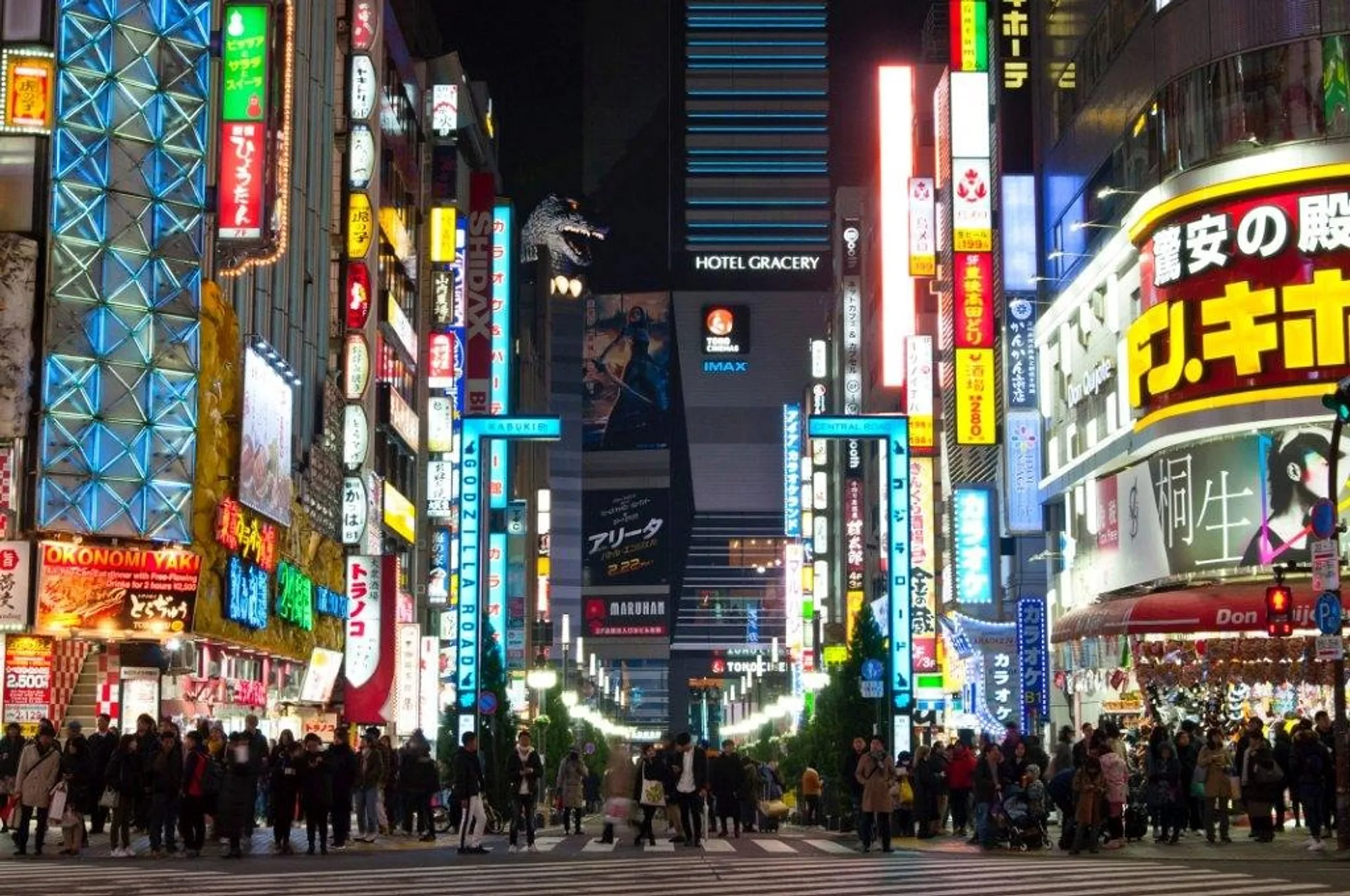
So you drop off your bags and head to Shinjuku. It’s known for its buzzing nightlife and neon lights, but you’re probably not quite ready for all that. Instead, take a stroll through Shinjuku Gyoen National Garden. It’s a hot spot during the spring cherry blossom season, while the autumn chrysanthemums and huge tropical greenhouse make it worth the trip year-round.
Grabbing some food will no doubt be on the cards before you move on to the fluorescent pop art haven of the Yayoi Kusama Museum. The only problem with choosing where to eat in Shinjuku is too much choice, so we’d start easy with some affordable sushi, ramen, gyoza, and more.
Just before sunset, ideally on a clear day, make your way to the Tokyo Metropolitan Government Building’s free observation deck. You’ll get phenomenal views across the city, and in the winter months you’ll likely even spot Mount Fuji off in the distance to the west. Back on ground level, fill your belly with some hearty ramen and say hello to Godzilla (well, his head) before hitting the hay.
Day 2
Refreshed and ready to go (no jet lag on this trip, thank you very much), it’s time for some temples and shrines. Senso-ji Temple is the oldest, and by far the most famous, in the city, so prepare for crowds no matter when you visit. It’s a must-see, but we’d also short-list a couple more.
The Gotokuji Temple, for example, is said to have been the birthplace of the lucky waving cat figurine, so expect to see more than just one or two here. The serene Jindaiji Temple, on the other hand, is the second oldest in Tokyo, dating back to the 8th century. Against a woodland setting, the temple holds daily fire ceremonies and festivals throughout the year.
As for shrines, it’s all about Meiji Jingu and its massive forest, just minutes from busy Harajuku. It’s one of the most important spiritual spots in the city, and the scenic grounds are a popular spot for traditional wedding ceremonies. But if you’re one of those people who’s always losing or breaking their phone, make sure to stop at the Kanda Myojin Shrine, too, aka “the world’s geekiest temple”.
A visit to Meiji Jingu should be paired—or maybe contrasted—with a trip to colourful Takeshita Street. Even if you hate shopping, you’ve got to experience it at least once. If you love shopping… well, brace yourselves.
Day 3
Get up early and pack some of those famous Japanese snacks, because we’re off to Mount Fuji. There are a few different ways to do it, so here’s what you need to know:
Climbing the mountain will take at least 6 hours, and that’s if you know how to power through. And then the descent will take you at least another three, so when we say "get up early," we mean it. There are four routes up, but to keep things simple, we’d recommend getting the bus directly from Shinjuku Bus Terminal to Subaru Fifth Station, which is the start of the Yoshida Trail.
If you can spread the hike over two days, do! This trail has plenty of facilities, with vending machines, mountain huts to bunk down in, and even a post office (in case you just can’t wait to send your postcards). Making good headway one day means you can be right on time for an awe-inspiring sunrise ascent the next.
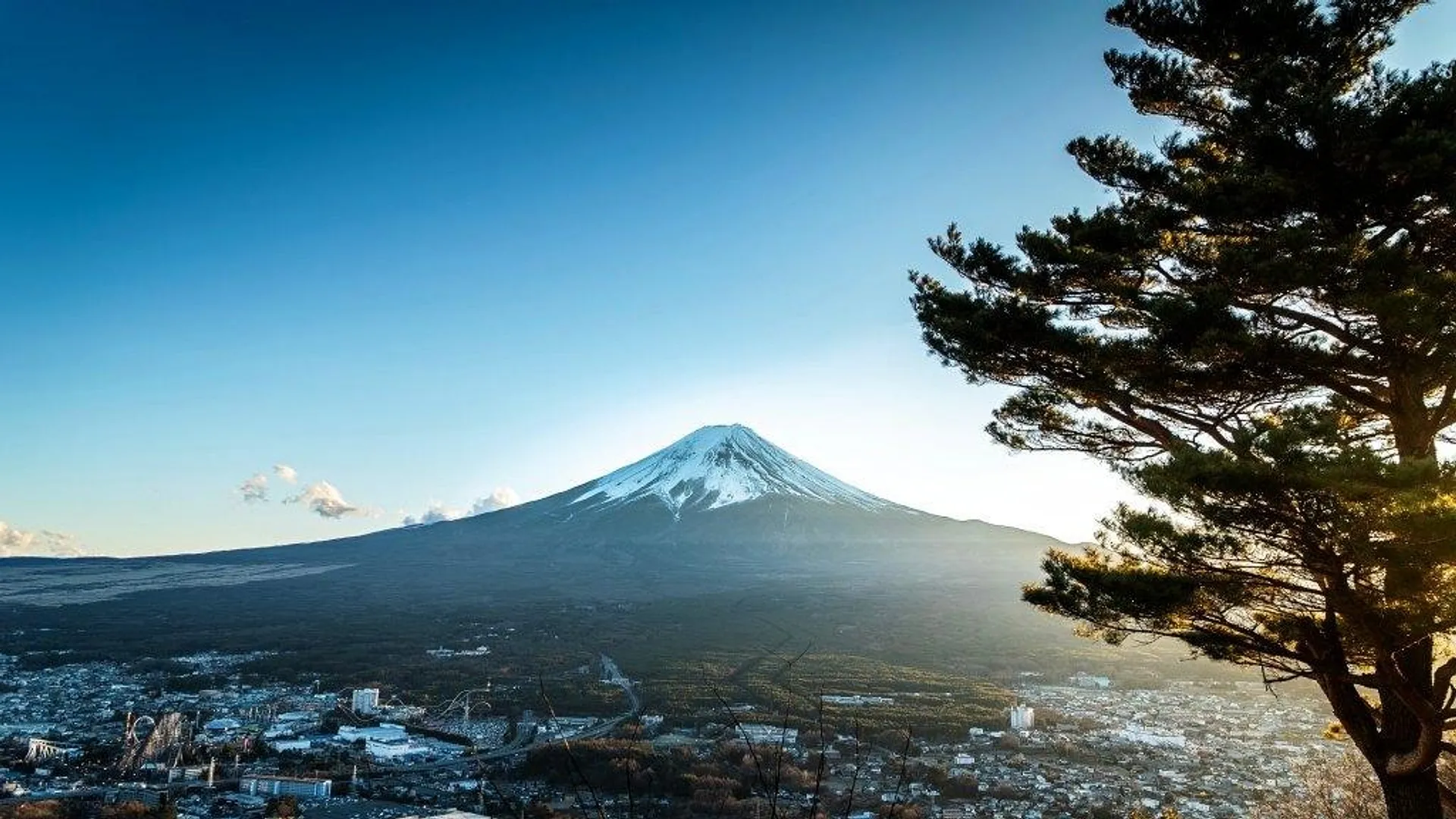
Now, not everyone is a hiker, and that’s okay—we all deserve to take in some epic views of Fuji-san. The Hakone area is known for its onsen (hot springs), museums, and traditional ryokan guest houses, as well as its serious vistas. It’s also said that black eggs cooked in the sulphuric vents of Owakudani will add 7 years to your life, so leave some room!
The other option, allegedly with some of the best views of Mt. Fuji in the whole of Japan, is Kawaguchiko in the Five Lakes region. There are no prizes for guessing why you should take the Mt. Fuji Panoramic Ropeway, but sights like the Maple Corridor will give you a reason to divert your gaze during autumn visits. Make sure you eat like a local while you’re there and try the Hōtō noodles.
Day 4
We’re on a tight schedule, so it’s off to Kyoto for a couple of nights via a much-hyped Shinkansen journey...
Pick of the Clicks
All the important (or silly, or strange) travel news from across the web this week.
- Could Ryanair create an experience so miserable even Elon Musk couldn’t ruin it? The billionaire’s latest feud has us wondering.
- It’s the end of the line for… the Line. Saudi Arabia’s ambitious “horizontal skyscraper” project seems to be dead in the water (or the sand), despite its humble price tag of $1.6 trillion. That’s “trillion” with a “t.”
- The EU is backing a new proposal that would ban carry-on fees and require airlines to offer financial compensation for delayed flights. We’d love a rider mandating better in-flight meals, though.
- Amtrak is rolling out some fancy new trains for their Northwestern US routes. Hey, if you lived in the Pacific Northwest, you’d be excited too!
- And finally, seagrass has been forming circles in the Scottish Western Isles, and no one’s sure why. As if you needed another excuse to visit Scotland.