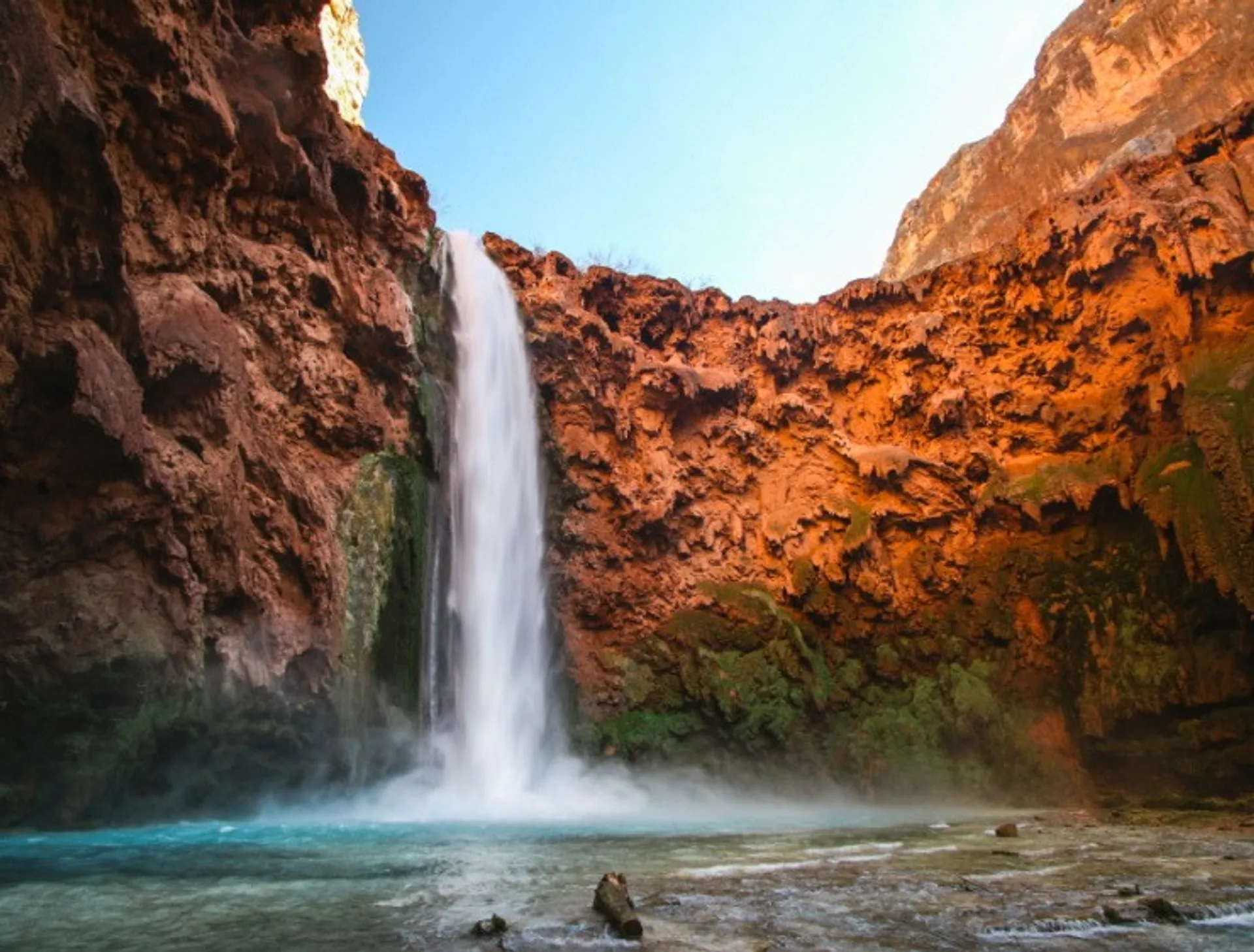
How to get to some of the most remote places on earth

Jack Sheldon
Sometimes you just want to get off the beaten track and delve into the more isolated corners of the world. However, getting to these places can often be both challenging and expensive. We've put together a guide on how to get to some of the most remote places on earth for cheap.
This list is not an exhaustive guide, and we'd highly recommend doing your own research before making your way to the places below.
1. Gurbantünggüt Desert, China
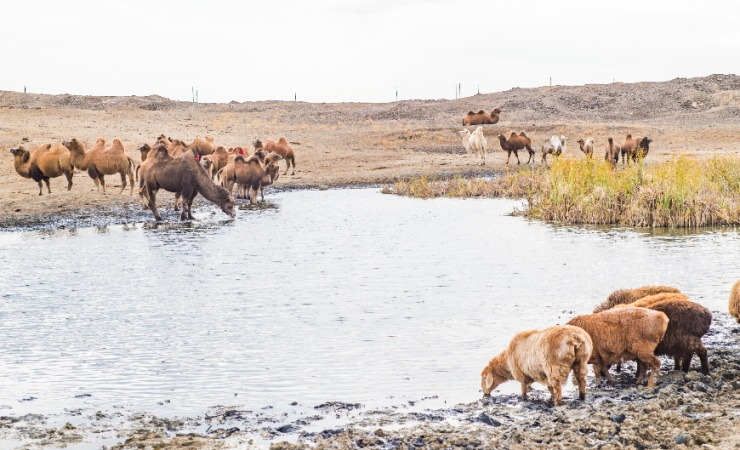
Sandwiched between Kazakhstan and Mongolia, the Gurbantünggüt Desert is located in northwestern China. It is the country’s second-largest desert behind the Taklamakan Desert and occupies 50,000 square kilometers of Northern Xinjiang.
It’s one of the most arid areas of the world, but the nearby glacial mountains of Tian Shan are a major water source for the province, providing valuable hydration once the snow melts. Spring is the best time for a spot of desert trekking, when blooming flowers stand out against the sandy backdrop.
How to get there
To get to the Gurbantünggüt Desert, you can take a flight from London to Ürümqi (URC), the capital city of Xinjiang province, with your choice of several Chinese airlines. Our team has tested out China Southern and China Eastern; here's what they had to say.
Once at Ürümqi, take a one-hour bus/train to the city of Shihezi, then another bus to Group 150 (yes, this is a place, named by the military) for another hour.
After arrival at Group 150, you'll need a taxi or a coach to cover the last 10 km. Easy peasy.
2. Supai, Arizona
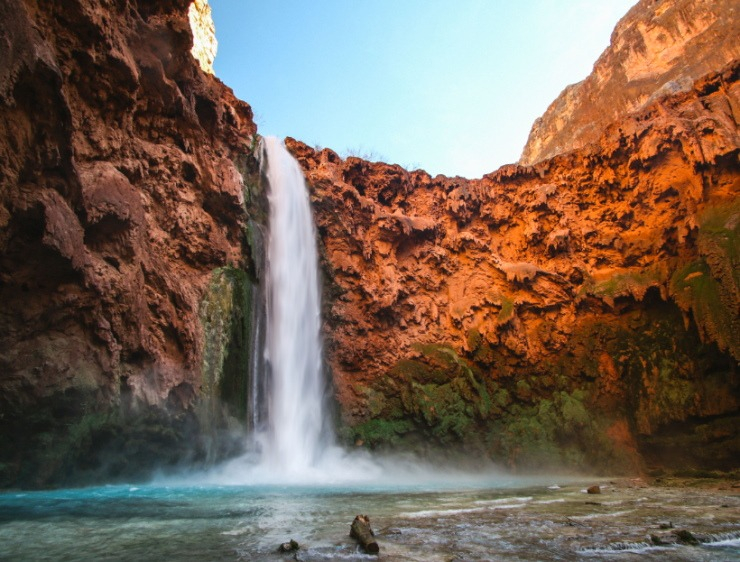
The village of Supai, the capital of the Havasupai Reservation, has mail delivery service for its 43 households carried out by a team of mules.
That's because there are no roads leading to Supai! Unlike most rural destinations in the United States, this town is a full eight miles from the nearest drivable street and requires you to travel by foot (or hoof), or book a helicopter ride to reach the town.
How to get there
Start by flying into Las Vegas. From there you’re going to want to rent a car for the 3-4 hour drive to the Hualapai Hilltop, which is essentially a car park. From there, you'll either need to hike the 8-mile trail or rent a mule to help you out. You could also splurge on a helicopter, but with surroundings this beautiful, why not take your time?
You'll also need to get your hands on a permit, which can be pretty costly ($455 as of 2026) and comes with set rules on how long you can stay.
3. Kolsai Lakes, Kazakhstan
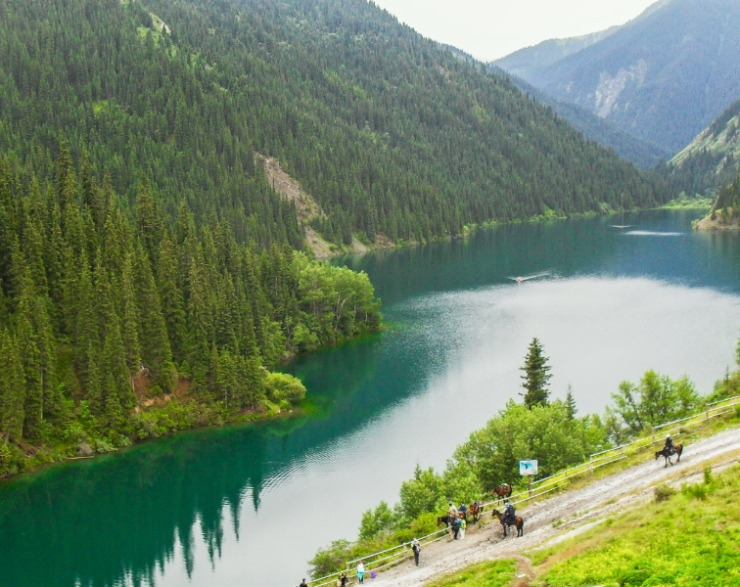
Around 75 miles southeast of Almaty, near the northern foothills of the Tian Shan Mountains, sits the breathtaking Kolsai Lakes National Park. At its center are the Kolsai Lakes, often referred to as ‘The Pearls of Tian Shan’, an untouched, scenic area of Kazakhstan.
Of the lakes, Kaindy is perhaps the best known among travelers for its eerie skeleton trees.
How to get there
The first part of the journey involves flying into Almaty Airport. From there, grab a marshrutka or taxi to Saty. You can also pick up organized tours from Almaty.
The first lake is fairly easy to reach by taxi or hitchhiking, thanks to a new asphalt road from Saty. You can then hike to the second, but make sure you take your passport, as you may encounter Kyrgyz border patrol along the way.
4. Faroe Islands
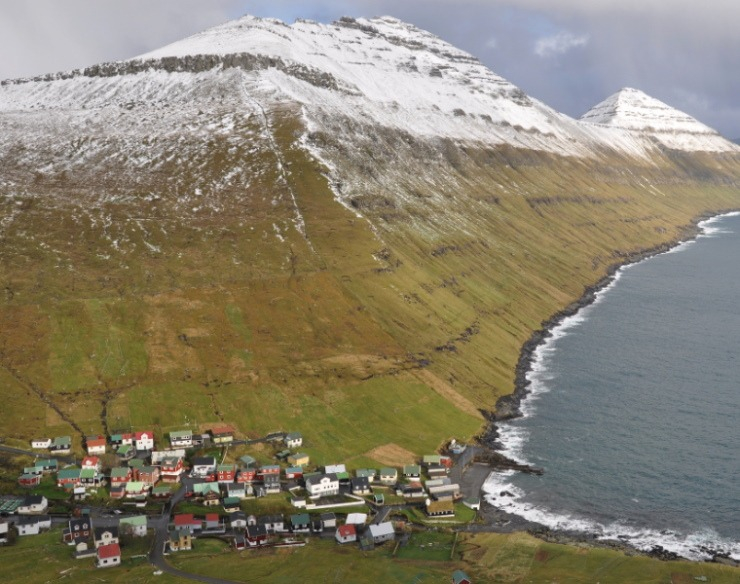
The Faroe Islands is a little easier to reach than some of the other locations on this list due to an increase in flights over the past several years, but don't be fooled—you're still visiting an isolated archipelago with a population less than half the size of Broken Arrow, Oklahoma. It's remote travel made easy!
How to get there
Six of the islands are connected by road, so you can soak up the vast amount of snow-capped scenery from a rental car once you have arrived at the pocket-sized Vagar Airport. Atlantic Airways is the main airline connecting the Faroes with the rest of Europe, including Edinburgh, London, Copenhagen, Paris, Oslo, and more.
5. Changthang Plateau, Tibet
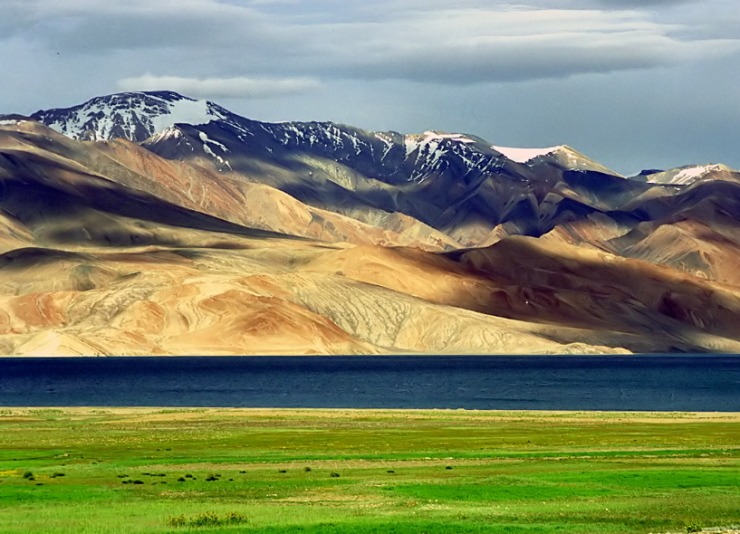
Changthang is located in the west of the Tibetan Plateau and sits at an altitude of over 4000 m. It’s a truly wild and untouched 700,000 km² area of largely uninhabited land that experiences harsh, arctic-like winters. However, visiting between May and October opens up the chance to spot wild yaks, antelope, and snow leopards and see nomadic life in action.
How to get there
First, fly to Leh, Kashmir, likely with a layover in Delhi. From there, you’ll need to rent a car, as it's a four-hour bumpy ride out to the Tibetan Plateau.
6. Kungsleden, Sweden
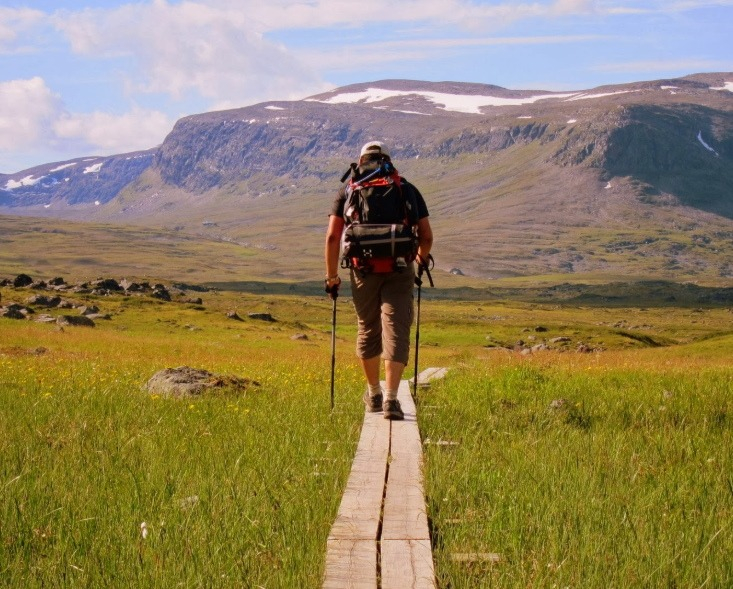
Northern Sweden is perfect for the more ambitious, wilderness-loving travelers. Kungsleden, also known as the King's Trail, is a 270-mile-long hiking trail between Abisko (North) and Hemavan (South Sweden). The trail passes through the Game of Thrones-esque Vindelfjallen Nature Reserve, which has to be seen to be believed.
A series of huts located 6-14 miles apart are open during the summer, but the weather can be unpredictable and potentially treacherous all year round.
How to get there
Fly into Kiruna after a layover in Stockholm. From there, it’s a 1.5-hour bus ride to Abisko, and then you're on your way. Don't forget to pack your rain jacket and sunscreen.
7. Andaman Islands
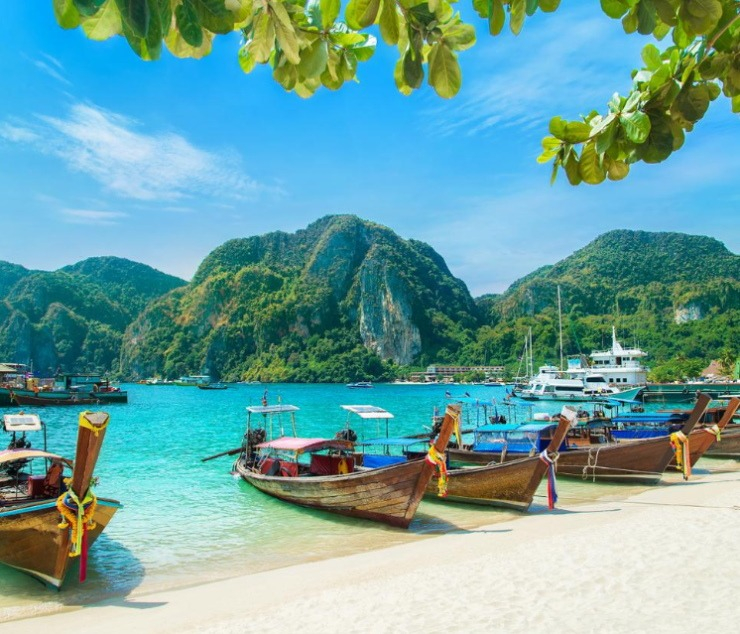
The beautiful (and largely untouched) Andaman Islands are located in the Bay of Bengal, between India and Myanmar. The islands are home to numerous tribes, including the Sentinelese, known for their hostility towards visitors. Many of the inhabitants have had little contact with the outside world. Only a dozen or so of the 300 islands are open to visitors, so this is a must-visit if you're looking to tick off a major spot on that remote location bucket list.
How to get there
Start by flying into Delhi or Bangalore, India. Then it's on to Veer Savarkar Airport, also known as Port Blair, which is the main airport for the Andaman Islands.
8. Rila National Park, Bulgaria
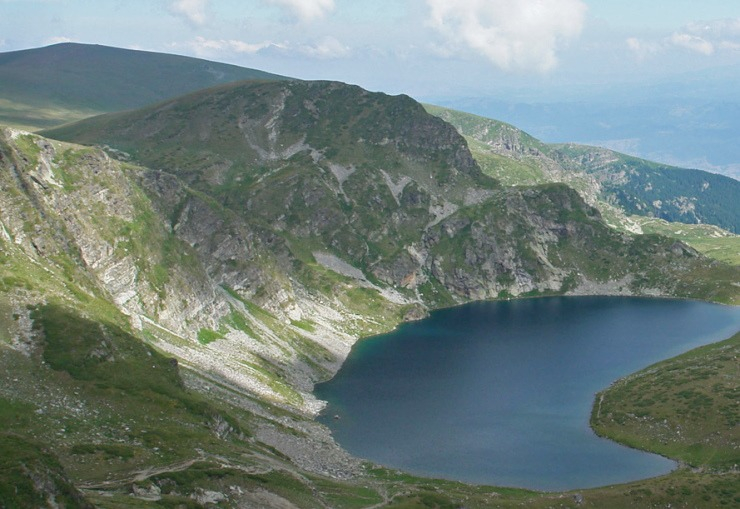
Rila National Park is the largest nature reserve in Bulgaria, stretching across more than 800 square kilometers. Rila is practically made for fans of blue lakes, hiking trails, and epic views, and it’s only 100 km away from the Bulgarian capital of Sofia. This makes it even cheaper and easier to visit!
How to get there
Fly into Sofia with a cheap and cheerful connection from anywhere in Europe, then hop on a bus from Sofia to Rila town. The trip takes around 2-3 hours from the central bus station.
9. Siwa Oasis, Egypt
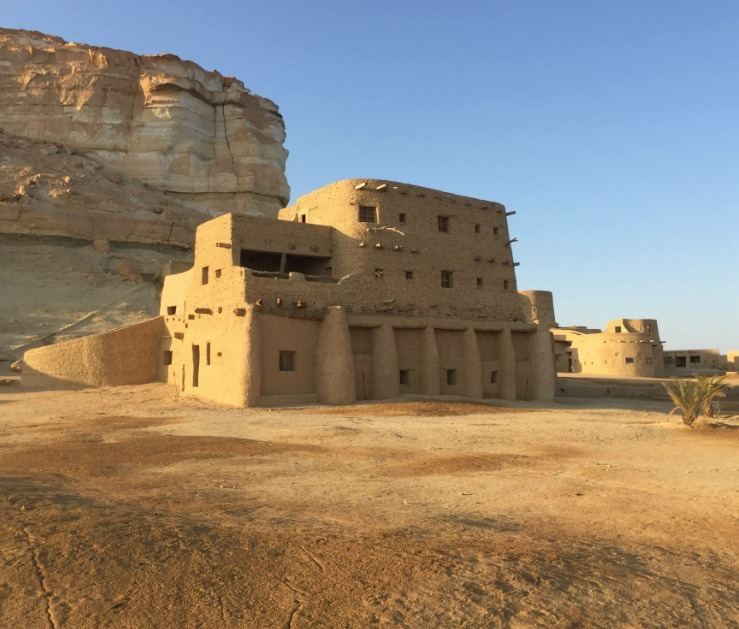
Siwa is the ideal location for all you desert daydreamers. Despite its arid appearance, Siwa is home to both olive and palm trees, with crystal-clear springs dotted throughout. Add to that the epic ruins of the Old Fortress, and it makes for quite the adventure.
How to get there
First things first, fly to Cairo. From here you have a rather long drive of around 740 km to Siwa Oasis, which could take 10 or more hours. There are night buses leaving Cairo and Alexandria between 9 and 11 pm if you're up for a restless night, while shared minivan transfers travel during the day from coastal towns.
10. Guam, Micronesia
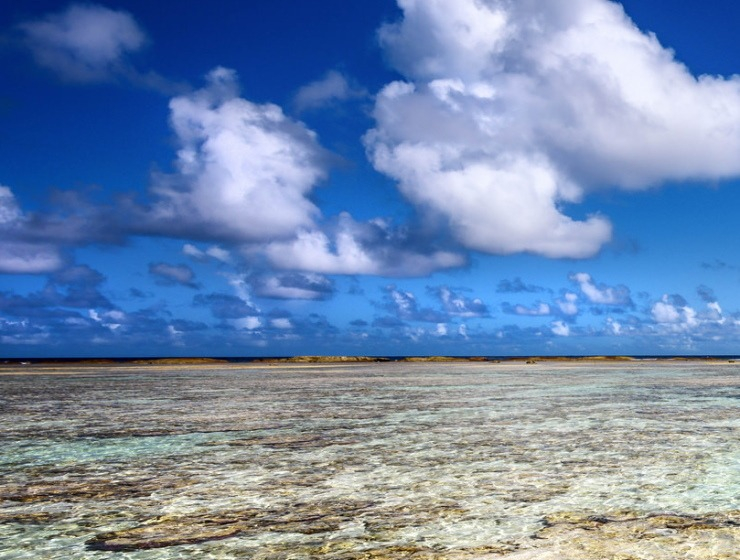
If "remote" for you means "crystal clear lagoons and white sandy beaches," then the Micronesian island of Guam is what you need. The whole island is only 210 square miles, and it is surrounded by a massive coral reef that makes it the perfect place for avid scuba divers and snorkelers. Located in Typhoon Alley, visiting any time between August and October puts you at a higher risk of encountering a tropical storm. If you’re looking to stay dry and soak up the max amount of vitamin D, visit in the dry season between December and June.
How to get there
Getting there is actually pretty simple, if a little time consuming. Connecting flights to Guam are available through Honolulu, as well as a few major Asian hubs like Seoul, Taipei, and Tokyo.
11. Utqiagvik, Alaska
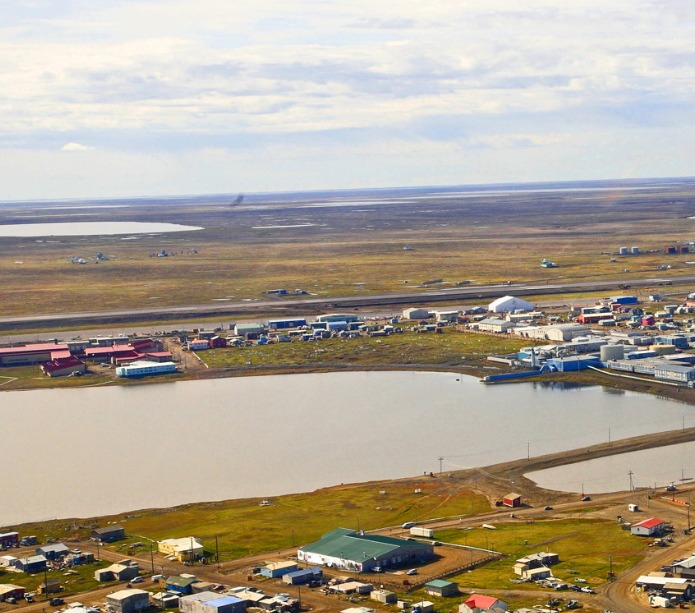
Utqiagvik, formerly known as Barrow, is one of those unique areas of the world that basks in 24-hour sunlight for over 80 days in the summer. Then, in the winter, locals endure a complete blackout for over 60 days. Located right at the tip of Alaska, you’ll struggle to find more remote surroundings without driving for days through the mountains.
How to get there
Fortunately, the town has its own airport, meaning you only need to travel by plane to get there. Alaska Airlines runs daily flights between Utqiagvik and Anchorage in the $300s/£200s. Find your flight to ANC, then take a quick hop upstate.
12. Cape York Peninsula, Australia
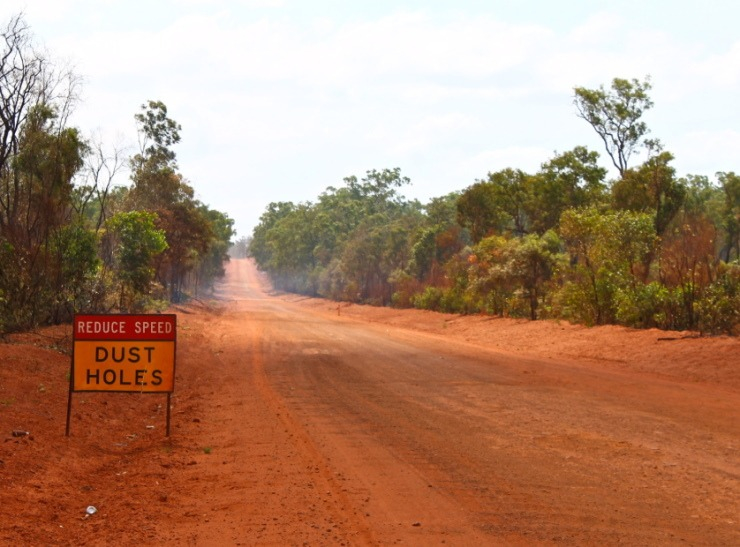
The Cape York Peninsula runs parallel to the Great Barrier Reef, north of Cairns. Its nearest city, however, is in Papua New Guinea and not Australia—that's how remote this place is! Tackling Cape York means spending several days in the bush in near complete isolation. It'll just be you, your travel partner, your jeep, and the scattered fuel roadhouses located every few hundred kilometers for company. The juice is so worth the squeeze if you like having your breakfast by pristine waterfalls, spending your days walking through rainforests, and chilling on deserted beaches by night.
How to get there
First, fly into Cairns. From there, your cheapest (and most exciting!) option is to rent a 4x4 and head out on your off-road adventure.
13. Galapagos Islands
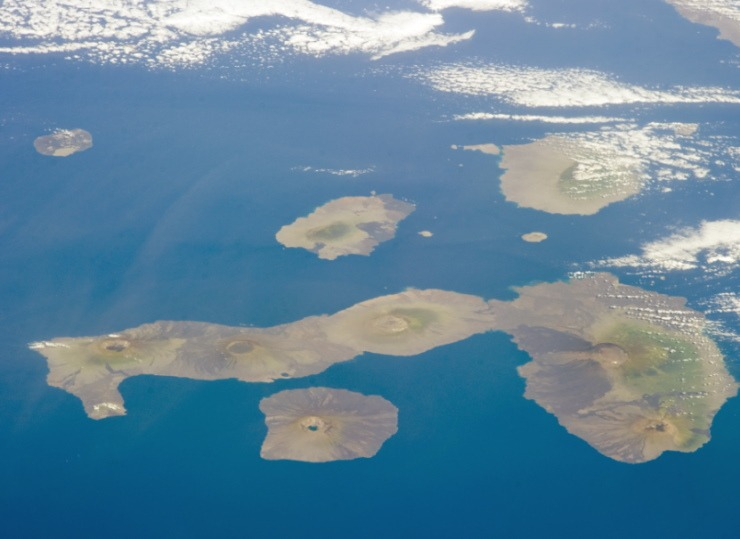
Known for its rare wildlife, the Galapagos is a set of pristine islands off the coast of Ecuador. The islands and their surroundings are home to flamingos, sea lions, whales, rare birds, and, of course, the Galapagos Giant Tortoise.
How to get there
To get to the islands, you first have to fly into Quito or Guayaquil, Ecuador. From there, it's just a quick flight over to Baltra in the Galapagos.
Where else would you include on the list? Is there anywhere crazy you'd like to know how to reach? Drop your suggestions in the comments :-)