A Trip to Eclipse All Others

Katy Maclure
There’s nothing quite like a natural spectacle to remind you of all the wonders there are to see in this lifetime. Some of us are lucky enough to live under the dancing skies of the Northern Lights, wander through a sea of cherry blossoms in spring on our way to the supermarket, or witness the path of an annual migration from our doorstep.
But when it comes to matters of the galaxy, no one place on Earth gets exclusive rights to its orbital showcases. Sure, we know that certain constellations can only be glimpsed from the Southern Hemisphere, or that the Aurora Borealis dances in the north. But even they move.
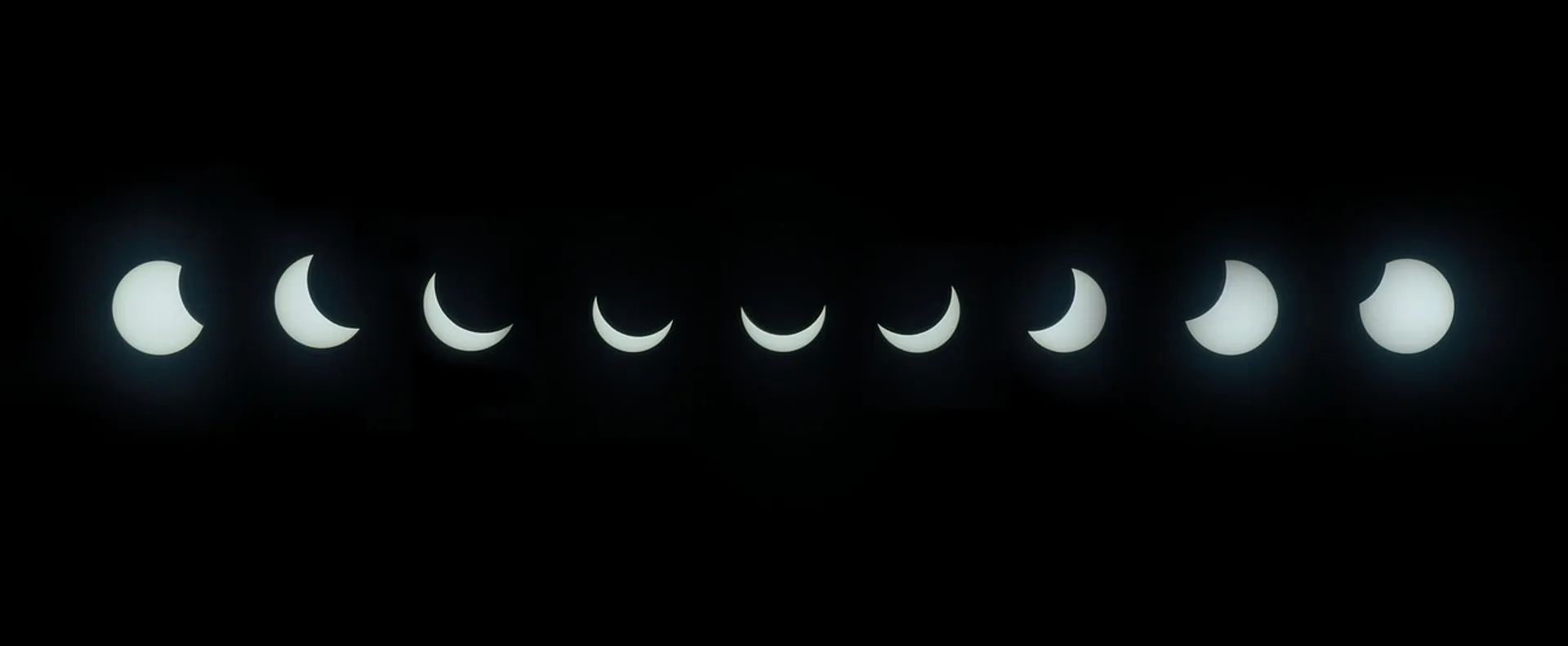
When the event is that much rarer, everyone wants a piece — and that’s where travel comes in. 2026 and 2027 are spoiling us with a solar eclipse each during peak summer travel season in the Northern Hemisphere, so why not make a trip out of it?
These are our picks of where to watch the sun disappear over the next couple of years, as well as some bonus lunar action for those who just can’t get enough.
Iceland — Westfjords region
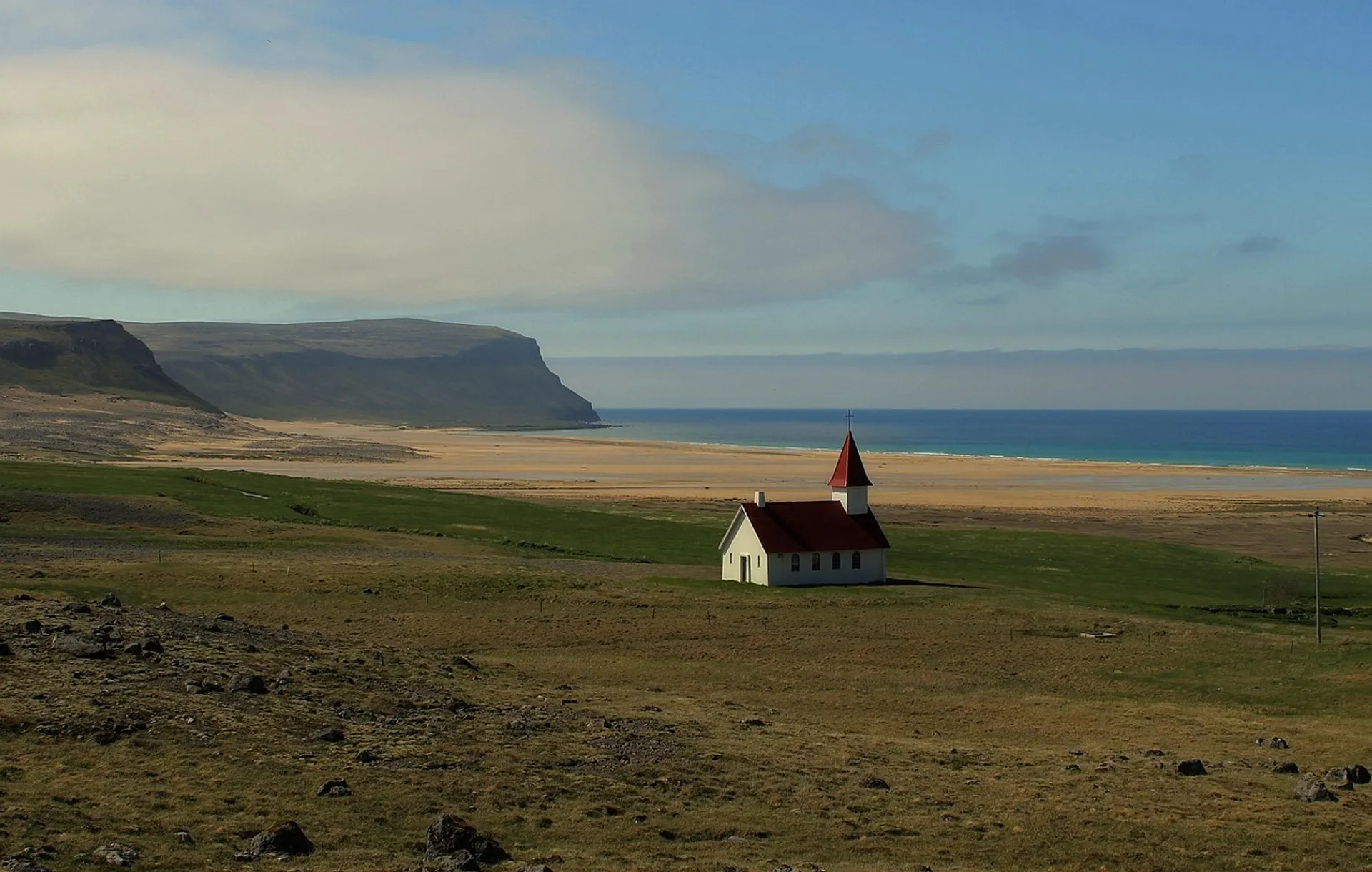
We’ll start with where you’ll get the biggest and bestest view of the eclipse: Iceland’s Westfjords. It’s usually touted as ‘Iceland without the crowds,’ but that’s all going to change this summer, when the path of totality skirts right along Iceland’s northwestern coast. This is where you want to be to catch the moon looking its largest for the longest.
Of course, it doesn’t hurt that the landscape and nature in the region are also completely mind-blowing, especially in summer. In classic Icelandic style, you can expect epic waterfalls, cliffs jam-packed with nesting birds, remote beaches and hot springs.
Even by Icelandic standards, this area is pretty sparsely populated, meaning there’s not a huge amount of accommodation available for, say, a sudden influx of international astrotourists. And since there are plenty of keen beans out there who planned well in advance, the peninsula is near enough fully booked during August’s eclipse dates already.
In fact, accommodation all along the west coast seems to be in short supply. What remains is a selection of Airbnbs at inflated rates, a space capsule-themed hostel, and this one eco house with its own hot springs that appears to have missed the eclipse-flation memo.
That leaves the rest of us with a few options:
- Find accommodation closer to Reykjavík or along the northern coast, and drive out to the Westfjords on the day. You’re looking at a drive of around 4–5 hrs from the capital or 5–6 from Akureyri.
- Campgrounds—ideally, with a campervan. Check that there is a spot available first, as you don’t want to get caught without somewhere to park up for the night. This map of all the campsites should help get you started. Wild camping with a vehicle (i.e. parking up anywhere and taking a snooze) is a big no-no in Iceland, so don’t try to wing it!
- Look elsewhere, like…
Northern Spain
Whether you’re wannabe pilgrims, historians, beach bums, foodies, or gallery goers, Spain’s north coast has a spot for you—one that’ll line up nicely with the path of the 2026 solar eclipse. With the exception of the Camino de Santiago and the steps of Bilbao’s Guggenheim, this part of the country truly is Spain's path less trodden.
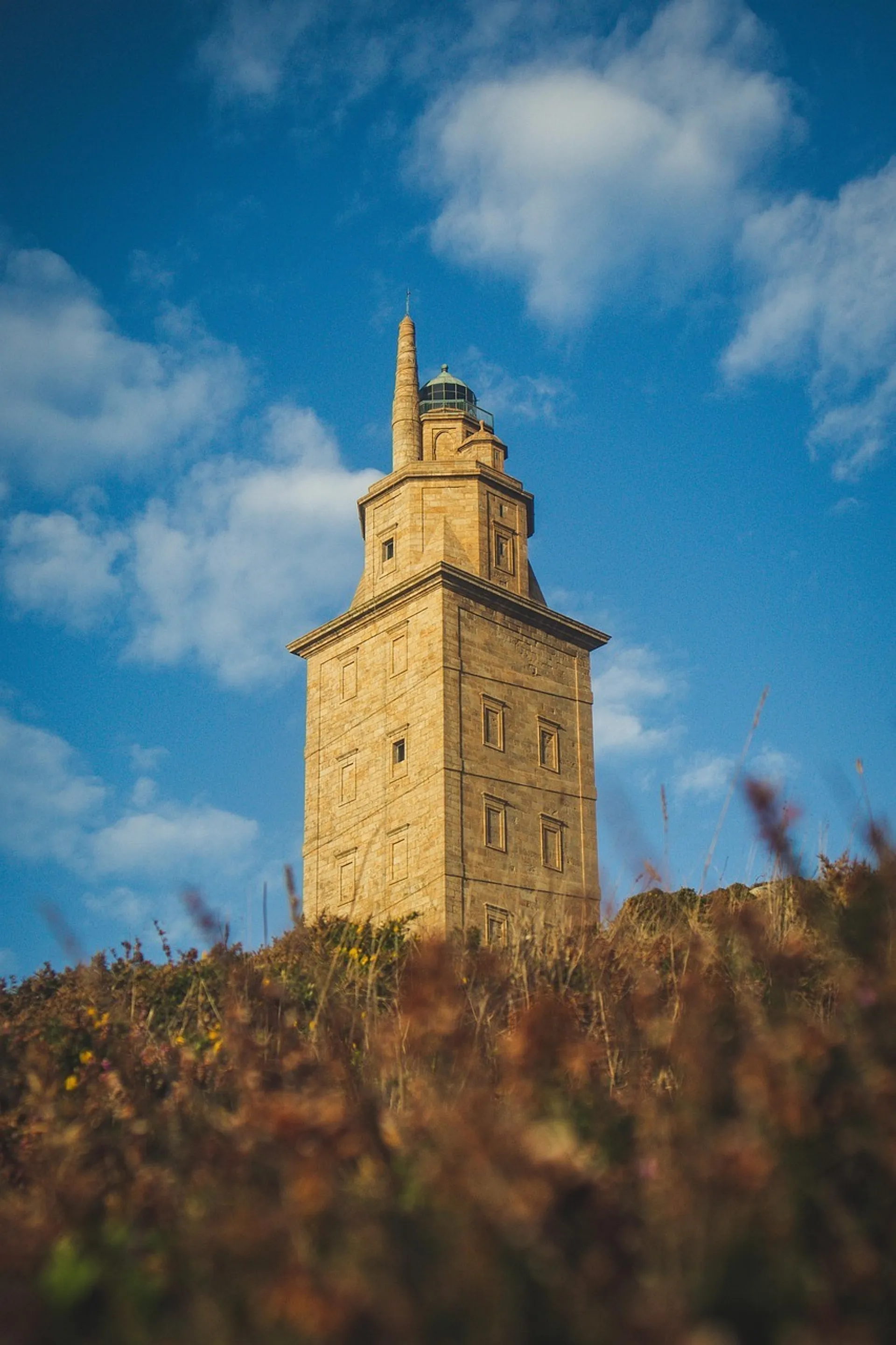
Coastal crowd, base yourself around A Coruña. Aside from enjoying the beaches and tapas, you’ll have a top vantage point from which to catch the show—right next to the world’s oldest lighthouse, with views out over the Atlantic. This is also the place to be for any cerveza connoisseurs, since you can visit the Estrella Galicia Mega Museum within the brewery, cheeky sample included.
Oviedo in Asturias will take you further inland, offering up a very satisfying combo of picturesque cobblestone plazas, street art, and local cider. Easy access to the nearby mountains also gives you a decent chance of finding higher ground that’ll get you the perfect late afternoon west-facing view. The risk there, of course, is that the mountains may, in fact, get in your way, so pick wisely!
Northern Spain is rife with cute little towns, fantastic food, and affordable accommodation—even with the impending onslaught of eclipse hunters. You can’t go far wrong by hiring a car and basing yourself somewhere more rural, but just be sure to look for those clear western horizons to maximize your viewing time.
Eastern Spain & the Balearics
A popular choice in any given August, it’s hard to imagine an occasion that could make Mallorca or Barcelona even more packed to the rafters. But here we are.
While these spots are set up for mass tourism, they’ve also been pretty vocal about the effect it’s having on their local communities. Consider visiting smaller towns along the coast between Barcelona and Valencia to ease the pressure, and as a reward, you’ll get a better view of the eclipse too.
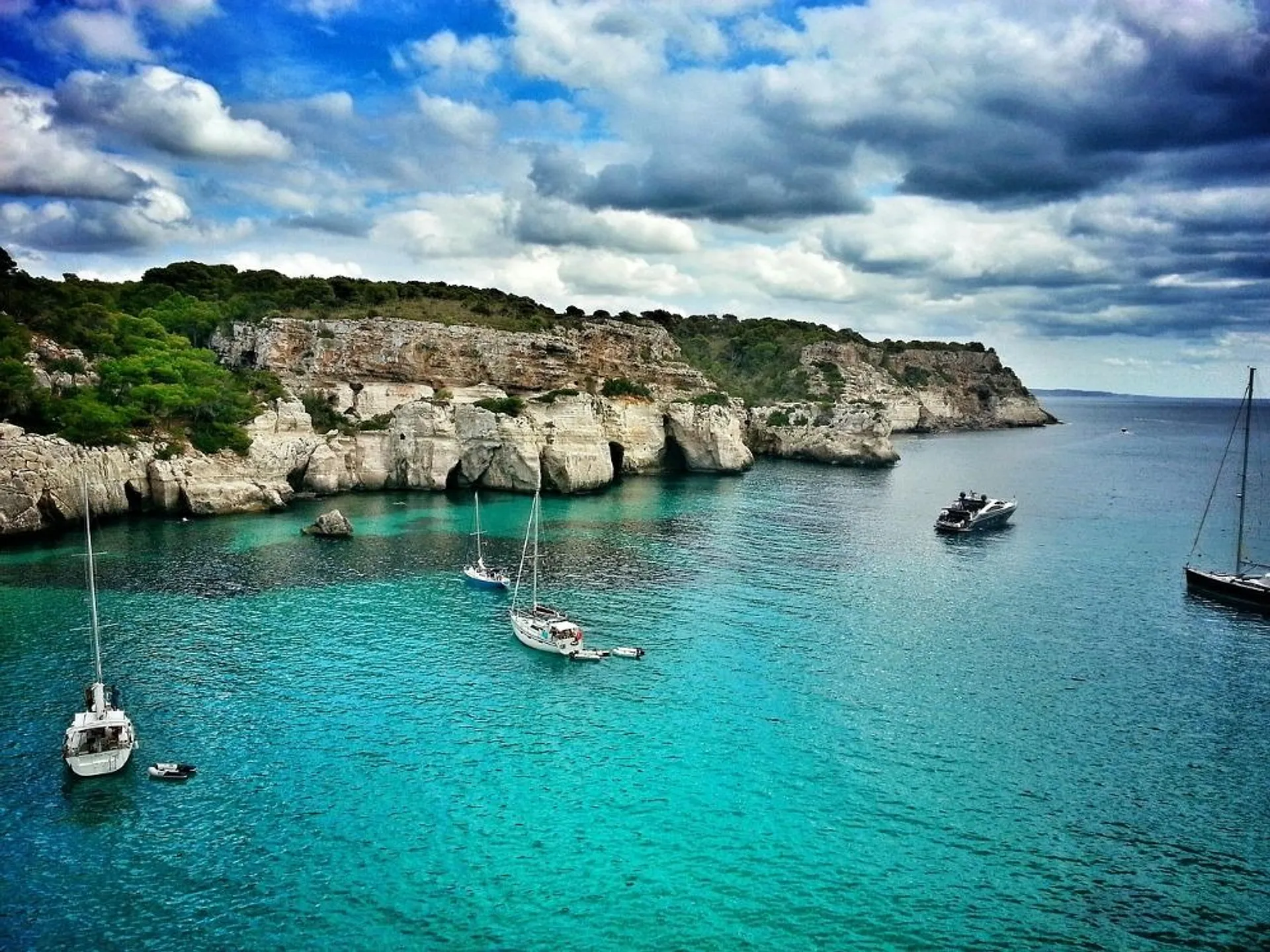
As for the islands of Mallorca and Menorca, quiet countryside villas and smaller coastal towns are your friend, i.e., let’s skip Magaluf—this year and every year. There are actually a bunch of beautiful hidden coves and cute old fishing villages hidden there between the sunbeds and British pubs; you just have to want to see them. And I’m willing to bet that Menorca’s Monte Toro will offer up some epic panoramic views come showtime.
If you wanna plan ahead a little better for the next time around, you thankfully won’t have too long to wait. On August 2nd, 2027, the path of totality will skirt across Spain’s southern tip and over North Africa, meaning you can chase the shadow once again, but this time surrounded by pharaohs and sarcophagi.
Luxor, Egypt
If you’ve always wanted to go a bit Indiana Jones or Lara Croft, but felt that wasn’t quite cool enough, just add in a solar eclipse. That’ll surely take your tomb-raiding cred to the next level!
In all seriousness, Luxor is at the peak of 2027 eclipse-watching locations thanks to over 6 minutes of totality and a high likelihood of clear skies. And given the early afternoon timing, finding a vantage point won’t be hard.
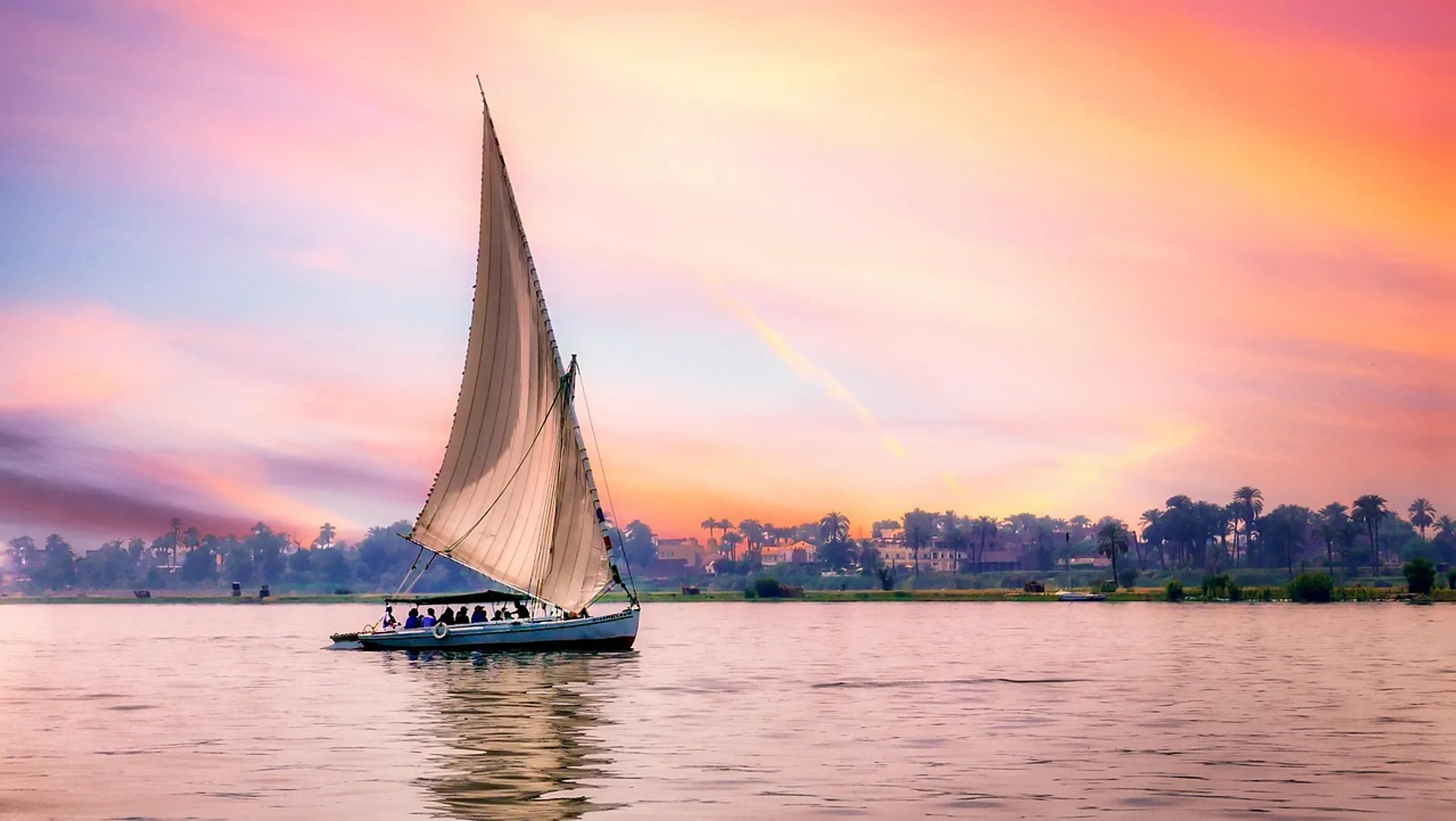
Visitors will likely flock to the ancient columns and sphinxes of the Karnak Temple and the clifftops overlooking the Valley of the Kings. These are undoubtedly amazing spots to catch the show, but securing your spot on a Nile cruise might just be the most epic option. Try to avoid eclipse-specific trips organized by major companies and instead hop on a local felucca—plus, you’ll appreciate the breeze in that August heat.
Gibraltar
Breezier again: the top of the Rock. Just watch out for all the pickpockets.
Located at the gateway to the Med, Gibraltar has a unique blend of British and Spanish cultures, as well as cracking views of Morocco (on a clear day). The city is well worth wandering around, beyond the obvious hike, especially for military history buffs. Just make sure you’re not too far into the labyrinth of tunnels when the eclipse hits—you only get 4.5 mins.
There are also a couple of options for finding those wide open views that don’t involve a hefty workout on the glutes. The evocatively named Sandy Bay offers those south-facing vistas across the Strait of Gibraltar, while Western Beach is located right next to Gibraltar Airport’s runway, which you cross to enter the territory. Bonus aviation nerd points right there.
Kerkennah Islands, Tunisia
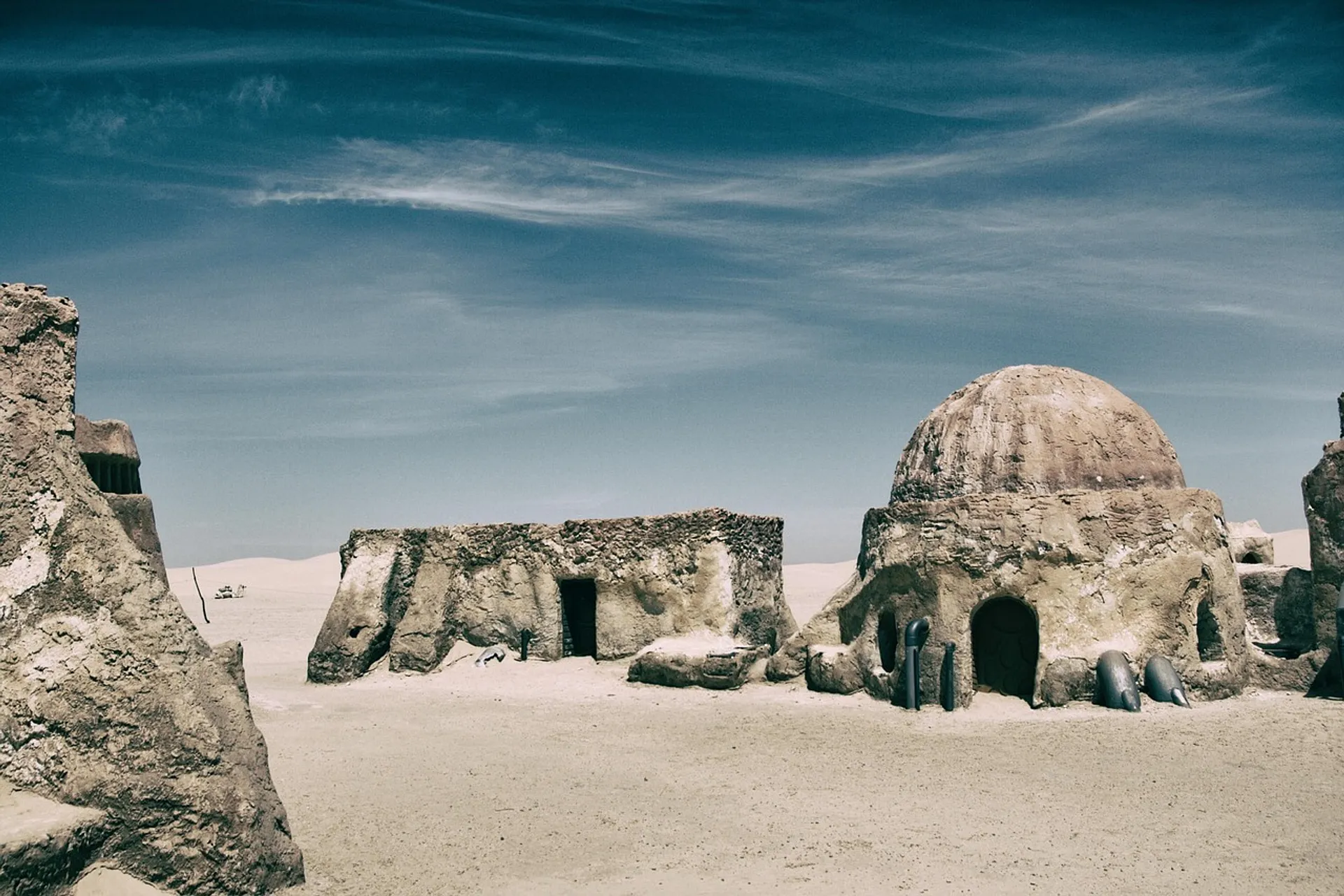
One of North Africa’s many underrated gems, there’s way more to Tunisia than just the epic ruins of Carthage, giant Roman amphitheatres, and the bustling Medina. There’s also more than the Sahara Desert, the traditional Berber dwellings of Tataouine (aka Tatooine), and fantastically affordable Mediterranean beach resorts.
In the southeast of Tunisia, off the coast of Sfax, lies a chain of islands called the Kerkennah Islands. That’s where I wanna see the eclipse. Why? Because I’ve never met a Mediterranean island I didn’t like, but very few feel authentic and untouched by mass tourism, with the opportunity for a little cultural immersion. Plus, women kinda run the show here.
Along with much of southern Tunisia, the Kerkennah Islands will get over 5.5 minutes of eclipse totality, without the crowds you’d expect in nearby Egypt, but with the traditional felucca ride (or flouka, as they call it in Tunisia).
2026 Lunar Eclipse
Good news for (some of) you impatient lot in North America and beyond—you can get practising your astrotourism skills in just a matter of weeks with the March 3rd lunar eclipse.
While a total lunar eclipse isn’t quite as spectacular as its solar twin, it’s still pretty darn cool, especially if you’re right in the path of totality. As the moon passes into the Earth’s shadow, the only light that reaches it is filtered through our atmosphere, giving it a rust-red colour—there's a reason why they call it the “blood moon.”
Here’s an added bonus: when the moon turns red, it also gets significantly dimmer, which allows the stars to come out nice and bright. A lunar eclipse is your only opportunity to see a full moon swimming in a sea of glimmering stars, so our advice is to get yourself to a proper dark sky reserve to watch the show unfold.
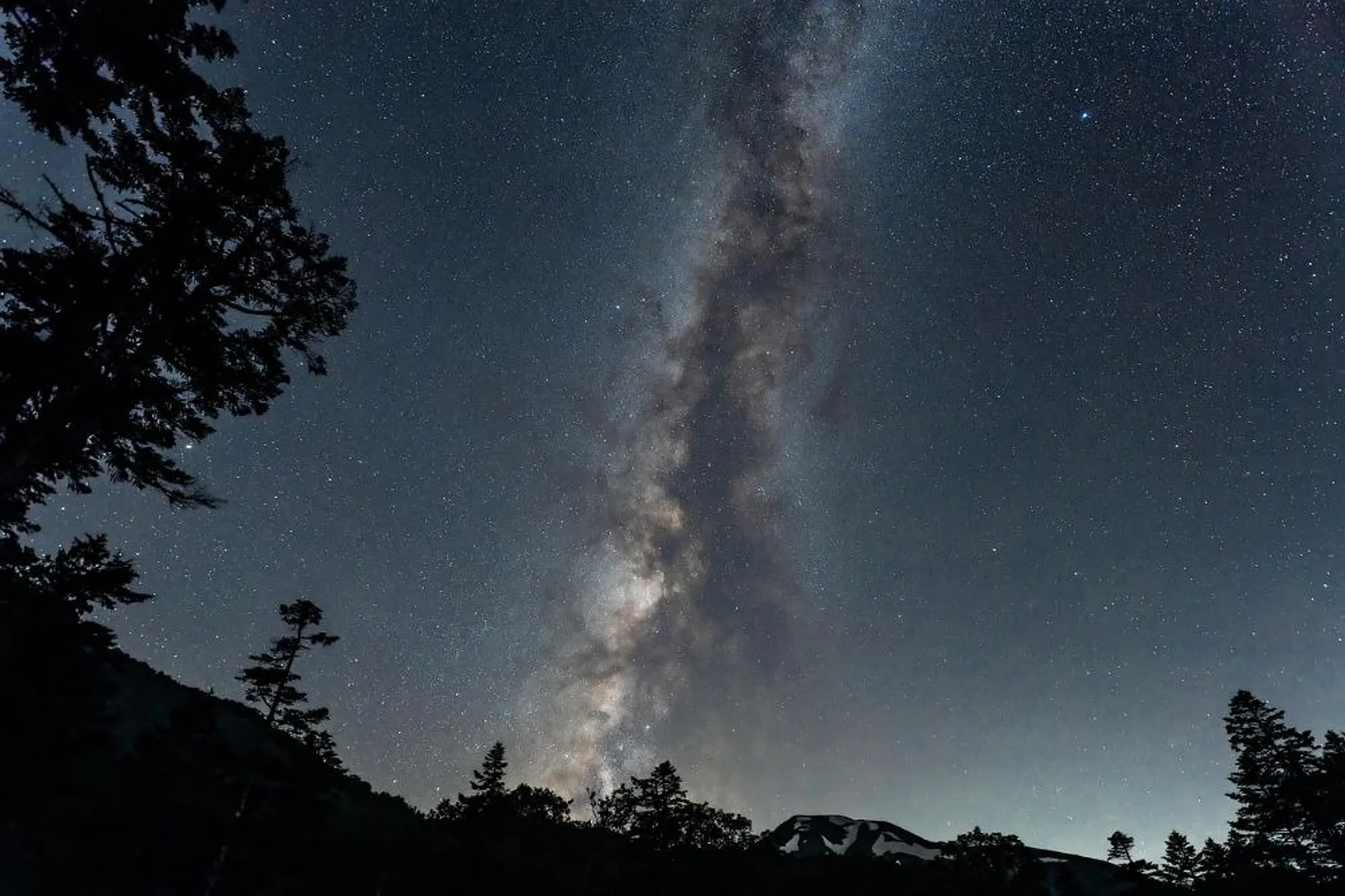
This year’s eclipse is centred in the Pacific Ocean, so the best place to watch it would be somewhere like Hawaii or Tahiti. But you’ll also get terrific views from the West Coast of the US (try Anza-Borrego or Death Valley), Western Canada (Jasper or Wood Buffalo), New Zealand (Wairarapa), Eastern Australia (Warrumbungle), and Japan (Kozushima Island).
Have you planned an eclipse trip already, or do you suddenly really fancy one after reading this? Let us know in the comments where you’ll be travelling to catch a celestial show. And if you manage to snap a good pic, please send it in! We’d love to see a bit of astrotourism in action.