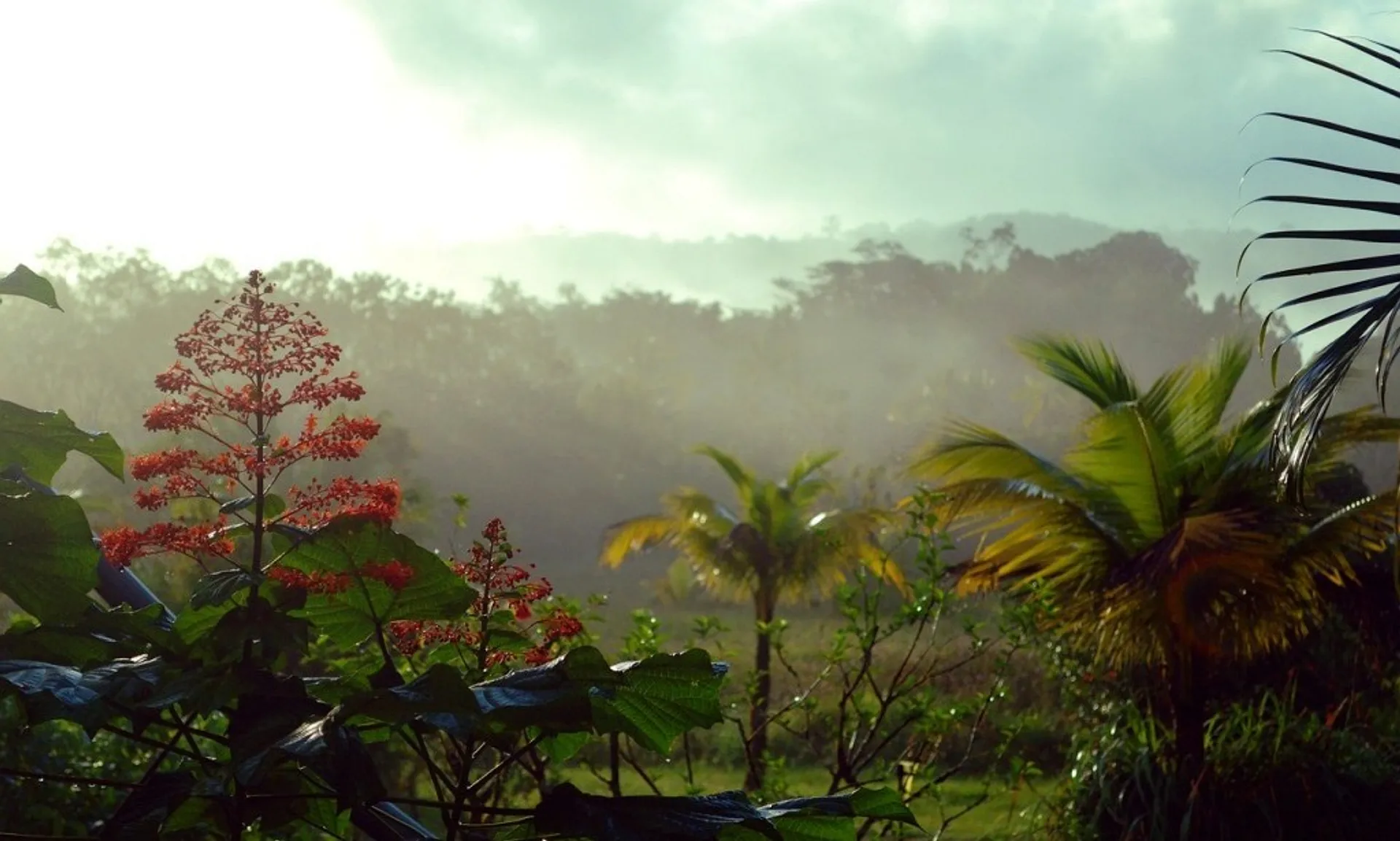
The South American Countries We Never Talk About

Katy Maclure
This article was originally published in The Detour in January 2024, before Ecuador was added to the piece linked below. We have made some updates to reflect the change.
Scrolling wistfully through another of the countless “best countries to visit for XYZ” lists, I found myself stopping and re-reading the title: “7 of the best countries to visit in South America.”
When there are only 12 countries on the continent (*plus one French overseas department), it makes you wonder what it takes to become one of the glaring omissions? For some, it’s undoubtedly political unrest (*ahem* Venezuela) but for the others, it just seems to be a case of poor PR. Let’s get stuck in…
Ecuador
Ecuador had absolutely no business being left off this list when it was originally published in 2024—they had David Attenborough, for goodness’ sake! As the home of the Galápagos Islands, it’s probably one of the most inspiring destinations for wildlife on the entire continent, or even planet. Grab a cuppa and sit down with the legend himself if you need a refresher.
And there’s more where that came from on Isla de la Plata, aka the Poor Man’s Galápagos, where you can catch a glimpse of some blue footed boobies without burning a hole in your pocket. You’ll even find a mess of iguanas just hanging out in the centre of Guayaquil. Yes, a mess.
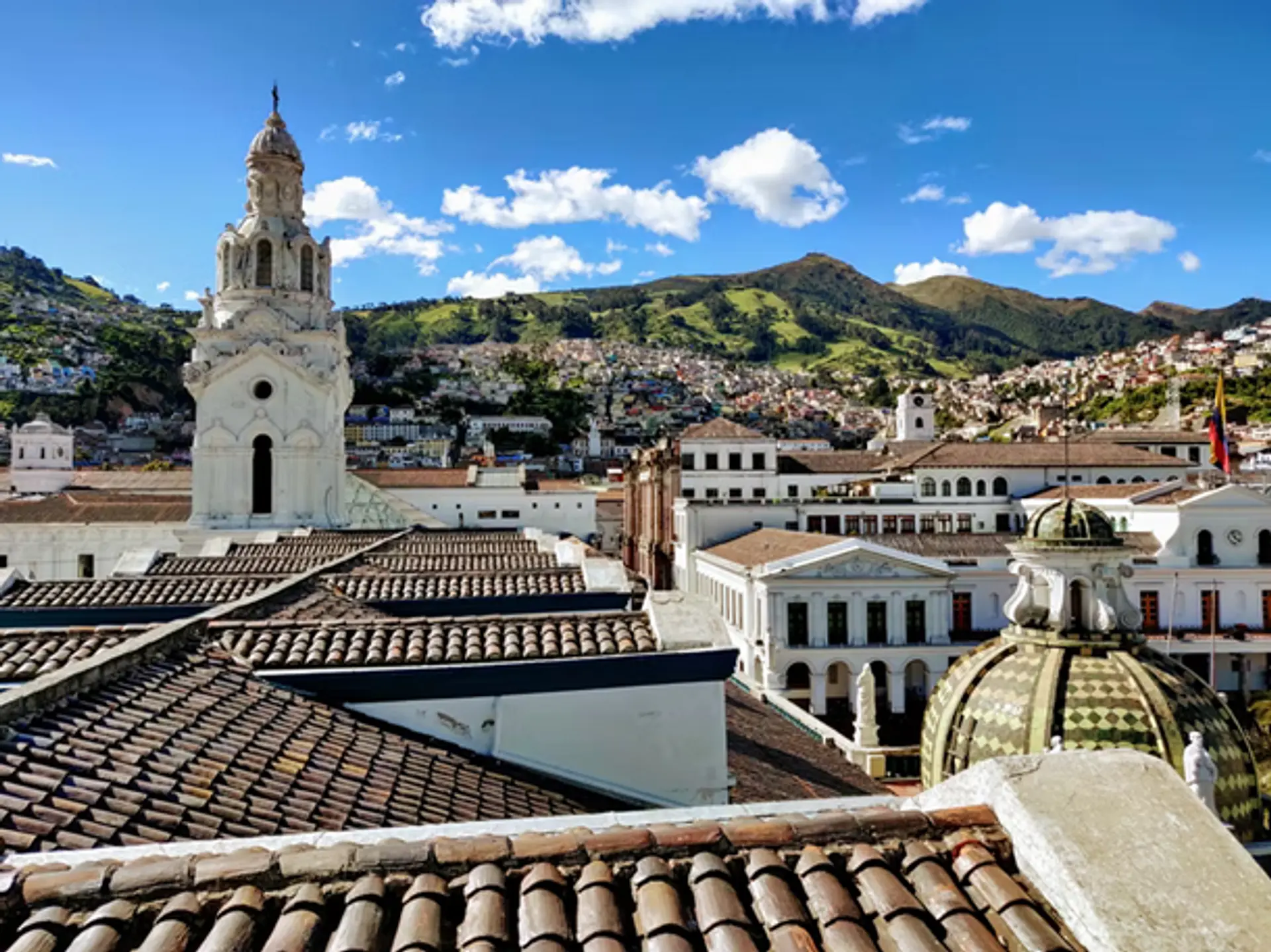
The capital, Quito, will take you inland to the foot of the Andes. The city’s cable car offers up seriously epic views over the historical city, while Mitad del Mundo serves as a humbling reminder of the time someone bungled marking where the real equator crossing is. On top of that, Quito is also the gateway to the Ecuadorian Amazon and Parque Nacional Yasuní, one of the most diverse biospheres on earth. Can’t argue with that.
Buuuut here’s the catch: Ecuador has been in the news a lot recently due to political unrest, gang warfare, and general violence. In and around Guayaquil, narco activity has increased as gangs fight for control of the ports to ship drugs produced in Colombia and Peru.
The Ecuadorian government initiated a state of emergency, meaning there’s an increased military presence and daily curfew in place across the country while they attempt to regain control. That said, current travel advice still considers most of Ecuador safe to travel to, especially the national parks and Amazon region, as well as the Galápagos.
We wouldn’t blame you for hesitating about booking flights right now, but in theory, there’s nothing to stop us heading off into the jungle…
Paraguay
Right in the middle of South America lies land-locked Paraguay. As international tourists go, the country is pretty overlooked—in 2022, only 1.5 million foreigners visited Paraguay, over 75% of whom came from neighbouring Argentina.
So, why don’t we go there? According to the Global Peace Index, it’s not because it’s dangerous. Like most built-up cities, the capital, Asunción, isn’t free of crime, but if you keep your wits about you and don’t wave your valuables around, you should be good.
It turns out the reason hardly anyone visits Paraguay is that there’s nothing to do there. Or so we think.
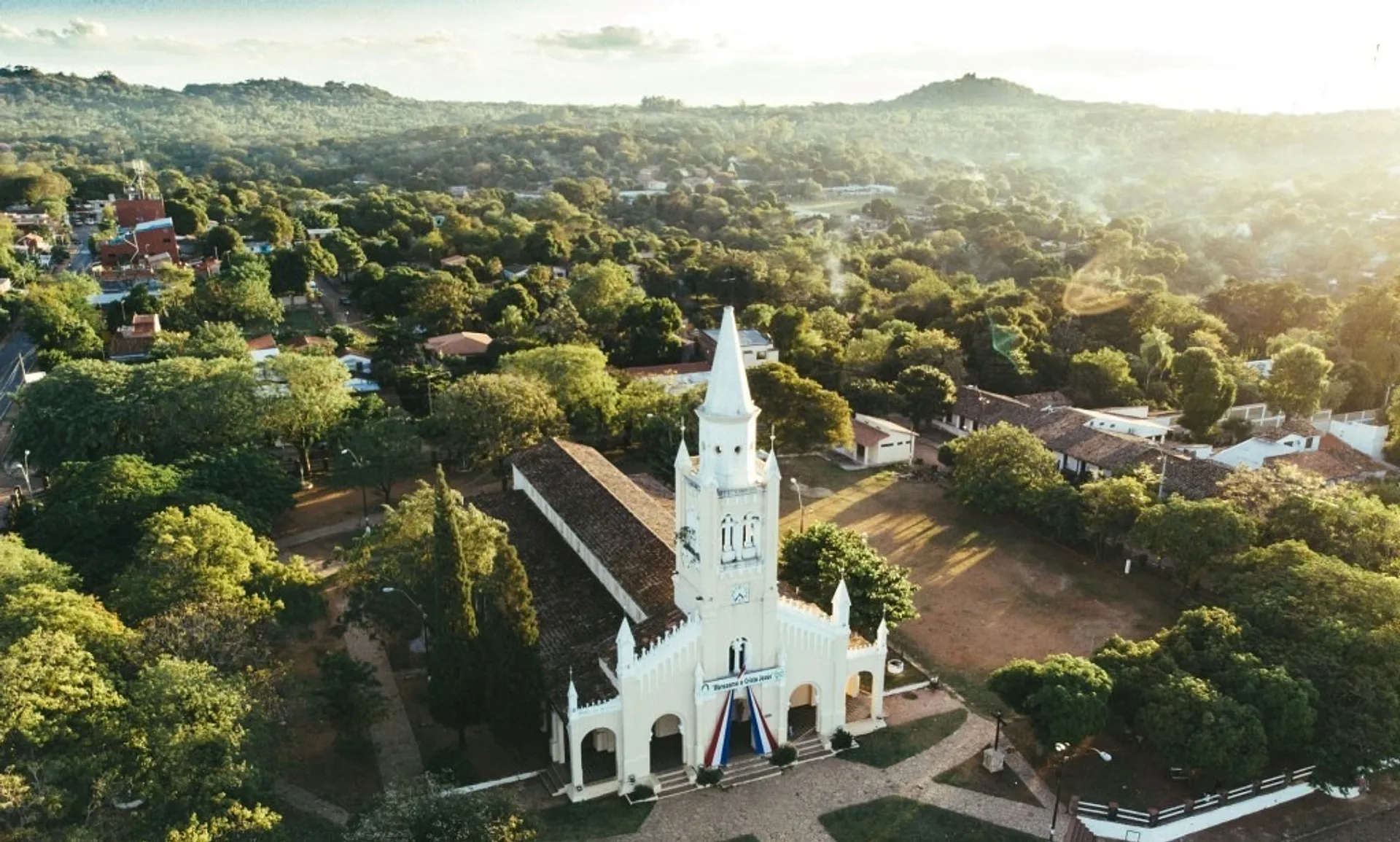
Asunción is one of the oldest settlements in South America, and now a vibrant, modern city, dotted with colonial ruins, local markets and a food scene that’ll tickle most taste buds. Unless you don’t eat meat—then you should bring a packed lunch.
Down south, there’s plenty more evidence of the country’s chequered history at the impressive 17th century Jesuit ruins, which were built by missionaries in an effort to convert the local Guaraní people.
There’s plenty of beautiful (tourist-free) nature out there as well, like the quiet beaches of Laguna Blanca, or Ybycuí National Park with its monkeys, tropical birds and (fairly modest) waterfalls. Although, when it comes to waterfalls, save yourself a trip to see the big guns at Iguazu by checking out the Saltos del Monday instead. Or, realistically, visit them as well.
Suriname
Much like Paraguay, there’s no special safety risk when it comes to visiting Suriname. Again, don’t be flashy or walk around dark areas at night, and you’re likely to be just fine. That said, government advice suggests travelling with a tour company if you’re heading away from coastal areas and into the centre of the country.
And that’s exactly where you’ll find the lush nature reserves that absolutely shouldn’t be missed. From the imposing mountains, to the hundreds of indigenous bird species (and a few giggle-worthy names), it’s well worth making the effort to leave the Caribbean coast. There are loads of tour companies available in the region, but Impressive Suriname get excellent reviews.
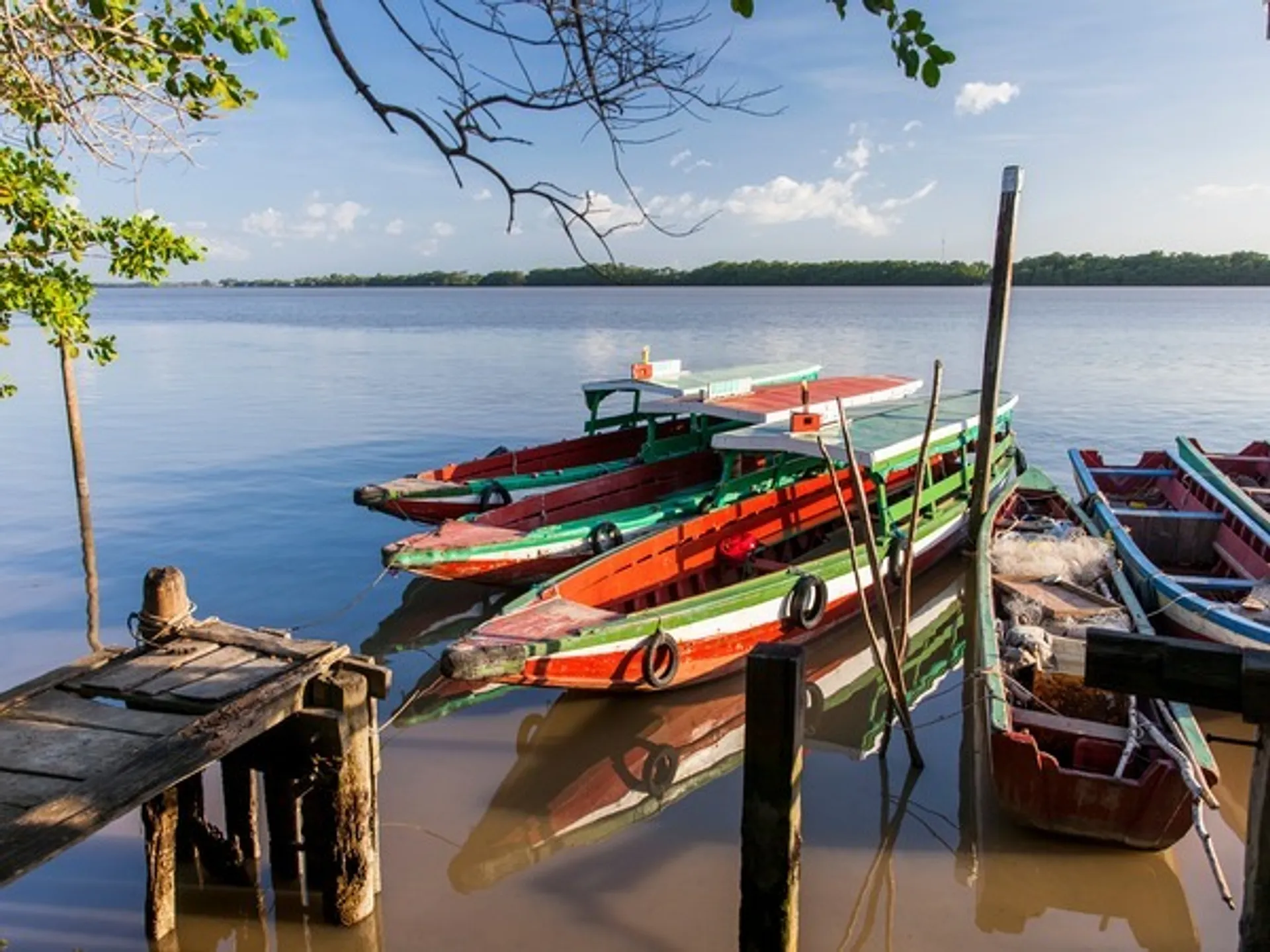
But the capital, Paramaribo, also deserves a couple of days on your itinerary. The city's imposing structures are essential stops. The cathedral is the largest wooden church in the region and sure lives up to the hype, while Fort Zeelandia is perched upon the banks of the river, reminding visitors of the long colonial history.
Paramaribo is an ideal place to sample a few local dishes—many of which you’ll recognise. Surinamese cuisine takes influences from India, Indonesia, Africa, China… the list really does go on, so don’t be surprised if you’re served up a roti or nasi.
Venezuela
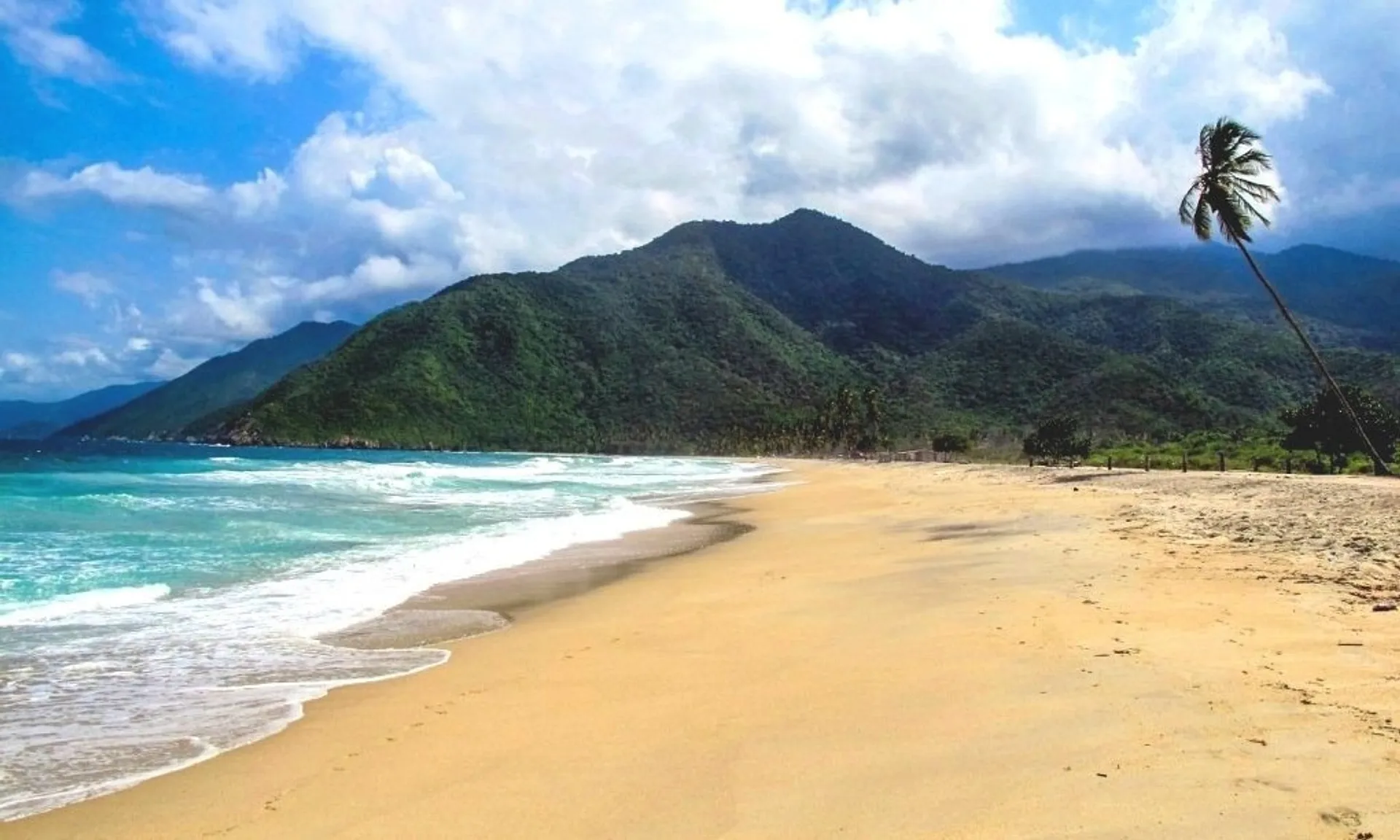
This one might be the most obvious on the list of “why we don’t go there”—years of civil unrest, a shortage of basic public services and harsh living conditions are just the start. Violent crime rates are high, and renewed territorial disputes with neighbouring Guyana just add to the tension.
It’s a shame, because otherwise, Venezuela kind of has it all in terms of reasons to visit—stunning Caribbean coastline, the actual tallest waterfall in the world, impressive table-top mountains, its own corner of the Amazon… Oh, and super tasty food, which I've (so far) only tasted in Berlin.
Sadly, most of us will likely be waiting a while before experiencing it first hand.
Guyana
Guyana’s safety levels land somewhere (fairly appropriately) between Suriname and Venezuela, especially when you’re in the capital, Georgetown. And while Georgetown does have a few things worth seeing (another one for the big wooden church lovers), it’s really inland that you’ll want to go.

Guyana offers a lot to thrill the adventurous traveller, but be sure to sign up for guided tours with a reputable company for the best rainforest adventures.
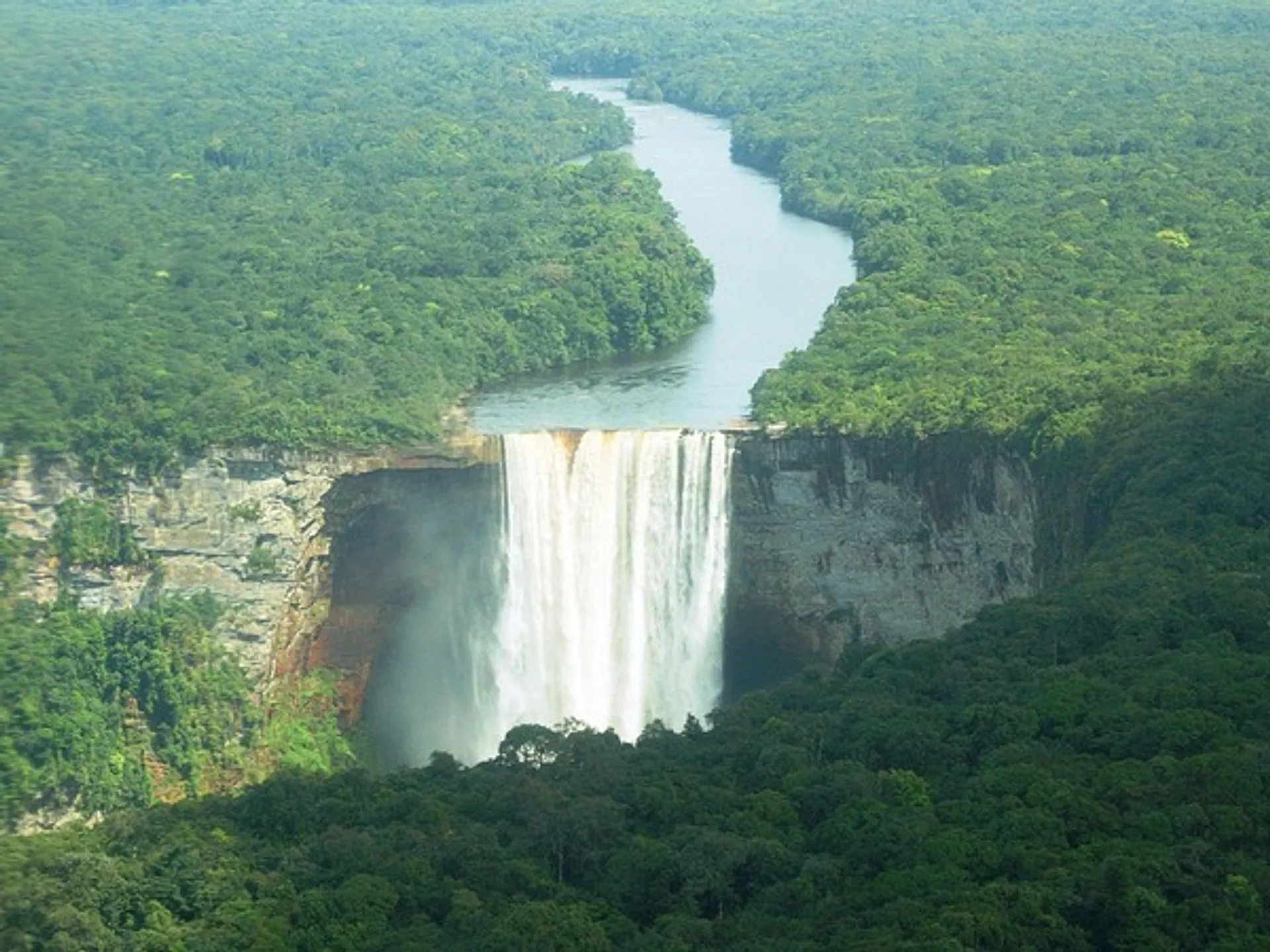
Kaieteur is the world's largest single drop waterfall, and the best (and easiest) way to see it is from a bird's eye view on an aerial tour. These cost $220-$270 per person and usually include a guided tour of Kaieteur National Park as well.
If you have a few more days (and dollars) you could book a guided 4-day trip over land. This is a more intimate way to see the country, with meals, lodging, and transportation to the start of the hiking trail included.
While tourism is relatively new to Guyana, it's already setting itself up to be as sustainable as possible. You'll be spoilt for choice with eco lodges, many of which are still working ranches or conservation hubs.
The bravest travellers can even tag along with researchers while they capture and study the black caiman - one of the world's largest reptiles that rule the rivers of Guyana. Don't worry, you can stay in the other boat while they do the wrangling!
French Guiana
Last but not least, the slight anomaly in the bunch—French Guiana. Not actually a country, it is in fact an overseas department of France, meaning it’s part of the EU and uses the Euro. And as a bonus, when it comes to safety, you should just follow normal precautions.
As you might guess from the other countries mentioned, you’ll most likely be here for the nature. After landing in Cayenne, head north towards the border with Suriname. Cruises—definitely not the ones you're thinking about—leave from Saint-Laurent-du-Maroni to navigate all the way into the Guiana Amazonian Park. Sitting on the wooden canoes for 3+ hours can be quite uncomfortable, but spotting these guys is absolutely worth the flat bum!
Before hopping on your canoe, make a stop at Hattes Beach. Not only it's an incredibly pretty spot, it is also the perfect nesting location for huge leatherback turtles - a good addition to those toucans and giant otters.
You’ll find plenty of eco lodges scattered around the jungle, in case you don’t like the idea of sleeping on a hammock in the middle of the forest. Just don’t forget to bring a power-bank and a torch—most accommodation doesn’t have electricity.
That completes that list of destinations that The Independent didn’t deem “the best”! Honestly, they all seem pretty exciting to me…
Let us know what you thought! Are these spots worth the visit? Where else in South America do you want to give a shout-out? Comment below to share your experiences!