Jack's Guide to: Japan

Larissa Shearman
A country on the top of many people's lists, Japan is extremely popular. But because you're here, you probably know that :-)
Known for its history, food, high-tech gadgets, hospitality and being an extremely safe country to visit, there's so much to see and experience in the country.
Read on for our insider tips, tricks, and experience to help you plan your trip.
A quick note on the links in this guide: we’re not affiliated with any of the external sites included in this guide, so we’re not getting any kick-backs or commission. We’ve only included resources we think will genuinely be useful to help you decide if this destination is for you.
Getting there
As you'd expect from a country famed for its bustling metropolises and advanced technology, Japan has fantastic connectivity to countries around the globe.
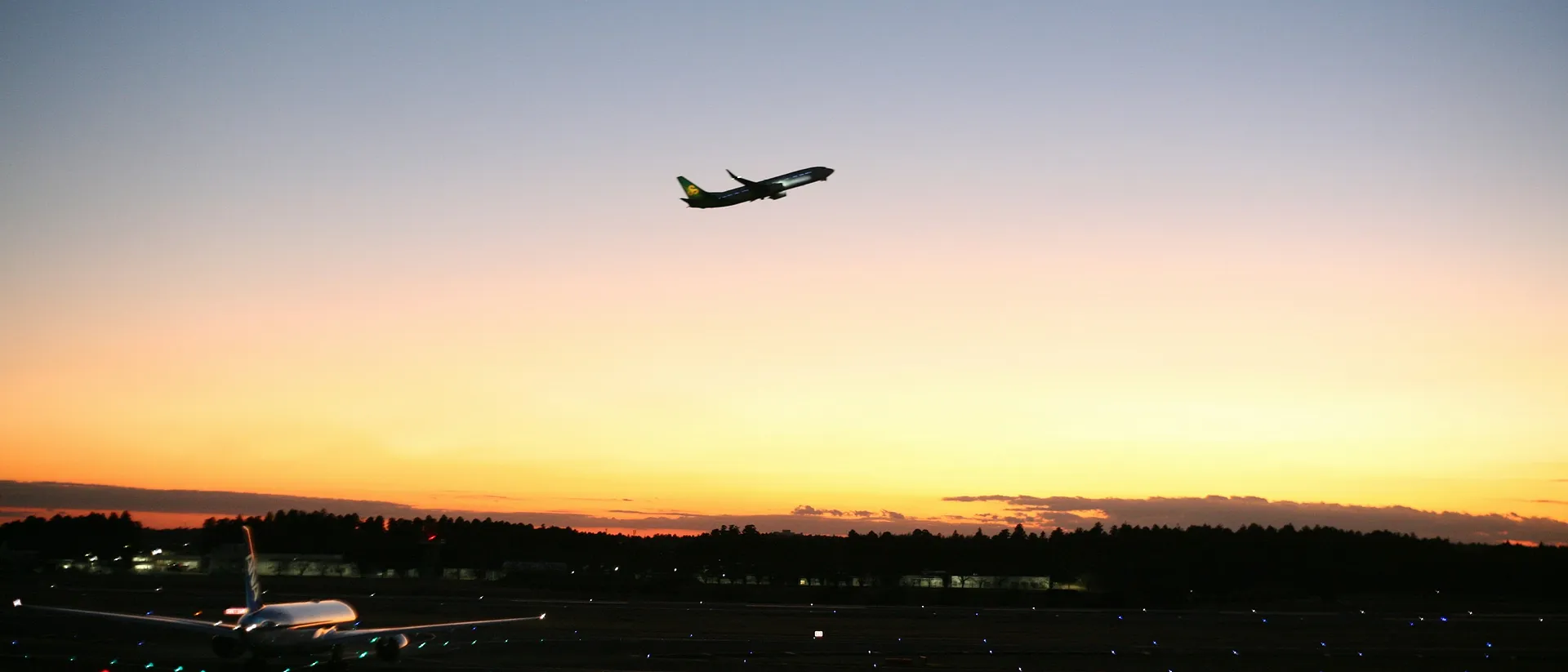
By air
Major hubs: Tokyo & Osaka
Other hubs: Sapporo & Fukuoka
Depending on where you're coming from, you'll likely find the cheapest flights to Tokyo or Osaka. These are two of the biggest, central cities in the country, from which you can get to other cities on your radar, like Hiroshima, Nagoya and Fukushima. Outside of this, Sapporo in the north and Fukuoka in the south also have flights from Europe and North America, and may be better entry points if you want to focus on those parts of the countries.
Japan has 2 major airlines that fly from Europe and North America to Tokyo: Japan Airlines (JAL) and All Nippon Airways (ANA). Both offer non-stop flights from large hubs like London, Paris, Frankfurt, Munich, Stockholm, New York, LA, San Francisco, Vancouver, Chicago, Boston and Dallas. ZipAir Tokyo is a budget option for non-stop flights from the West Coast of the US.
Most flagship airlines offer non-stop flights to Tokyo as well, like British Airways, Lufthansa, KLM, SAS, Air Canada, Delta, American Airlines and United Airlines. However, the cheapest way to get there is usually to take connecting flights, especially via China.
Example price ranges of a typical Jack's Flight to Japan
- From London, Birmingham: £400-£500 return
- From Manchester: £400-£550 return
- From Scotland: £430s-£600s return
- From Germany: €500 return
- From Scandinavia: €450-€600 return
- From Benelux: €470s-€630s return
- From East Coast USA: $700s-$800s return
- From West Coast USA: $470s-$600s return
- From East Coast Canada: $700s-$1000s return
- From West Coast Canada: $600s-$760s return
By sea
To/from South Korea
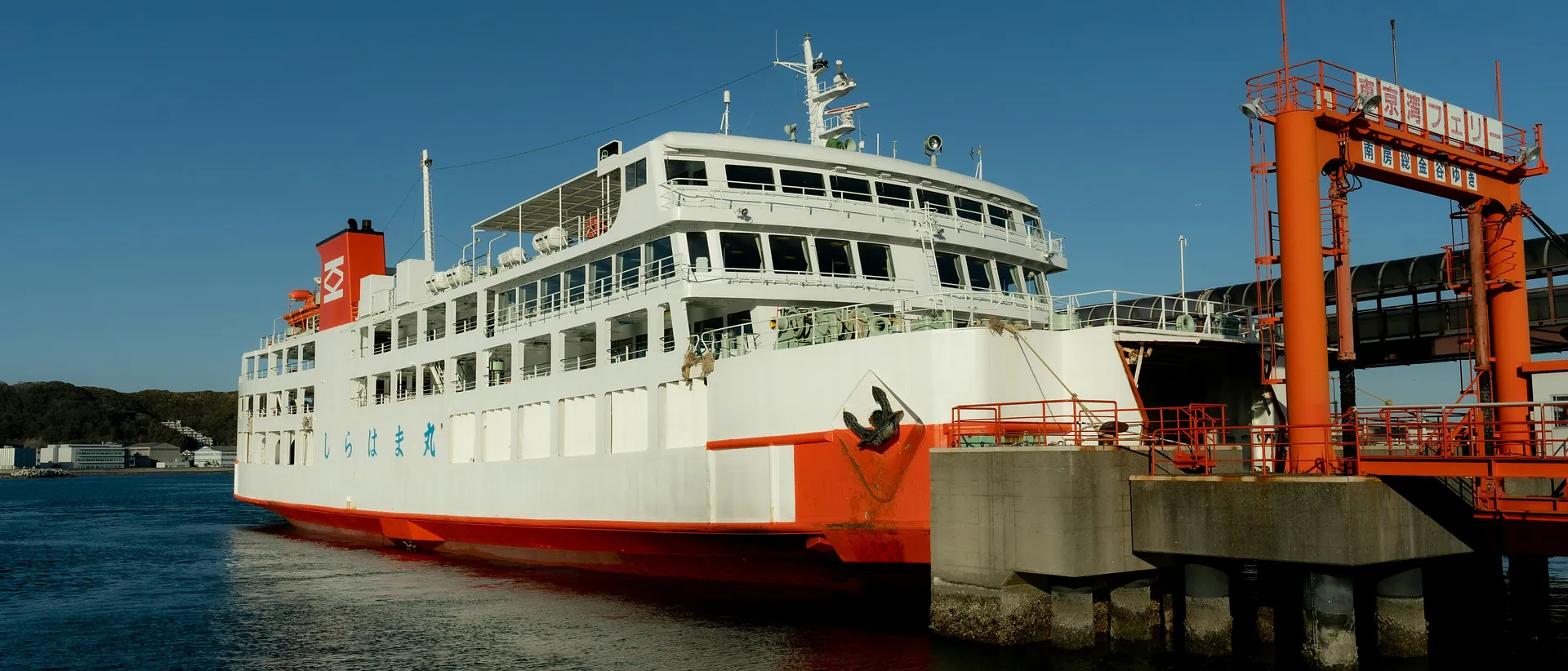
There are several ferries connecting Japan and South Korea. The most popular routes run between:
- Shimonoseki and Busan: overnight ferry (about 12 hours), with four different room types depending on price (between 2,000-10,000 JPY/£9-£48 GBP/$13-$63 USD).
- Fukuoka and Busan: 5 hrs 30 mins/7 hrs 30 mins, or the overnight ferry (8,500-14,000 JPY/£40-£66/$54-$88 USD).
Head to the Man in 61's guide for all the details.
To/from Shanghai
While there used to be a direct ferry between Shanghai and Osaka, it looks like the only way to travel by sea from China to Japan is on a cruise ship. There are plenty of cruise options, but these will often be long journeys and quite expensive in comparison to public transport.
Getting Around
JR Rail pass
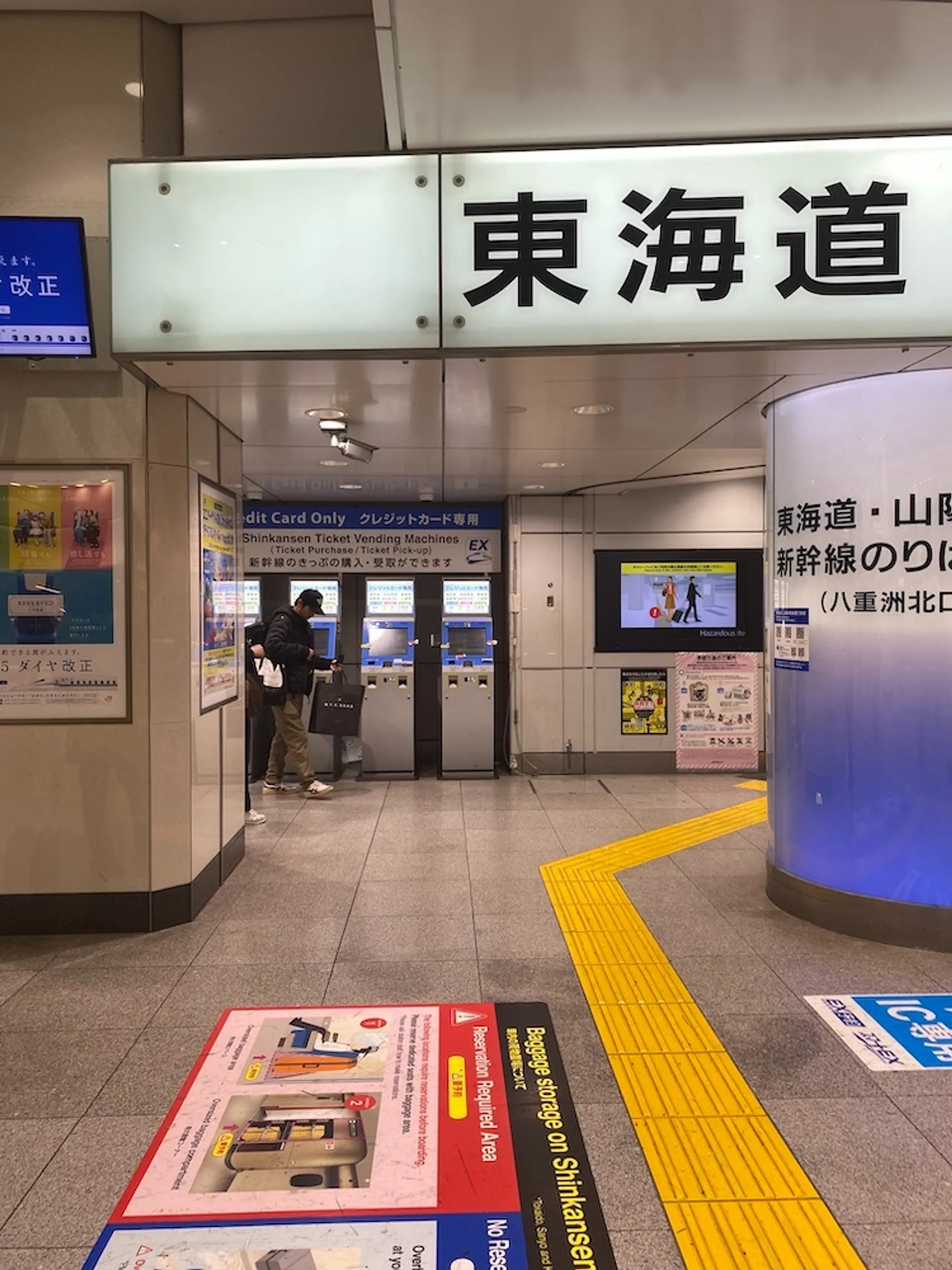
You may be wondering whether it’s worth buying a JR Rail pass (which would give you unlimited travel for a certain number of days), or buy your tickets as you go. Unless you’re planning on traveling constantly on Shinkansen trains throughout your trip, it’ll likely be cheaper to skip the pass and just book your tickets individually. You can learn more about traveling by train around the country here.

Larissa's Pro Tip
You’ll likely see third-party websites like Klook also selling Shinkansen tickets – these tend to be a little more expensive (due to their booking fees), so it’s better to buy them on the official website or in person at the station.
Visas
Depending on which passport you hold, you may need a visa to enter Japan.
At the time of writing (June 2025), travelers from the UK, most of Europe, the USA, and Canada will be granted a 90-day visitor visa on entry, so you don’t need to apply before your trip.
All visitors need to fill out a customs declaration before they arrive — you can do this on the plane with a paper form, or you can organize it beforehand via Japan Web and present your QR code on arrival.
The rules for each country are updated regularly, so it’s important to check your own government guidelines before traveling.
Cash & Currency
The currency in Japan is the Japanese Yen (JPY), with $1 USD being equivalent to around 145 JPY. This is about the price it’ll cost you to buy a bottle of water or a pastry at the convenience store.
Your accommodation costs will depend on where you want to stay. Dormitory/hostel beds start at 2500-6000 JPY/night, while a standard hotel room costs 10,000–20,000 JPY/night. Ryokans are traditional Japanese rooms, with tatami mats, paper doors and dinner/breakfast included, and you can book these (usually outside big cities) for around 20,000–30,000 JPY/night.
Japan is very much still a cash-based country, particularly for touristy stuff like souvenirs, street snacks, and temple charms. Some restaurants will also be cash-only, even in big cities like Tokyo or Osaka.
The majority of hotels, restaurants, and shops will accept card payments though, either with your bank or credit cards. In a particular Japanese quirk, the public transport IC card you’ll be buying to travel on the metro, the bus or the train can also be used at convenience stores and some restaurants. The most popular IC cards are Suica and Iwoca.
Larissa's Pro Tip
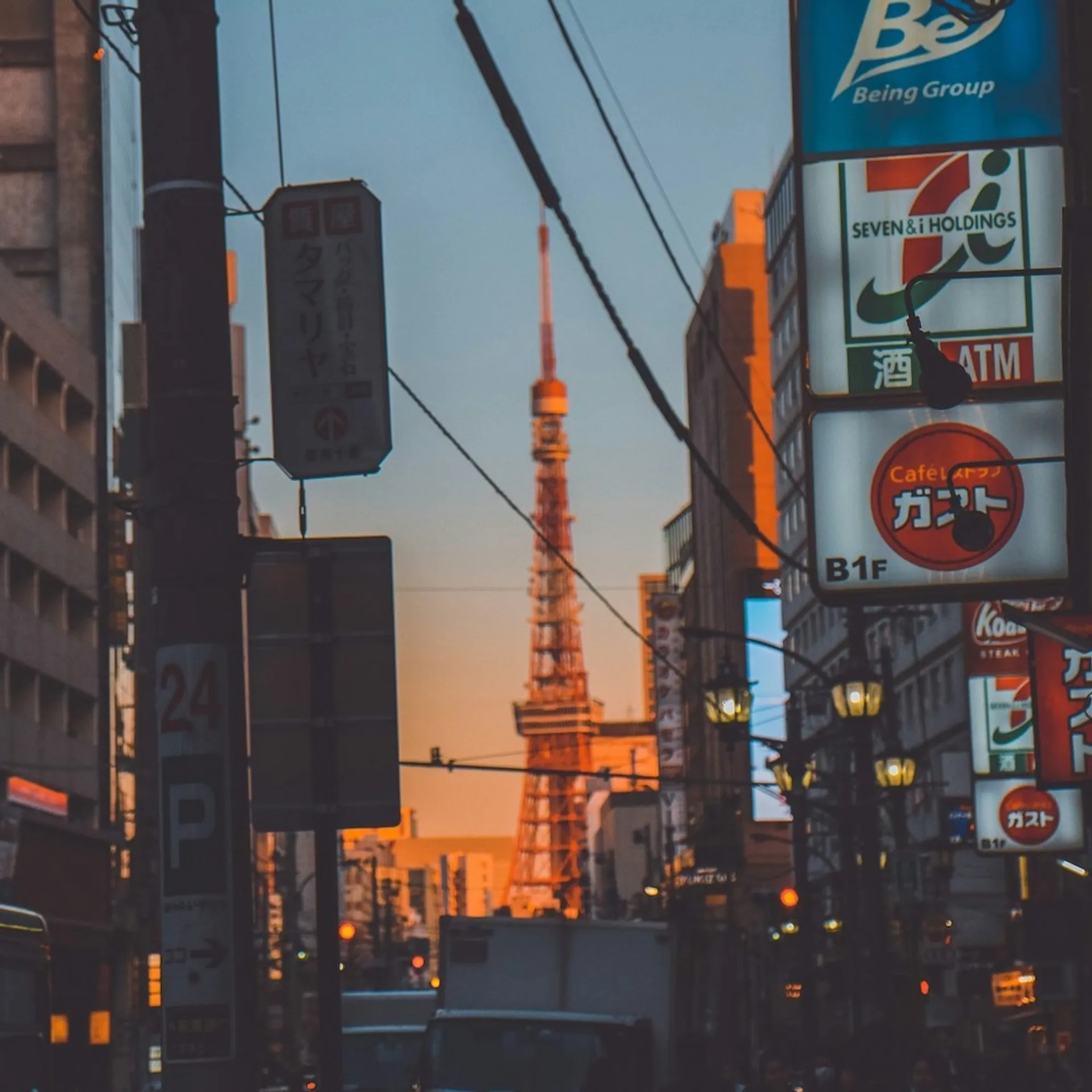
Thankfully, getting cash is very easy, even with foreign cards. Just head to the nearest 7-11 (there are thousands of stores across the country) and use the 7-11 bank ATM in the shop. These won’t charge you any fees to withdraw cash from your bank account.
Seasonality
Japanese culture is in tune with the changing seasons, with thousands of festivals and celebrations that line up with the calendar.
Depending on where you head in Japan, the intensity of the cold/heat will differ – in Hokkaido you’ll get much cooler summers and frozen winters, versus Okinawa, where the opposite is true. But for central cities like Tokyo, Kyoto, Osaka and Hiroshima, the weather will be similar enough.
Spring — March–May
Temperature: 5–28 C/41–82 F
The biggest celebration of spring is when the cherry blossoms bloom in March–April, and it’s also a popular time to visit the country. The maps published each year that predict when the blossoms will peak across the country are a handy tool for planning your cherry blossom tour.
During these times, you should expect crowds of Sakura spotters everywhere, and locals will be out taking part in hanami, or picnics under the cherry blossom trees. There will also be lots of Sakura-flavored snacks and treats on offer.
Summer — June–August
Temperature: 18–35 C/64–95 F
One word: humid. If you visit during these months, the humidity will be above 70%. That means it’s worth packing light layers, as well as sunscreen and a hat.
People often travel for summer festivals in cities like Aomori, Sendai, Kochi and Shiranui. But within Tokyo, Kyoto, and Osaka, you’ll hear the sound of taiko drums, and shrines will be decorated with lanterns and finery.
Fall — September–November
Temperature: 10–20 C/50–68 F
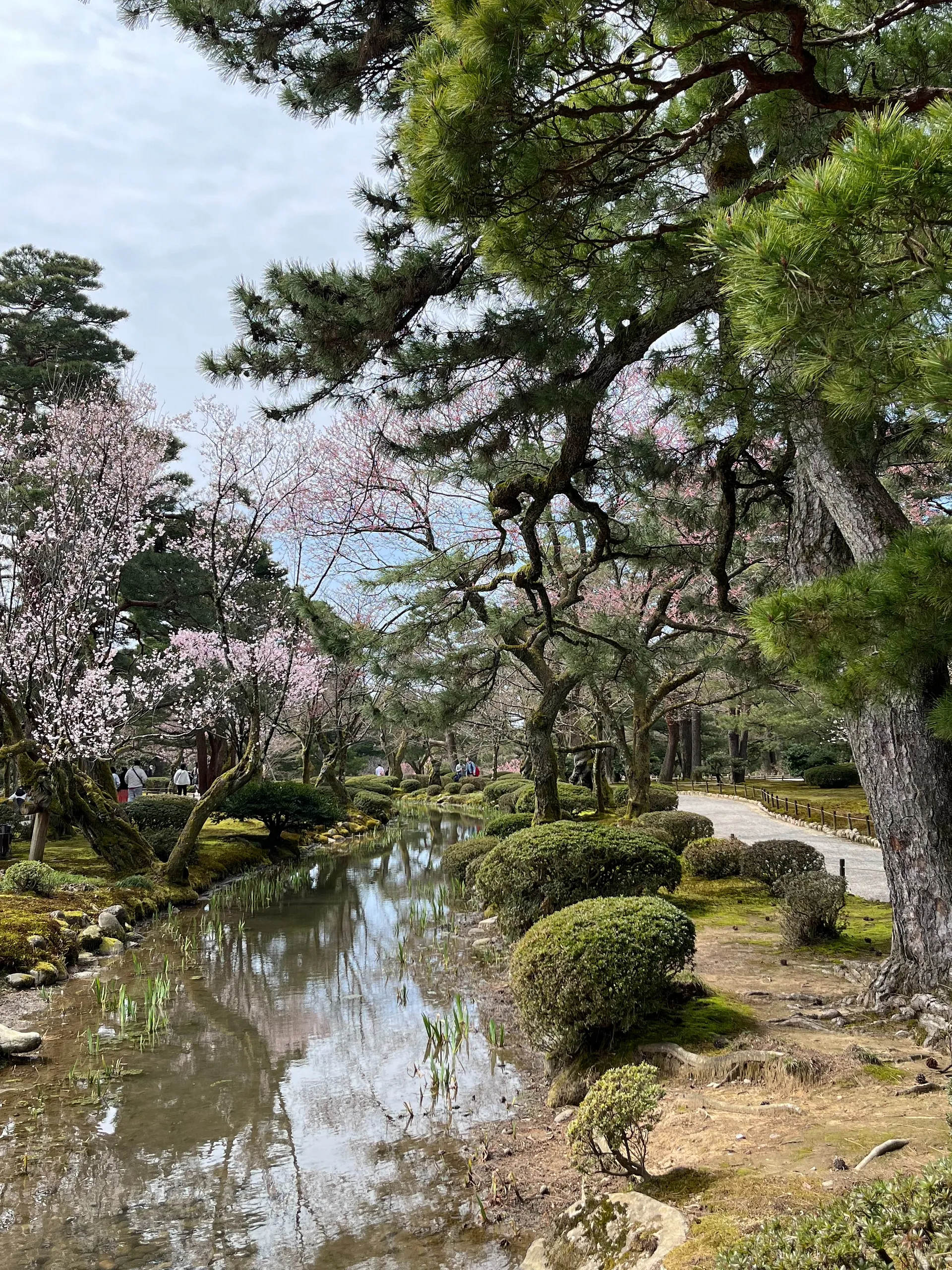
This time of year is becoming almost as popular as cherry blossom season, with autumn foliage painting the country red. It’s also cheaper in general to visit Japan post-summer, which makes it a really nice option if you’re looking for discounts on accommodation or flights.
Unsurprisingly, you’ve also got plenty of festivals to celebrate the change in season. At the shrines of Kyoto, there are light shows going into the evening during this time, against a backdrop of autumn leaves.
Winter — December–February
Temperature: 4–15 C/39–59 F
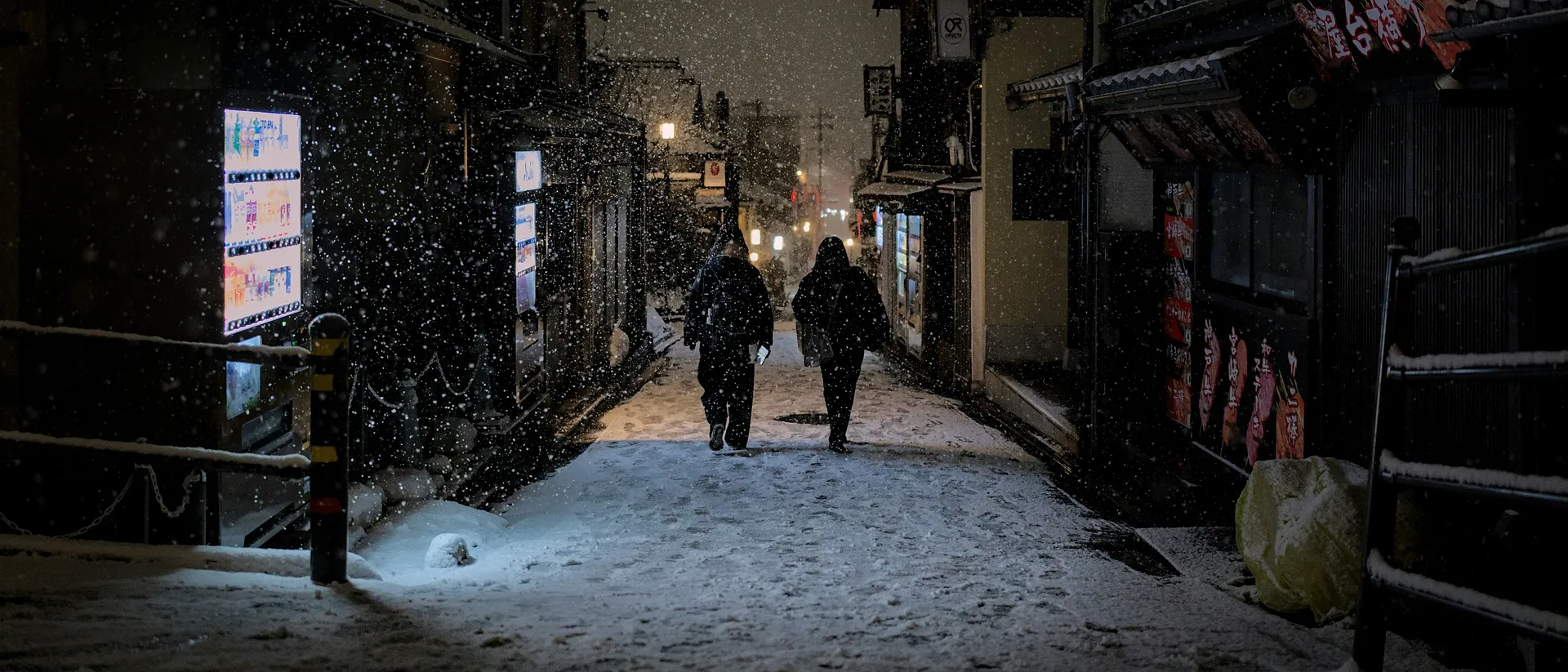
I visited in February 2025, so I have a particular fondness for this time of year! The majority of my days there were sunny, but I still needed my scarf and a winter coat. We had one day of snow in Kyoto, which was a nice treat, too. It was decent sightseeing weather, but we did have to wrap up at times.
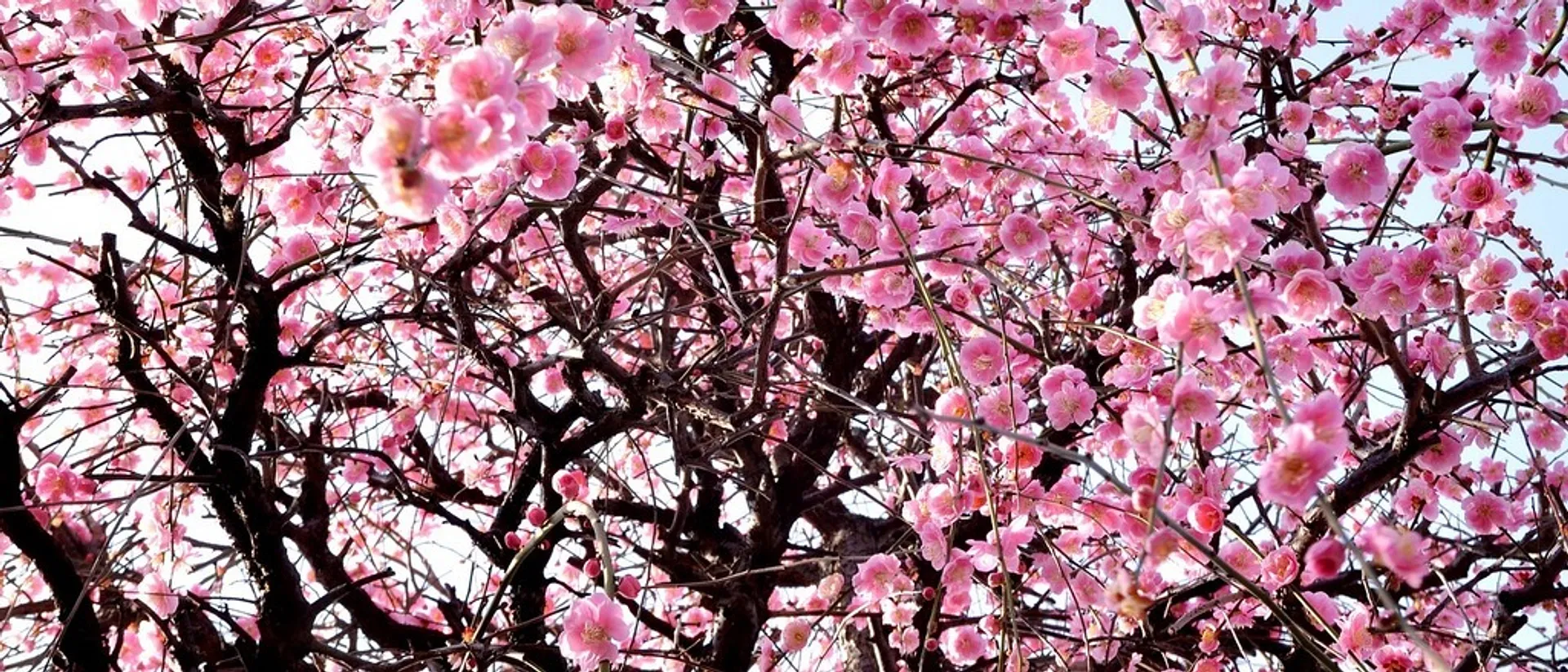
Our trip also coincided with the plum blossom festival in Kyoto — they’re less well-known than cherry blossoms, but equally beautiful. Unfortunately, not many trees had bloomed by the time the festival rolled around on the 25th February, but it was still enjoyable to go to the shrine and have plum tea and dango.
Travel Style
Japan is, on the whole, extremely easy to navigate. You’ll find the society there is very orderly (more than back home, at least!), so you can almost guarantee your train will be on time, the streets will be clean, and you’ll find signs to get you where you want to go.
Japanese people have, in general, a very welcoming and hospitable approach to foreigners. It’s not uncommon for everyone, from the staff in your hotel to a random stranger on the street, to 'go the extra mile' and be willing to help you, even if they’re not confident speaking English.
These things combined make it simple to get around big cities like Tokyo and Kyoto without knowing one word of Japanese. Even if you need to order in a restaurant without an English menu, you can point to the pictures of the food you want. Of course, at least a few words of Japanese are appreciated, like:
- Konnichiwa — Hello
- Arigato gozaimasu — Thank you very much (formal, used for everyone you don’t know)
- Ohayō gozaimasu — Good morning
- Konbanwa — Good evening
- Itadakimasu — Thank you for the meal (said before eating)
- Sumimasen — Excuse me (useful to get the attention of waitstaff)
Outside of this, Google Translate (or another translation app which has image-to-text translation) will be your best friend. Almost everything is written down in Japan, with plenty of signs, menus, instructions and so on. You just need to know where to look, and when to whip out your phone to find that hidden ramen restaurant.
LGBTQI+ travelers are unlikely to receive any harassment or discrimination from locals — you will find a higher proportion of LGBTQI+ friendly bars, clubs, and businesses in places like Shinjuku/Ni-chome and Nakano in Tokyo, but you won’t find these types of businesses outside big cities.
Many LGBTQI+ travelers visit Japan without any problem, but activities that are both specifically aimed at LGBTQI+ people and welcoming of foreigners can be limited and hard to find. World Nomads has a great guide on visiting as an LGBTQI+ traveler, with specific bar recommendations and sauna etiquette.
It's worth keeping in mind that Japan is a conservative country and PDAs are seen as something to be kept private, regardless of your sexual orientation.
POC travelers do stand out in Japan, given that it’s a largely homogenous society. That being said, foreigners and expats are now extremely common in the big cities, so you’re unlikely to experience any discrimination or harassment. Here’s a first-hand account of a Black woman’s experience travelling in Japan.
If you’re a solo female traveler, Japan is likely going to feel much safer than some Western countries, due to the absence of violent and petty crime in society. City streets are very well lit, and there are always many people around, no matter when you’re out and about.
There have been some reports of sexist and misogynistic behavior against women, but these tend to be targeted towards residents rather than foreigners. This article talks about what to watch out for if you do decide to travel to Japan alone.
Pickpockets (or, not)
You may know (or have read stories about) someone who has misplaced their valuables while travelling in Japan, only to be reunited with their phone, passport, or wallet down the line. This may lead you to believe that the country is some sort of anti-pickpocket Utopia, where something lost will always find its way back to its rightful owner, and petty theft is the last thing you need to worry about.
It’s true that Japan is, in general, an extremely safe country to visit on the whole — not only is violent crime uncommon, but even muggings and theft are nowhere near as prevalent as in Europe. But, this doesn’t mean it can’t happen to you during your visit.
There are some areas of large cities, like Kabukicho or Roppongi in Tokyo, or Nishinari in Osaka, where there is a higher risk of pickpocketing and general antisocial behavior. So, keep your wits about you regardless.
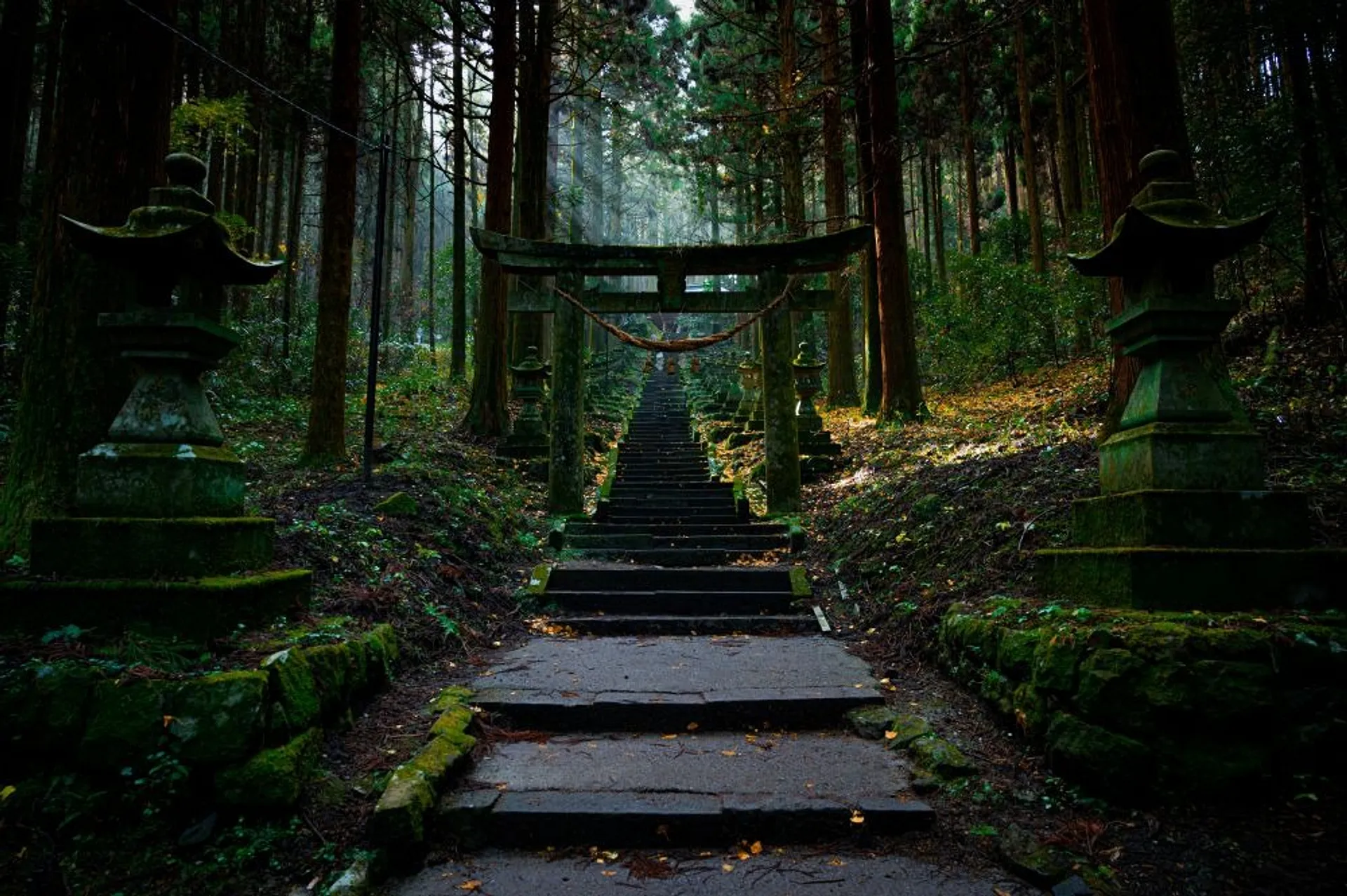
Temples and Shrines
Temples and shrines are religious sites that you’ll find throughout Japan, and there is a difference. Buddhists practice at temples, whereas you’ll find shrines are the centers for Shintoism, a religion indigenous to Japan, and still practiced by many people around the country.
There are thousands of both temples and shrines throughout the country, so you won’t be far from either, no matter where you go. They range from massive sites like Senso-ji in Tokyo to tiny structures in parks that are very easily missed.
The most famous in the big cities are:
- Senso-ji temple: A buddhist temple in Asakusa, the oldest in Tokyo
- Meiji Jingu shrine: A very popular shinto shrine in Shibuya, surrounded by forest
- Fushimi Inari shrine: A shinto shrine with over 10,000 red torii gates in Kyoto
- Kiyomizu-dera temple: The famous temple overlooking Kyoto’s Gion neighborhood
- Shitennoji temple: One of the oldest Buddhist temples in Japan, located in Osaka
- Itsukushima shrine: The shinto shrine with the torii gate sticking out of the water—a really popular photo spot in Hatsukaichi
Other ones that you may want to add to your list are the Cat Temple, the Lion Head Shrine and this colorful temple.
Etiquette
A shrine or temple is a religious site, so treat the site with the same respect you would any church or mosque. Observe respectfully, and don’t disrupt or get in the way of anyone praying or partaking in the rituals there. You should also dress modestly, keeping in mind it’s a place of worship. In some temples, you may need to take off your shoes, but you’ll be told if that’s the case. Also, taking photos of the outside of the buildings is generally ok, but don’t take photos inside.
We’ll go into specific things to keep in mind when visiting a temple or shrine below, but don’t worry too much about ‘getting it wrong.’ As a foreigner, you will be afforded a lot of grace in these spaces, as long as you’re not disruptive and genuinely want to do your best to show respect.
These temples and shrines can be inside huge sites, with beautiful walking paths surrounded by nature, so take your time to walk around and reflect.
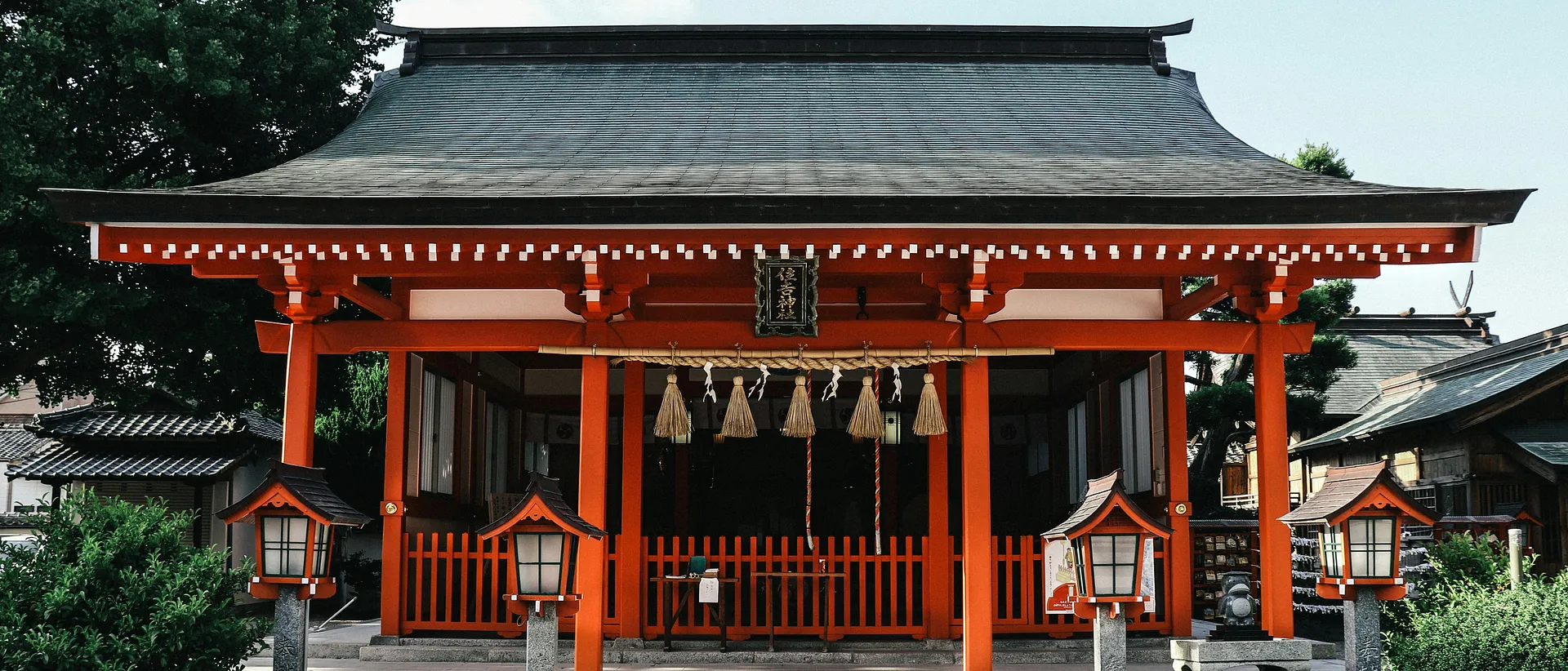
Shrine etiquette
Many visitors bow at the entrance of the torii gate (entrance gate) on their way in, which you’re be encouraged to do as well. Bow yes, but then walk around the side of the gate, rather than passing directly underneath (this path is reserved for the gods).
If you’re comfortable, you can take part in the purification ritual once in the grounds of the shrine—you'll see other visitors take a cup of water and wash their hands and mouth with it (left hand first).
You don’t need to make an offering if you don’t want to, but if you would like to take part in the experience, you can toss a coin (5 yen is considered a good coin for this) into the offering box (usually found at the front of the main hall). You can then ring the bell and start your prayer. Some visitors will bow and clap as well. Read this guide for specifics on the hows and whens.
Alongside praying directly, you can buy a wooden tablet and write your ‘petition’ on it before attaching it to a nearby tree or board (it will be obvious where this should be hung). There are also fortunes you can buy (and tie to a tree if it’s bad luck).
Buying souvenirs
At shrines, you’ll see a kiosk or shop where you can buy lots of different items. Alongside the wooden tablets and fortunes, you can buy amulets and stamps which commemorate your visit. These omamori are typically really lovely, cheap souvenirs, costing no more than $10 USD.
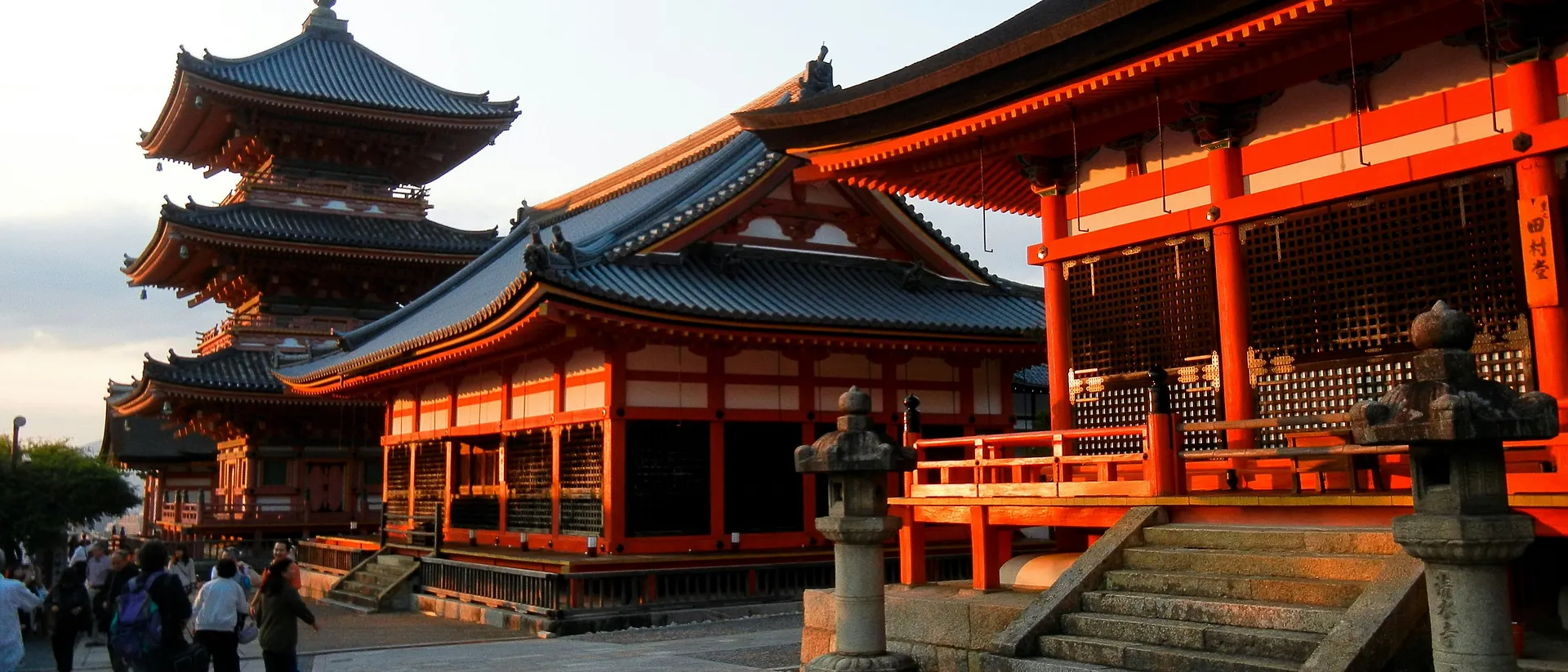
Temple etiquette
Similarly to the shrine, there are customs around entering the temple—you shouldn’t step on the threshold of the main gate, for example, but you can pass directly through it.
A similar purification ritual can be done as above, with a basin with running water available for you to wash your hands and mouth. At some temples, you’ll see an incense burner which you can also waft in your direction to help cleanse yourself.
You’re expected to bow at the altars before and after you pray, and when you leave the temple as well. You can also offer up a coin as well, but there's no need to clap or ring a bell. There may also be incense sticks burning, which you can use to light your own before leaving it in the sand. There may also be services you can attend where you can ask for a specific prayer for a fee.
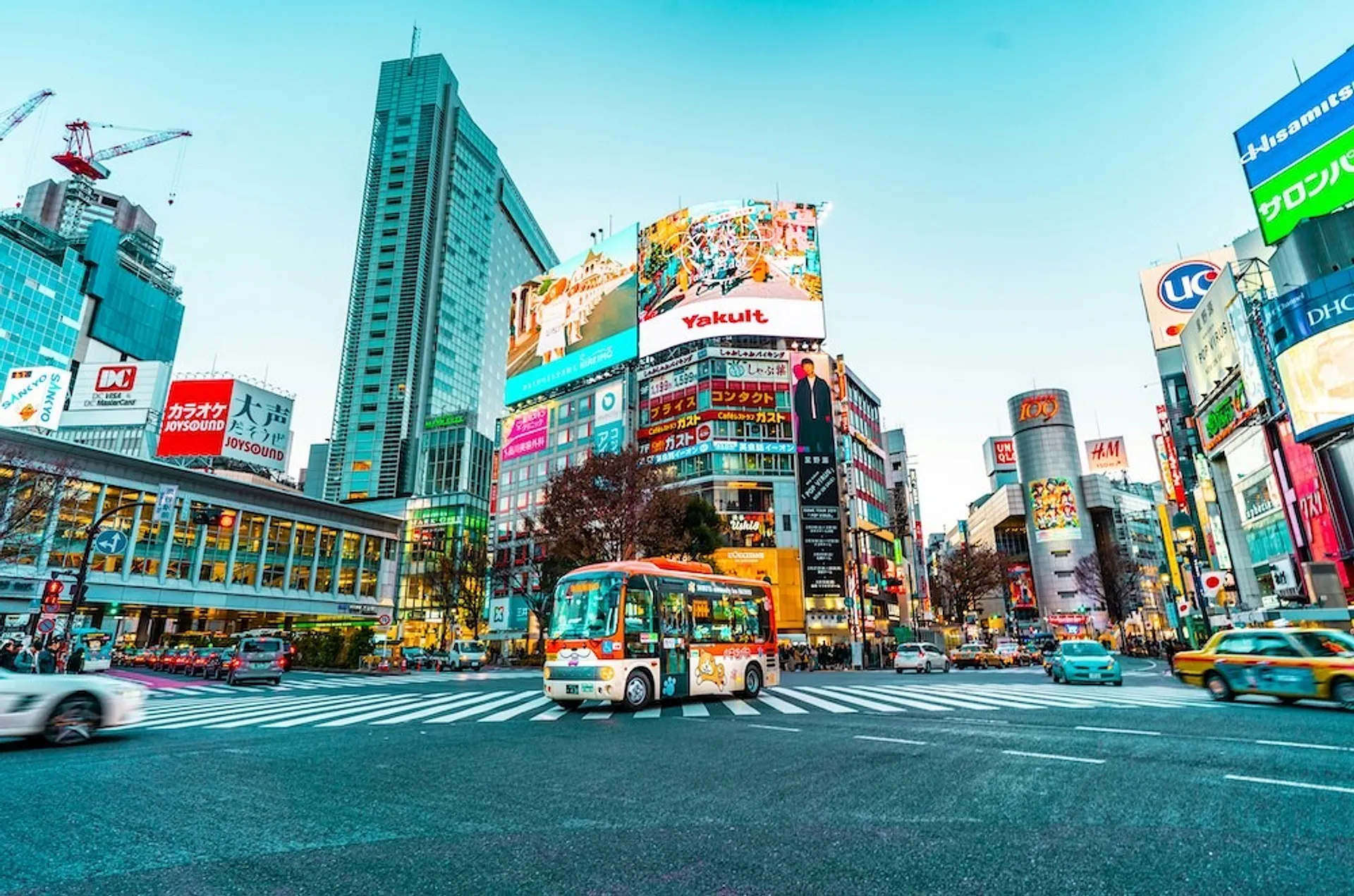
Jack's Guide to: Tokyo
Navigator Larissa scored a trip to Tokyo for under £450 return and spent 5 full days traversing the city. Read on for her tips on how to make the most of your time (and where to get the best ramen) in town.
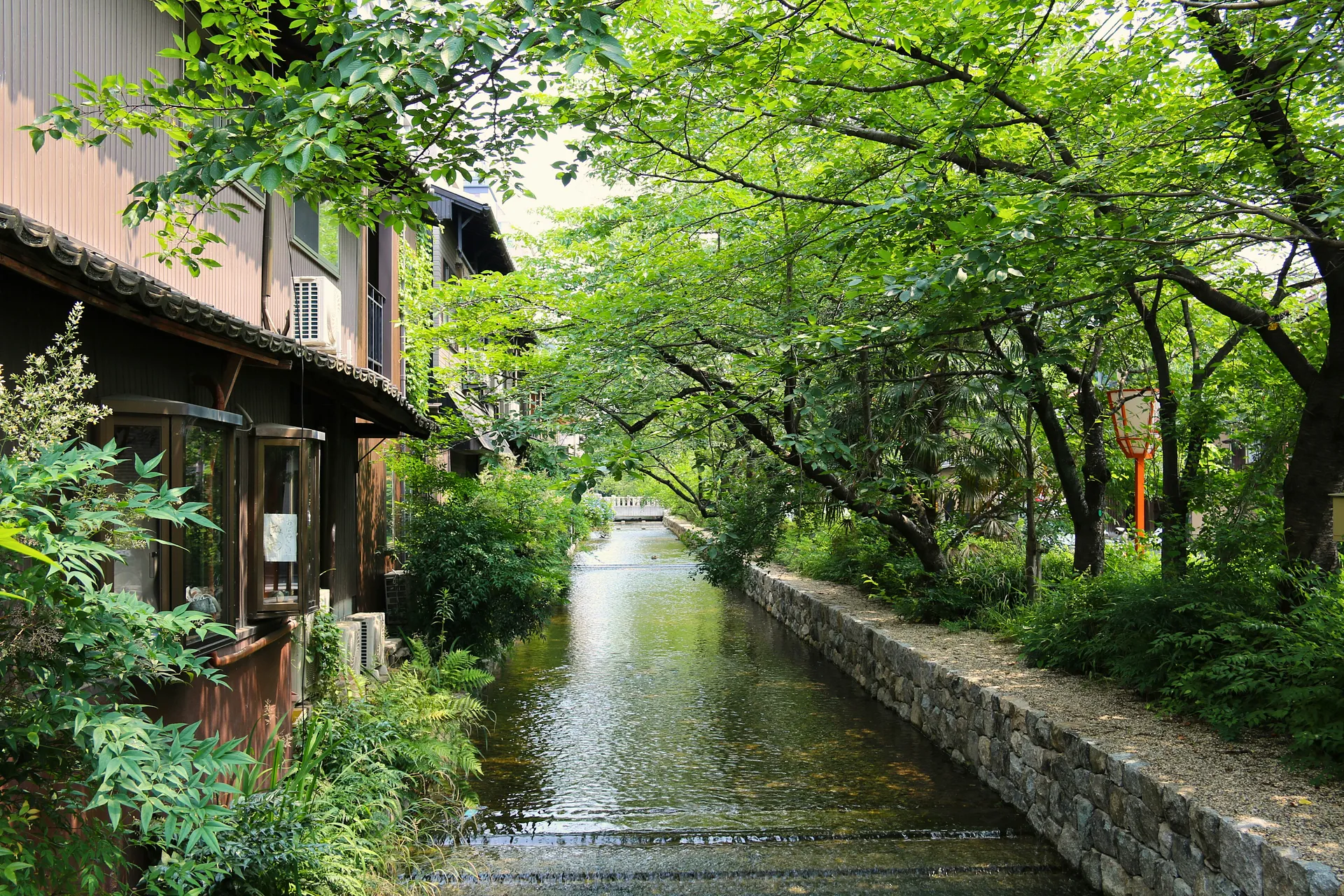
Jack's Guide to: Kyoto
Kyoto may not be as populated as Tokyo, but it's still buzzing and packed with historical intrigue. Take a look at Larissa's trips on navigating the city, respecting ancient traditions, and (of course) finding the tastiest snacks.