Guatemala: Where Can I Experience Culture Without the Crowds?

Akasha Loucks
“I’m interested in traveling to Guatemala, and I know almost nothing about it except that it looks really beautiful. I’m interested in when might be a shoulder season there, still pleasant but not high season, as I don’t love big crowds. I love getting to know villages and local culture as well as experiencing nature - mountains, hiking, and swimming.”
Hey there, traveller! You’re in the right place. I spent about 6 months in Guatemala, so I’ve got heaps of tips for you.
As a solo female traveller, I’ll start with what I wish someone had said to me about travelling in Guatemala: It’s hard, it’s beautiful, and it’ll change you. It’ll challenge everything you think you know if you let it.
Once you allow yourself to be moved by the layers of Maya history, the insane resilience of communities, and truly feel the weight and warmth of a place shaped by such struggle and beauty, you cannot unfeel or unknow. And isn’t that one of the reasons why we travel to places like this? To feel something real enough that it stays with us long after we’re home?
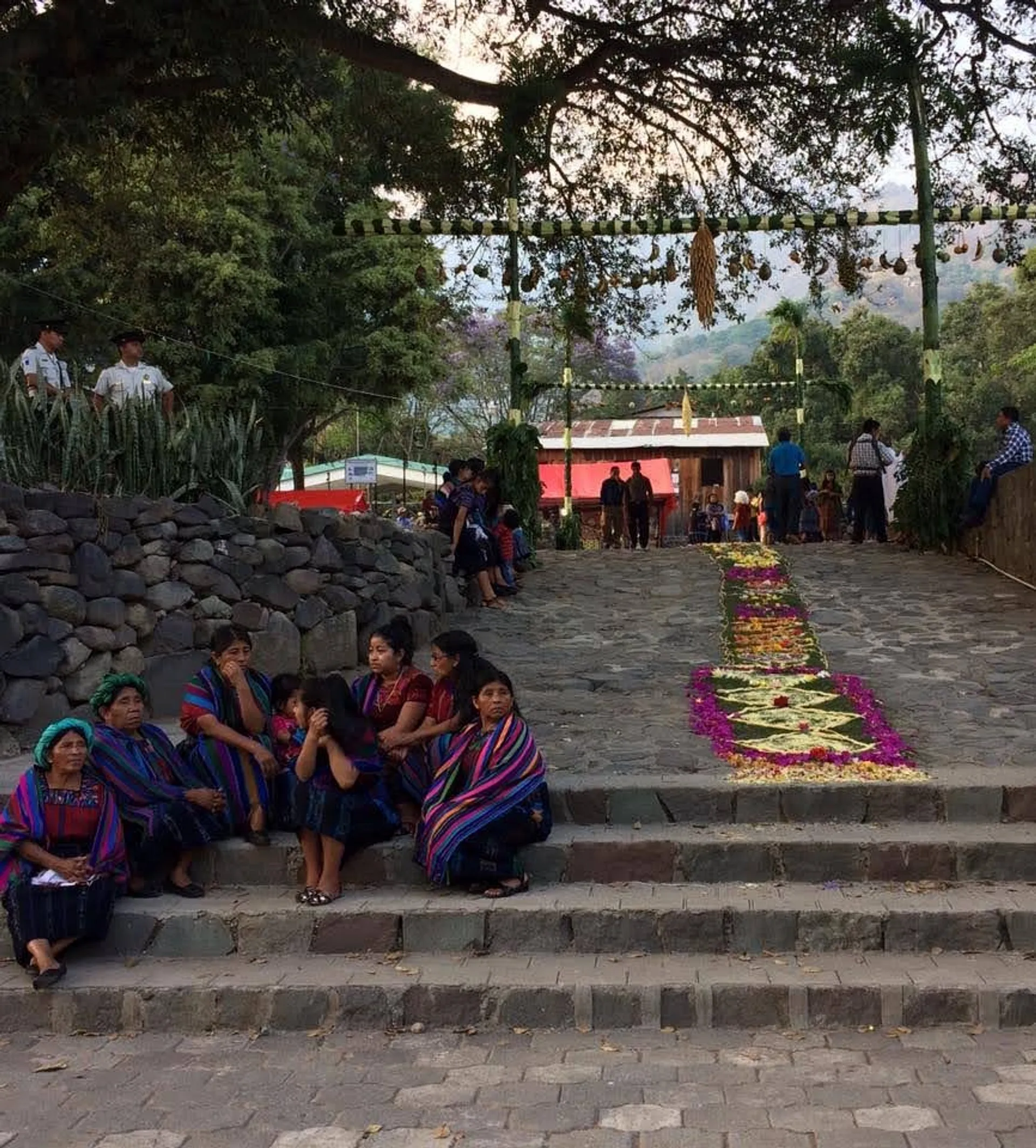
But to do that, please take my advice and step outside the “expat” bubble, especially since you said you don’t like big crowds. Overtourism can be a real issue here, especially in places like Antigua, and even more so on the shores of Lake Atitlán, where I spent most of my time.
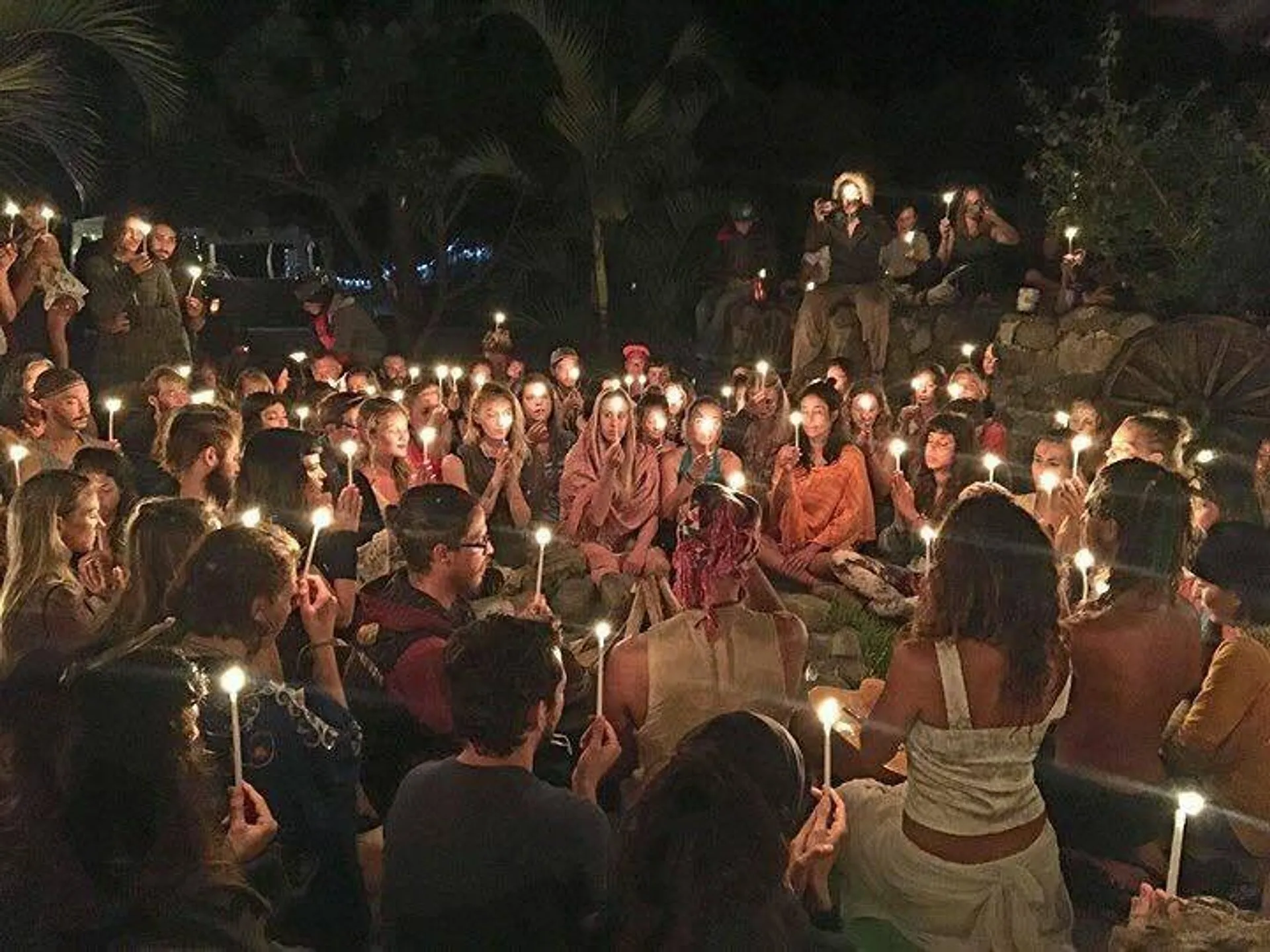
It’s easy to be swept up by blogs promising a “hippie mecca” of self-declared healers and “sacred” retreats in San Marcos la Laguna. But trust me, not all that glitters is gold. Sadly, the traditions of the Kaqchikel and Tz’utujil peoples have been watered down, mass-produced, and sold back as “authentic.” As a result, they are exploited, priced out, and often treated as background noise to the version of culture visitors prefer to consume. I won’t go into detail here; that’s another blog post in the making.
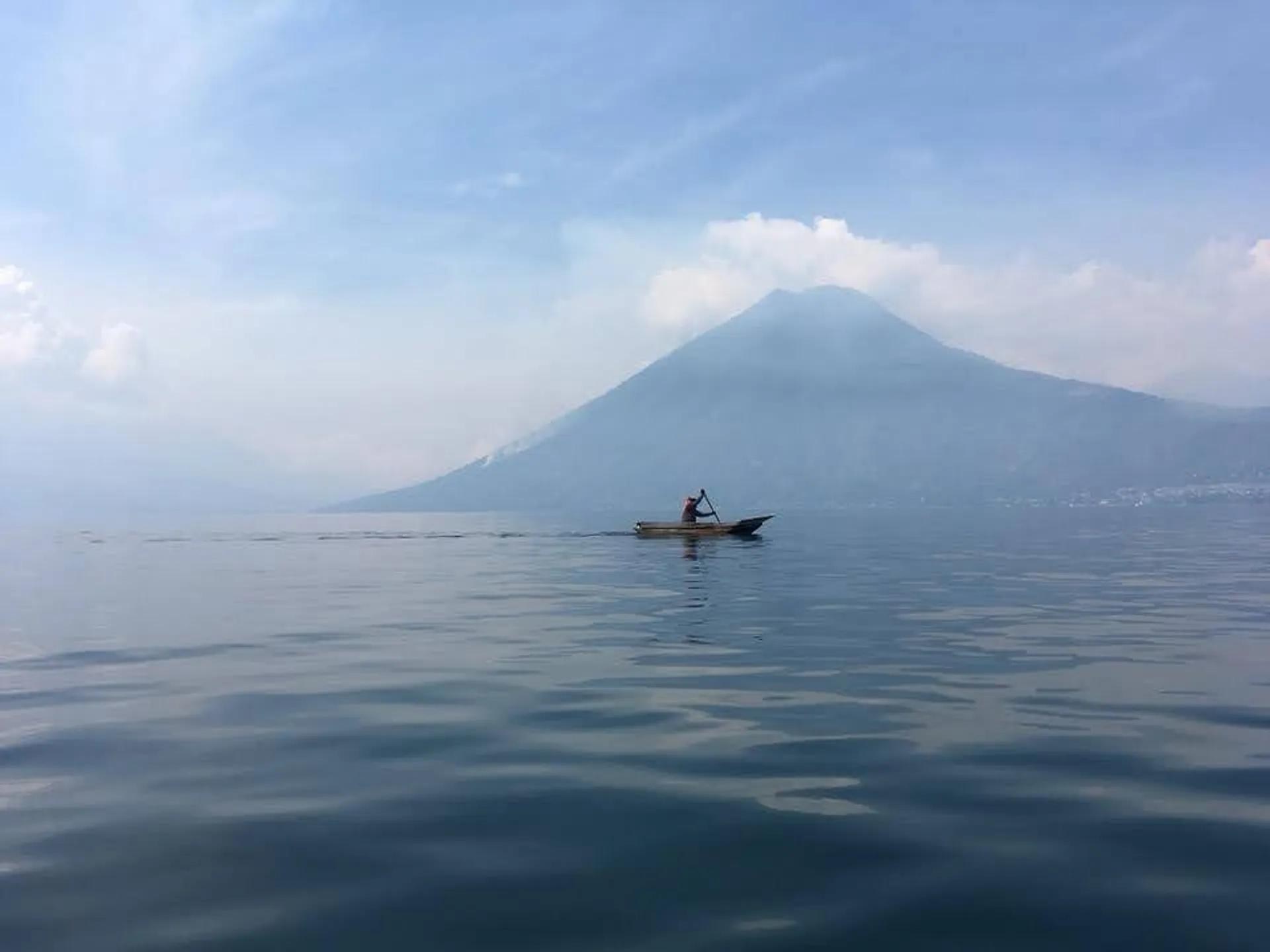
But if you are keen on visiting the lake, there are still a handful of towns that are a little less curated than San Marcos, San Pedro and Panajachel. They aren’t entirely tourism-free but Jaibalito and Santa Cruz la Laguna offer more of a relaxing escape from the crowds, have a handful of locally run guesthouses, and some decent hiking (be sure to hire a guide). And San Juan, although firmly on the map, is home to Maya women’s weaving co-operatives that specialize in naturally dyed textiles that align with the Mayan moon calendar.
These cooperatives play a pivotal role in the community, preserving traditional weaving techniques and improving the overall quality of life for the local women. You can take workshops here run directly by the families themselves. San Juan is also the unofficial gateway to the sunrise Indian Nose Hike; but again, remember to always go with a guide!
Many towns across the lake also have family-run Spanish programs or homestays paired with lessons.
Top Tip: It’s important never to drink the tap or lake water (not even to brush your teeth) and wash any fruit/veg with filtered water before cooking to avoid parasites. You’ll probably want to avoid swimming in some areas of the lake, too.
Since you mentioned that you “love getting to know villages and local culture as well as experiencing nature/mountains”, I’d recommend certain parts of Guatemala that sit well beyond the Atitlán–Antigua loop.
The Ixil Triangle in the Western Highlands (Nebaj, Chajul, Cotzal) is one of the most culturally rich and resilient regions in the country. And being right up in the Highlands, your guide will be able to take you on some fantastic hikes.
The Ixil people live in the high, rugged mountains of the Cuchumatanes, which has historically kept them pretty isolated. This allowed them to maintain their unique customs, dress, and language longer than many lowland Maya groups who faced more colonial influence.
Unfortunately, this area was hit particularly hard during the Guatemalan genocide. Nowadays, the people here continue to rebuild and protect their Maya heritage.
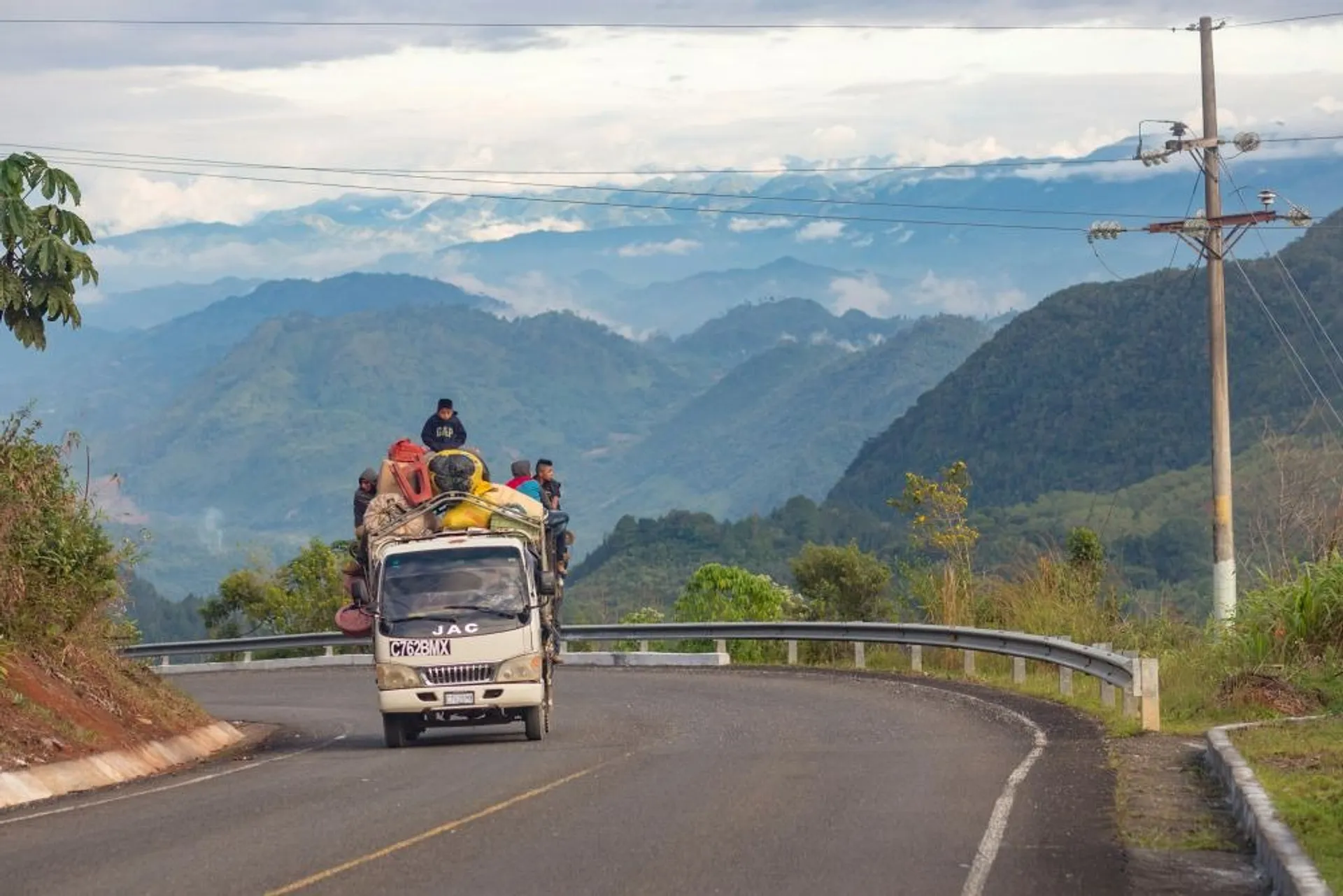
Top Tip: Chicken buses can be a fun and inexpensive way to get around, but they’re not always the safest option, especially for solo travellers. They’re often crowded, with tight spaces and unpredictable stops, and petty crime can be common.
If you want the experience, keep valuables hidden, stay aware of your surroundings, and try to sit near the front where it’s easier to get on and off. Otherwise, shuttles or private buses are a more comfortable and reliable choice, especially for longer routes or remote destinations.
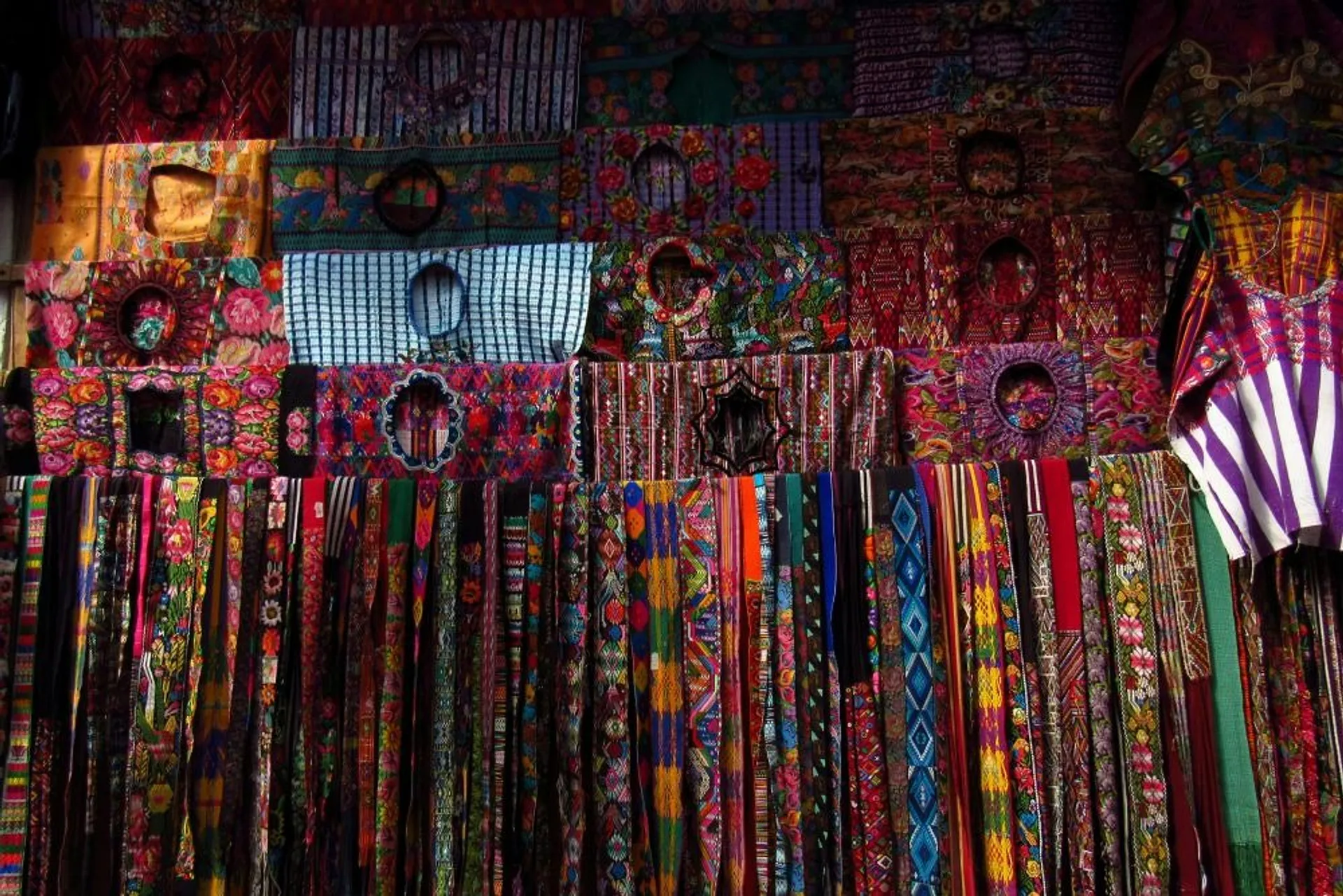
For a meaningful window into the Ixil culture, visit some local nonprofits. Women’s cooperatives like ASOREMI welcome visitors into their workshops to learn about traditional weaving, natural dyes, and women’s rights initiatives. This offers an easy way to support artisans by buying directly from them. Cultural groups such as Fundación Ixcanul host short cooking, language, and cosmology workshops inside family homes, making space for real conversations about daily life.
The easiest way to reach these villages is to get a shuttle from Panajachel in the direction of Chichicastenango, a charming, colourful market town that deserves its own day of exploring. I’d recommend you go during non-market days if you’re at all worried about crowds.
From Chichicastenango, you can catch a local bus or a private shuttle directly to Nebaj, the main hub of the Ixil region, which takes roughly 3–4 more hours along winding mountain roads. Once in Nebaj, small colectivos or tuk-tuks can connect you to Chajul and Cotzal, the other two Ixil towns, making it easy to explore the villages and highland trails without backtracking.
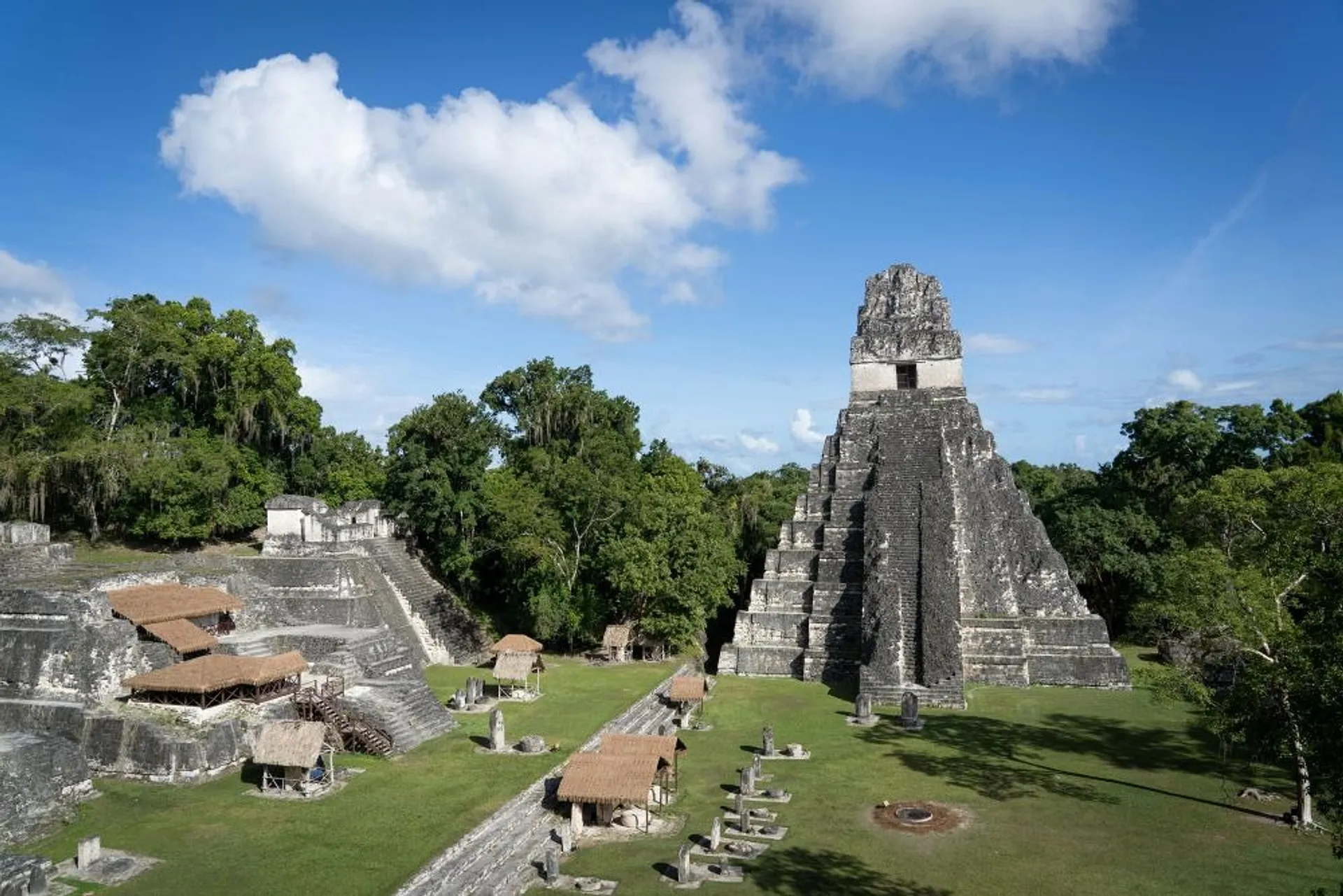
Flores, on the banks of Lake Petén Itzá, often gets overlooked unless you're planning on visiting the Tikal Ruins. But it's an afternoon well-spent walking around the lake, taking in the colourful colonial buildings, plazas, and cobblestone streets (and eating your weight in tamales and empanadas). Head out to Actún Kan if you’ve got time; it’s a cave full of natural rock formations and only a short drive away from the centre of town.
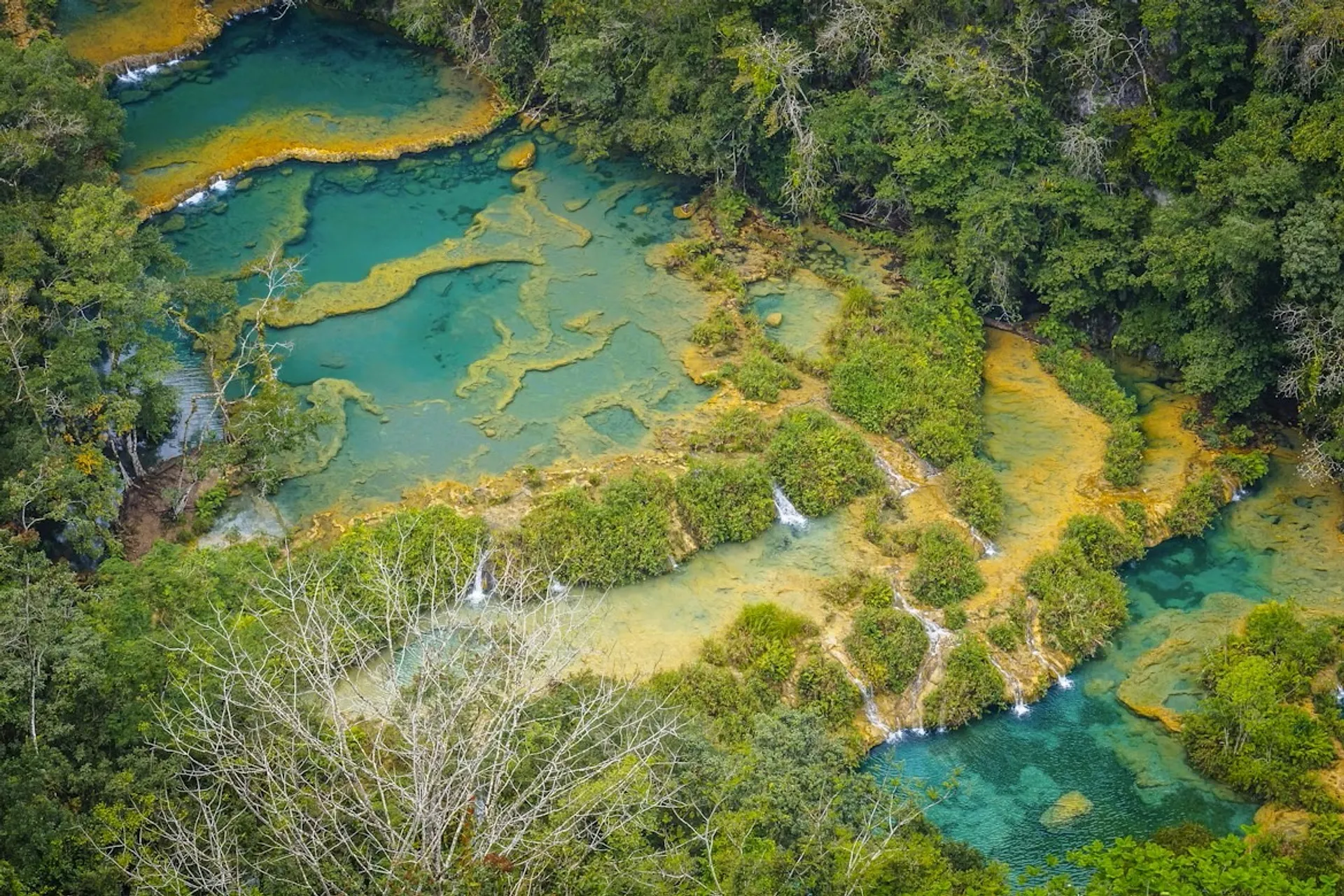
Since you’re a swimmer, you’re spoiled for choice, really. Semuc Champey is the most famous place for a dip: a series of natural limestone pools set in the jungle, with crystal-clear water that cascades down in steps. Chances are, if you’ve Googled “Nature in Guatemala,” you’ve seen it.
Tip: To avoid crowds in Guatemala, avoid travelling during Semana Santa (Holy Week) over Easter. Shoulder season can be unpredictable weather-wise, with quick and sudden downpours, so flexibility with plans is a must.
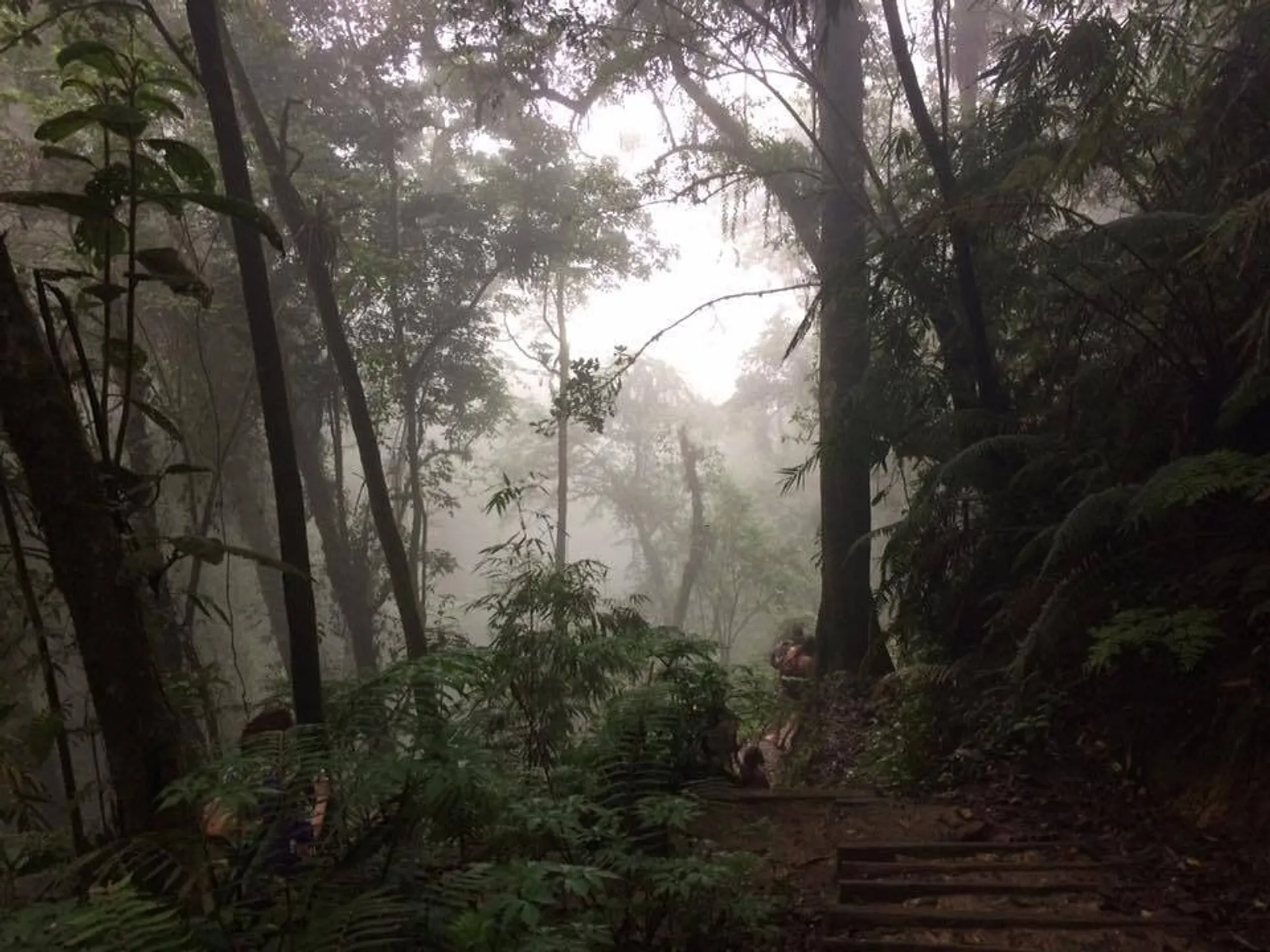
Around Quetzaltenango (Xela), natural hot springs like Fuentes Georginas sit high in the mountains, with steaming pools set against cloud-forested slopes, ideal after a volcano hike or a day exploring the highlands. They’re by no means off the beaten path, but still an experience I’d recommend.
The Río Dulce on the east offers an entirely different side of Guatemala, influenced by the Garifuna culture. Here, the water is calm, the mangroves stretch for miles, and the pace is unhurried. You can take a boat from the town of Río Dulce to Livingston, a Caribbean-facing village only accessible by water. In Livingston, Garífuna culture is everywhere: drumming on street corners, the smell of coconut and cooking cassava permeating the air.
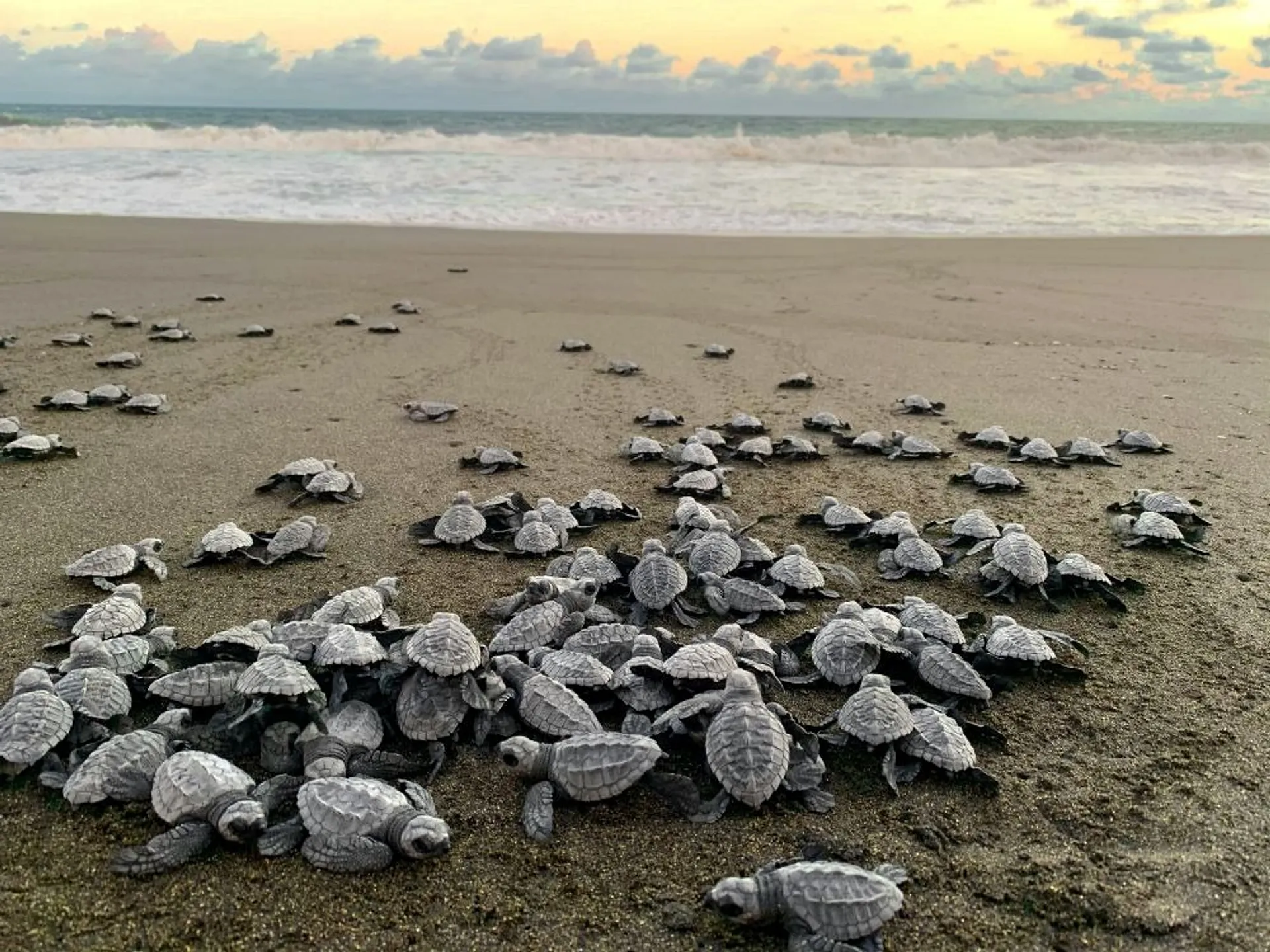
Meanwhile, on the Pacific coast, you’ll find black volcanic sand, strong surf, and mostly empty beaches beyond the towns of Monterrico and Sipacate, where sea turtle conservation projects and small local eateries give the place a relaxed, chill vibe.
I hope this gives you some fresh ideas for your trip, readers. Bring a sense of adventure (and a little Spanish) and you’ll be sure to have an entire travel journal bursting at the seams!
Do you have any other Guatemala must-sees? Share your tips for quiet viewpoints, moments of awestruck silence, local connection, and more below :-)